There is a special kind of chaos that hits at popular attractions right when everyone has the same idea. Parking backs up, security lines balloon, and suddenly you are shoulder to shoulder when you were promised “a fun day out.” The good news is you can seriously reduce crowd pressure without changing your overall plan. Most of it comes down to when you arrive, when you eat, and when you move to the next area.
Below are the timing strategies I use as an obsessive planner and former hospitality coordinator. They work for theme parks, zoos, aquariums, museums, observation decks, and basically anywhere that sells timed tickets and pretzels.
Know the daily crowd shape
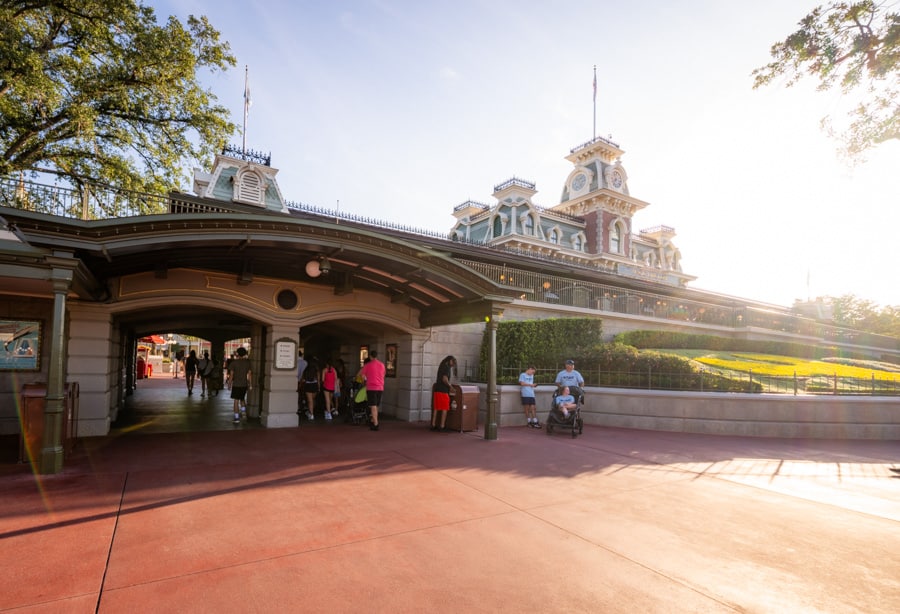
Most high-traffic attractions follow a similar rhythm, even when overall attendance changes. It is not a law of physics, but it is predictable enough to plan around:
- Opening to 60 to 90 minutes after: Often the lowest crowds inside, faster walking paths, and easier photo ops.
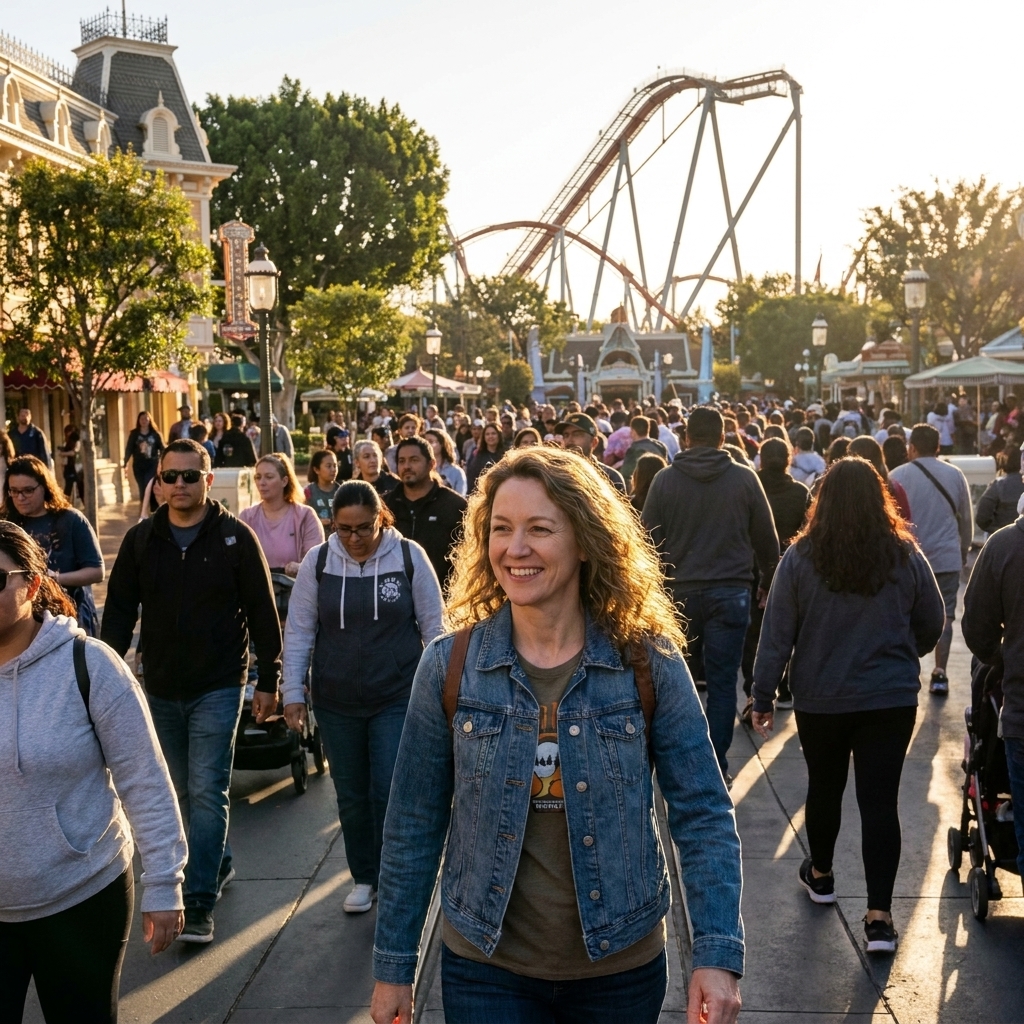
- Late morning to mid-afternoon: Typically the peak for main walkways, popular rides and exhibits, and food lines.
- Late afternoon lull: Many places see a dip as families take breaks, head back to hotels, or switch to dinner plans.
- Last 60 to 120 minutes before close: Frequently a great value window, though late-day events or evening ticket promos can flip this.
Your goal is not to avoid crowds forever. It is to do your highest-priority things during the low-crowd edges, then use the busy middle for slower activities that do not feel painful when they are crowded.
The two best arrival options
Option A: Rope-drop, done right
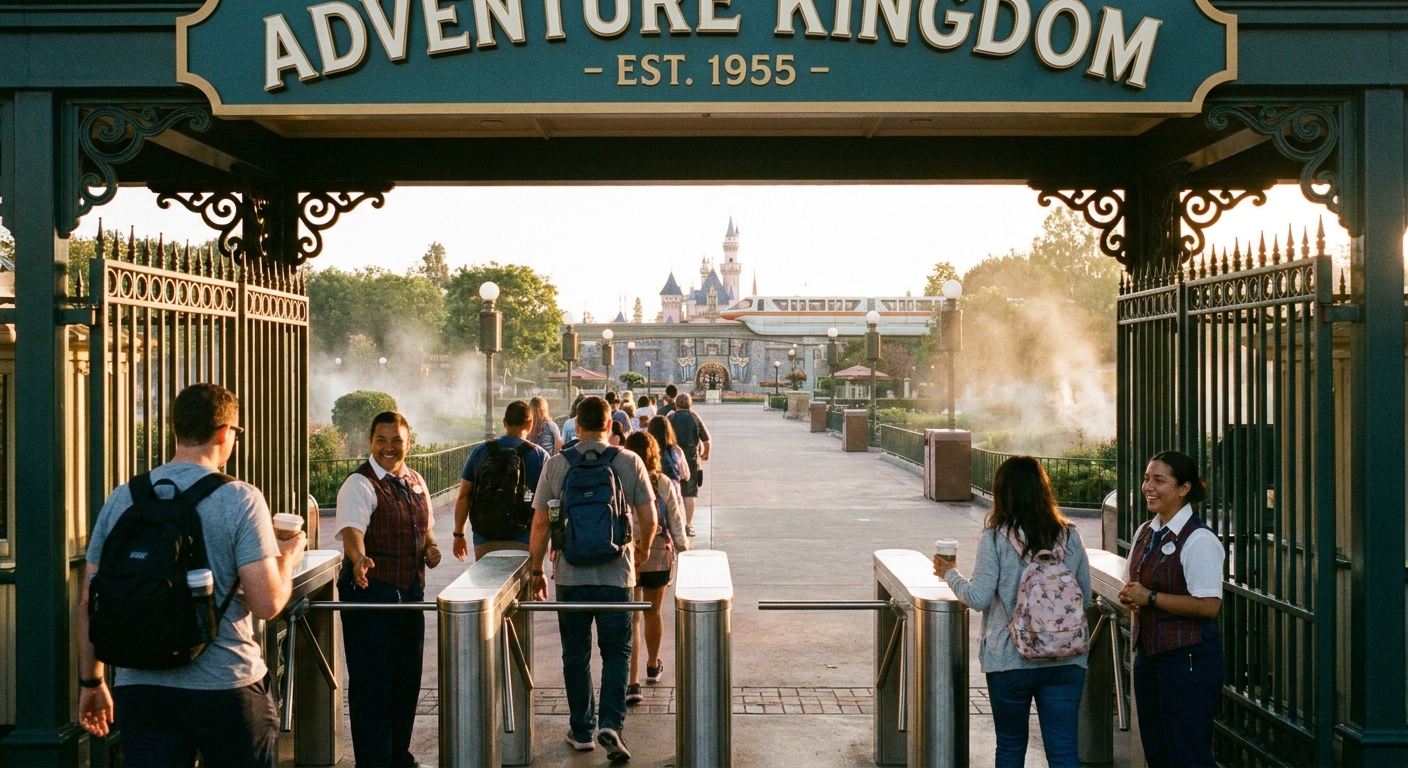
“Arrive early” is common advice, but here is what actually matters: you want to be parked and at security or the gate before the bulk of the crowd arrives. Many venues open parking lots and security screening earlier than the posted opening time, so plan for the bottlenecks before the turnstiles.
- Target: Aim to reach the property early enough that you are at the gate 30 to 45 minutes before posted opening. For most places, that means pulling into the parking area about 45 to 60 minutes early.
- Why: Security and ticket scanning can become the first bottleneck of the day.
- Best for: Theme parks, aquariums, observation decks, and anything with rides or timed entry lines.
My favorite move: Do not stop for coffee or photos first. Walk briskly to your top two magnet attractions immediately, then slow down once the place fills in.
Option B: Arrive later, stay later
If you are not a morning person or you have toddlers with unpredictable sleep, flip the strategy. This only works if the venue has generous hours and your must-do areas do not shut down early, so check posted schedules and any “last entry” rules.
- Target: Arrive 2 to 3 hours after opening, then stay close to closing time.
- Why: You skip the arrival rush, and you are still there for the calmer final stretch when many guests tap out.
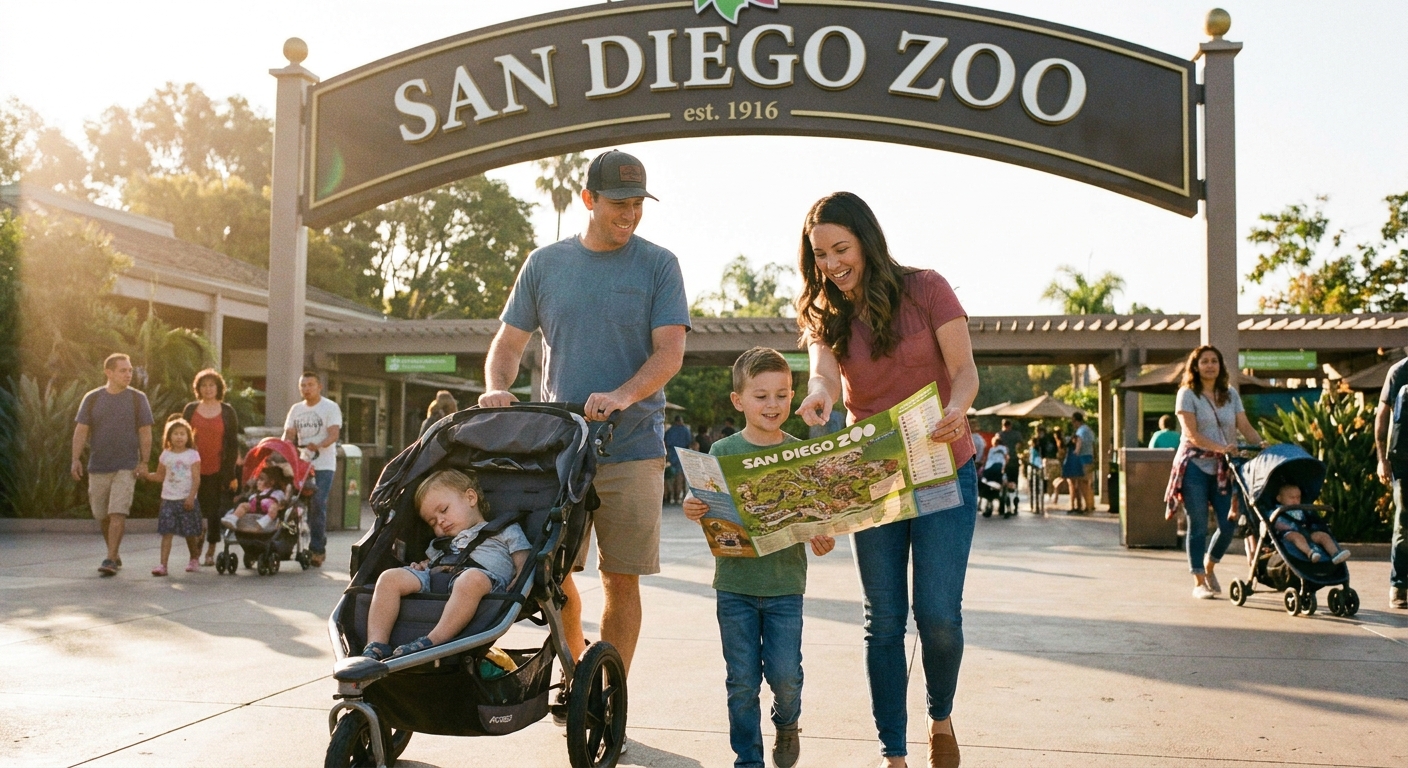
- Best for: Zoos, museums, gardens, and parks where you can enjoy atmosphere without racing.
This strategy shines on peak days because a lot of visitors burn out and leave earlier than they expected, especially in hot weather.
Use meal breaks strategically
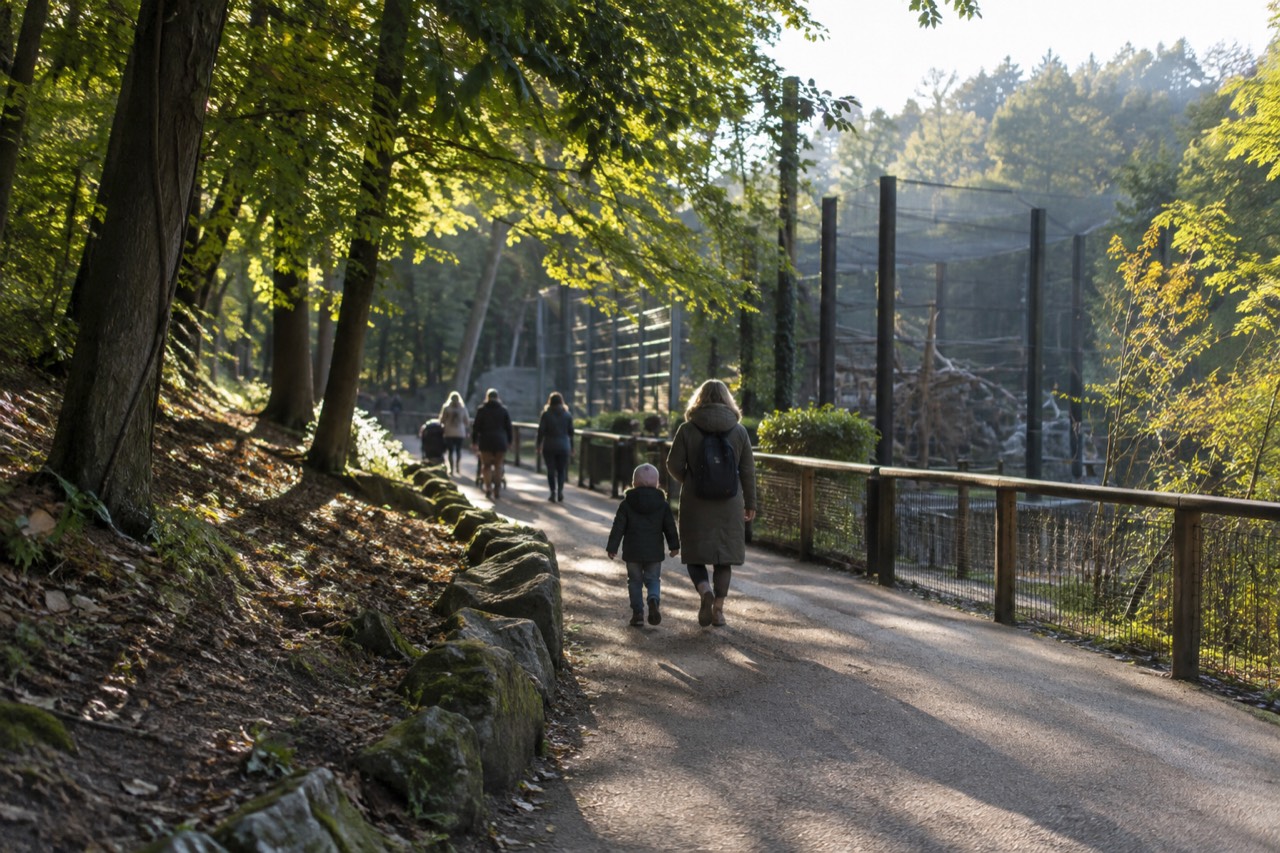
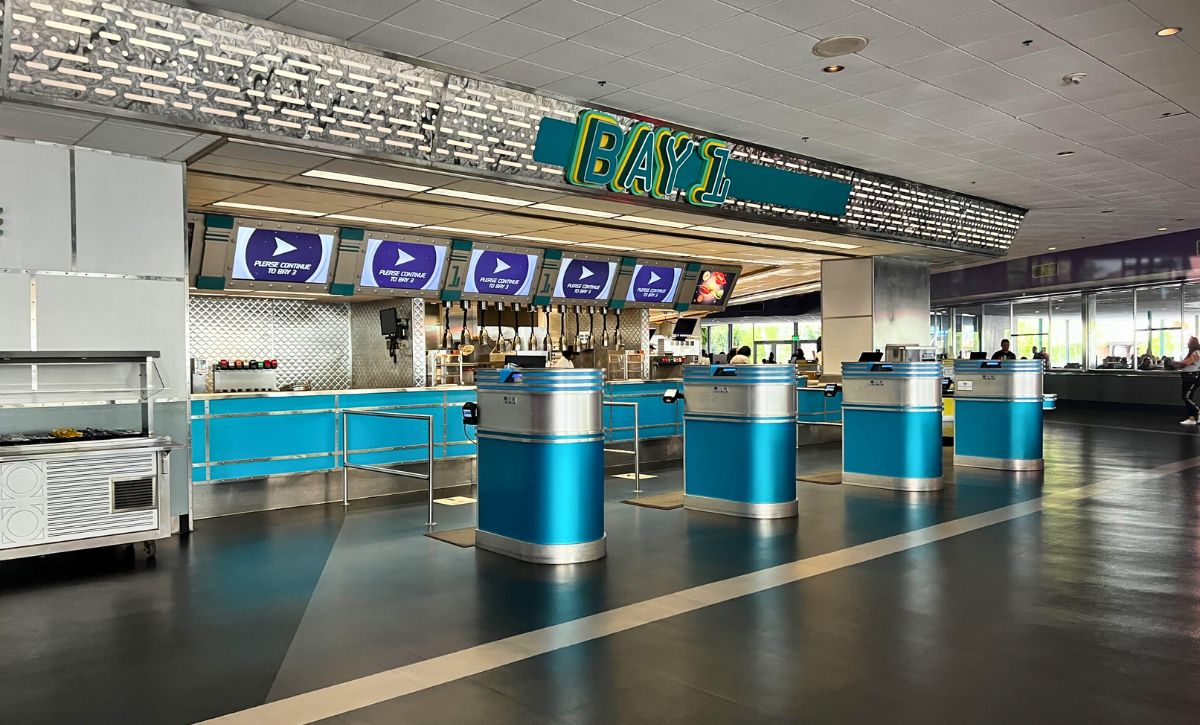
Food courts and quick-service spots have their own rush hours, and they can be just as frustrating as ride lines. You can keep your day feeling smoother by eating a little off-cycle.
Best times to eat
- Early lunch: Around 11:00 a.m. (or right when a location starts serving lunch)
- Late lunch: About 2:00 to 3:30 p.m.
- Early dinner: Around 4:30 to 5:00 p.m.
- Late dinner: 7:30 p.m. and later (if the venue is open and kitchens are still serving)
Two meal moves that work
- Ride during lunch: Many guests break for food at the same time. That is your window for marquee rides or the most popular exhibit hall.
- Eat during the line spike: If waits balloon from 12:30 to 2:00, claim a table, cool down, and let the rush burn itself out.
Foodie note: If you are planning a sit-down meal, make it part of your timing strategy. A 60 to 90 minute reservation during peak heat and peak crowds can save your mood and your feet.
Peak-day timing that helps
On Saturdays, holidays, and school breaks, the busy middle gets longer. The mistake I see most often is trying to power through that stretch as if it is a normal Tuesday.
What to do on the busiest days
- Front-load priorities: Do your top experiences in the first 1 to 2 hours after opening.
- Schedule a midday reset: Plan a show, indoor exhibit, aquarium tunnel, museum wing, or long lunch from about 12:00 to 3:00.
- Save wandering for later: Gift shops, photo spots, and scenic areas feel dramatically better after 4:00 p.m.
- Use the last hour: Many people leave to beat traffic. If you stay, paths and queues often loosen up, unless there is a nighttime event drawing a late surge.
Timing for families with kids
If you are traveling with little ones, crowds can be extra draining because everything takes longer. Two approaches work well:
- Early entry, early exit: Hit the highlights in the morning and leave right as crowds peak.
- Midday break, second wind: Go early, take a rest or hotel break during peak hours, then return for the calmer evening stretch.
Find calmer zones inside
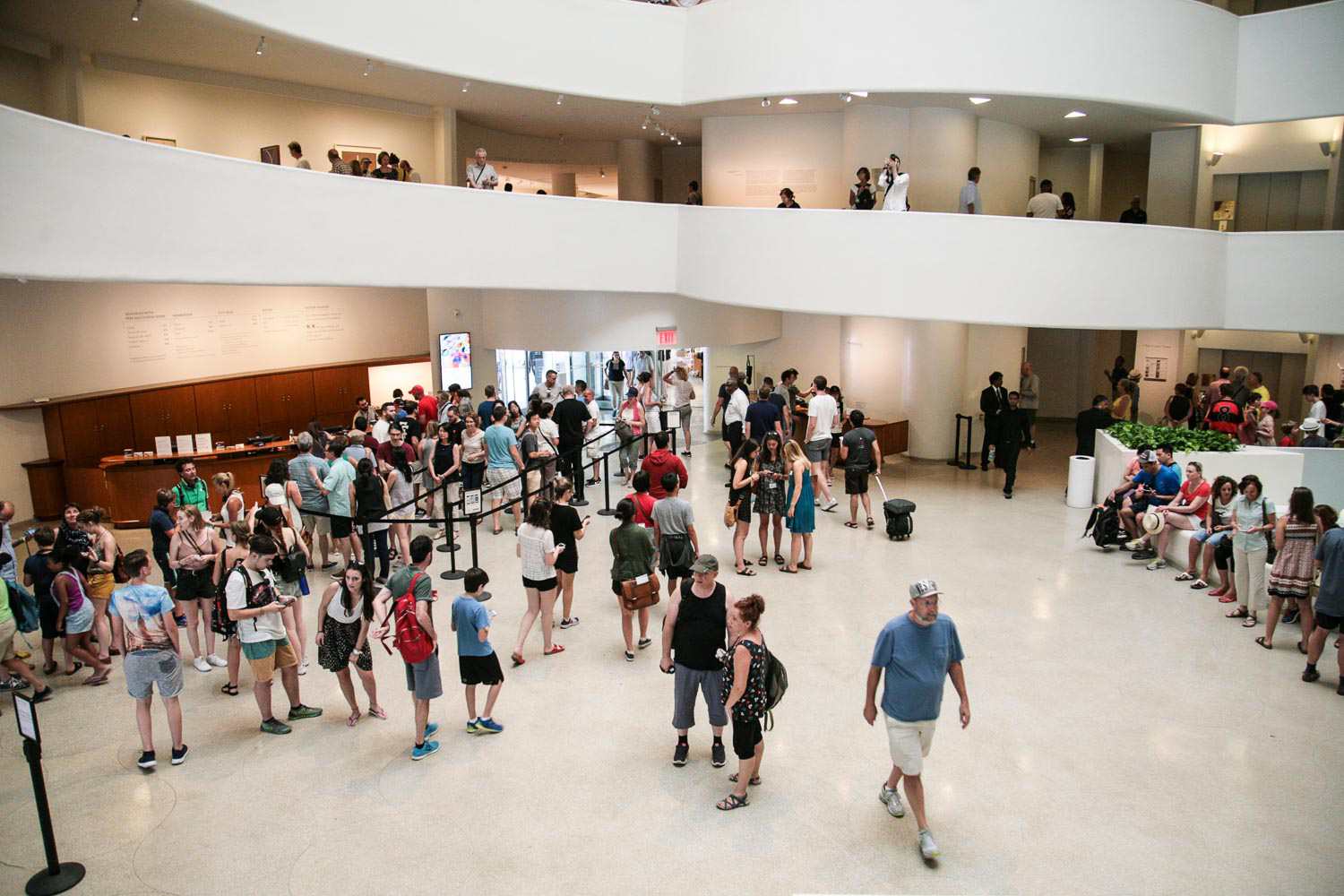
Even when the overall place is busy, crowding is rarely evenly distributed. Most people cluster in the same zones at the same times. Use that to your advantage.
Common pinch points
- Front entrance area: It often stays clogged early on. If you can, head deeper before stopping.
- The first big attraction you see: Everyone piles in. Save it for later unless it is your must-do.
- Parade routes and central plazas: Treat them like temporary road closures. Move to a side area or indoor venue.
- Gift shops right after a show: Wait 10 minutes, then browse with breathing room.
Quiet-time targets
- Indoor exhibits: Great during peak sun and peak outdoor congestion.
- Alternate entrances: Many large venues have more than one gate or security checkpoint.
- Upper floors: Museums and multi-level aquariums often thin out as you go higher, but not always during school group surges.
- Far corners: Zoos and gardens reward guests who walk past the first stops and keep going.
Tips by attraction type
Theme parks
- Best low-crowd windows: The first 1 to 2 hours after opening, and the final 60 to 90 minutes before close (unless a nighttime show or after-hours event changes the pattern).
- Midday plan: Use shows, indoor rides, slower dark rides, and a longer meal to dodge peak outdoor congestion.
- Extra trick: Many guests watch fireworks or nighttime spectaculars. If you do not care, ride during showtime.
Zoos and botanical gardens
- Best low-crowd windows: The first hour after opening and the last 1 to 2 hours before close.
- Heat factor: Animals are often more active in cooler morning or later afternoon hours, but it varies by species and habitat.
- Path planning: Walk to the far side first, then loop back toward the entrance as crowds spread out.
Museums and science centers
- Best low-crowd windows: The opening hour and the last 60 to 90 minutes.
- School groups: If you spot multiple buses, start with quieter galleries, upper levels, or smaller exhibits first.
- Timed exhibits: Book earlier time slots when possible. Late morning and early afternoon slots are often the most congested.
Aquariums
- Best low-crowd windows: Right at opening or later afternoon on weekdays, plus the last entry window on busy days (if your aquarium allows enough time to see what you came for).
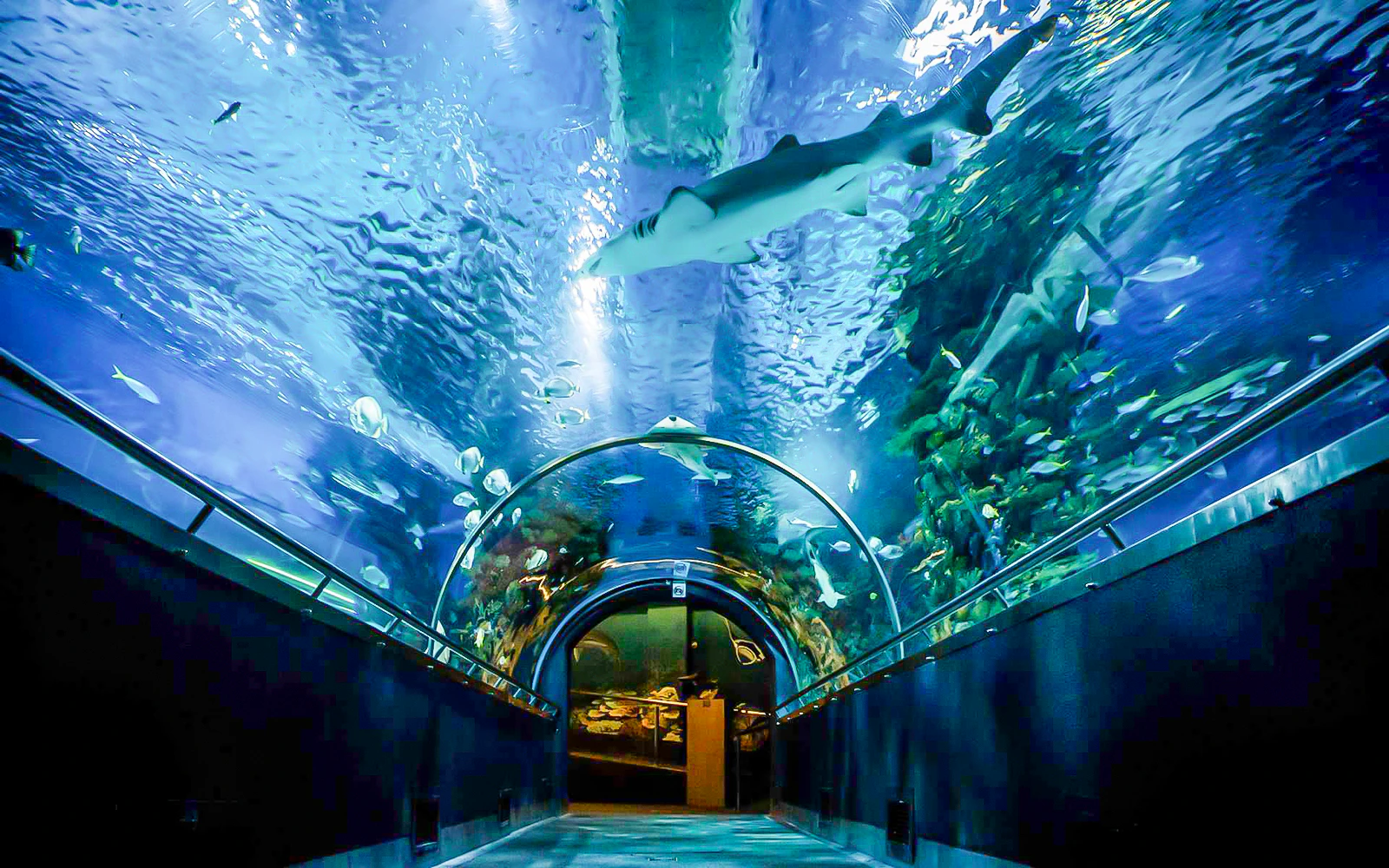
- Bottleneck alert: Tunnels and narrow viewing areas get jammed. Hit them early, then enjoy touch tanks and wider galleries later.
Observation decks
- Best low-crowd windows: First entry slots of the day, or later evening on non-peak nights.
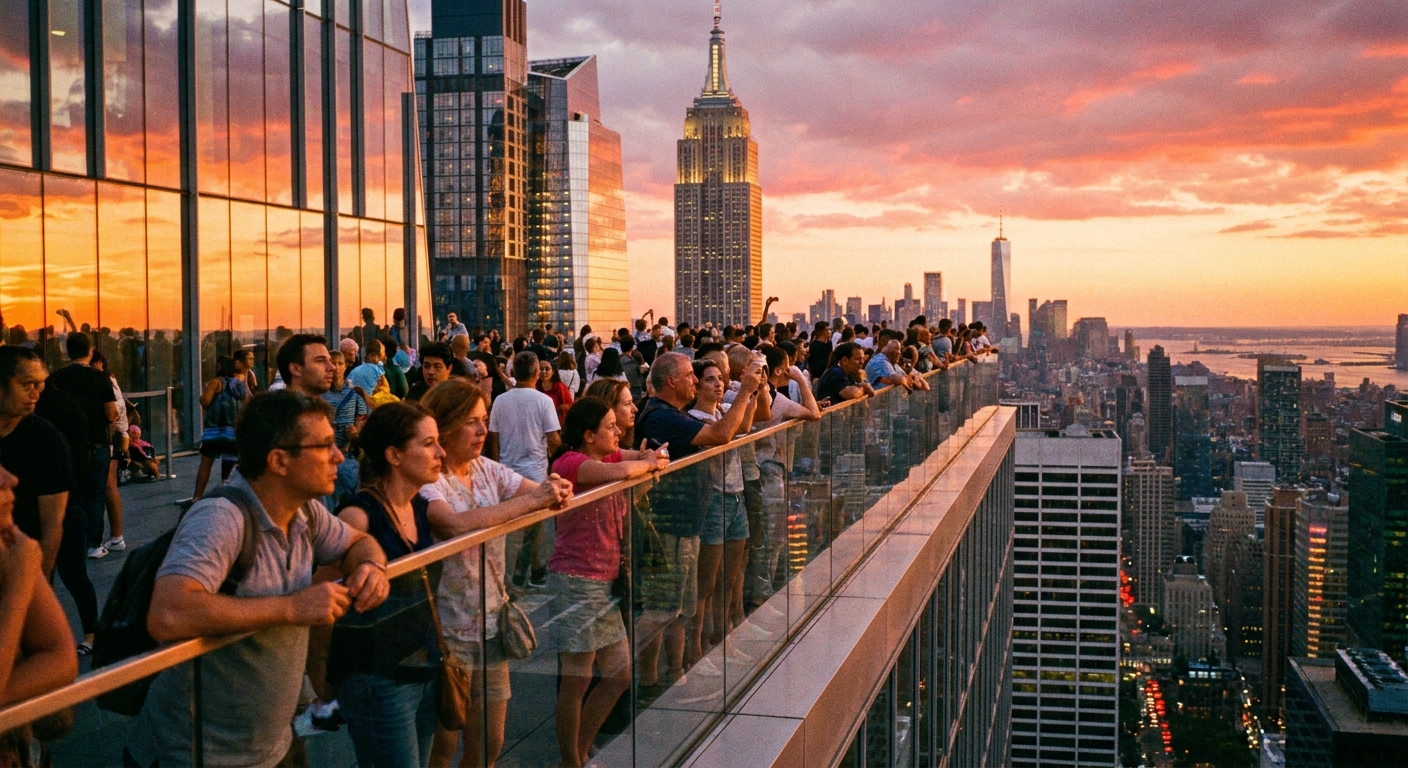
- Sunset is prime time: It is also the busiest. If you want sunset views without the shoulder-to-shoulder feeling, aim for 60 to 90 minutes before sunset or go after dark.
- Timed-entry reality: Your ticket time matters more than general rules, so build your day around it.
Small details, big payoff
Anchor the day around timed reservations
If you have a fixed entry time for a popular exhibit, animal feeding, guided tour, VR experience, or dining reservation, treat it like the backbone of your schedule. Plan your low-crowd priorities on either side of it, and avoid long standby lines right before you have to be somewhere at a specific time.
Buy and preload what you can
If the attraction offers mobile tickets, pre-purchased parking, or digital waivers, handle it the night before. Every minute you save at the front end is a minute you are ahead of the surge.
Check hours, last entry, and special events
Extended hours can create a calmer evening. Early closures compress crowds into a smaller window. Special events can spike attendance at very specific times, even if the day looks normal otherwise. Also confirm last entry times for exhibits, rides, and observation decks, since some areas close earlier than the venue itself.
Weather changes the pattern
Heat, rain, and extreme cold push people indoors at the same time. On those days, outdoor paths might feel calmer at midday while indoor exhibits get packed. Adjust by doing outdoor loops during the indoor surge, then going inside when the weather crowd thins.
Transit and ride-share have different bottlenecks
If you are taking public transit or a ride-share, your line might be security or elevators instead of parking. Aim for that same goal: be at the checkpoint early, not just near the venue.
Plan pause points
When crowds get thick, the day feels harder because you cannot find a comfortable place to reset. I like to identify two or three spots in advance:
- A quieter cafe or less popular snack stand with seating
- An indoor exhibit hall with benches
- A shaded garden area or back pathway
Accessibility note
If mobility needs make a brisk power-walk unrealistic, you can still use the same logic. Choose a calmer base area early, knock out one priority at a time, and build in extra buffer so you are not forced into the busiest routes at the busiest times.
Best times cheat sheet
- Best overall: The first 60 to 90 minutes after opening
- Second-best overall: The final 60 to 120 minutes before close (check for events and early exhibit closures)
- Often the worst for crowds: Late morning through mid-afternoon, especially 11:30 a.m. to 3:00 p.m.
- Best lunch timing: Around 11:00 a.m. or 2:00 to 3:30 p.m.
- Best peak-day plan: Early priorities + midday indoor reset + late-day wandering
FAQ
Is it better to arrive early or late?
If you want the most popular experiences with the least stress, early usually wins. If mornings are tough or you prefer a slower start, arriving later and staying later can be just as effective, especially when the attraction has longer hours and your must-do areas run until close.
What if I can only visit on a Saturday?
Keep your plan the same, but change your timing. Get inside early, knock out your top priorities first, then intentionally schedule a midday slow block like a show, long meal, indoor exhibits, or a rest. Finish with your shopping and photo stops closer to closing time.
Do meal times really affect lines?
Yes. Food lines, restrooms, and main walkways often surge at the same time. Eating a little early or late can save meaningful time and make everything around you feel less packed.
How do I avoid traffic at closing?
If leaving with the crowd sounds miserable, either leave 20 to 30 minutes before close or linger after with a final snack, a last shop, or a few photos in a quieter area. Just check venue policies first, since some parking lots clear promptly and some shops close right at posted closing time.