Summer at an outdoor theme park is a special kind of joy: sunscreen-scented air, churros before noon, and that first big drop that makes you forget your inbox exists. It is also a special kind of hot. Like, “why is the pavement hugging my ankles” hot.
I grew up doing Orlando summers the hard way (rookie mistakes included), and I’ve planned enough large outdoor events to know this: heat survival is mostly about systems. You need a plan for water, shade, food, and timing, or the day will plan you right into a headache at 2 pm.
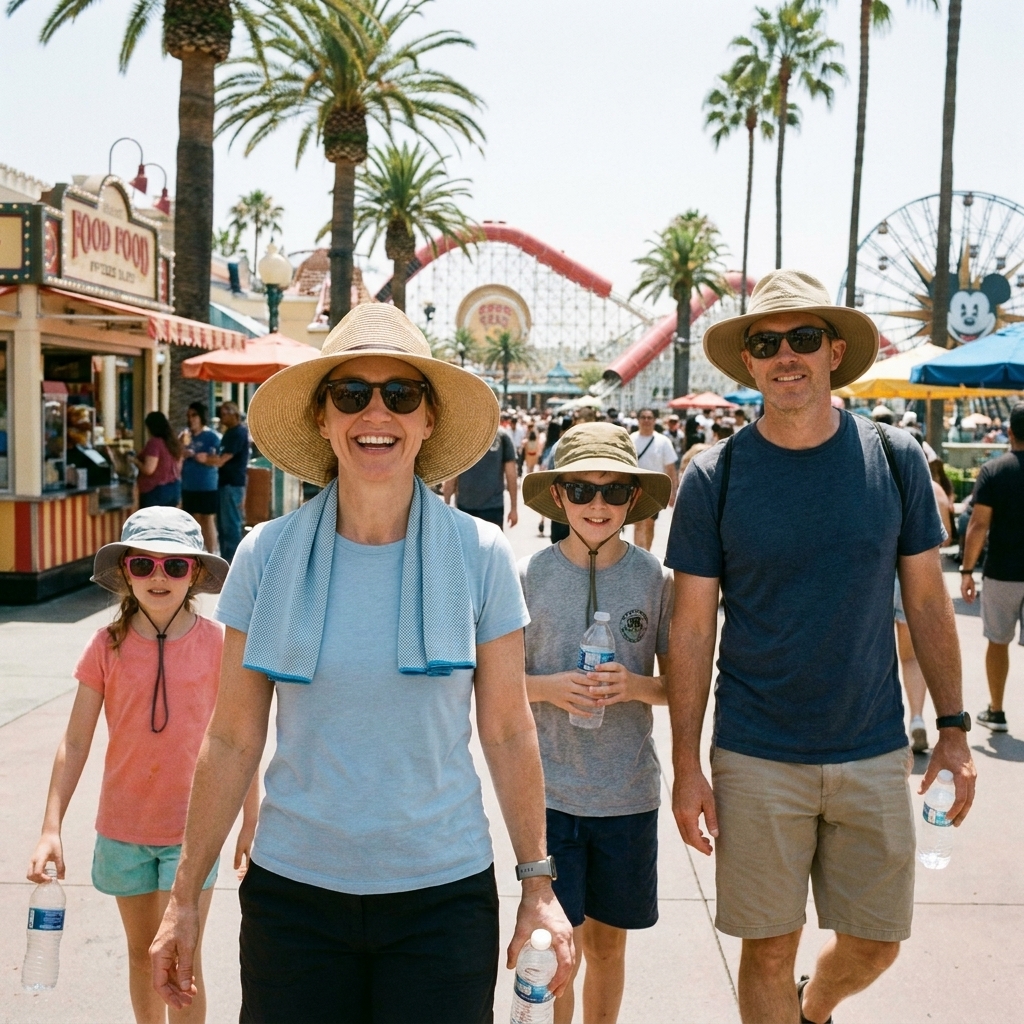
Here’s my practical, real-world strategy for staying cool, hydrated, and energized during a peak-summer park day, whether you are wrangling kids, going full coaster marathon, or just trying to make it to fireworks without melting.
Before you go: set yourself up to win
Start hydrating the day before
If you show up already dehydrated, you will spend the whole day playing catch-up. The easiest move is to drink water steadily the day before and the morning of. Aim for pale yellow urine, and add electrolytes if you know you sweat a lot, you have a long outdoor day ahead, or you are in a true heat wave.
Dress like the sun is your boss
- Lightweight, breathable fabrics (athletic blends, linen, or moisture-wicking options) often feel better than heavy cotton, especially if you sweat a lot.
- Light colors help with heat absorption.
- A wide-brim hat or cap with a neck flap is not “extra” in July. It is survival.
- UV-blocking sunglasses reduce eye strain and the end-of-day “fried” feeling.
- Comfortable shoes with moisture-wicking socks. Blisters are worse in heat.
Pack the small things that save the day
My theme-park heat kit is boring in the best way. It prevents the mid-afternoon crash and the emergency gift-shop purchases.
- Refillable water bottle (insulated if you have one)
- Electrolyte packets (1 to 2 for the day)
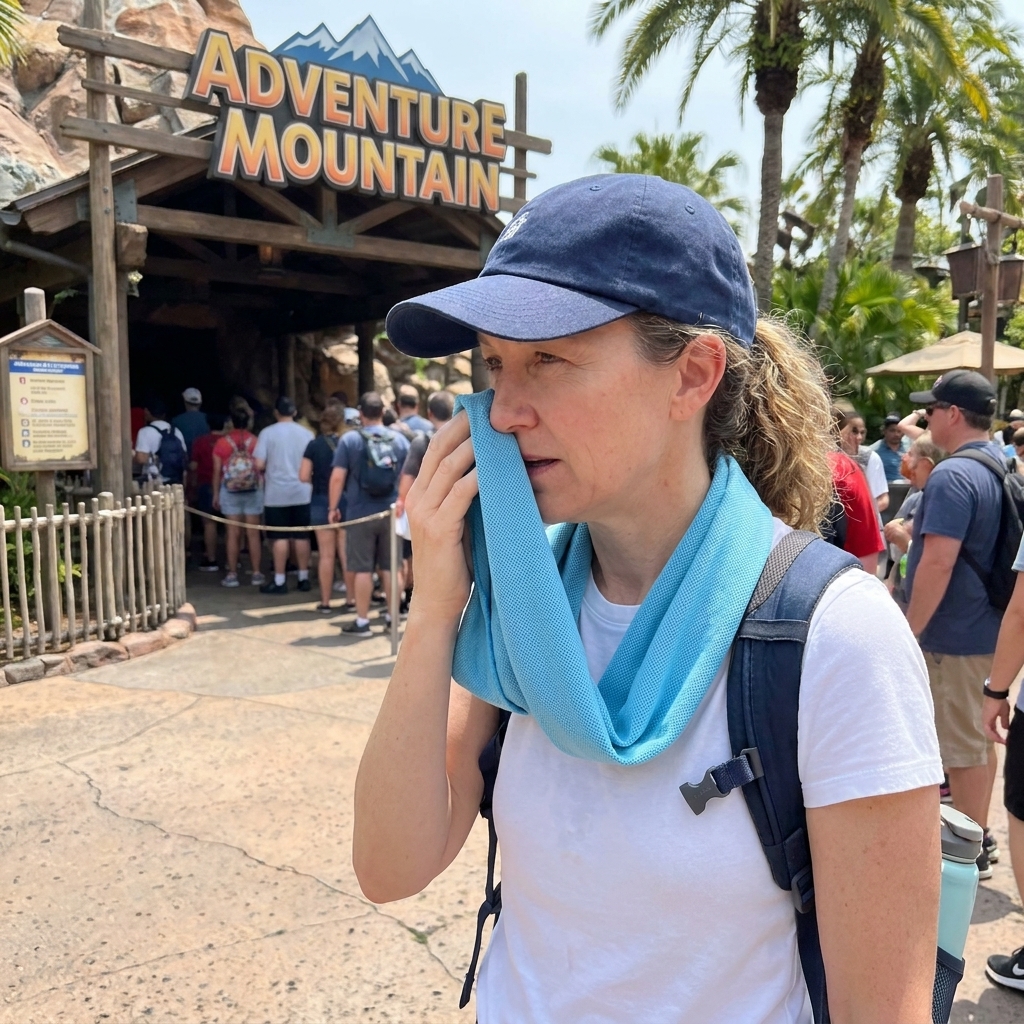
- Cooling towel (the MVP)
- Mini sunscreen for reapplication, plus lip balm with SPF
- Portable fan (optional, but clutch in long queues)
- Blister care (moleskin or blister bandages)
- Salty snack (pretzels, nuts, crackers) for balance
- Plastic bag for wet items after water rides
Quick admin that pays off: check the park’s rules on outside food and drinks, bottle size, ice, and refill policies. Then use the official app to pin First Aid and the closest refill stations before you even hit the turnstiles.
Master the timing: ride smarter, not hotter
Use the “early, late, and shade” schedule
The sun usually hits hardest from late morning through late afternoon. Your goal is to front-load the outdoor-heavy stuff, then use the peak heat hours for indoor attractions, shows, long meals, or water time.
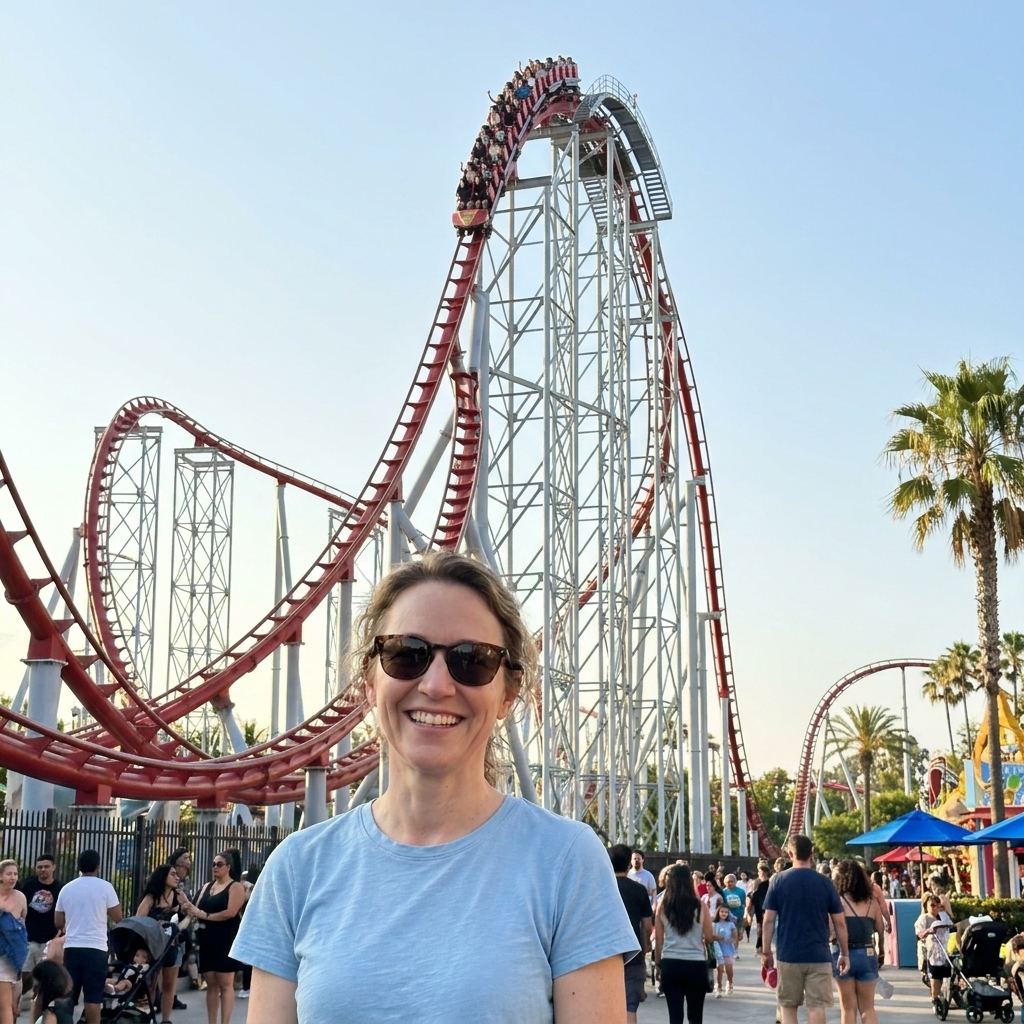
- Rope drop to 11 am: Big outdoor coasters, open-air rides, walk-heavy lands.
- 11 am to 4 pm: Indoor rides, theaters, aquarium exhibits, dark rides, sit-down lunch, shaded trails, or water park time.
- 4 pm to close: Outdoor rides again as temperatures ease and crowds shift.
Plan your route to cut sun miles
Parks are huge. Heat makes every extra lap feel personal. Before you enter, group nearby attractions and knock out a land at a time.
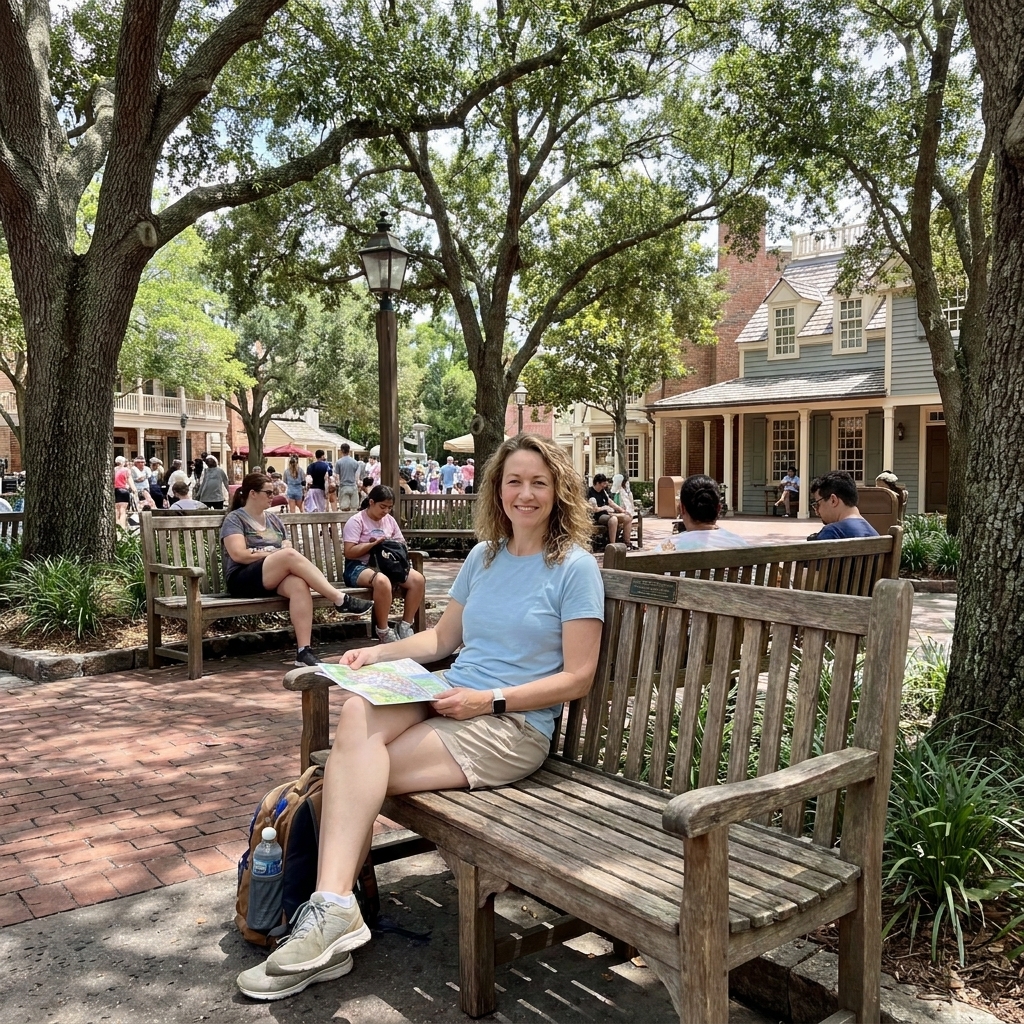
Also: park maps are basically a shade scavenger hunt. Look for tree-lined paths, covered arcades, and buildings that let you cut through indoors. When you spot a shaded side of the walkway, take it, even if it is not the “main” path.
Schedule cool-down breaks
I treat shade and air-conditioning like a reservation. Every 60 to 90 minutes, plan 10 minutes in shade or AC. Your future self will still have energy for the evening parade, and your kids will be less likely to go full gremlin in line.
Hydration rules that work
Drink on a timer
Thirst can be a late signal in extreme heat, especially when you are distracted and moving. Take small sips often, especially while walking. A simple rhythm: water every time you leave an attraction or queue.
If you want a concrete benchmark, try this: aim to finish about 16 to 24 oz (500 to 700 ml) by lunch, then keep that steady pace through the afternoon. Needs vary with size, sweat rate, and humidity, so treat it like a guide, not a rule.
Use electrolytes strategically
If you are sweating a lot, drinking only water can leave you feeling washed out and headachy. Add electrolytes once midday and again mid-afternoon, or after a long stretch in direct sun. Bonus: it can help prevent cramping.
Know what makes the day harder
Alcohol and super-sugary drinks can make heat feel worse for a lot of people. Caffeine is more nuanced. Moderate caffeine usually is not a dehydration disaster, but it can increase bathroom breaks, jitters, and that overheated feeling when you are already on the edge.
My personal rule is one fun drink, one full bottle of water.
Find refill points fast
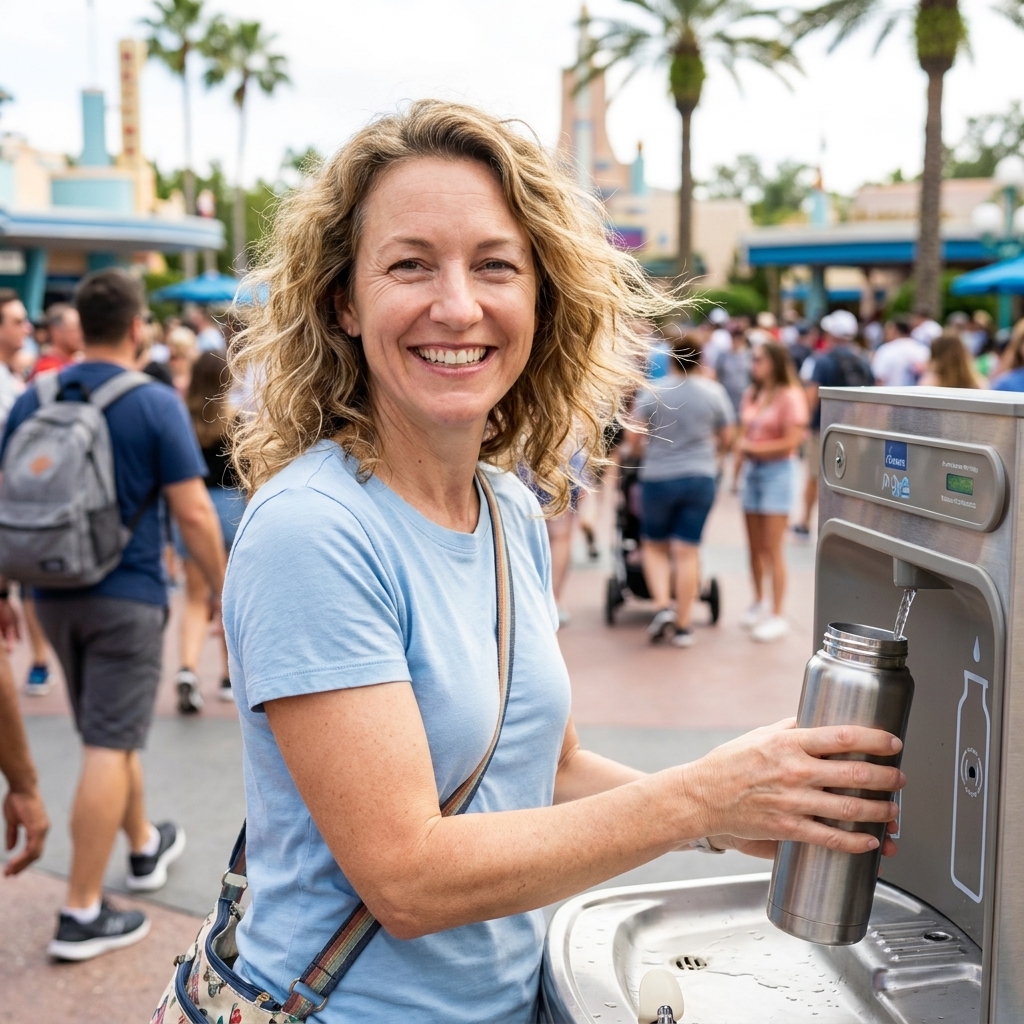
Most major parks have bottle-fill stations, water fountains, and quick-service spots that will give ice water. If your park allows it, bring a collapsible bottle for easy bag storage. If you are traveling with kids, designate one adult as the “water captain” whose job is simply to keep refills happening.
Cooling tactics on the move
Use evaporative cooling
Cooling towels work because evaporation pulls heat from your skin. Re-wet it whenever you pass a restroom or refill area. Put it on your neck, wrists, or the back of your knees during peak heat.
Create your own shade
Shade is not always where you want it. A hat plus sunglasses gives you instant relief anywhere. For stroller families, add a breathable sunshade and a clip-on fan, and stop regularly to let little ones cool down in air-conditioning.
Build a list of cool zones
My favorite heat-wave hack is building a list of indoor stops that are enjoyable, not just survivable.
- Indoor shows and theaters (the longest air-conditioning for the least effort)
- Large gift shops (quick reset, bonus: cold bottled drinks)
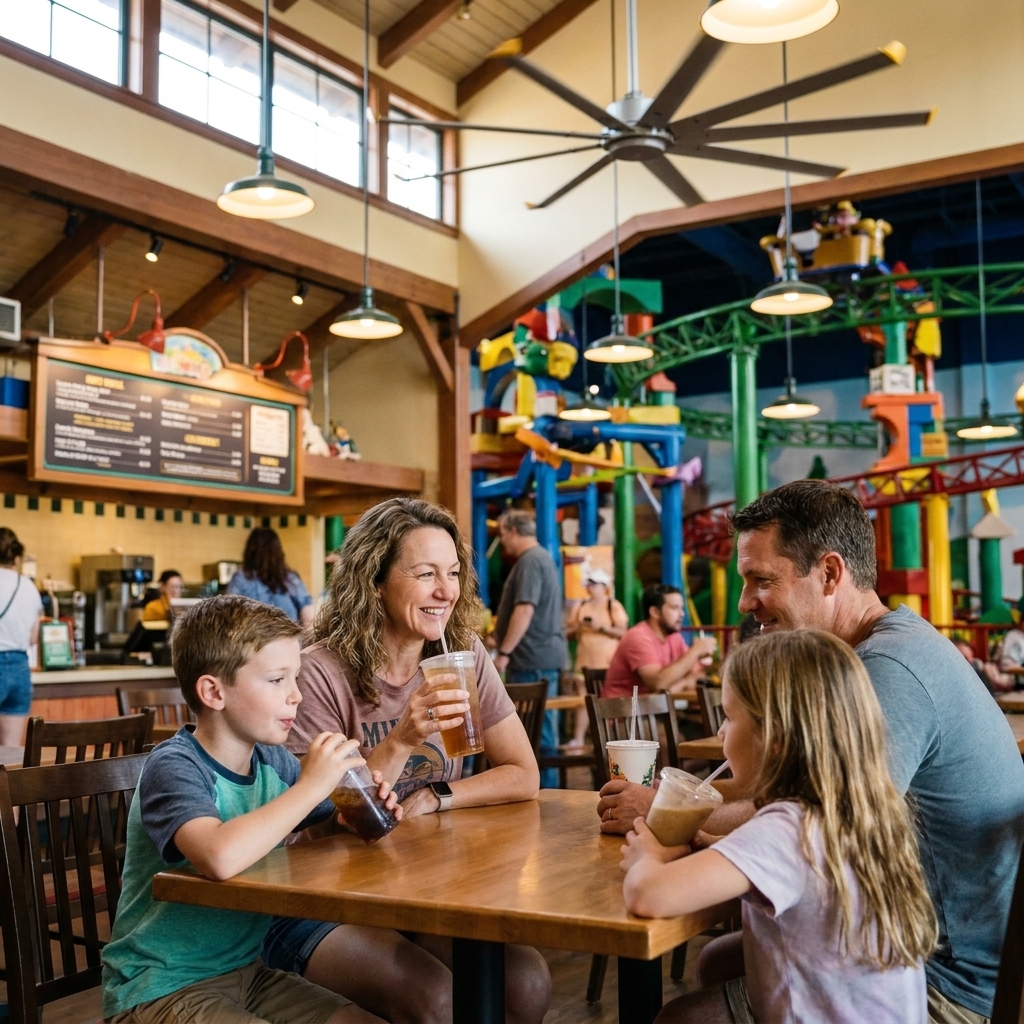
- Indoor kid play areas (if they are air-conditioned, they are gold)
- Hotel lobbies on property (often calmer and cooler)
- Indoor queues for a mid-day ride that does not roast you
Food strategy: fuel without the brick feeling
Eat earlier and lighter at midday
Heat + a massive burger + standing in a sunny queue is a recipe for regret. I like a bigger breakfast, a lighter lunch, and a more satisfying dinner once the sun starts dropping.
Balance salt, protein, and fruit
In high heat, your body needs a mix. Look for:
- Salty snacks (pretzels, popcorn, fries in moderation)
- Protein (chicken, turkey, beans, yogurt)
- Water-rich fruit (watermelon, oranges, pineapple)
Use meals as recovery
Choose one meal in an air-conditioned or shaded spot and make it your “cool-down anchor.” Sit, reapply sunscreen, and reset your plan for the afternoon.
Water parks and splash zones
Water does not replace hydration
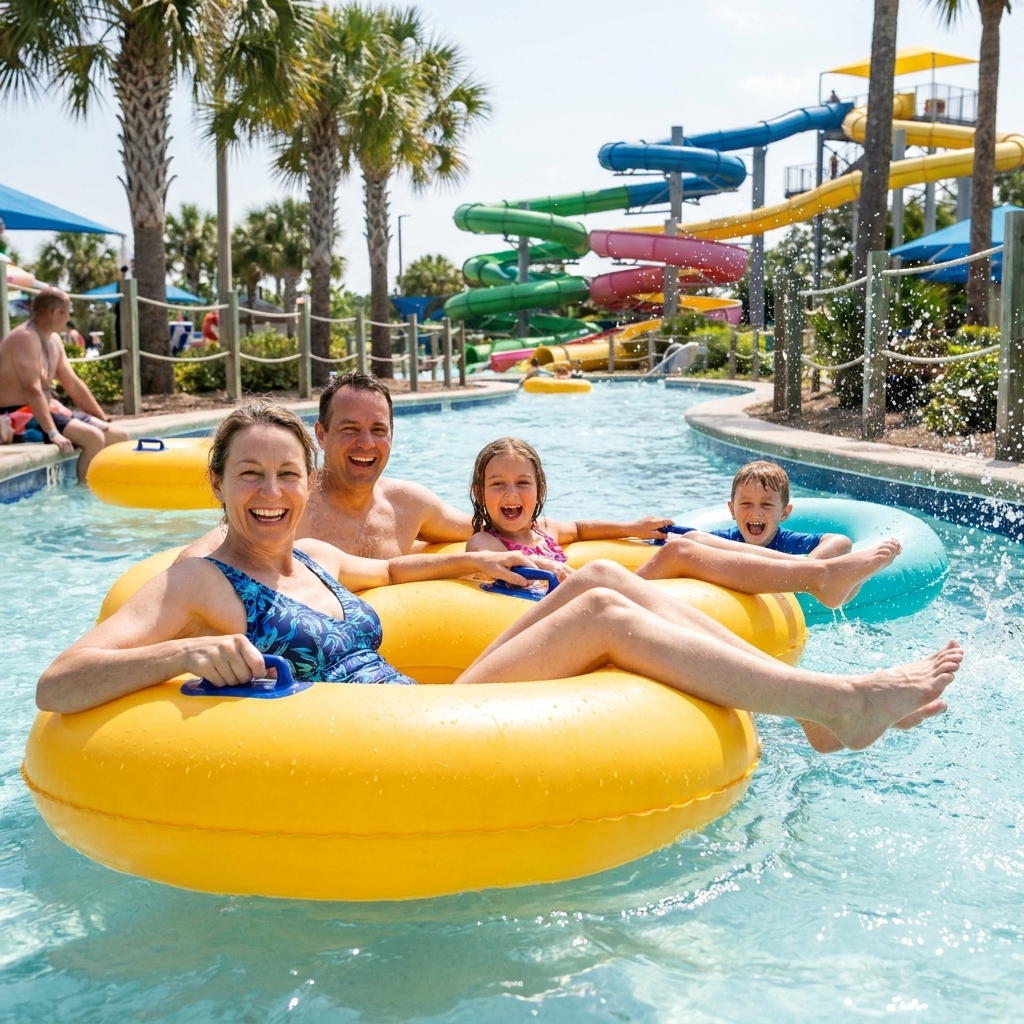
It is easy to forget to drink when you are soaked and happy. Keep water accessible and stick to your electrolyte plan. Sun exposure can still be intense in wave pools and lazy rivers.
Protect your feet
Hot pavement and wet surfaces are a brutal combo. Water shoes with a secure strap can save you from burns and slips, especially if you bounce between dry park and water park areas.
Reapply sunscreen, for real
In water settings, sunscreen needs extra attention. Reapply at least every two hours, and after swimming, sweating, or heavy toweling. If possible, use a water-resistant sunscreen (often labeled 40 or 80 minutes) and still reapply on schedule.
Heat illness: what to watch for
This is the part I wish everyone took seriously, because pushing through is not worth it. Know the difference between “I am hot” and “my body is not coping.”
Extra caution: certain health conditions and medications can raise heat risk (for example, some heart or blood pressure meds, diuretics, antihistamines, stimulants, and some antidepressants). If that is you, build in more breaks and talk to a clinician if you are unsure.
Warning signs
- Heat exhaustion: heavy sweating, dizziness, nausea, headache, muscle cramps, weakness, clammy skin
- Heat stroke (medical emergency): confusion, fainting, very high body temperature, severe headache, rapid pulse. Skin may be hot and dry or the person may still be sweating, especially with exertional heat stroke.
What to do now
- Get to shade or air-conditioning right away.
- Drink cool water and consider electrolytes.
- Use cool compresses on neck, armpits, and groin, or soak a towel.
- Loosen clothing, sit or lie down, and elevate feet slightly.
- If symptoms are severe, include confusion or fainting, or are not improving quickly, go to First Aid immediately.
- If you suspect heat stroke, call emergency services (911 in the US). Do not wait it out.
Planner tip: pick a meetup spot near First Aid when you arrive. If someone in your group starts feeling bad, you will not waste time figuring out where to go.
Queue and ride tricks
Choose shaded lines
If your park has multiple entrances, express options, or single-rider lines, pick the one that keeps you out of direct sun. Even a few minutes of shade can make the wait feel dramatically shorter.
Cover sneaky sun zones
Sun hits hardest on shoulders, scalp parts, ears, and the tops of feet. Hit those spots every sunscreen round. If you wear a hat, do not forget the back of your neck.
Use indoor rides as resets
Not every attraction has to be a thrill. In the heat, indoor rides, boat rides, and long dark rides are a strategic reset that keeps your group happy enough to keep going.
Family, couple, and solo tips
With kids
- Freeze a small water bottle overnight and use it as a cold pack in the morning.
- Build a “yes list” of cooling treats (ice pops, fruit cups) and use them as rewards for drinking water.
- Schedule a mid-day indoor show as downtime, even for big kids.
As a couple
- Pick one splurge that buys comfort: a sit-down lunch, a reserved seating show, or a shaded cabana.
- Trade off who holds the “cooling kit” so one person is not stuck hauling everything all day.
Solo
- Single-rider lines can reduce time standing in heat.
- Set phone reminders for water, sunscreen, and a sit-down break.
- Do not be shy about popping into an indoor attraction just to cool down. You are the boss of your itinerary.
Quick checklist: heat-wave park plan
- Hydrate the day before and morning of
- Wear breathable clothes, hat, sunglasses
- Bring bottle, electrolytes, cooling towel, sunscreen
- Ride outdoor thrills early and late
- Plan shade or AC breaks every 60 to 90 minutes
- Drink steadily (about 16 to 24 oz by lunch as a rough guide)
- Light lunch, salty snack, fruit, and steady water
- Reapply sunscreen every 2 hours, and after swimming or sweating
- Know heat illness signs and use First Aid fast
If you want one last insider promise from a former event planner: comfort is not cheating. The cooler you stay, the longer you last, and the more magic you squeeze out of the day. Now go get that coaster lap in before the sun starts flexing.