Zoo days are pure magic... right up until someone is hot, hungry, and emotionally attached to the idea of seeing the giraffes right now. After years of planning large-group outings (and plenty of my own theme-park style endurance days), I’ve learned this: the smoothest zoo trips are not about doing everything. They’re about pacing, predictable resets, and a few “parent win” tricks that keep kids feeling in control.
Here’s my go-to, step-by-step plan for a zoo day with kids that stays fun longer, with built-in flexibility for crowds, weather, and the inevitable surprise tantrum.
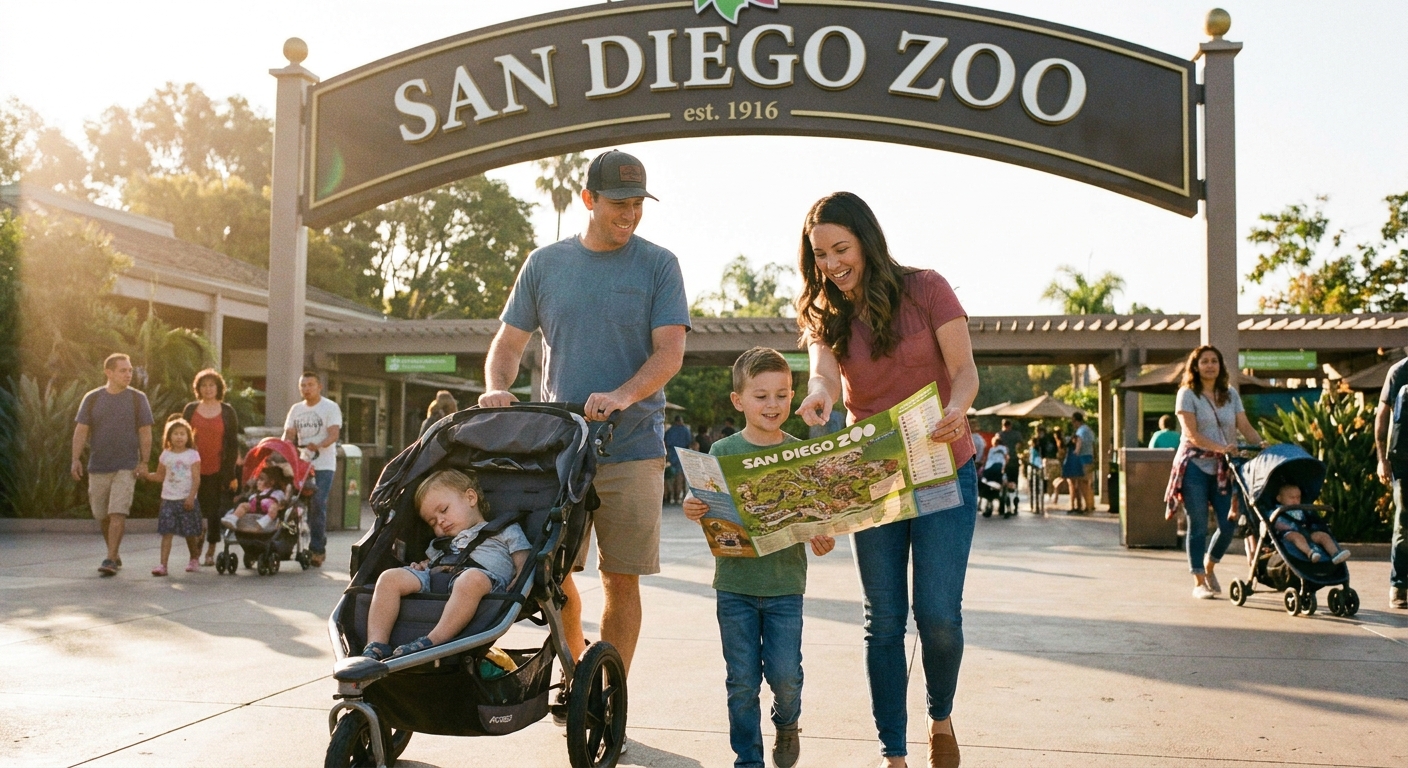
Before you go: 15-minute setup
1) Pick a goal, not a checklist
Instead of “see every exhibit,” choose a simple goal that fits your crew’s ages and energy:
- Toddlers: 2 big animals + 1 hands-on area + 1 playground.
- Preschool and early elementary: 3 animal zones + 1 show/keeper talk + 1 treat stop.
- Mixed ages: Let each kid pick one “must-see” animal. That’s your anchor.
When the day gets wobbly, you can say, “We already did your must-see. Everything else is bonus.” It works like a charm.
2) Check tickets and the schedule once
Before you leave the house, do a quick scan of:
- Tickets: online pricing, timed-entry reservations (if required), and whether parking is separate.
- Membership: member lines, guest passes, and any blackout dates.
- Schedule: animal feedings, keeper chats, shows, splash pads, and construction notices.
Then pick one scheduled thing to build around, max two. Over-scheduling is a fast track to power struggles.
3) Pre-pack a “meltdown buffer kit”
- Two snacks per kid (one filling, one fun)
- Refillable water bottles
- Wet wipes and hand sanitizer
- Sunscreen and hats
- A lightweight layer (zoos can be windy in shaded areas or indoor exhibits)
- Bandages and blister stickers
- A tiny “surprise” (stickers, small animal figurine, mini bubbles) for emergency morale
4) Quick safety setup
- Outfit photo: Snap a quick picture of each kid at the entrance. If you ever need help locating them, you have what they are wearing that day.
- Phone number: Write your cell number on a wristband, temporary tattoo, or inside their shoe (whatever your kid will tolerate).
- Meeting point: For older kids, pick one obvious landmark: “If we get separated, we meet at the big fountain by the entrance.”
Arrival timing: go earlier
The sweet spot
If you can swing it, arrive 15 to 30 minutes before opening. You beat the parking bottleneck, start before the sun gets intense, and you often catch many animals when they’re more alert (though it varies by species and habitat).
If mornings are chaos at your house, the next-best option is a late-start, half-day plan: arrive after lunch and aim for shaded or indoor exhibits plus one “high excitement” area.
Parking and entry hacks
- Bathroom first: Make it non-negotiable. Everyone tries. Even if they “don’t have to.”
- Photo of the map: Snap a quick photo at the entrance so you can zoom in later without stopping.
- Re-entry stamp check: If re-entry is allowed and your zoo uses hand stamps or wristbands, take a quick picture of the stamp and keep your receipt. Some places are strict about same-day rules.
Stroller strategy: your best friend
Zoos are sneaky-long walks. Even kids who never use a stroller at home can hit a wall fast on zoo terrain.
What to bring
- One sturdy stroller for toddlers and preschoolers, ideally with a shade canopy.
- A travel stroller if you want lighter weight for crowded paths.
- For bigger kids: Consider a stroller if you’re doing a full-day visit, have napper-aged siblings, or your zoo is hilly.
How to use it without fights
- Stroller is the “recharge station”: Not a punishment. When someone melts down, you’re not “making them ride,” you’re “helping their body reset.”
- Snacks live in the stroller: Keep them out of sight until needed. Visible snacks become constant negotiations.
- Parking plan: For walk-through aviaries, children’s farms, and indoor exhibits, bring phone, wallet, and keys. Leave the stroller in designated stroller parking.
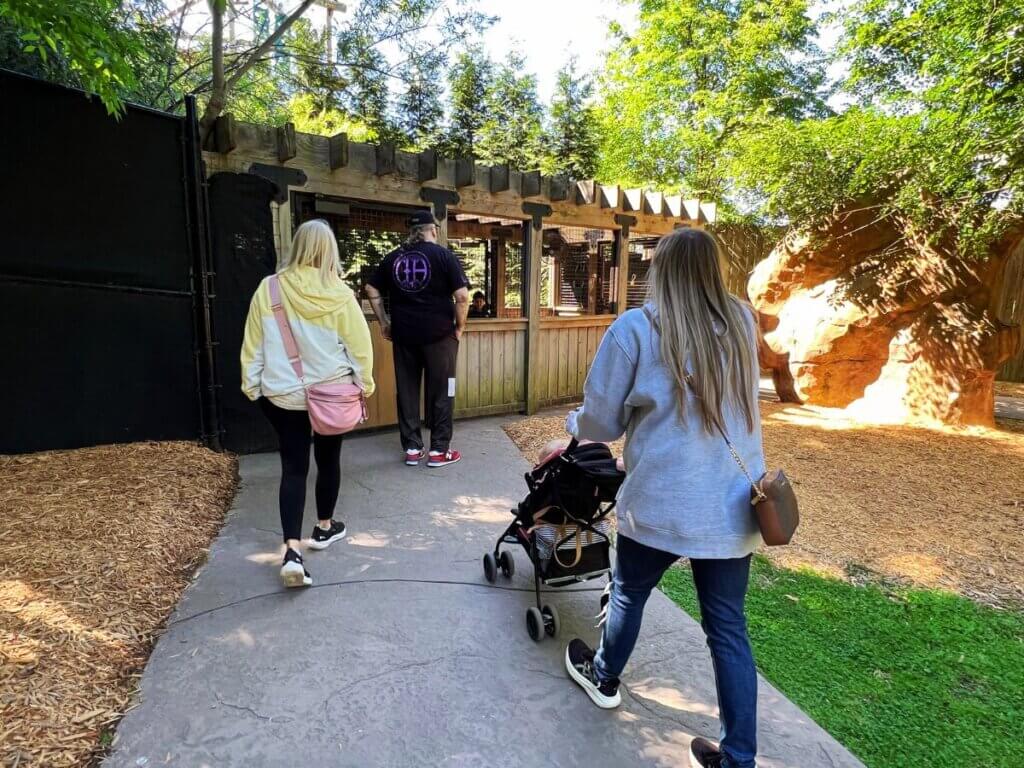
Snack planning: feed early
The easiest way to prevent meltdowns is to schedule snacks like you schedule exhibits. Kids rarely say “I’m getting dysregulated,” but they will show you in seconds.
My simple fueling rhythm
- Upon arrival: Water first, then a small snack if breakfast was rushed.
- Every 60 to 90 minutes: Snack break, even if it’s quick.
- Lunch earlier than normal: Aim for 11:00 to 11:30 a.m. if you arrived at opening. That’s before peak lines.
What to pack
- Filling: protein bars, string cheese, crackers, hard-boiled eggs, mini sandwiches.
- Cooling: grapes (halved for young kids), apple slices, cucumber sticks, fruit pouches.
- Fun: a single small treat for the afternoon slump (a few gummy bears, a lollipop, a cookie). One treat, not a grazing buffet.
Quick note: Skip nuts or peanut products if anyone in your group has allergies, and always choose age-appropriate snacks (trail mix and whole grapes can be choking hazards for little ones).
What to buy on-site (strategically)
I’m a foodie and I love a good zoo soft pretzel, but I treat zoo concessions like a tool. Save your on-site purchase for one of these moments:
- Bribery, but make it wholesome: “After we wash hands, we can share popcorn.”
- Heat rescue: cold drink, ice cream, or smoothie during the hottest part of the day.
- Time saver: when you need 15 quiet minutes to regroup.
Rest breaks: build in yes
Kids do best when they get periodic control. That doesn’t mean the whole day is kid-led. It means you plan tiny, predictable wins.
My favorite low-effort breaks
- Playground first or last: First if you arrived early and need wiggles out. Last if you want it as a reward.
- Shaded bench reset: 5 minutes, water, snack, and “tell me your favorite animal so far.”
- Indoor cool-down: reptiles, aquarium buildings, nocturnal houses, or education centers are perfect nervous-system resets.
- Souvenir timing: If you’re buying one, do it at the end. If the gift shop is near the entrance, set expectations up front.
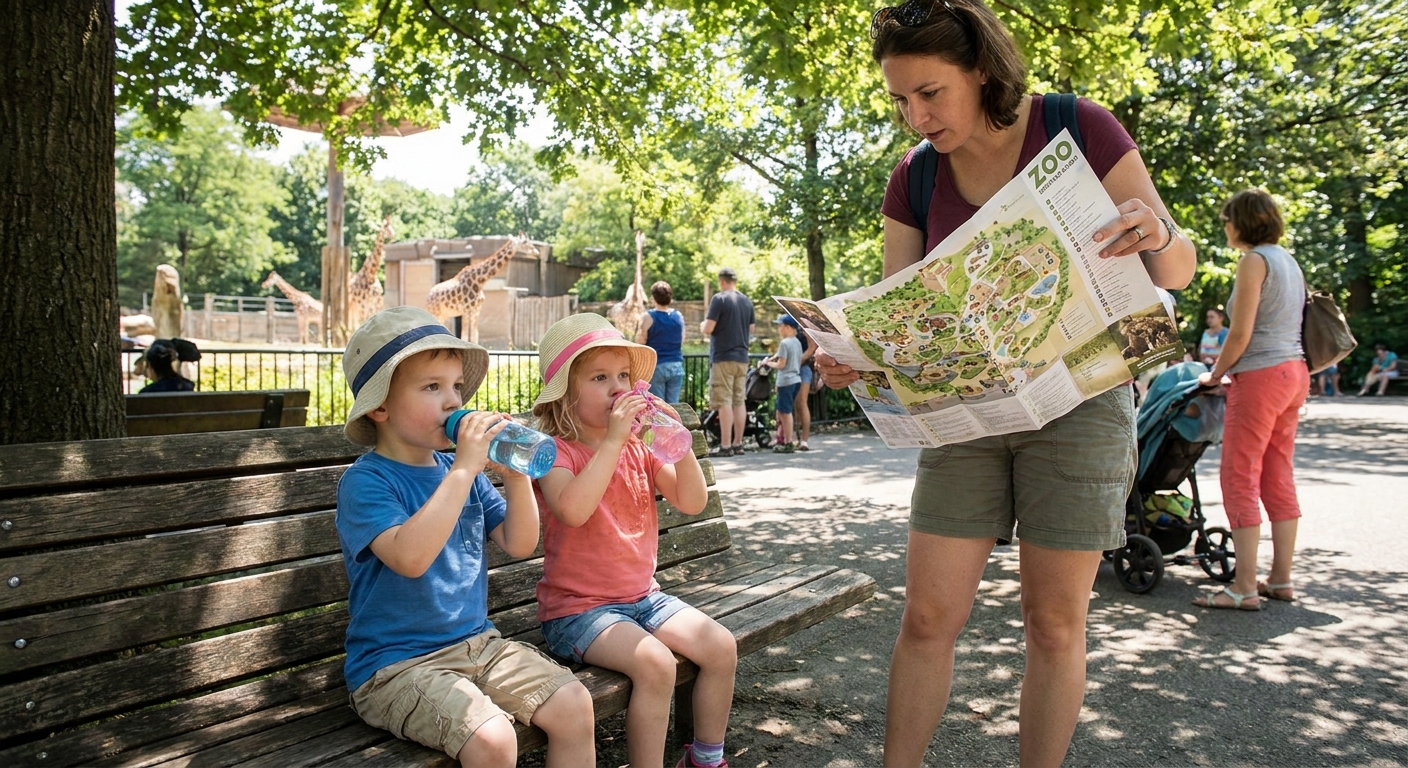
The two-minute warning
Transitions are meltdown magnets. Give a heads-up: “Two more minutes watching the otters, then we’re walking to the lions.” Then count down: “One more minute.” It sounds simple, but it prevents the feeling of being yanked away mid-joy.
Route planning: walk smart
Start with must-sees
If your kid’s top animal is across the zoo, go there early before little legs and patience run out. You can enjoy the slower, closer exhibits later.
Avoid the ping-pong path
Constant backtracking is what makes a zoo day feel exhausting. Aim for a loop or a one-direction route. If the zoo has a train or shuttle, plan to use it as your mid-day reset rather than an “extra.”
Pick 3 zones for a full day
Many zoos naturally break into areas like Africa, Tropics, Primate Trail, or North America. Three zones plus a kids area is usually the maximum before everyone hits overload.
Respectful animal viewing
One quick family reminder that helps the whole day go better: quiet voices, gentle hands, and no banging on glass. Also, if an animal is resting or out of view, that’s normal. Zoos build in downtime, and your kid did not “miss it” as much as they think they did.
Weather pivots
Hot and sunny
- Do outdoor big-animal loops early.
- Midday, rotate: indoor exhibit → snack → indoor exhibit.
- Use splash pads or misting areas if available. Bring a spare shirt for kids.
Rainy
- Pack ponchos instead of umbrellas if you’re using a stroller.
- Prioritize indoor buildings, covered walkways, and animal houses.
- Embrace short sprints between exhibits, then take longer warm-up breaks inside.
Cold or windy
- Layer up and keep gloves handy for stroller riders.
- Plan more indoor stops and a hot drink break.
- You may notice some animals are more active in cooler weather, depending on species and habitat.
Crowd pivots
Crowds are not just inconvenient. For many kids, they are overstimulating. Your goal is to keep movement smooth and avoid long waits.
When it’s packed
- Flip your day: Skip the first crowded exhibit you see and walk 5 to 10 minutes deeper into the zoo where it’s often quieter.
- Use micro-exhibits: Small habitats, aquariums, and education stations are usually less jammed than headline animals.
- Eat at off times: Early lunch and an earlier afternoon snack reduce line time.
- Pick one high-demand thing: One carousel ride, one feeding, one experience. Everything else is walk-up.
When an exhibit is closed
Pre-empt disappointment with swap language: “The tigers are taking a rest today. Do you want to trade that for the jaguars or the reptiles?” Choices keep kids from feeling like something is being taken away.
Meltdown plan
Even with perfect planning, kids are kids. Here’s what I do when the vibe shifts fast.
Step 1: Pause and lower stimulation
- Move to shade, a quiet corner, or an indoor building.
- Lower your voice. Slow your pace.
- Offer water first.
Step 2: Run the quick checklist
- Hungry? Give the filling snack.
- Hot or cold? Adjust layers, find AC or sun.
- Tired? Stroller reset or a sit-down “animal break.”
- Overstimulated? Indoor exhibit, quiet bench, or a slow lap somewhere calm.
Step 3: Make the next step tiny
Not “We’re going to the elephants across the zoo.” Instead: “We’re going to walk to that fountain and then decide.” Small steps rebuild momentum.
If you end the day 30 minutes earlier than planned to keep it happy, that’s not a failure. That’s elite parenting strategy.
Sample half-day plan (3 to 4 hours)
This is my favorite format for toddlers and preschoolers, or for anyone who wants a low-stress win.
Option A: Morning
- 9:00 a.m.: Arrive, bathrooms, quick look at map.
- 9:15 a.m.: Head straight to one must-see animal (furthest zone first if needed).
- 10:00 a.m.: Snack + water reset in shade.
- 10:15 a.m.: Second animal zone + one indoor exhibit to cool down.
- 11:00 a.m.: Playground or hands-on area (petting zoo, discovery center).
- 11:45 a.m.: Early lunch or packed picnic, then wrap up while energy is still good.
Option B: Afternoon
- 1:00 p.m.: Arrive, bathrooms, water.
- 1:15 p.m.: Indoor exhibit first (reptiles, aquarium building) to settle in.
- 2:00 p.m.: One headline animal area.
- 2:45 p.m.: Cold treat or snack reset.
- 3:15 p.m.: Kids zone or train ride.
- 4:00 p.m.: Gift shop only if promised, then head out.
Sample full-day plan (5.5 to 7.5 hours)
A full day works best when you treat midday like a “soft intermission.” You’re not powering through. You’re cycling energy.
- 9:00 a.m.: Arrive at opening, bathrooms, sunscreen.
- 9:15 a.m.: Must-see animal zone (go far first).
- 10:00 a.m.: Snack + water.
- 10:15 a.m.: Second animal zone.
- 11:00 a.m.: Keeper talk or show (one scheduled activity).
- 11:30 a.m.: Early lunch. Sit down. No “walking lunch” if you can avoid it.
- 12:15 p.m.: Indoor exhibit cool-down or stroller nap loop.
- 1:00 p.m.: Third zone, but keep it shorter than the morning.
- 2:00 p.m.: Treat stop or shaded rest break.
- 2:30 p.m.: Playground or hands-on kids area.
- 3:15 p.m.: Bonus exhibits close to the entrance, then head out before the end-of-day crash.
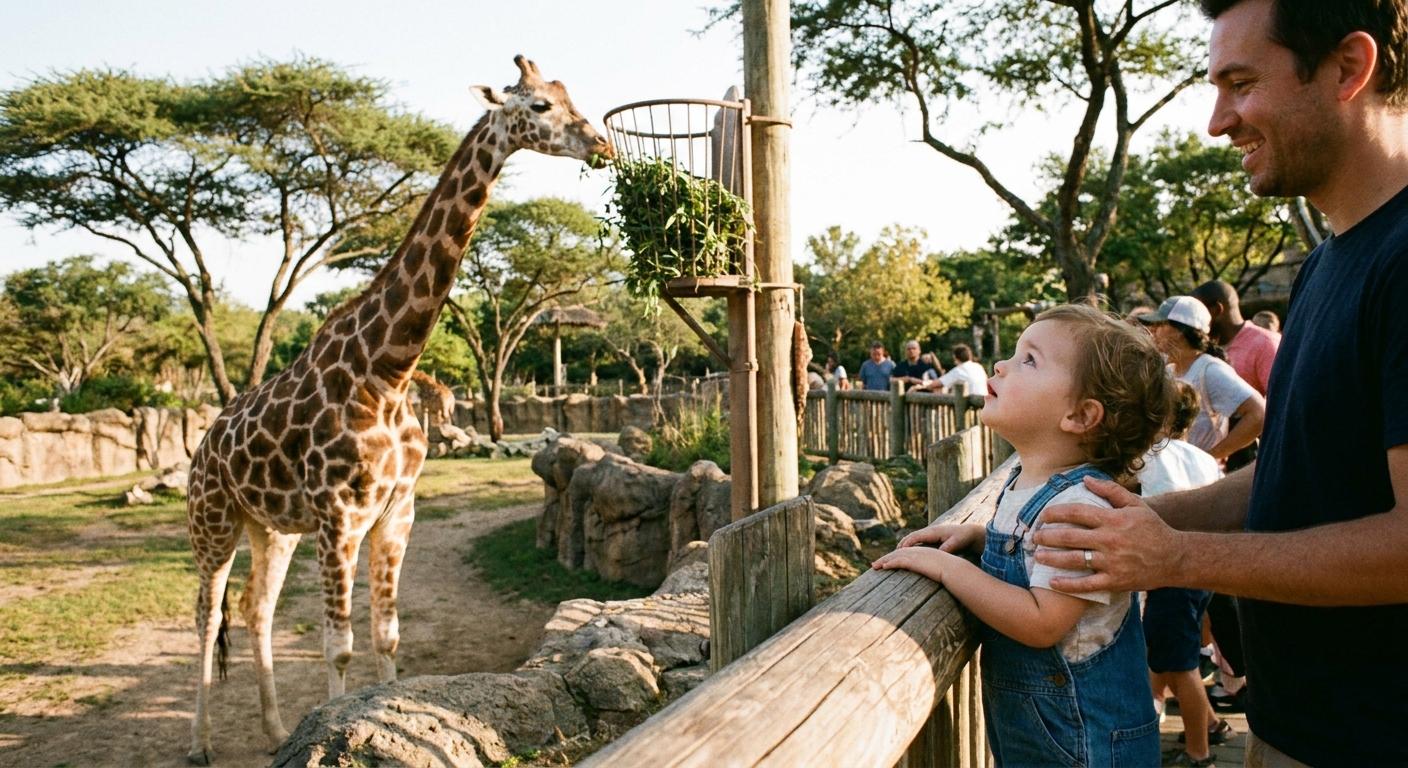
Little tips that help
- Set a simple rule: “We stop when we need water.” It prevents the push-and-crash cycle.
- Let kids navigate sometimes: “Can you spot the next sign for the monkeys?” It turns walking into a game.
- Use the gift shop like a boundary lesson: “We buy one thing at the end, or we take a photo of what we like.”
- Bring a cheap notebook: Older kids can draw their favorite animal or write one fun fact per zone.
- Have an exit plan: Know where you’ll go if you need to leave fast, plus a calm promise like “We’ll come back another day.”
Accessibility notes
If your group includes someone with mobility or sensory needs, it is worth a two-minute check at the start. Many zoos offer mobility rentals, accessibility routes for steep areas, sensory-friendly hours, quieter rooms, or a guest services desk that can help you pick the calmest loop.
Quick FAQ
Is it worth renting a stroller?
If your kid is under 5 or you’re planning more than a few hours, yes, it can be worth it, especially if you do not want to wrestle your own stroller into the car. If you can, bring your own for better shade, storage, and comfort.
How do I handle kids who want to run ahead?
Create a clear “stop point” rule: they can go ahead only until the next sign, bench, or trash can. Make them point to it before they go. It keeps independence without losing control of the situation.
What’s the best time to see animals active?
Often mornings and cooler parts of the day, but it depends on the species and the zoo’s routine. Midday heat can mean more animals resting in shade, so that’s the perfect time for indoor exhibits, shows, lunch, and playgrounds.
What counts as success
If everyone leaves safe, fed, and with at least one genuinely happy memory, you did it. The best zoo days are not the ones where you see every species. They’re the ones where your kids felt seen, your plan had breathing room, and you got to enjoy the animals too.
Now pick your top three zones, pack the snacks, and give yourself permission to call it early if that’s what keeps the day sweet.