A planetarium is one of those rare attractions that feels both relaxing and mind-blowing. You walk in from a normal day, sit back under a giant dome, and suddenly you are drifting through Saturn’s rings or watching the night sky spin like time-lapse magic. The key to having a great visit is knowing what you are actually buying: many planetariums are more like a theater with scheduled programs than a drop-in museum gallery.
Below is exactly what a planetarium visit is like, how tickets and showtimes usually work, and how to choose the right session whether you are bringing kids, planning a date, or going solo for the science.
What a planetarium visit is like
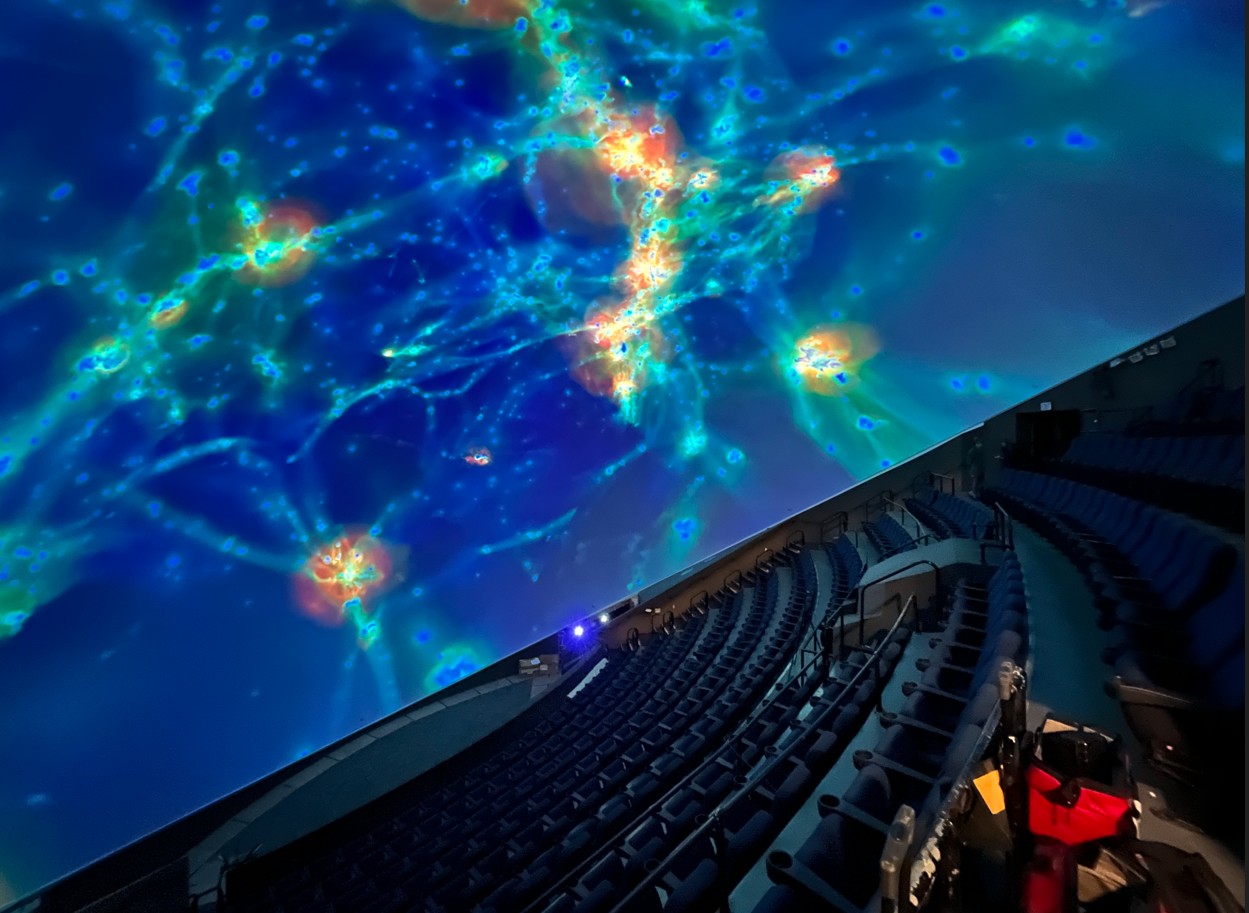
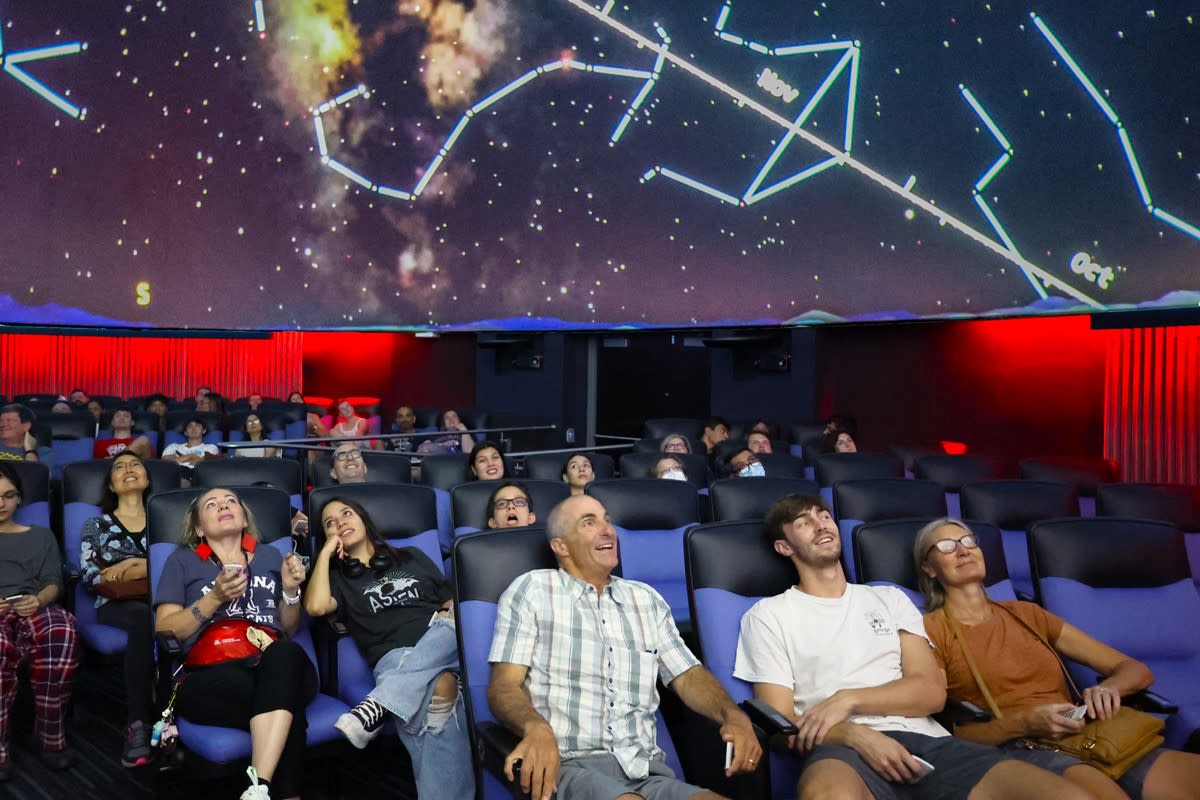
Think of a planetarium as a specialized cinema designed for the sky. Instead of a flat screen, images are projected across a domed ceiling so you feel surrounded. Most programs include a mix of:
- Immersive visuals of space, Earth from orbit, or historic skies over famous locations
- Narration (live by a presenter or pre-recorded)
- Music and sound effects that range from soothing to full-on cinematic
- A “night sky” segment where you learn what constellations or planets are visible right now
You will usually be seated for the entire program, and yes, some seats recline. The vibe is quiet and theater-like. If you have ever wanted an attraction that feels educational but still delivers that big wow moment, this is it.
Shows vs. admission
This is the number one thing that surprises first-timers: planetarium shows are often ticketed separately from the rest of the building.
General admission
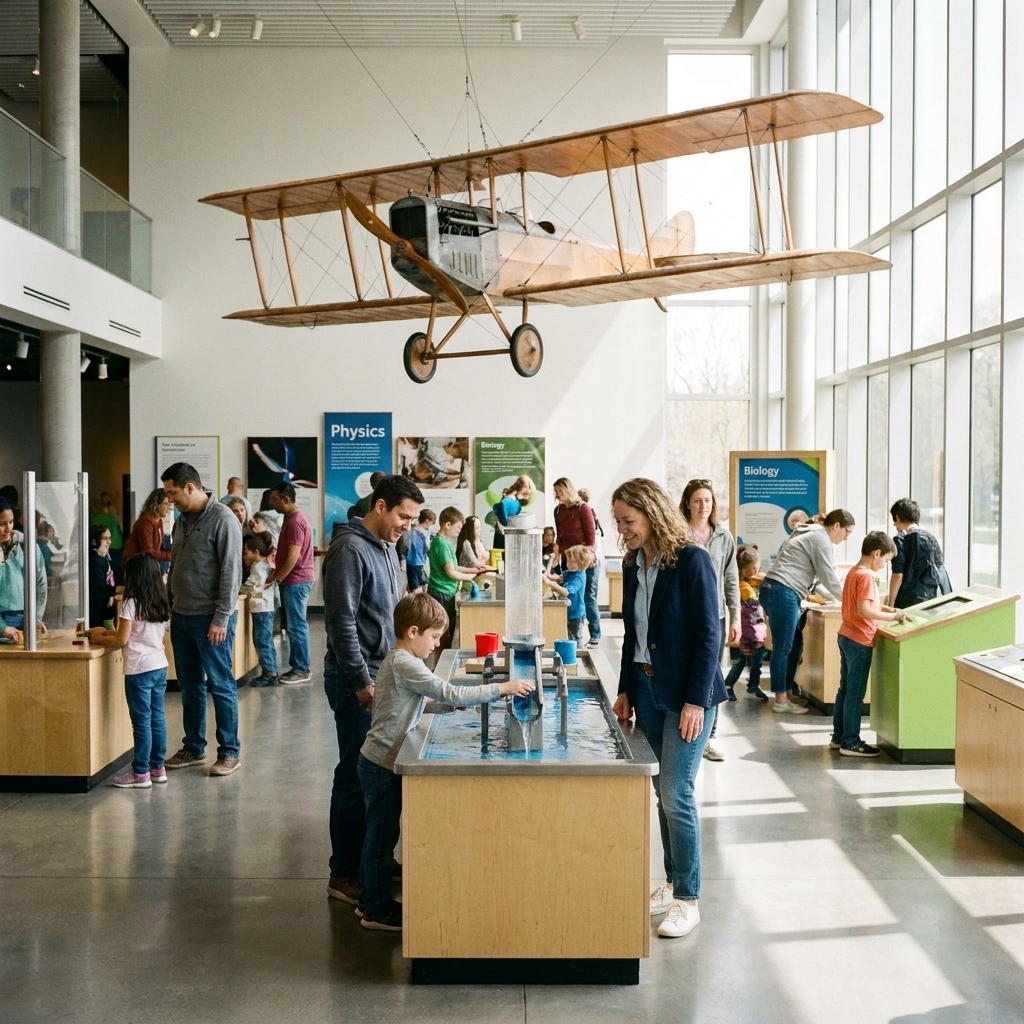
General admission typically covers exhibits in an attached science center, museum galleries, an observatory area, or hands-on kids zones. General admission may or may not include a planetarium show, so it is worth confirming before you buy.
Planetarium show ticket
A show ticket usually reserves your seat for a specific start time, like a movie. Some venues offer:
- Show-only tickets (just the dome theater)
- Combo tickets (museum plus one show)
- All-access passes (museum, multiple shows, special exhibits)
If you are planning your day, treat the show like an anchor appointment. Everything else can flex around it.
Picking the right show
Planetarium programs vary wildly. One might be a gentle tour of the solar system. The next might be a fast, loud ride through black holes with a soundtrack that shakes the seats. Choosing well is the difference between “magical” and “my kid is overwhelmed and I am trying to salvage the moment.”
For families with young kids
- Look for “family,” “kids,” or “all ages” labels. These tend to be shorter, slower-paced, and lighter on complex vocabulary.
- Prioritize familiar topics. Planets, the Moon, astronauts, and seasonal constellations usually land better than cosmology and dark matter.
- Choose mid-morning or early afternoon. You will catch kids when attention is highest and avoid late-day meltdowns.
- Check age guidance. Some venues publish minimum ages for certain shows. Toddler readiness varies, and the dark plus loud audio can be a lot.
For adults, couples, and teen groups
- Try “featured” or “immersive” shows. These often lean cinematic and take full advantage of the dome.
- Consider live star talks. If your venue offers a live presenter, it can feel more like a behind-the-scenes astronomy lesson than a film.
- Evening sessions feel extra special. They are great for date night energy, and some sites pair them with telescope viewing on clear nights.
Timing and pacing
Most planetarium stress comes from underestimating the clock. Here is a simple rhythm that works in many places:
Arrive 30 to 45 minutes early
- Parking and ticket pickup can take longer than you expect, especially on weekends.
- Many venues start seating 10 to 20 minutes before the show, and late entry can be limited by policy.
- You will want time for bathrooms. Once the dome goes dark, it is not a fun dash.
Plan for 45 to 90 minutes per show block
Show lengths vary by venue and program, but these ranges are common:
- Kids and family programs: often 25 to 40 minutes
- Standard programs: often 40 to 55 minutes
- Special feature programs: sometimes 55 to 75 minutes
Then add time for seating, intro announcements, and the post-show shuffle out of the theater. If you have a tight schedule after, pick an earlier session so you are not watching the minutes tick by in the dark.
Build in a buffer afterward
People often leave a planetarium show a little dazed in the best way. Give yourself 15 minutes to decompress, grab water, and decide what is next instead of sprinting straight to the parking garage.
Ticket tips
Because show seats are limited, planetariums can sell out even when the rest of the building feels quiet. A few practical moves make the whole day smoother:
- Buy show tickets in advance if you can. Weekend afternoons and holiday weeks are the most competitive.
- Check whether timed entry applies to the building. Some venues require a timed arrival window even for general admission.
- Look for resident discounts, student pricing, or membership perks. If you plan to go twice in a year, membership can pay for itself fast, especially for families.
- Confirm the refund or exchange policy. If your group has kids or unpredictable travel plans, flexibility matters.
One tiny move that saves a lot of stress: screenshot your ticket confirmation and showtime, then set a phone reminder for “head to the planetarium line” about 20 minutes before start. It feels a little extra. It also works.
Where to sit
Planetarium seating is not one-size-fits-all. The “best” seat depends on the room layout and your comfort level looking up.
Quick rules of thumb
- For maximum immersion: Aim for the middle to back-middle rows, centered. You get a wide field of view without craning your neck too hard.
- If you get motion sick: Sit closer to the center and avoid extreme side seats. Fast flying sequences can trigger dizziness for some people.
- If you are with kids: Choose an aisle or near an exit so you can step out quietly if needed. Middle rows often balance view and easy access.
Also: ask about accessibility seating when you book if anyone in your party uses a wheelchair, needs a transfer-friendly seat, or benefits from extra space. Many venues have designated areas that are best reserved early.
What to bring
- A light layer. Dome theaters often feel cool because of air conditioning and ventilation.
- Glasses instead of hats. Brims can block your view when you are leaning back.
- Water for after. Food and drinks are often not allowed inside the theater, though some venues permit capped water. Check your venue’s policy.
- Skip strong perfumes. It is an enclosed room with close seating.
If the show is labeled as 3D, confirm whether you need to pick up glasses before entering and whether the venue uses reusable glasses or disposable ones.
Good to know
It gets very dark
Once the show starts, it is close to pitch black. If someone in your group is uneasy in the dark, choose a family-friendly program and sit near an exit.
Some shows feel intense
Rapid motion sequences, loud soundtracks, and deep space visuals can be thrilling or overwhelming. If you are prone to motion sickness, pick a slower-paced astronomy program rather than an action-style “ride through the universe.”
Phone screens are extra disruptive
Because the room is dark, a single bright screen can pull everyone out of the experience. Silence your phone completely and keep it put away.
Late entry rules vary
Some venues restrict late entry once the program begins for safety in the dark and to protect the experience for others. Others allow entry during a short window or at designated breaks. If arriving late is a risk, check the policy and aim to be seated early.
The tech can differ
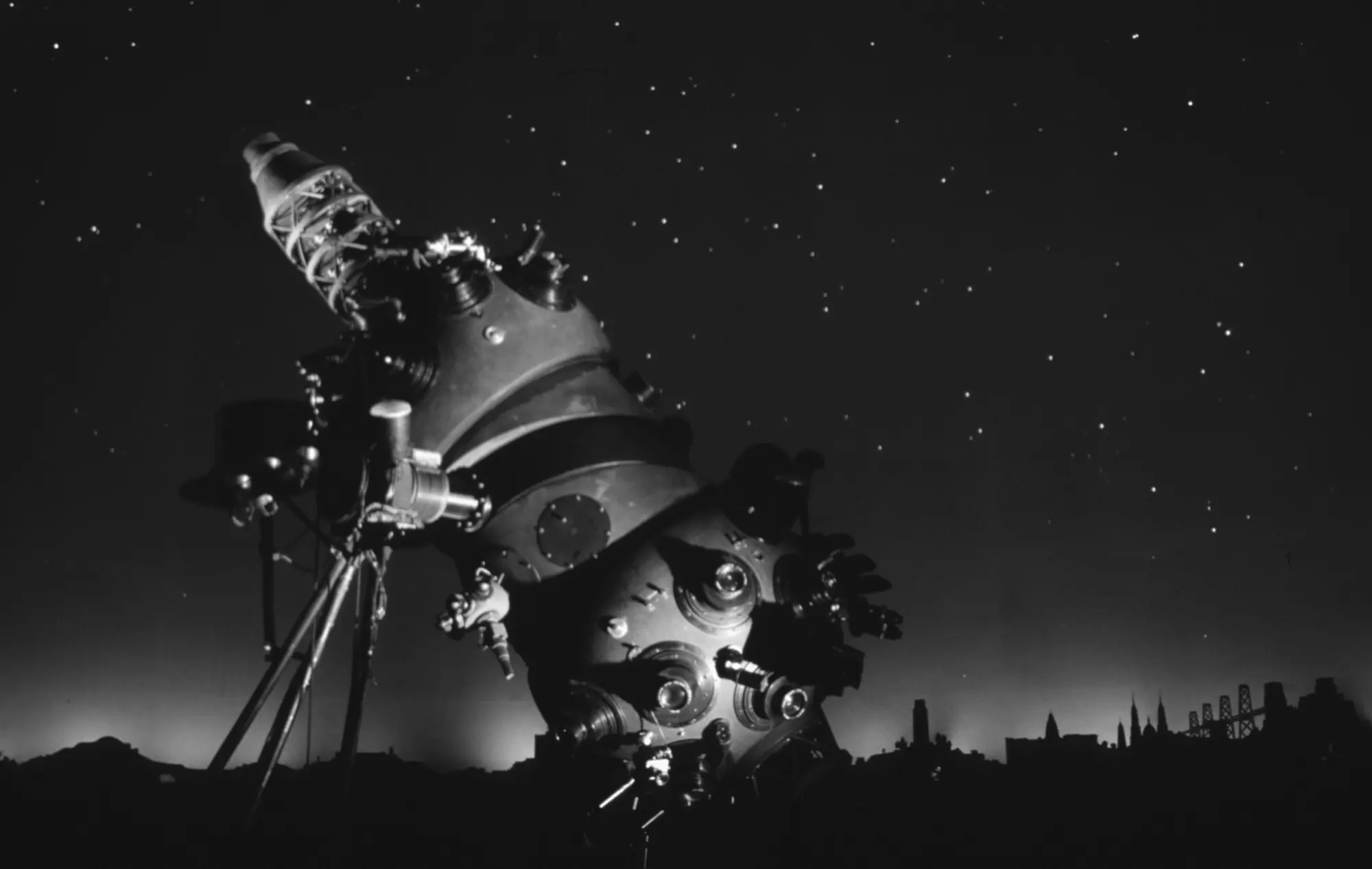
Some planetariums use classic star projectors for a crisp, realistic night sky. Others use fulldome digital systems for cinematic flights through space. Many blend both. The feel of the show can change a lot depending on the setup, so read the program description if you are picky about style.
Accessibility and sensory needs
Planetariums are naturally sensory experiences, which can be wonderful or too much depending on the person. Before you go, it helps to check what your venue offers.
- Captions and assisted listening: Some theaters offer captions for select shows, hearing loops, or assistive listening devices.
- Sensory-friendly options: Many science centers schedule sensory-friendly sessions with lower volume, gentler lighting transitions, and a more flexible environment.
- Content and motion warnings: Some programs include rapid movement, strobe-like effects, or loud moments. If you see a warning, take it seriously and pick a calmer show.
If you need an accommodation, calling ahead can be surprisingly effective. Staff are used to these questions.
Simple itineraries
If you are visiting a planetarium attached to a science center or museum, this structure keeps the day flowing:
Option A: One-show visit
- Arrive
- Explore hands-on exhibits first (burn energy)
- Planetarium show
- Gift shop break and one last exhibit zone
Option B: Date night
- Arrive 30 to 45 minutes early
- Coffee, cocktail, or a quick exhibit loop if offered
- Evening planetarium show
- Post-show walk outside to find a few real constellations
Option C: Two shows
- Early show to anchor your schedule
- Exhibits and lunch
- Second show with a different style (one live talk, one cinematic feature)
If your venue has an observatory, check whether telescope viewing is weather-dependent and whether you need a separate ticket or wristband.
Planetarium etiquette
- Use the restroom before seating. The dark makes movement tricky.
- Keep voices low even during seating. Sound carries in dome theaters.
- No flash photography. It ruins night-vision vibes instantly.
- Follow recording rules. Many venues do not allow video recording during shows.
- If you need to leave, do it quickly and quietly. Most staff are kind and used to it, especially with kids.
FAQ
How long is a planetarium show?
It varies by venue and program, but many standard shows run about 40 to 55 minutes. Family programs are often shorter, and special features can run longer. Add time for seating and exiting.
Is it loud?
Some shows are gently narrated, while others are full cinematic sound. If volume is a concern, look for family programs, live sky talks, or sensory-friendly sessions when available.
Can I bring a stroller?
Many venues ask strollers to be parked outside the dome theater for safety and aisle clearance. If you are visiting with a baby or toddler, check the policy and plan a quick parking spot.
Do you need to reserve?
Often yes. Timed-entry shows have limited capacity, so reserving ahead is a smart move on weekends and during school breaks.
What is the difference between a planetarium and an observatory?
A planetarium is an indoor dome theater that simulates the sky and space with projection. An observatory is for viewing real celestial objects through telescopes, typically dependent on weather and visibility.
Make it memorable
Before you go, look up what bright planet is most likely visible that week from your area. After the show, step outside and try to spot it together. It takes the experience from “cool show” to “we actually found it,” and those are the moments people remember.