Butterfly conservatories look calm and effortless from the outside, but inside they are a living, fluttering little universe with its own rules. If you walk in at the wrong time, rush past the right plants, or breeze through the steamy “airlock” entry, it is surprisingly easy to leave thinking, “That was nice,” instead of “That was magical.”
Here is my simple plan for getting the most out of a butterfly house, even if you only have 45 to 90 minutes.
Before you go: the quick checklist
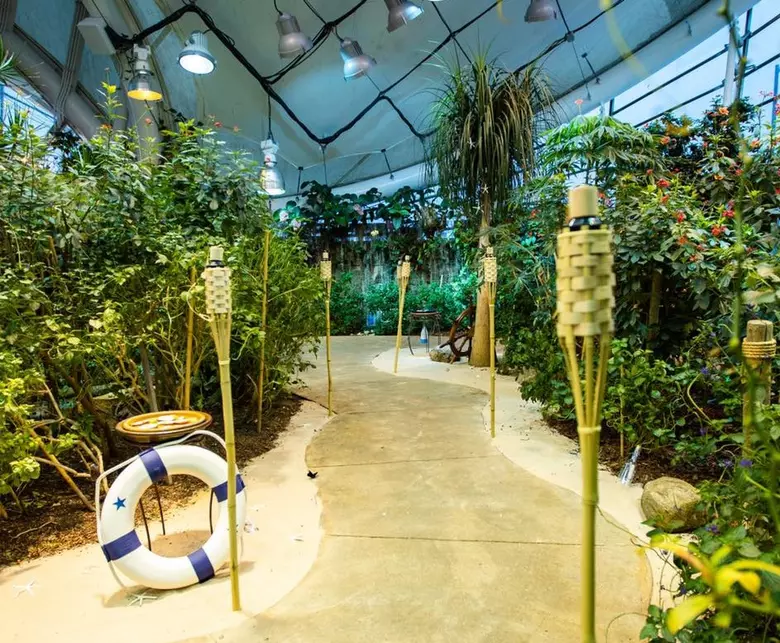
A tiny bit of prep goes a long way in a conservatory, mostly because the environment is warm, humid, and full of delicate wings that do not mix well with fast movements.
- Wear bright colors: it may help you stand out, and some people find butterflies are more likely to investigate reds, oranges, pinks, and yellows. Not a guarantee, but an easy tweak.
- Skip strong perfume or heavily scented lotion: some facilities discourage it, and it can bother other guests.
- Closed-toe shoes are your friend: paths can be damp, and you may be walking near shallow water features.
- Bring a lens cloth: humidity fogs up phone cameras fast.
- Pack patience: the best moments happen when you stop moving.
Timing: when to visit for the most butterflies
Best time of day
If you want active, flying butterflies instead of sleepy rest stops, aim for late morning through early afternoon. As the day warms up and the light strengthens, many species become noticeably more energetic, although it varies by facility, weather, and even feeding schedules.
- Most reliable window: late morning to early afternoon
- Calmer, quieter window: the first hour after opening (great for photos and kids who get overstimulated)
- Less active window (sometimes): the last hour before closing, when butterflies may settle down and staff may begin guiding the flow a bit more
Best days to dodge crowds
In family-heavy attractions, weekends and school breaks can turn a tranquil greenhouse into a slow shuffle. If your schedule is flexible, go when casual visitors are at work or school.
- Least crowded: Tuesday to Thursday, especially in the morning
- Most crowded: Saturday midday and rainy weekend afternoons
Rainy day strategy (yes, it matters)
Butterfly conservatories are a classic indoor stop, so rain can increase crowds. The butterflies will still be there, but you may have less space to pause at popular spots like feeding stations and waterfalls.
If it is raining and you still want to go, arrive right at opening or later in the day, when some visitors have moved on to dinner plans.
What to do first: the 10-minute entry plan
The biggest mistake I see is sprinting past the best early-photo moments and then wondering where all the butterflies went. Try this instead.
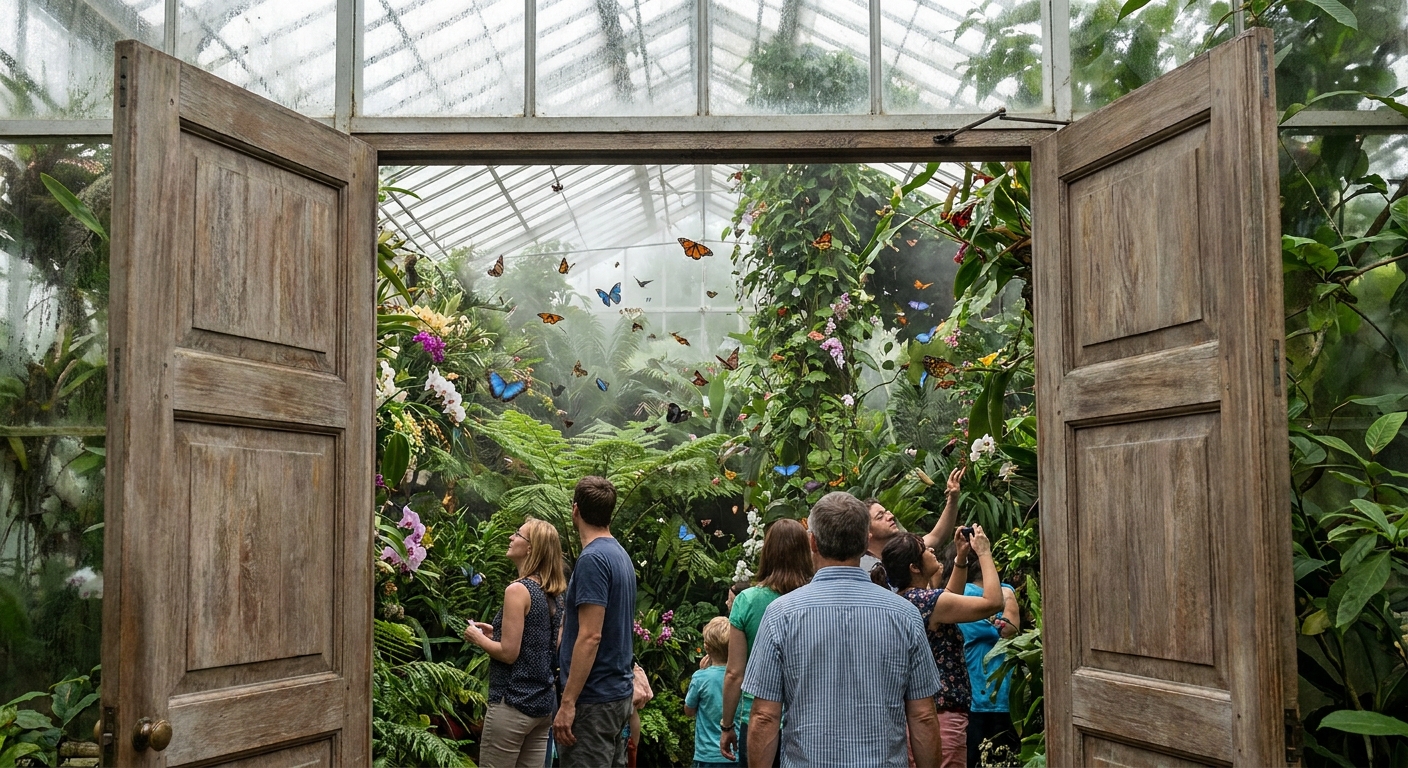
- Pause in the entry area: many conservatories use a double-door “airlock” to keep butterflies from escaping. Let your eyes adjust to the light and humidity.
- Stop at the first sunny patch: butterflies love basking. Look for them with wings spread flat on leaves or rocks.
- Do a slow loop before you zoom in: take one lap to locate hotspots, then come back and linger.
Where the best spots usually are
Every conservatory is different, but butterflies tend to cluster around the same types of micro-locations. If you only have limited time, hunt these down first.
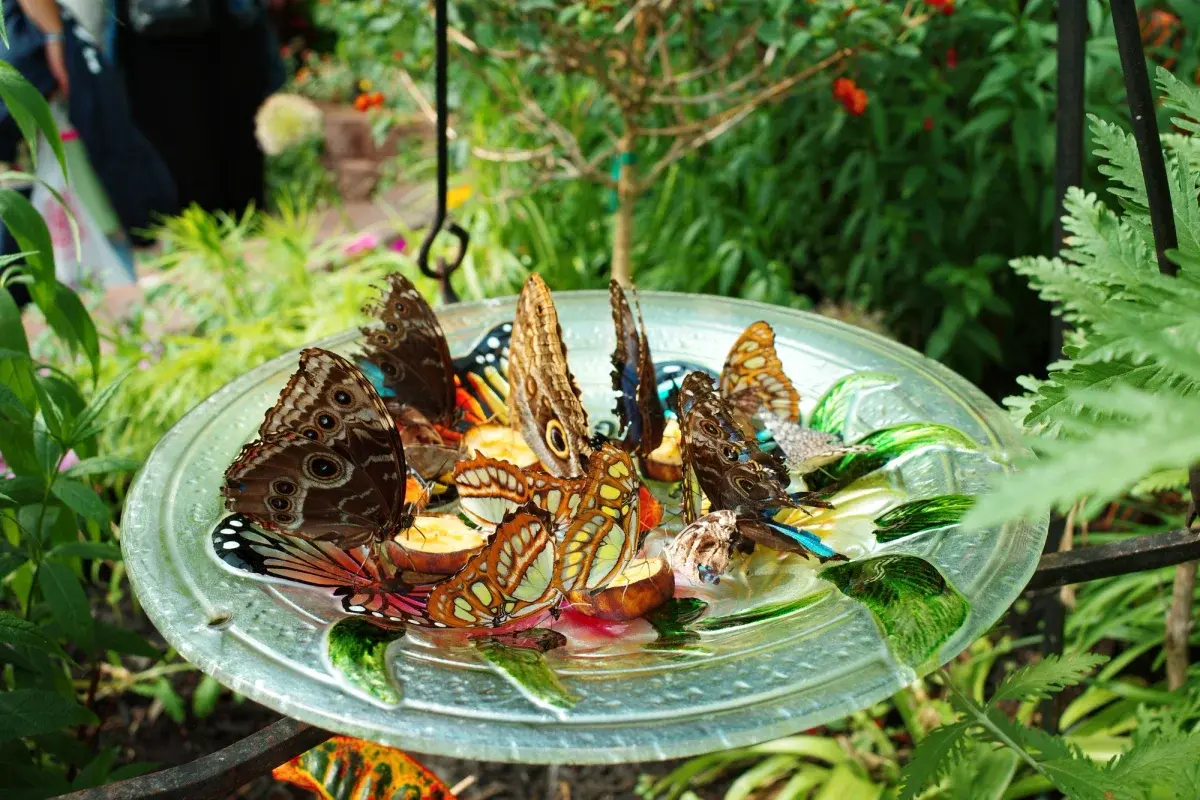
1) Feeding stations
If the conservatory offers fruit trays or nectar feeders, this is your best bet for close-up views and photos. Look for butterflies with wings partially closed, gently sipping.
2) Sunny windows and skylight beams
Butterflies run on warmth and light. Watch for bright rectangles of sun on the path or plants, especially near glass walls.
3) Host plants and nursery corners
Many conservatories label host plants where butterflies lay eggs and caterpillars feed. These areas are gold for families because you can spot multiple life stages, not just adults.
4) Water features and humid pockets
Waterfalls, ponds, and misty corners can draw both butterflies and photographers. The tradeoff is condensation on your lens, so wipe often.
What to notice beyond butterflies
If you want your visit to feel more like an experience and less like a quick walk-through, keep an eye out for these details.
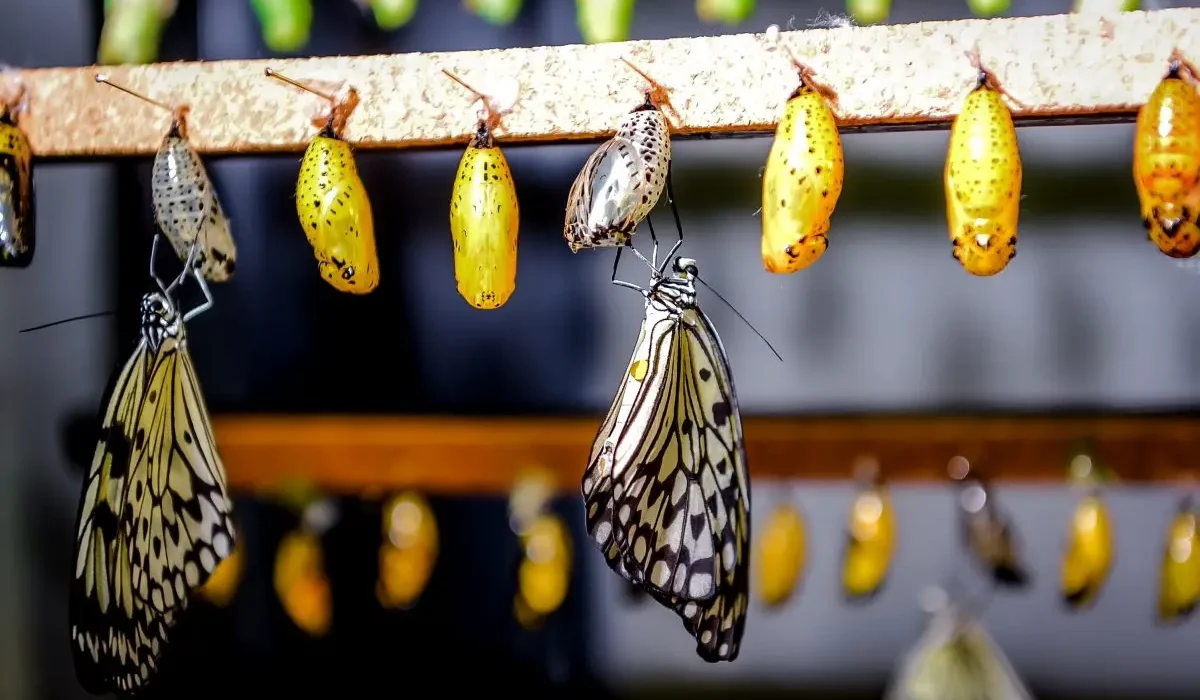
- Freshly emerged butterflies: some facilities have an emergence chamber where chrysalises hang like living jewelry. Watching a new butterfly dry its wings is a quiet highlight.
- Wing patterns up close: move slowly and look for tiny “scales” that make wings look like velvet.
- Behavior cues: basking with wings open, sipping with wings closed, and quick darting flights often happen in different zones. It is fun to notice the pattern.
- Plant labels: a quick glance explains why certain corners are buzzing and others are calm.
- Scheduled moments: some conservatories do talks, feeding times, or releases. If you see staff nearby, it is worth asking what is coming up.
Photography: great shots, good manners
Butterfly houses are one of the most photo-friendly attractions, but also one of the easiest places to accidentally frustrate everyone around you. These tips keep it smooth.
Use natural light, skip flash
Many conservatories prohibit or discourage flash to reduce disturbance and keep the experience comfortable for everyone. Either way, natural light is your best friend. Step into brighter areas near windows and skylights.
Go slow and shoot lower
Butterflies often rest on flowers at waist height or lower. Crouch carefully and take a few steady shots rather than chasing.
Tap to focus and slightly underexpose
On phones, tap the butterfly, then slide exposure down a touch. Bright wings can blow out highlights fast in greenhouse lighting.
Prevent lens fog
- Keep your phone in your pocket for a minute after entering so it warms gradually.
- Wipe with a microfiber cloth, not your shirt.
- If you wear glasses, give them a minute before you start shooting.
My favorite easy-win shot
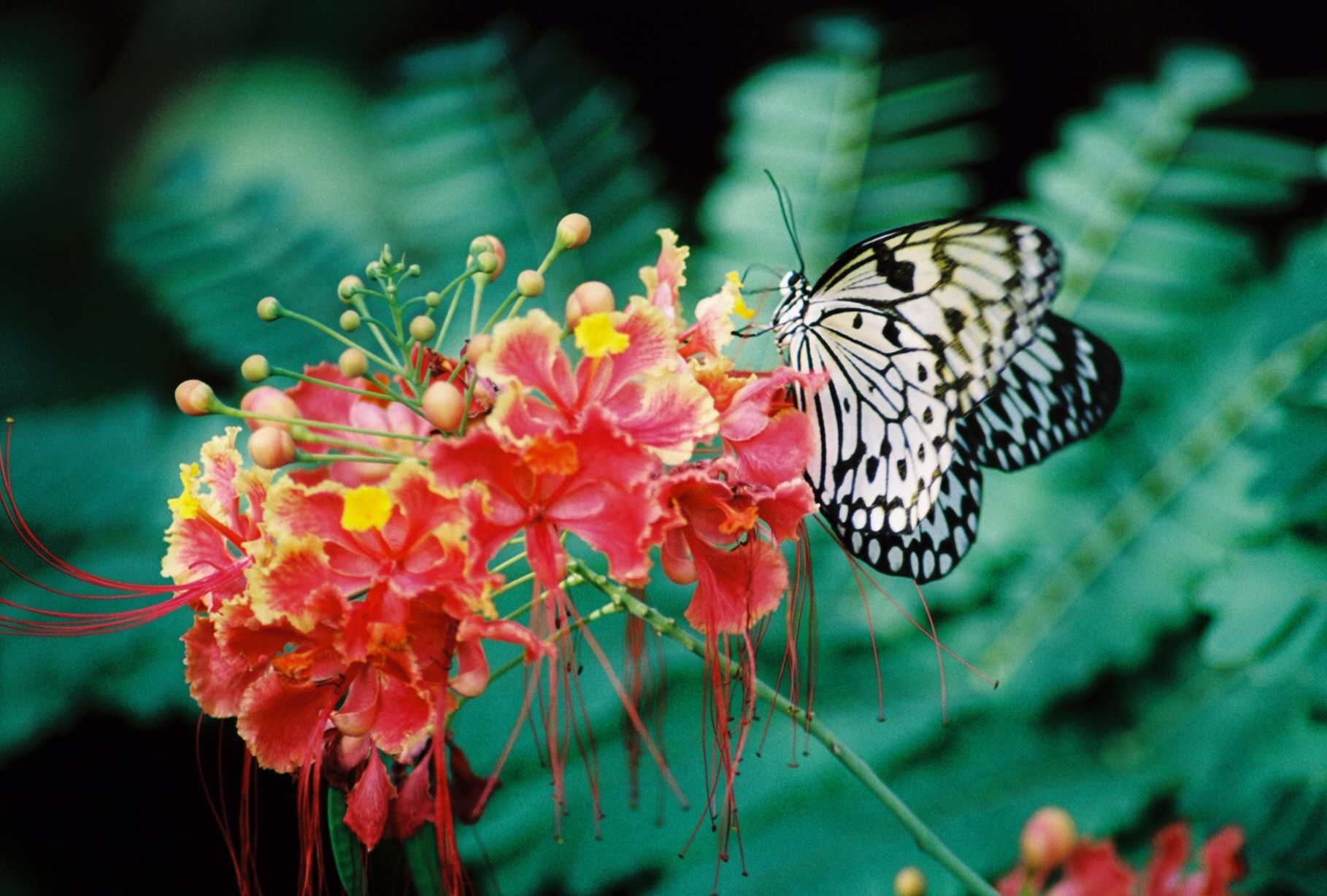
Stand near a flowering cluster in a bright patch of light and wait. You will often capture a butterfly landing naturally, which looks better than a mid-chase shot.
How to find space on busy days
Even on a busy day, you can find quiet pockets. You just have to move differently than the crowd.
- Walk against the flow: if everyone turns right, go left (as long as the space allows it). You will find breathing room fast.
- Skip the first bench: the first seating area after the entrance is usually the most congested.
- Linger where people do not: corners with plant signage, host plants, and less dramatic scenery often have fewer people and just as many butterflies.
- Make a second lap: most visitors do one loop and leave. Your second lap feels like the quiet hour.
Family tips that work
Butterfly conservatories can be dreamy for kids or a two-minute “I am bored” situation, depending on how you set it up. Here is what I do when I am visiting with families.
Give kids a simple scavenger mission
- Find a butterfly with “eye spots” on its wings.
- Spot a butterfly drinking nectar or feeding on fruit.
- Find a chrysalis.
- Find a butterfly with transparent or semi-transparent wings.
Plan for the humidity
Little ones overheat quickly. Dress in light layers and take a short water break right after you exit.
Stroller and toddler strategy
If paths are narrow, a stroller can make the visit stressful. If you have the option, use a baby carrier or visit at opening when there is more space to maneuver.
Set expectations about touching
Even gentle touching can damage wing scales. I like to tell kids: “We can look as close as we want, but our hands stay to ourselves so the butterflies can keep flying.”
Accessibility and comfort
Conservatories are usually warm and humid, and that can feel like a lot if you are managing mobility needs, temperature sensitivity, or sensory overload.
- Look for benches: many spaces have a few resting spots, but they can fill up. If you need breaks, aim for the quieter morning window.
- Ask about paths: some conservatories are fully wheelchair-friendly, others have tight turns, narrow bridges, or damp surfaces. A quick check at the front desk can save frustration.
- Bring what you need: a small water bottle for right after you exit, a mini fan for the queue, and a lens cloth if you use glasses.
Etiquette inside the conservatory
These are small rules that make the experience better for everyone, and safer for the butterflies.
- Do not run or wave hands: quick motion startles butterflies and other guests.
- Stay on paths: stepping into planting beds can harm both plants and resting butterflies.
- Do not pick flowers or lean on plants: it damages the habitat and can knock resting butterflies loose.
- Do not block feeding stations: take your turn, then step aside so others (and strollers) can move through.
- Check yourself before you exit: some conservatories ask guests to look for hitchhiking butterflies on shoulders or bags.
How long to stay
You can enjoy a conservatory in 30 minutes, but if you want those wow moments, give yourself a little more runway.
- Quick visit (30 to 45 minutes): one slow loop, feeding station, emergence area, skip the gift shop
- Sweet spot (60 to 90 minutes): two loops, time to wait for landings, read plant signs, do a kid scavenger list
- Full experience (90+ minutes): add a guided talk if offered, spend time in adjacent gardens if connected
Common questions
Do butterflies land on you on purpose?
Sometimes. Stillness helps the most. Bright clothing can help a little, too. If a butterfly lands on you, hold still and enjoy the moment. It will leave when it is ready.
Is it better to visit in hot weather or cold weather?
Most butterfly houses are kept warm and humid, and many are temperature-managed, so you can visit in any season. The bigger factor is crowds: extreme outdoor heat or rainy days can push more people indoors, while pleasant outdoor days sometimes mean a quieter conservatory.
Can I bring my own food or drink inside?
Policies vary. Many conservatories do not allow food or open drinks inside the butterfly area. Eat and drink before you enter and plan a snack for after, and check your venue’s rules if you are not sure.
What if my photos look blurry?
Step into brighter light, hold your phone with two hands, and shoot when the butterfly is resting. If your lens is foggy, wipe it and give it a minute to acclimate.
A simple no-regrets plan
If you want the condensed version, here is the plan I would text a friend:
- Go on a weekday morning if you can, or arrive right at opening on weekends.
- Wear a bright top, bring a lens cloth, and plan to use natural light.
- Do one slow lap to find the feeding station, sunny spots, and the chrysalis area.
- Do a second lap and wait for landings near flowers in bright light.
- Exit, cool down, and check your shoulders and bag before you head out.
Do that, and you will leave with better photos, calmer memories, and at least one “did you see that?” moment you will talk about all day.