I grew up close enough to Orlando that “normal errands” sometimes included a surprise lap around a theme park. That also means I have spent an unreasonable chunk of my life watching standby lines crawl. The good news is you can absolutely shave hours off your day without buying an expensive paid line-skip add-on.
This is all about working with how parks actually operate: where crowds flow, when ride capacity dips, and which little decisions quietly save the most time.
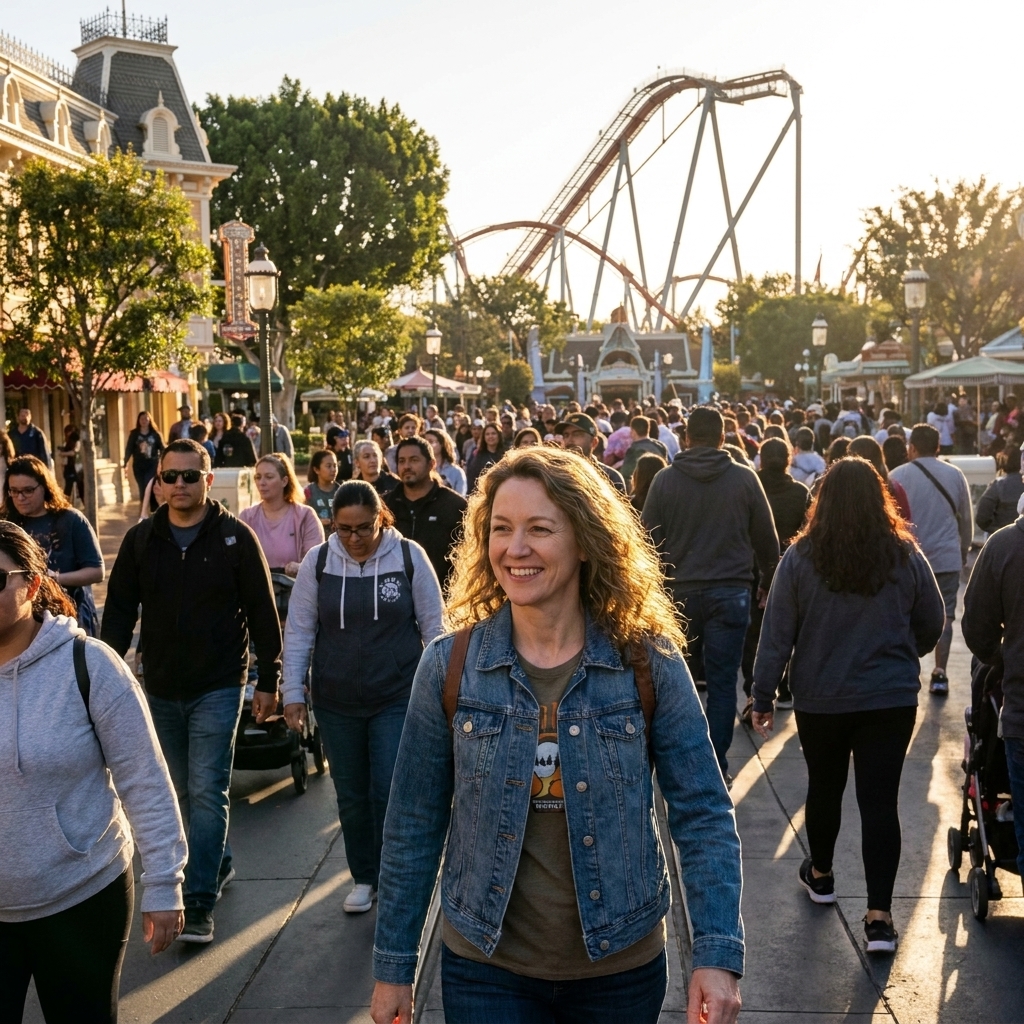
Know what makes lines explode
If you understand why waits spike, you can dodge them.
- Most guests arrive later than they plan. Lots of families aim for “at opening,” then parking, security, strollers, and bathroom stops turn that into entering noticeably later.
- Everyone follows the same instinct. The newest ride, the park icon, and the first attraction you see when you walk in will pull a crowd.
- Capacity is not constant. Rides pause for routine checks, weather, and accessibility boarding. Even a brief slowdown can make a posted wait jump fast.
- Meals create predictable waves. When dining hits peak rush, walkways clog, mobile pickup windows slip, and attraction lines swell right along with it.
Arrive earlier than “early”
“Rope drop” is park-speak for being ready to move the moment attractions begin operating. It is one of the best free line-skip tools. But it only works if you treat it like a mini-event, not a vague concept.
My rope drop checklist
- Be at the entrance 45 to 75 minutes before official opening. For parks with parking trams or long security lines, aim closer to 75.
- Have tickets, confirmations, and your party linked ahead of time. Do not waste the first 10 minutes troubleshooting logins.
- Start in a high-value zone far from the entrance. The deeper you go first, the more you avoid the initial crowd compression near the front.
- Pick 2 to 3 rides max for the first hour. Your goal is to stack wins early, not zigzag.
Planning tip: if you are staying on-site and early entry is offered, use that time for select attractions to knock out one marquee ride or two medium-demand rides, then pivot away before the day guests flood in.
Use the reverse commute
Here is the most common crowd behavior: people enter, turn toward the most obvious headliner, and then sweep the park in a loop. You can beat that by going the opposite direction of the crowd flow.
How to do it in real time
- At opening: go to a popular area that is farthest from the gates, or to a headliner that is not directly on the main path.
- Midday: avoid the central hub and chokepoints where paths merge.
- Late afternoon: return to the front of the park when many guests are deeper inside or taking a break.
It feels counterintuitive, but you will notice it instantly: you walk past a giant crowd heading one way, and you are strolling into a nearly empty queue going the other.
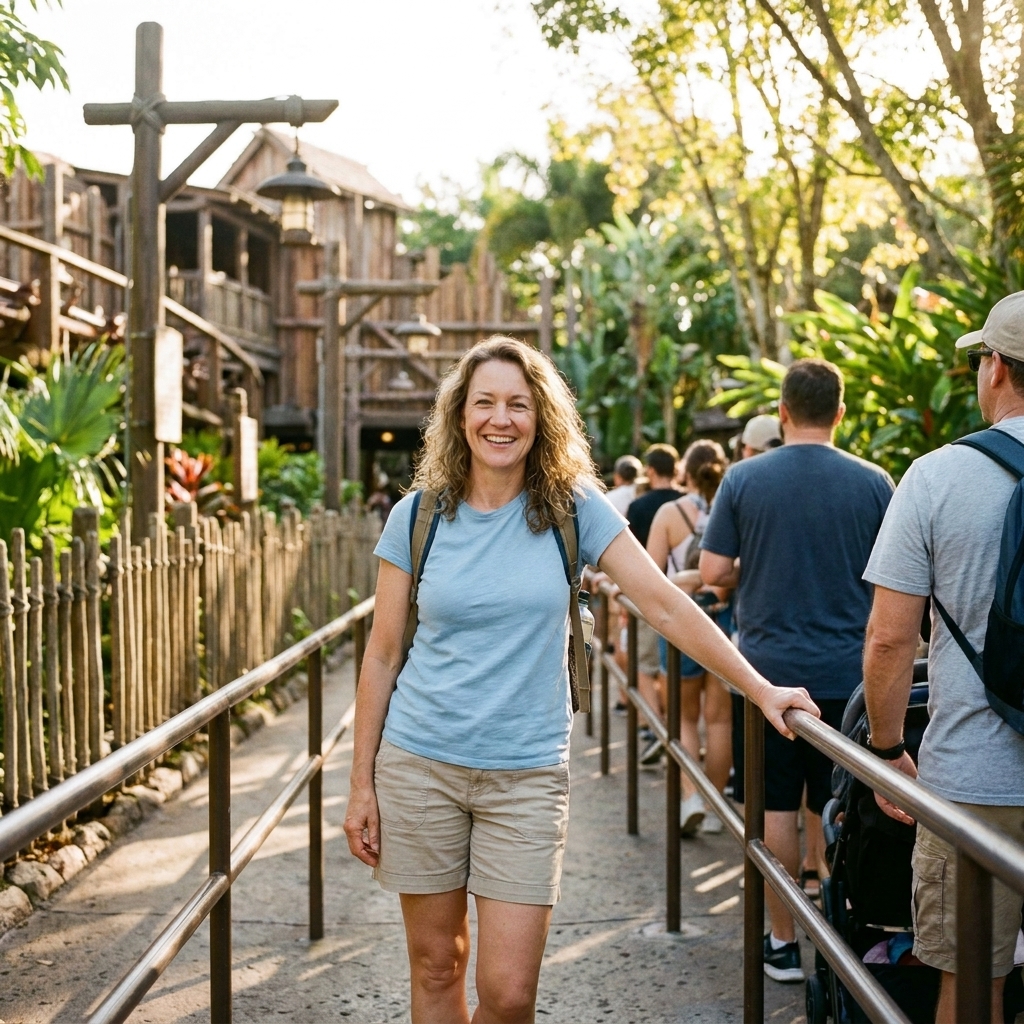
Let the official app help
Most major park apps have live wait times, mobile food ordering, and maps. The trick is checking it at the right moments, not every five minutes.
Three app checks that actually matter
- Before you enter: confirm which rides are operating and see what is already spiking.
- Right after you finish a ride: pick your next stop based on a low wait within 5 to 10 minutes of walking distance.
- When weather changes: rain or heat advisories shift crowds quickly. Indoor rides and shows become the new magnets.
Watch for fake low waits
Sometimes a posted wait looks amazing right after a temporary downtime ends. That is when everyone rushes back. If you see a headliner drop dramatically in seconds, pause and see if it stabilizes or climbs again.
Exploit showtimes
When a big parade, nighttime spectacular, or popular stage show starts, thousands of people stop moving. That creates a golden window for rides.
My favorite free window
- 10 minutes before a major show starts through about 20 minutes into it: hit outdoor headliners and nearby rides.
- During fireworks: choose rides far from the central viewing areas, or attractions with lines that are visible from the path so you can spot a surprise dip.
- Immediately after the show ends: avoid the mass exit routes. Sit tight, grab a snack, or do a nearby low-demand ride until the crowd clears.
Bonus: if you do want to see the show, watch from a less crowded area and plan your exit path so you do not get trapped in the “everyone leaves at once” surge.
Eat at off-times
Food lines and ride lines are connected. When dining gets jammed at noon, ride queues also get worse because everyone is moving slowly and clogging walkways.
A simple meal strategy
- Early lunch: 10:45 to 11:15
- Late lunch: 1:30 to 2:30
- Early dinner: 4:30 to 5:15
- Late dinner: 7:00 to 8:00
Mobile order timing hack
Order before you are hungry. Pick a pickup window 30 to 60 minutes out, then keep touring. You will skip the register line and you will not lose prime ride time to a long food hunt.
Ride the capacity monsters
Some attractions simply chew through crowds faster. They might not be the newest ride, but they are perfect when the park feels slammed.
High-capacity time-savers to look for
- People-eater dark rides with continuous loading
- Theater shows with large seating
- Train, boat, or omnimover-style attractions that load constantly
- Walkthroughs like aquariums, trails, or themed exhibits
Strategy: use these to reset your day midday. You will cool off, sit down, and still be “doing something” while the biggest lines peak.
Use single rider smartly
If your group is okay splitting up, single rider is the closest thing to a free express lane at many major parks. It fills empty seats and can cut waits dramatically. It is not guaranteed, though, and sometimes it merges with standby.
Single rider rules I set with friends and family
- Agree on a reunion spot before you enter the line.
- Plan for uneven waits. Sometimes one person gets pulled quickly while another waits longer.
- Do it on the right rides. Single rider shines on attractions with 2 or 4-seat rows where odd-numbered parties create frequent empty seats.
If you are traveling with small kids or anyone who needs to stay together, skip this one. The stress is not worth it.
Build a flex list
I love a plan. I also love not melting down when the plan meets reality.
Create two lists before you arrive
- Must-dos (3 to 5): the rides you will be genuinely sad to miss
- Flex picks (10 to 15): solid attractions, shows, or snacks you would enjoy anytime
Then use the app and your eyes to choose from your flex list based on what is low right now. This keeps you moving efficiently without feeling like you are constantly re-planning.
Take a midday break
Lines peak midday. So does heat, crankiness, and stroller traffic. If you can leave the park for 2 to 3 hours, you often come back to a more enjoyable evening.
Easy break options
- Go back to your hotel for a swim and a reset
- Hit a nearby resort lobby for AC and a quiet snack
- Do a low-demand indoor show block if you cannot leave the park
When you return, start with rides that historically drop during dinner and the first half of nighttime entertainment.
Choose the right day
You do not need a spreadsheet to make a smarter day choice.
Free day-picking guidelines that usually work
- Avoid the first day of a major school break if you can. That is when a lot of trips begin.
- Midweek often beats weekends for parks near big cities.
- Bad weather forecasts can be your friend if you can handle it. Light rain keeps some guests away, but policies vary and lightning or heavy storms can shut down outdoor coasters, tall rides, and water attractions.
Once you pick your day, commit to the plan: arrive early, rest midday, and stay later if possible. Half-days tend to create the most “we waited all day and rode nothing” stories.
Family tools to use free
Rider swap
If you have small kids who cannot or do not want to ride, ask about rider swap (sometimes called child swap). One adult waits with the kid while the others ride, then the waiting adult rides without redoing the full standby wait. Rules and who can ride twice vary by park, so confirm at the attraction entrance.
Accessibility policies
Most parks offer accessibility programs and alternate accommodations for guests who qualify. Policies differ and change, so check the park’s official guidance before your trip. Also, do not assume you can improvise at the entrance on a busy day.
Do not do this
- Do not crisscross the park at 1 p.m. That is when paths are packed, the sun is rude, and you burn 25 minutes to save 5.
- Do not chase one suddenly low wait across the map. By the time you get there, the dip is usually gone.
- Do not stack all headliners back-to-back at noon. Mix in high-capacity attractions to keep your day moving.
Quick no-pay game plan
If you want the simplest version, here is the day I would run for a first-timer at a major park with no paid line-skip options.
- Arrive 60 minutes early.
- At opening: ride 1 headliner in a far area, then 1 nearby ride before crowds catch up.
- Late morning: pivot to medium-demand attractions while headliners climb.
- Early lunch off-time: mobile order and eat before the noon rush.
- Midday: shows, walkthroughs, and indoor attractions.
- Late afternoon: return to rides that were impossible at noon.
- During parade or fireworks: ride instead of watching, or watch from a low-traffic spot and escape before the crowd surge.
- Last hour: hit your final must-do when families start filtering out.
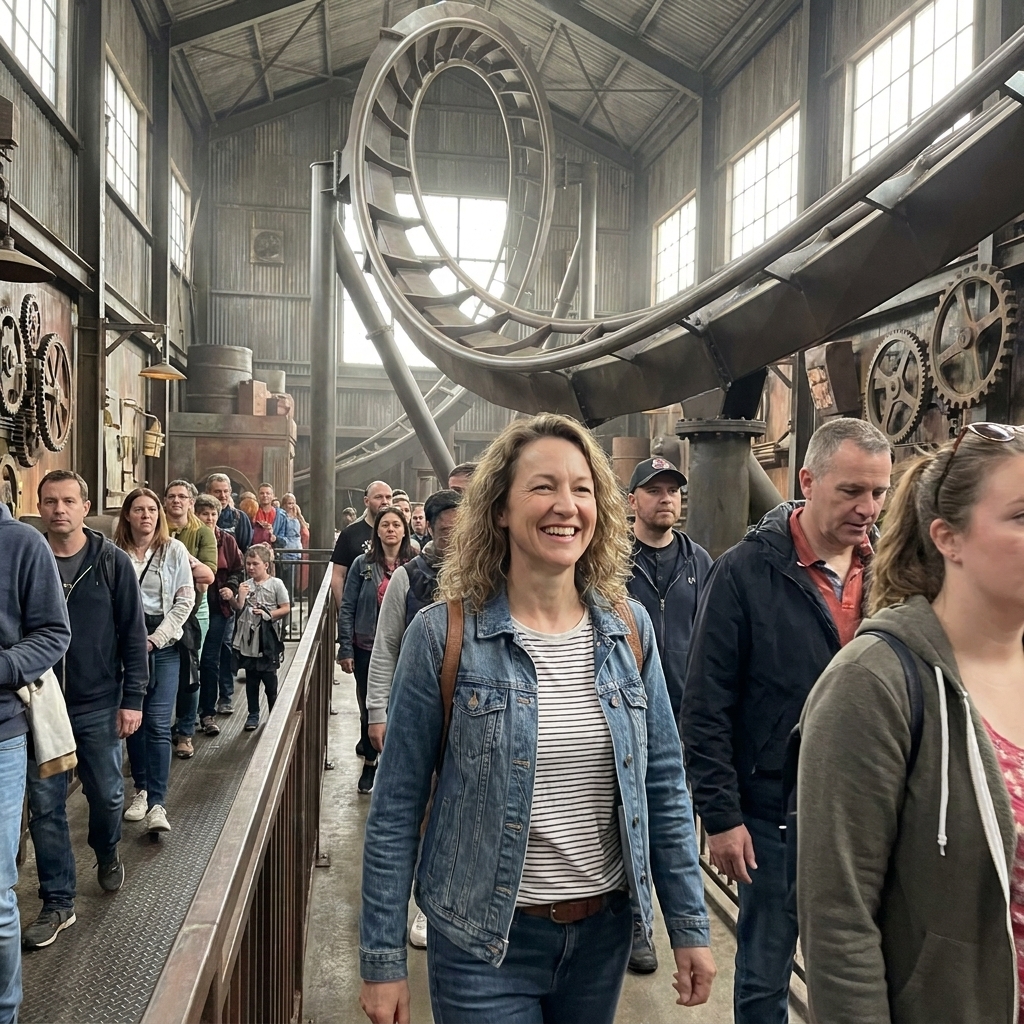
Last hour tricks
The end of the night is where a lot of people accidentally leave time on the table.
- Get in line before closing. Many parks allow you to enter a queue right up until official closing time (attractions and policies vary). If you join at 8:59 for a 9:00 close, you might wait less than the posted number as the line stops growing.
- Re-ride a nearby winner. If you finish an attraction and the area feels noticeably emptier, consider repeating something close instead of hiking to a new land.
FAQ
Is it realistic to do the most popular rides without paying extra?
Yes, especially if you rope drop and use showtimes to your advantage. The newest headliner might still require patience, but you can often get it done with one longer wait instead of three.
What if I cannot arrive early?
Then lean into the opposite approach: shows and indoor attractions midday, eat at off-times, and target headliners during parades, fireworks, and the last 60 to 90 minutes before closing.
Do single rider lines always save time?
Not always, and they can close when staffing is tight. Sometimes they merge with standby. But when they are open and moving, they are one of the best no-cost options for teens, adults, and anyone okay splitting up.
Does staying until closing really help?
Often, yes. Many families leave after dinner or after nighttime entertainment. If you can keep your energy up, the final hour can be surprisingly productive.
My final tip
The middle of the day is when parks are loudest, hottest, and slowest. If you can do your must-dos early, rest or pivot midday, and return for a strong evening finish, you will feel like you had a paid upgrade without spending a dollar.
And if you want to tell me which park you are visiting and your group setup (kids, teens, adults, thrill level), I can help you sketch a quick no-pay touring order that fits your day.