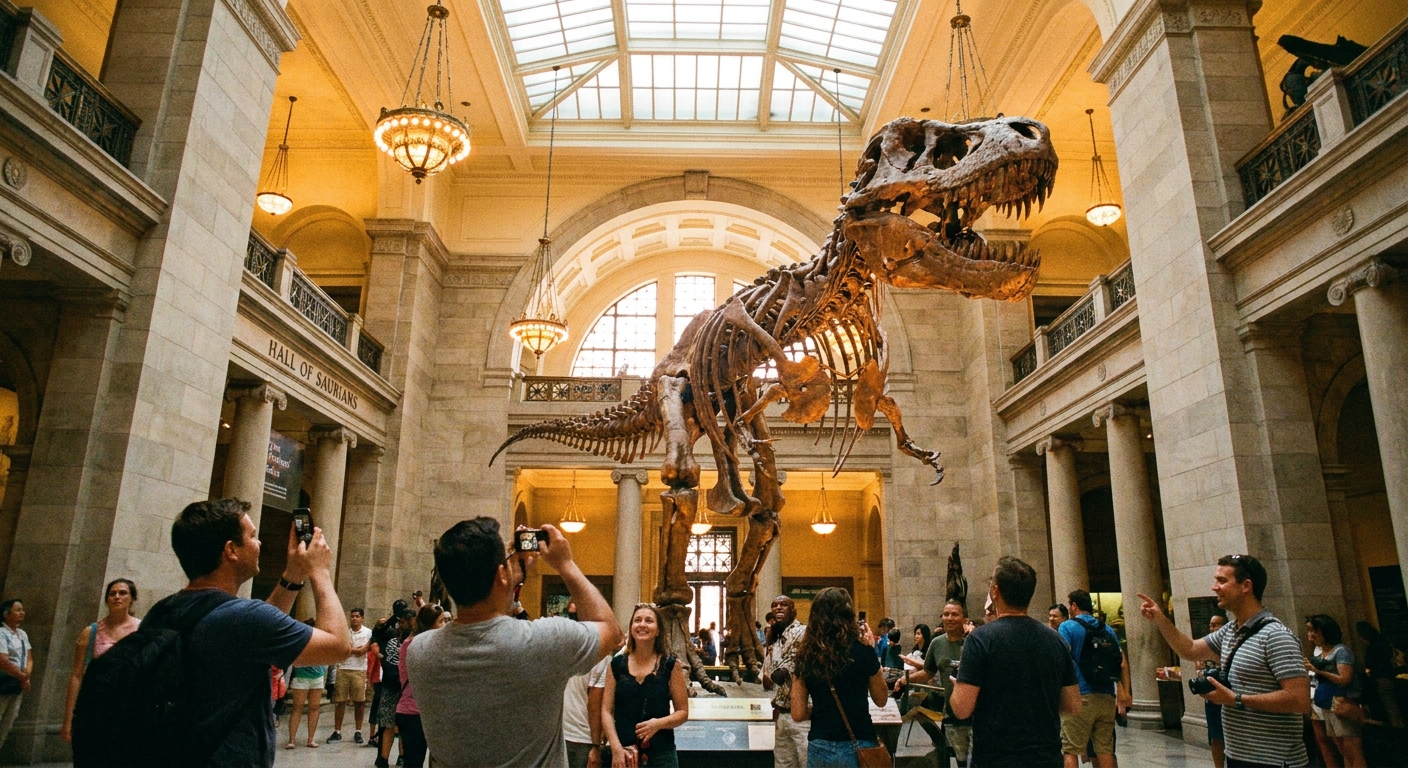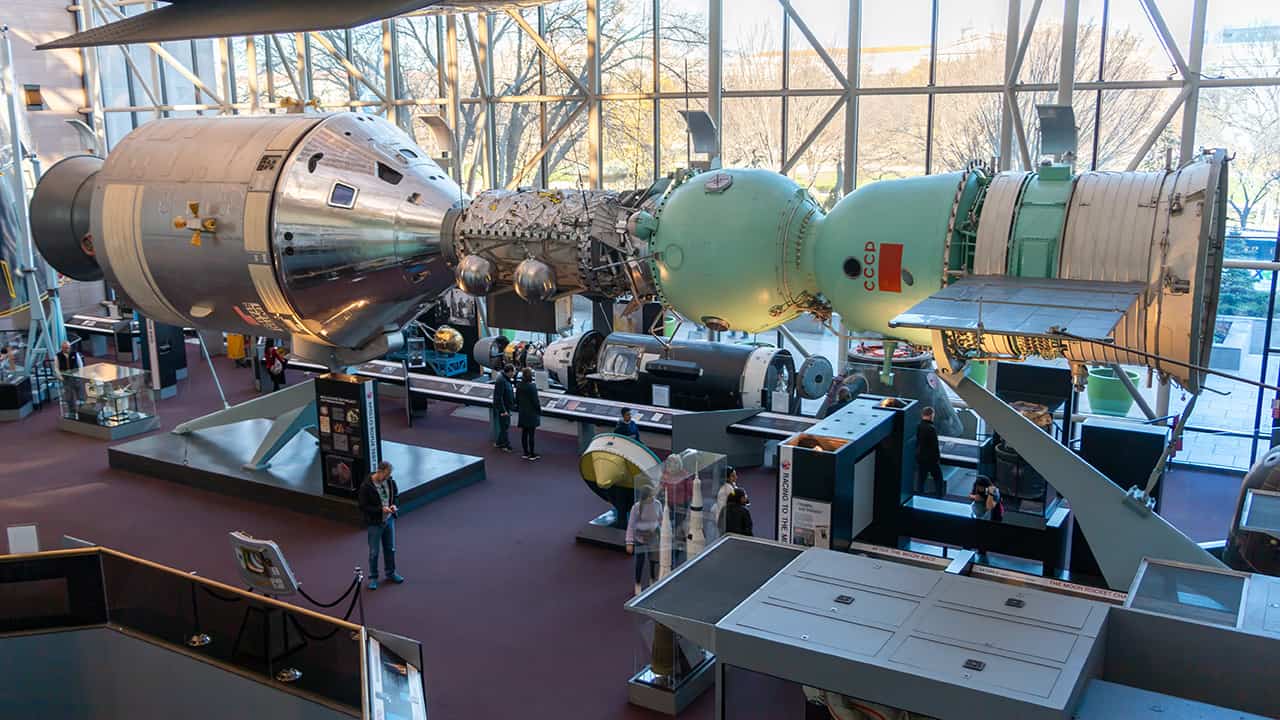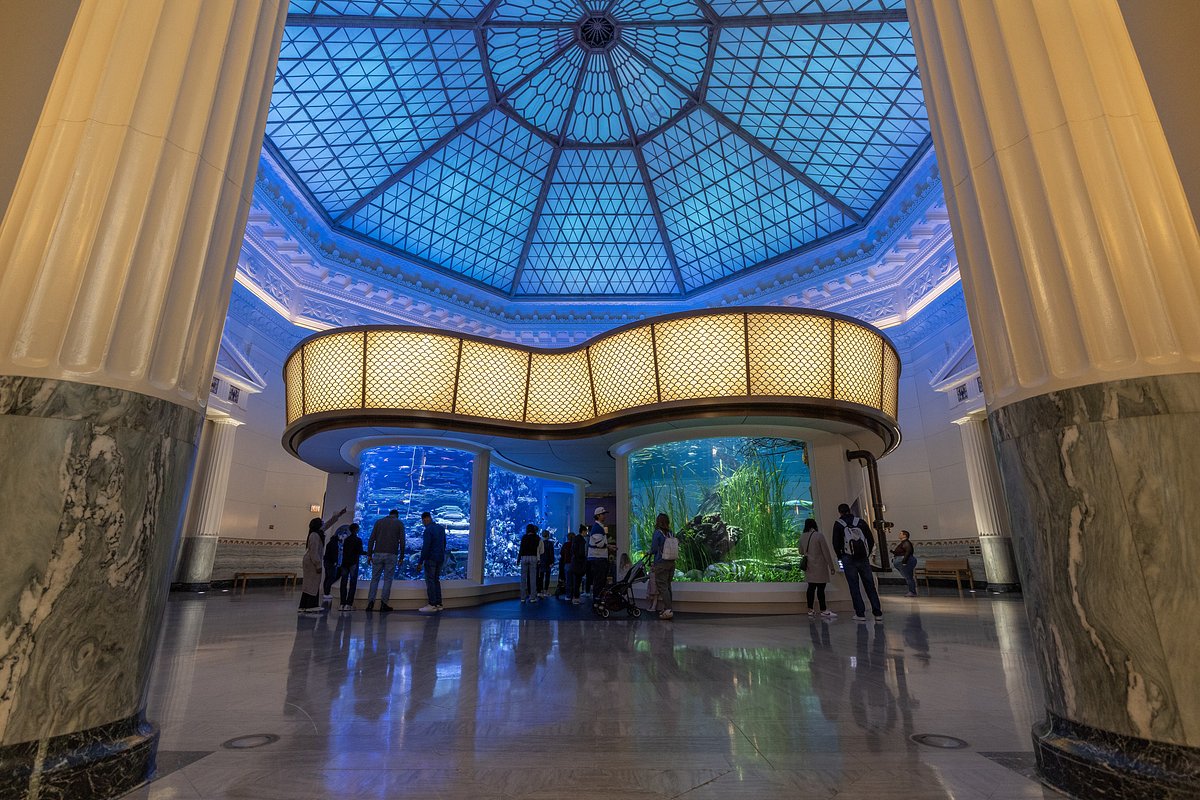
Rain happens. Sometimes it is a quick drizzle, sometimes it is an all-day downpour that turns your carefully planned outdoor sightseeing into a soggy game of “what now?” The good news: you can still have an amazing day if you treat indoor attractions like a mini route, not a random scramble from place to place.
This is the exact rainy-day approach I use when I am traveling with family, planning for a date day, or trying to salvage a solo afternoon. We are going to build an itinerary that feels intentional, keeps you dry, and does not bleed money on extra transit, duplicate tickets, or tempting add-ons you do not need.
Start with a simple goal
Before you book anything, decide what kind of indoor day you want. This prevents you from zigzagging across town and spending your whole day in transit.
- Comfort-first: slow pace, cozy cafes, aquariums, conservatories, movie theater, spa.
- Kid energy burn: science museum, children’s museum, trampoline park, indoor play café, interactive exhibits.
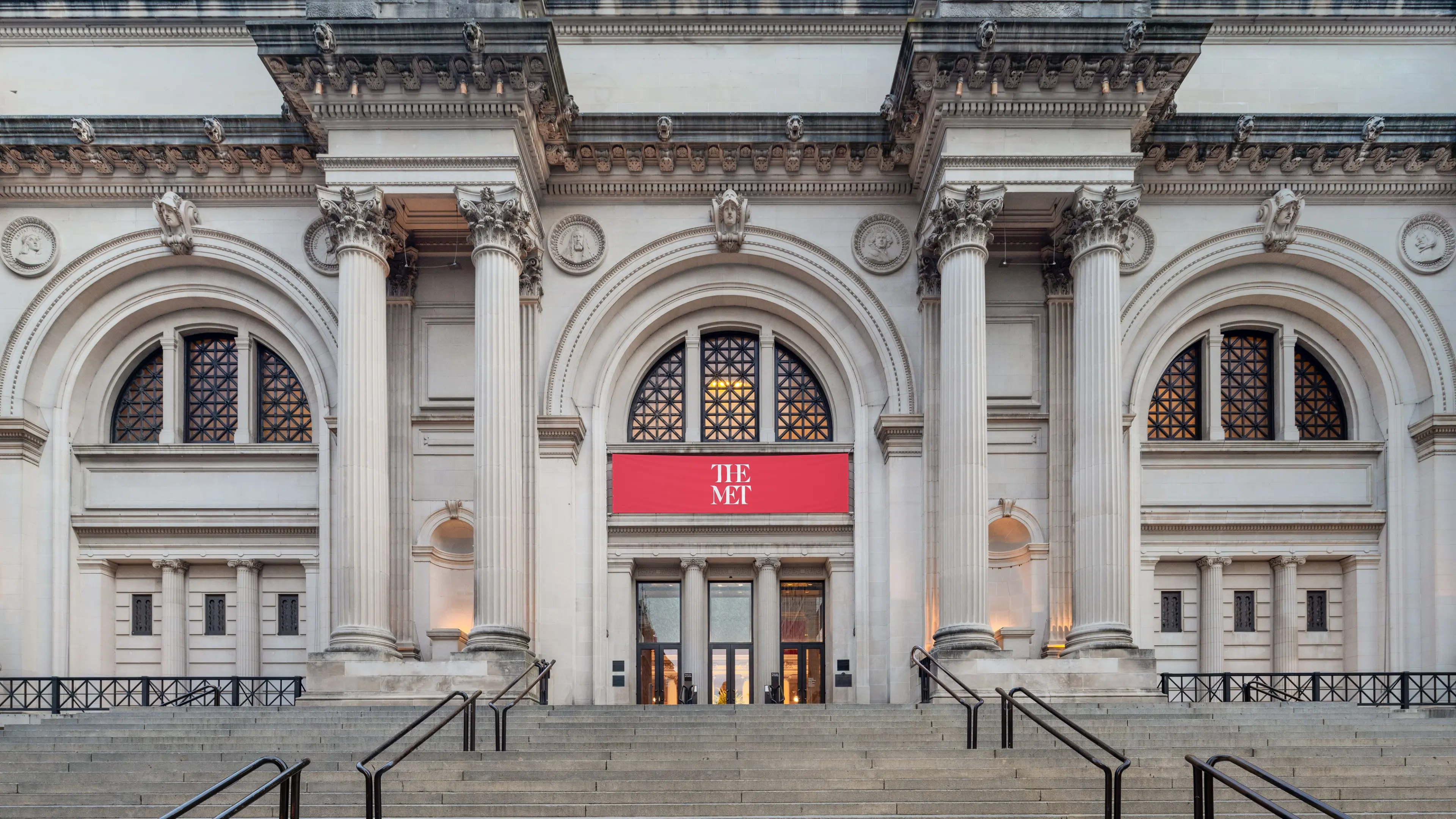
- Culture-heavy: art museum, history museum, gallery district, theater matinee.
- Foodie crawl: public market, food hall, chocolate tour, cooking class, indoor brewery or distillery tour.
- Thrill-seeker: indoor coaster park, VR arcade, escape rooms, indoor karting.
My rule: pick one “anchor” attraction you will happily do even if everything else changes, then build the rest around it.
Pick an anchor, then cluster
Your rainy-day superpower is distance control. The itinerary feels smooth when you group stops that are walkable via covered paths or a short rideshare hop.
How to cluster without overthinking it
- Pick your anchor (the attraction with the strictest timing, like a timed museum entry, show, or guided tour).
- Draw a small bubble around it: aim for a 10 to 15 minute walk in light rain, or 10 minutes by car in heavy rain.
- Add 2 to 4 supporting stops inside that bubble: food, a secondary exhibit, and one flexible “pop-in” option.
This is how you avoid the classic rainy-day money trap: paying for multiple rideshares, parking twice, or buying transit passes you barely use.
Sequence it the smart way
Rainy days create two predictable patterns: crowds surge into popular indoor attractions, and everyone wants food at the same time. Your order should reduce waiting and decision fatigue.
A solid default order
- Early anchor attraction (10:00 to 11:00 start): museums and aquariums often feel calmer earlier, and you will usually get more breathing room to enjoy exhibits.
- Warm-up break: coffee, pastry, or a snack stop near your next attraction. This also buys you flexibility if your first stop runs long.
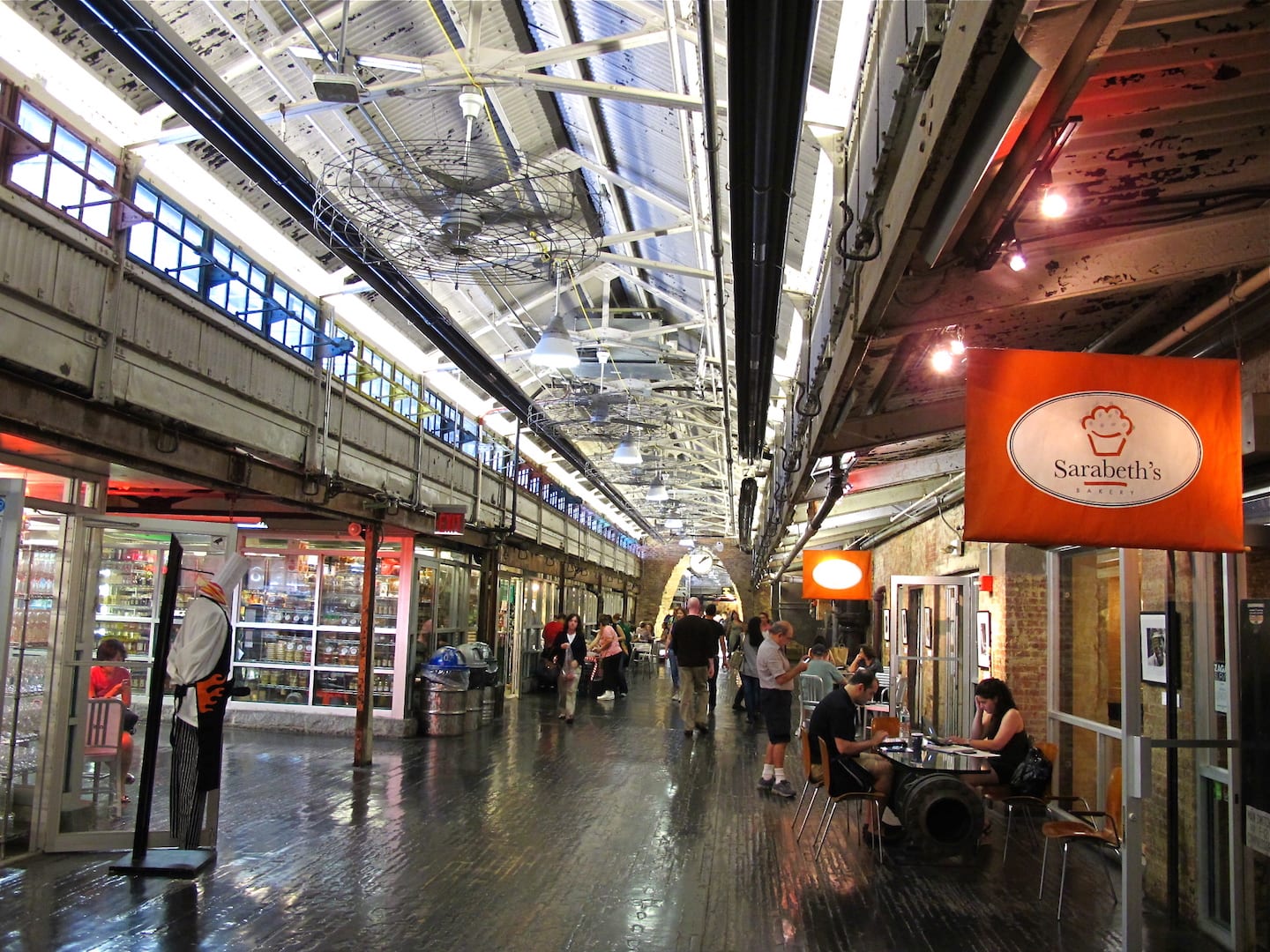
- Second attraction with higher capacity: something that can absorb crowds, like a big science museum, indoor market, or large gallery complex.
- Lunch off-peak: aim for 11:15 or 1:30 instead of noon. You will typically wait less and get better seating.
- Low-effort afternoon option: theater, planetarium show, indoor botanical conservatory, or a scenic indoor mall stroll if you need a reset.
- Evening closer: escape room, tasting flight, live music, or a dinner reservation close to where you started.
When to break the rules
- If rain is heaviest mid-day: schedule your longest indoor block (museum or aquarium) during that window.
- If you have timed tickets: build everything else around the timed entry, not the other way around.
- If kids nap: place your quietest stop right after lunch (planetarium, IMAX, story-driven museum, or an indoor boat ride if available).
Time it realistically
Most rainy-day itineraries fail because people underestimate how long indoor attractions take when the weather pushes everyone inside. Use these planning ranges as a starting point, then adjust for your city, venue size, season, and crowd levels.
Planning ranges for common stops
- Art museum: 1.5 to 3 hours (add time for special exhibits)
- History museum: 2 to 4 hours
- Science museum: 2 to 5 hours (hands-on areas slow you down)
- Aquarium: 1.5 to 3 hours (weekends lean longer)
- Zoo indoor exhibits only: 1 to 2.5 hours (depends on layout and covered walkways)
- Indoor botanical conservatory: 45 to 90 minutes
- Escape room: 60 to 90 minutes total (include check-in)
- Indoor go-karting: 60 to 120 minutes (gear, briefing, waiting)
- VR arcade: 60 to 120 minutes
- Movie or IMAX: 2 to 3 hours total (arrival and trailers included)
- Food hall or market: 60 to 120 minutes (more if you graze slowly)
Add three buffers
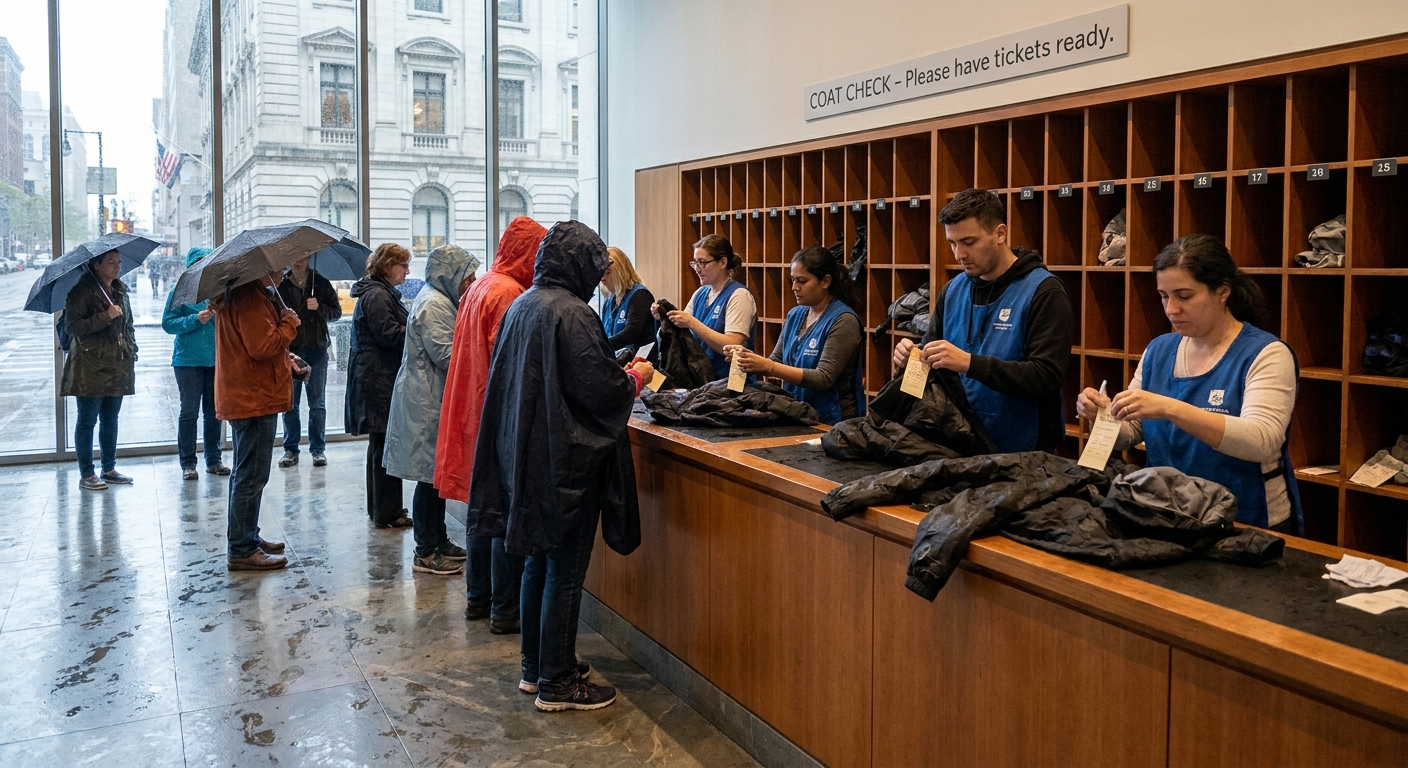
- Entry buffer: 15 to 30 minutes for ticket lines, coat checks, and security.
- Transit buffer: 10 to 20 minutes more than the map estimate because pickups and intersections get chaotic in the rain.
- Decision buffer: 20 minutes somewhere in your day so you can pivot without stress.
My favorite pacing formula: 2 major indoor attractions + 1 flexible mini-stop + 1 sit-down meal. Anything beyond that is a bonus.
Transit and money traps
When it is wet, you are more likely to spend on convenience. Some convenience is worth it. A lot of it is not.
Keep transit costs from ballooning
- Park once, stay nearby: choose a parking garage close to your anchor and plan the day around it.
- Do not “just pop over” across town: that is usually two rideshares and lost time.
- Prioritize covered connections: tunnels, skybridges, attached parking, or indoor complexes.
- Batch rideshare use: if you must rideshare, do it once midday and once at the end, not stop-to-stop.
If you are using public transit
You can still run the same anchor-and-cluster strategy, you just swap the radius rule.
- Cluster around a major station: pick an anchor near a central subway or rail stop with multiple lines, ideally with indoor access to malls, concourses, or attached buildings.
- Choose stops with indoor waiting: rainy bus stops are miserable. Favor venues near stations where you can wait under cover.
- Minimize transfers: one transfer in the rain feels like three. A slightly longer single ride is often the better call.
- Keep a backup route: if one line is delayed, have a second way back to your hotel area.
Avoid paying twice for the same experience
Rainy days make it tempting to buy multiple similar tickets because everything sounds fun indoors. Watch for overlap:
- Two big museums back-to-back: awesome in theory, exhausting in reality. Pick one major museum and one lighter activity.
- Multiple “viewing experiences”: observation deck + immersive projection show + planetarium often feels redundant. Choose the one that fits your group.
- Duplicate kid zones: if you do a children’s museum, you might not need an indoor play café too.
Add-ons that are often not worth it
- “Skip-the-line” upgrades when you already have timed entry, unless the upgrade truly includes a separate security or entry line at that venue.
- Souvenir photo bundles at every stop. Pick one place you truly want photos, usually the most iconic venue.
- All-inclusive packages if you cannot realistically use all inclusions due to weather and timing.
- Premium seating for a show unless it meaningfully improves visibility or comfort for your group.
Where I do spend: coat check, lockers, and one solid meal. Staying comfortable keeps the day fun.
Make it modular
My favorite rainy-day hack is to plan in blocks instead of a strict minute-by-minute schedule. You want options that can slide earlier or later without breaking the day.
Create three modules
- Module A (must-do): your anchor attraction with a time window.
- Module B (indoor guaranteed): your second major indoor stop that does not require strict timing, like a market or large museum.
- Module C (plug-and-play): 1 to 2 short options within the same area, like a conservatory, arcade, or specialty shop street.
Then add two backup meals: one sit-down reservation and one fast-casual option that can handle crowds.
Accessibility notes
If anyone in your group has mobility needs, rainy days are the time to simplify even harder.
- Call ahead about entrances: ask about step-free entry, elevator access, and where the accessible drop-off is.
- Reduce wet crossings: favor venues with attached parking garages, covered drop-off zones, or indoor connectors.
- Plan fewer transitions: one large venue plus a nearby meal can be a better day than three smaller stops.
- Use lockers strategically: less gear to juggle makes ramps, elevators, and crowded lobbies easier.
Sample itineraries
If you want templates you can copy, start here. Swap in your city’s equivalent venues and keep the cluster tight.
Family day (ages 4 to 12)
- 10:00 am: Science museum or children’s museum (2.5 to 3.5 hours)
- 1:00 pm: Early lunch at a nearby food hall (60 minutes)
- 2:15 pm: Aquarium or indoor conservatory (90 to 150 minutes)
- 4:30 pm: Treat stop: bakery, hot chocolate, or dessert café (30 minutes)
- Optional evening: Movie or family-friendly live show
Couples date day
- 11:00 am: Art museum with a special exhibit (2 to 3 hours)
- 1:30 pm: Lunch reservation slightly off-peak (75 to 90 minutes)
- 3:15 pm: Escape room or immersive exhibit (75 to 120 minutes)
- 5:30 pm: Cocktail bar, tasting room, or cozy dinner near your parking spot
Solo explorer
- 9:30 am: Big museum at opening (2 to 4 hours)
- 1:00 pm: Counter-service lunch and a slow wander through an indoor market (60 to 90 minutes)
- 2:45 pm: Bookstore, gallery row, or a small specialty museum (60 to 120 minutes)
- 4:30 pm: Coffee stop and plan your evening based on weather radar
Ultra-budget rainy day
If you are trying to spend as little as possible, you can still have a full, satisfying indoor day. The trick is choosing places where you can linger without paying for every minute.
- Free or low-cost anchors: big public libraries, city halls with indoor atriums, university museums, free museum hours, heritage centers.
- Warm places to reset: hotel lobbies (grab a drink if you are not staying there), indoor food courts, covered markets where browsing is free.
- Low-cost Module C options: bookstores, record shops, indoor craft markets, small galleries, local history exhibits.
- Money move: if a transit day pass actually makes sense in your city, use it to avoid rideshare surge pricing and keep the day flexible.
Ticket strategy
If you already know rain is likely, you can save money and stress with a few ticket rules.
Timed entry can help
Indoor crowding is real. Timed entry often helps reduce wait times, but it does not always eliminate lines for security, bag checks, or popular special exhibits. If your destination offers timed tickets for high-demand venues, grab them for your anchor attraction.
Only prepay what you will use
- Prepay: your anchor, a show you truly want, and anything that sells out.
- Wait to buy: your flexible Module C options until you see how the day is flowing.
Check these policies before you buy
- Refund or reschedule terms
- Last entry time (many museums stop entry earlier than closing)
- Re-entry rules (can you leave for lunch and come back?)
- Locker availability (useful for wet gear)
Comfort packing list
Yes, this is itinerary planning, but comfort is what keeps your indoor day from feeling like a wet slog.
- Compact umbrella that actually closes tightly
- Light rain jacket with a hood
- Extra socks (especially for kids)
- Small microfiber cloth for glasses and phone camera
- Reusable water bottle (museums are famously dehydrating)
- Portable charger (tickets, maps, and photos burn battery)
- Small zip bag for electronics, paper tickets, and receipts
Quick safety notes
- Slow down on slick surfaces: museum steps, tile floors, and metal grates get slippery fast.
- Umbrellas in crowds: keep them pointed down and closed indoors, especially in tight queues.
- Protect your phone: rain plus crowds is the perfect recipe for drops and water damage.
Planning checklist
- Pick an anchor with the strictest timing.
- Cluster stops in a 10 to 15 minute walk or 10 minute drive radius (or within one easy transit hub).
- Sequence smart: anchor early, lunch off-peak, low-effort afternoon.
- Time it realistically: add entry, transit, and decision buffers.
- Control costs: park once, avoid duplicate experiences, skip unnecessary add-ons.
- Make it modular so you can swap one block without breaking the day.
If you are choosing between squeezing in one more stop and staying in one neighborhood longer, pick the neighborhood. In the rain, less bouncing around usually means more fun.
FAQ
How many indoor attractions should I plan?
For most travelers, two major indoor attractions plus one flexible mini-stop is the sweet spot. Add a sit-down meal, and you have a full day without rushing.
What is the biggest mistake on rainy days?
Overcommitting and underestimating lines. Rain concentrates crowds indoors, so your “quick museum visit” can easily stretch. Build buffers and avoid tight back-to-back timed entries.
How do I avoid wasting money on transit?
Cluster attractions tightly, park once if you have a car, and resist cross-town detours. If you are on public transit, minimize transfers and cluster around one strong station.
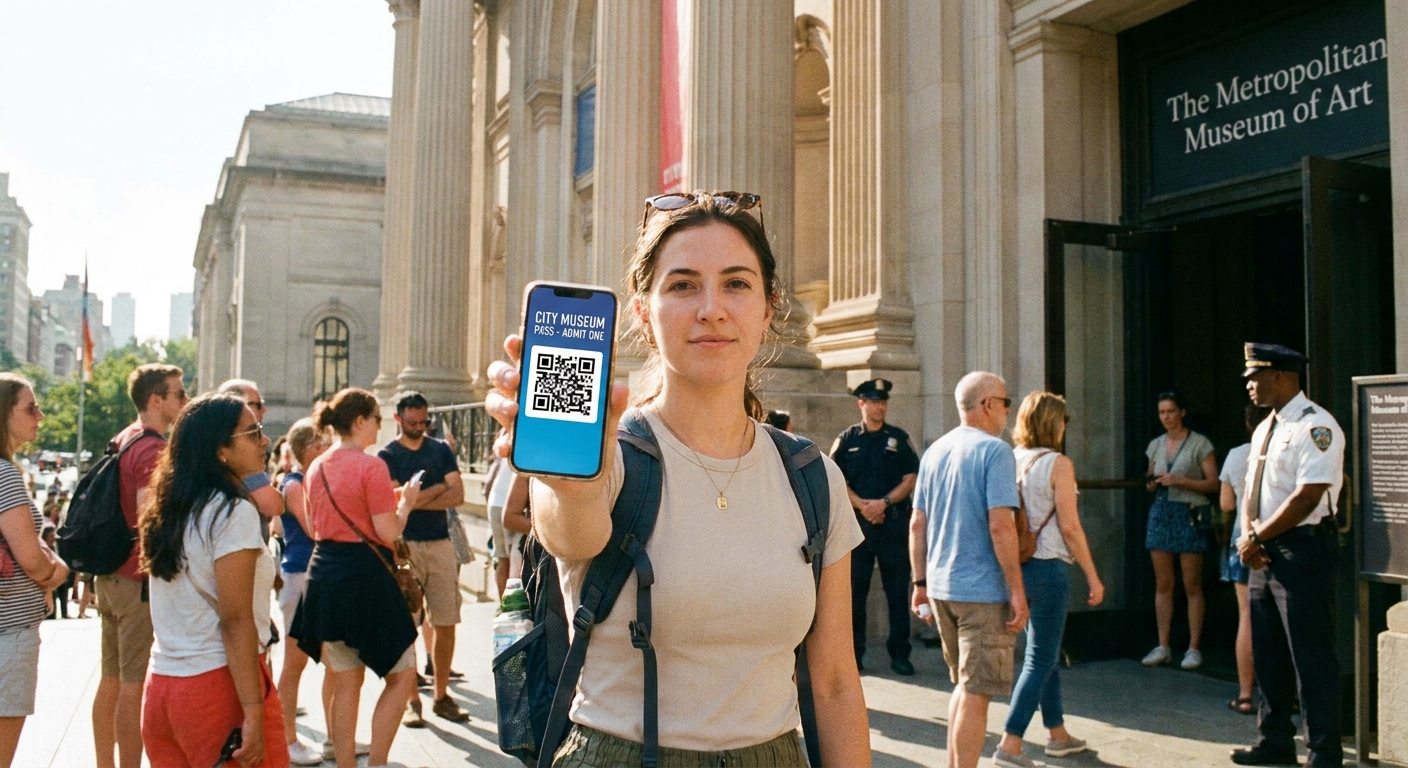
Should I buy a city pass for a rainy day?
Only if you can realistically use multiple included indoor attractions in the same area within one day. If the pass forces you to crisscross the city, it often wipes out savings in transit and time.