Large interactive science museums are basically theme parks in lab-coat form. They are loud, hands-on, curiosity-fueled, and easy to underestimate. I have watched families spend the first hour wandering in circles, then panic-sprint to a planetarium show they did not book, then end the day in the gift shop negotiating over a plasma ball like it is a rare artifact.
Let’s do it differently. With a tiny bit of strategy, you can hit the best exhibits, catch the live demonstrations worth your time, and dodge the worst crowd surges without turning your day into a rigid march. Here is my step-by-step playbook for making a massive science museum feel totally manageable.
Before you go: the 15-minute setup that changes everything
1) Pick your must-do three
Interactive science museums are designed to pull you in every direction. Before you even park, choose three priorities. These should be the experiences you would be genuinely bummed to miss.
- One anchor experience: planetarium, giant-screen film, special exhibition, or a signature artifact (space capsule, giant engine, live animal lab).
- One hands-on zone: tinkering studio, maker space, engineering challenges, or physics playground.
- One slow wonder: aquarium wing, natural history hall, butterfly habitat, or a quieter discovery area.
Everything else becomes a bonus. This keeps your day fun instead of frantic.
2) Check the schedule like it is a show lineup
Live demos, feedings, lab talks, and maker workshops are your headliners. At many museums, they are also the first things to fill up, and the easiest to miss if you wing it.
- Look for anything labeled live, demo, lab, feed, talk, maker, or drop-in.
- Note whether it is first come or ticketed. Ticketed sometimes means a separate time slot even if the museum itself is general admission.
- Build your day around two live moments, not six. Two is satisfying. Six turns into a sprint.
3) Screenshot the map and pick a home base
Most giant museums have confusing footprints: multiple wings, split levels, and one escalator that always seems to be on the opposite side of the building from where you are standing.
- Screenshot the museum map on your phone so you can access it when cell service gets weird indoors.
- Pick a home base: the central atrium, main café , or the biggest landmark (often the space or transportation hall). Any time you feel turned around, return to home base and reset.
- Circle the restrooms on the map. This is the most heroic planning move you will make all day.
4) Confirm the boring stuff that saves your whole morning
Five minutes of checking details can prevent the classic “we came all this way and… wait, what?” moment.
- Timed-entry rules: some museums require a timed entry reservation even with a ticket or membership.
- Parking: if prepay is available, do it. If not, note the overflow lot situation.
- Special exhibits: confirm whether they require a separate ticket, a timed slot, or both.
- Outside food policy: some places allow snacks but not full meals. Know before you pack a whole picnic like you are moving in.
Arrival plan: start strong, not stressed
Arrive earlier than you think
If the museum opens at 10:00, aim to be at the door at 9:45. That buffer lets you handle parking, bag check, stroller decisions, and ticket scanning without starting your day already behind.
Best case scenario: you get into the first wave and enjoy 30 to 60 minutes of calmer galleries before the midday surge.
Do the first 10 minutes on purpose
When you walk in, do not let the first shiny exhibit kidnap your whole group.
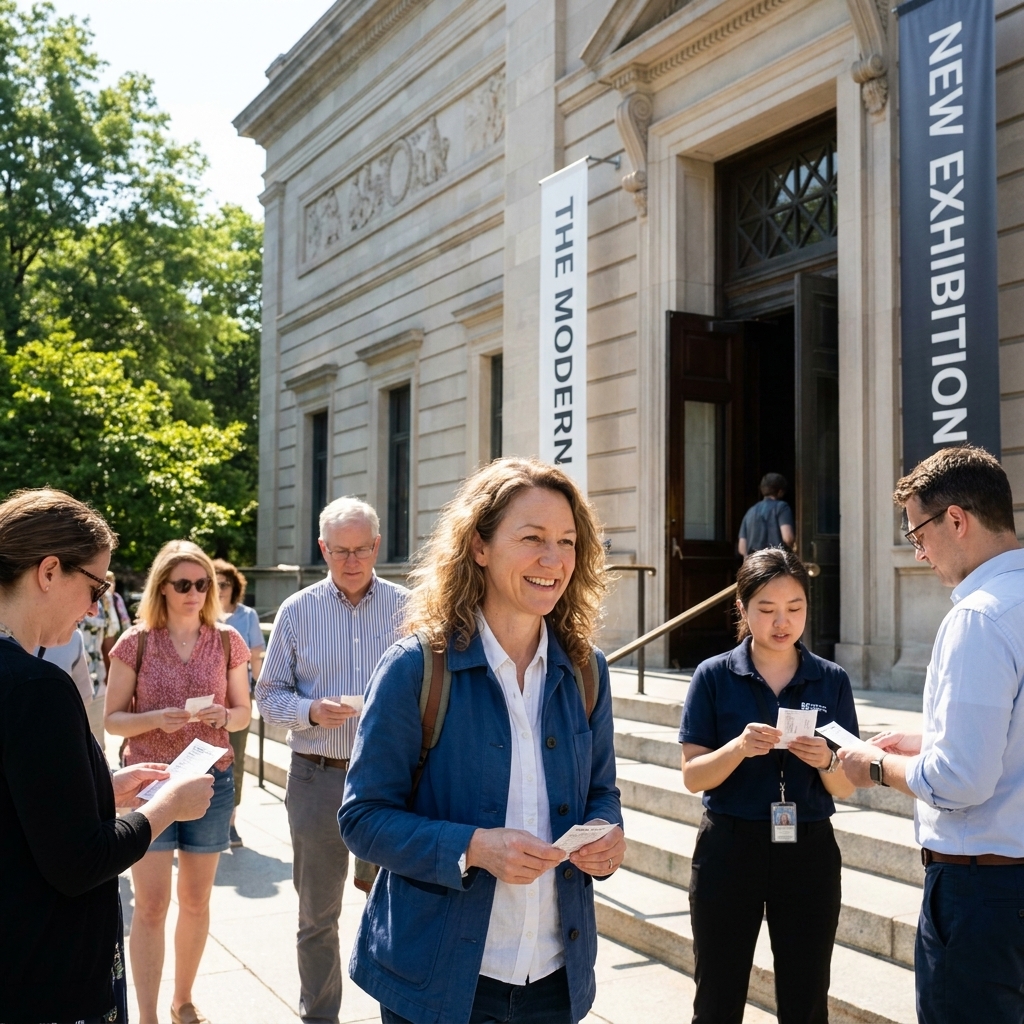
- Confirm showtimes and demo times on the board near the entrance.
- Reserve any timed experiences you care about (planetarium, film, special exhibit) if needed.
- Do a quick group reset: bathrooms, water refills, snack check, stroller adjustments.
Then go explore with total freedom, because you have locked in the important stuff.
Set a meetup point (especially with kids)
Choose one obvious landmark near your home base and name it out loud. If you have kids who are fast, take a quick photo of what they are wearing that day. It is a small move that can save a lot of stress later.
Navigation: see more, walk less
Use the outer loop
Museums are often laid out like spokes around a hub. If you bounce between wings randomly, you will zigzag and burn energy fast.
Instead:
- Start with a section farthest from the entrance.
- Work your way back toward home base, exhibit by exhibit.
- Try to finish a section before changing floors, unless you are chasing a time-sensitive must-do.
This one habit cuts down on backtracking and keeps everyone in a better mood.
Go up a floor early (if it makes sense)
Most visitors naturally start on the ground floor and stay there until it is packed. If your museum has two or more levels, consider heading up early. Upper floors often feel calmer in the first half of the day, though some museums put the kid magnets upstairs, so use your map and your judgment.
Plan for sticky exhibits
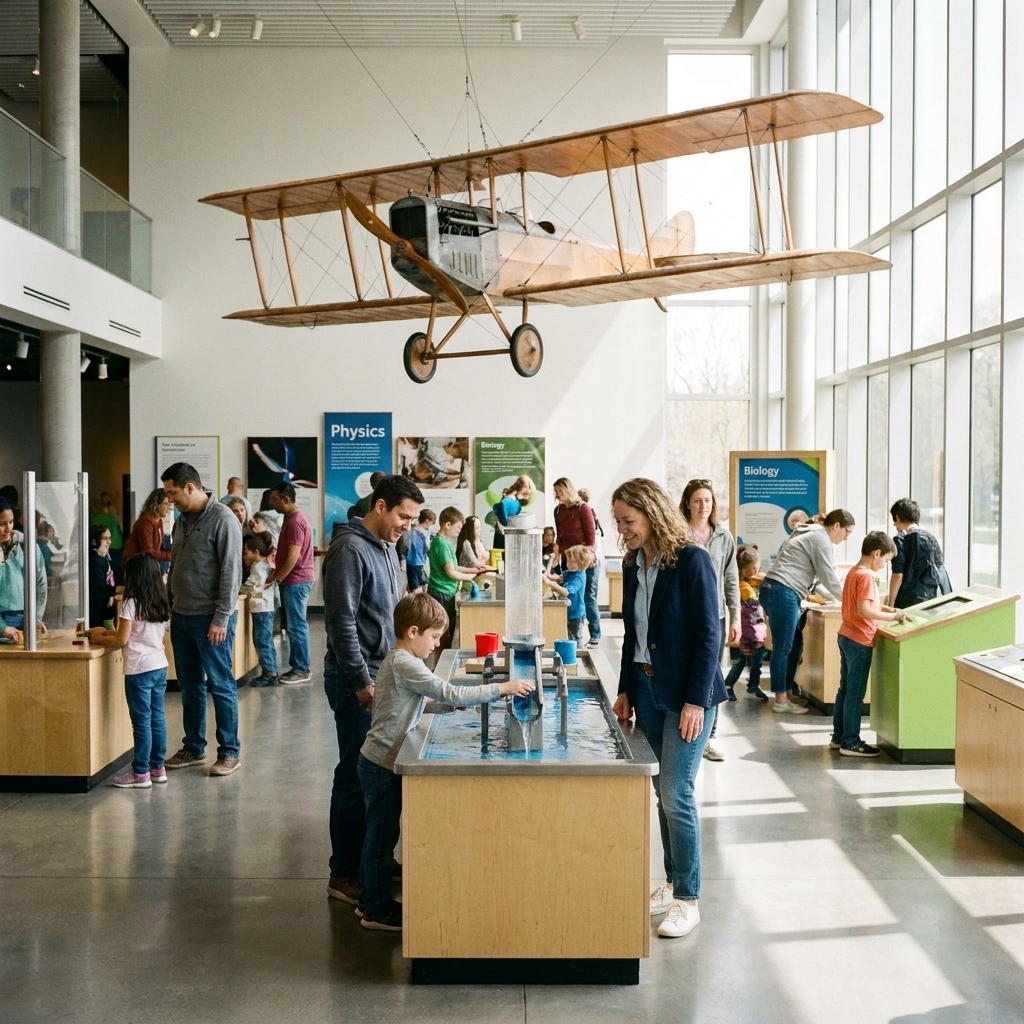
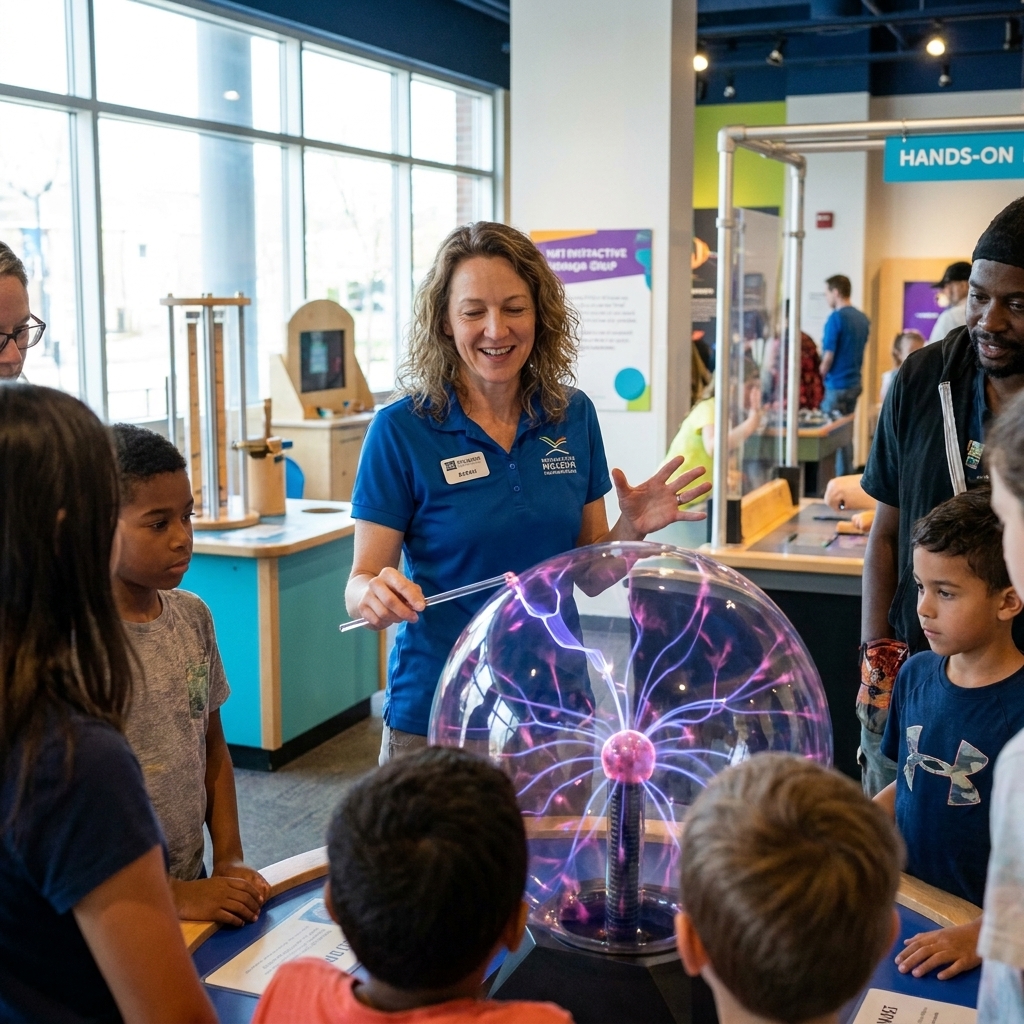
Some hands-on areas are time magnets. Think: water tables, earthquake simulators, build-and-test ramps, and anything with goggles.
- If you have younger kids, schedule a sticky exhibit before lunch and after lunch. That gives them free-play time without derailing your whole route.
- If you are visiting as adults, choose one sticky zone and set a friendly time cap like “three builds each” or “20 minutes, then we move.”

Live demos: pick the winners
Choose demos with a real payoff
The most memorable demos tend to have one of these:
- Big sensory moment: fire, liquid nitrogen fog, electricity arcs, loud sound waves, giant bubbles.
- Audience participation: volunteers, quick challenges, hands-on mini experiments.
- Behind-the-scenes access: a lab window, animal care talk, or engineering teardown.
Arrive 10 to 15 minutes early, then stand smart
For standing-room demos, aim for the front sides rather than the dead center. You will see the table better, avoid blocked sightlines, and have an easier exit if someone needs a bathroom break mid-spectacle.
Use showtimes as anchors
Here is my favorite rhythm for a full day:
- Morning: big interactive galleries while crowds are lighter
- Late morning: first live demo
- Midday: lunch during the peak surge
- Early afternoon: quieter exhibits and any special galleries you care about
- Mid-afternoon: second live demo or planetarium show
- Late afternoon: gift shop or a final victory lap in your favorite zone
Crowds: dodge the worst of it
Know the peak window
While every city is different, many large science museums feel busiest from roughly 11:00 am to 3:00 pm, with the worst congestion clustering around lunch and early afternoon arrivals.
Your goal is not to avoid crowds entirely. It is to schedule your most popular zones outside the messiest window.
Use lunch as a crowd shield
Lunch is when lines spike everywhere, and galleries get noisy. Two solid options:
- Early lunch: 11:15 to 11:45. You beat the rush and re-enter galleries while others are still queuing for food.
- Late lunch: 1:30 to 2:00. You let the peak pass, then enjoy calmer exhibits afterward.
Pro move from my hospitality days: if the café is chaotic, find a quieter bench near a less popular wing and do a quick snack break. Even a simple reset can save the afternoon.
Save the gift shop for the end
The gift shop is a crowd magnet. If you go in early “just to look,” you will lose time, patience, and probably money.
Take a photo of anything you might want, then come back in the last 15 minutes. It feels like a reward, not a detour.
Game plans by visitor type
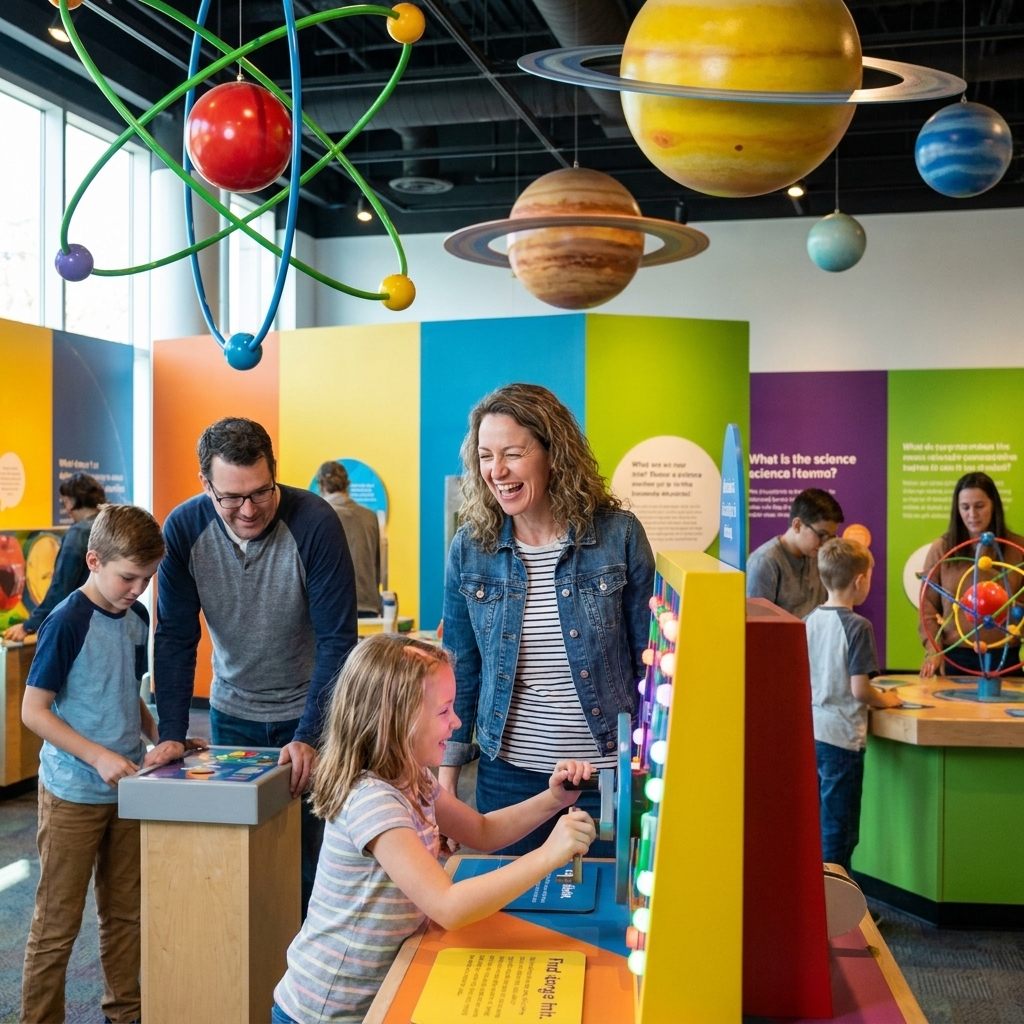
Families with young kids (3 to 8)
- Arrive at opening and go straight to the most hands-on kid zone.
- Do one structured activity early: a short demo, storytime science, or a simple workshop.
- Schedule a snack break before anyone melts down, usually 90 minutes in.
- Hit a calmer wonder area after lunch (aquarium, nature, space gallery).
- End with a sticky exhibit and leave while everyone is still happy.
Families with older kids and teens
- Start with the most challenging zone first (engineering, robotics, problem-solving labs).
- Pick one competition-style activity: build-and-test, coding challenge, flight sim, escape-room style science challenge if offered.
- Anchor the afternoon with a big demo or planetarium show.
- Leave time for the special exhibition, because teens often love the “exclusive” feeling of ticketed galleries.
Couples
- Book one premium add-on if it fits your budget: planetarium, special exhibit, behind-the-scenes tour.
- Do hands-on exhibits early, when you can linger without crowd pressure.
- Plan a café break mid-visit and talk about what surprised you most.
- End with a photo-worthy hall: space, dinosaurs, transportation, or a dramatic atrium.
Solo visitors
- Start with timed experiences and lock in your schedule.
- Move fast through broad galleries, then slow down in two areas you love.
- Attend at least one talk and ask a question. Staff love engaged visitors, and you often get extra tips on what to see next.
- Take notes or photos of exhibit labels you want to research later. You will remember the day longer.
Comfort and budget tips
What to bring
- Refillable water bottle (many museums have fountains or refill stations)
- Hand sanitizer (hands-on exhibits are joyful germ magnets)
- Small snack for kids or anyone who gets hangry (check outside food rules first)
- Portable phone charger if you rely on maps and photos
- Light layer (planetariums and theaters often run cold, and you will thank yourself later)
Smart ways to save
- Look for late-day entry discounts if you do not need a full day. Some museums offer these, some do not.
- Consider memberships if you will visit twice in a year. Many pay for themselves fast and may include guest passes or reciprocal entry at partner museums.
- Plan food strategically: pack what is allowed, or do a split meal (entrée plus shared snack) to avoid overspending at the café.
Accessibility and sensory notes
Big science museums can be intense. If your group includes someone who is sensory-sensitive, ask guest services about:
- quiet rooms or low-stimulation areas
- sensory maps or headphones
- less busy entry times
- elevator locations and step-free routes between floors
Common mistakes
- Trying to see everything. You will enjoy more by doing less, especially in interactive spaces.
- Ignoring timed tickets. At many museums, the most in-demand experiences require a reservation or timed slot even when general admission is easy.
- Saving the best zone for later. Later is when it is crowded and everyone is tired. Start with your priority.
- No break plan. A five-minute sit-down every hour keeps the day from unraveling.
Quick FAQ
How long do you need?
For most visitors, 4 to 6 hours is a strong sweet spot, but it varies based on the museum’s size, crowd levels, and whether you add a show or ticketed exhibition. With little kids or a serious maker space, you can easily fill a full day.
Best time to avoid crowds?
Right at opening is your best bet. If you have flexibility, weekdays outside school break periods are typically calmer, but even on weekends, the first hour is golden.
Are planetarium shows worth it?
If you enjoy immersive experiences, yes. Planetarium and giant-screen shows are excellent rest-without-feeling-like-a-rest moments, and they break up the day nicely.
How do you handle different interests in one group?
Use the must-do three method, then add a 30-minute split window where people can explore adjacent exhibits and reunite at a landmark. Everyone gets autonomy without losing the group.
Final checklist
- Pick three must-dos
- Screenshot the map and mark bathrooms
- Confirm timed-entry rules, parking, and special exhibit tickets
- Book timed experiences in the first 10 minutes
- Use the outer loop to avoid backtracking
- Plan two live demos or shows max
- Eat early or late to dodge the lunch crush
- Set a meetup point
- Save the gift shop for the end
Do that, and your visit will feel like the best kind of busy: curious, surprising, and full of little wins. Have fun out there, and if you find a hidden exhibit that deserves more love, I want to hear about it.