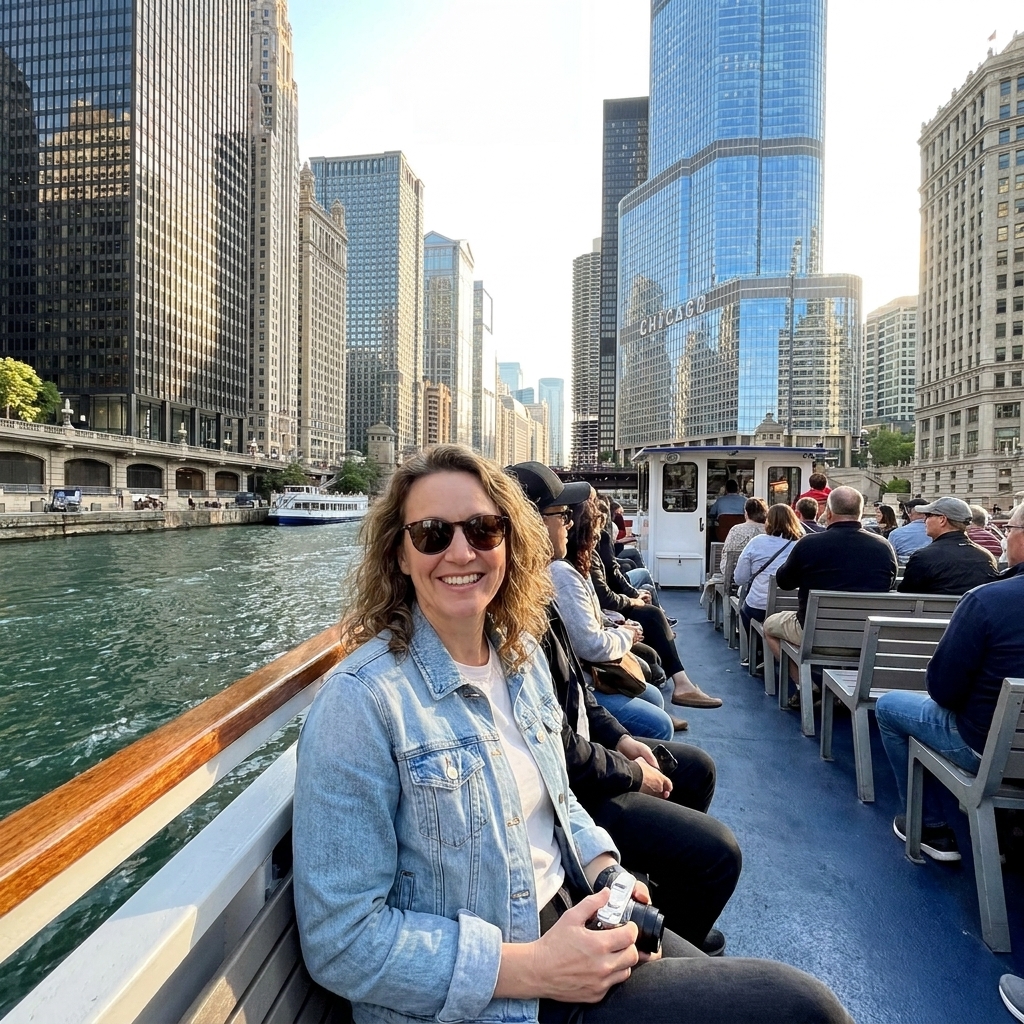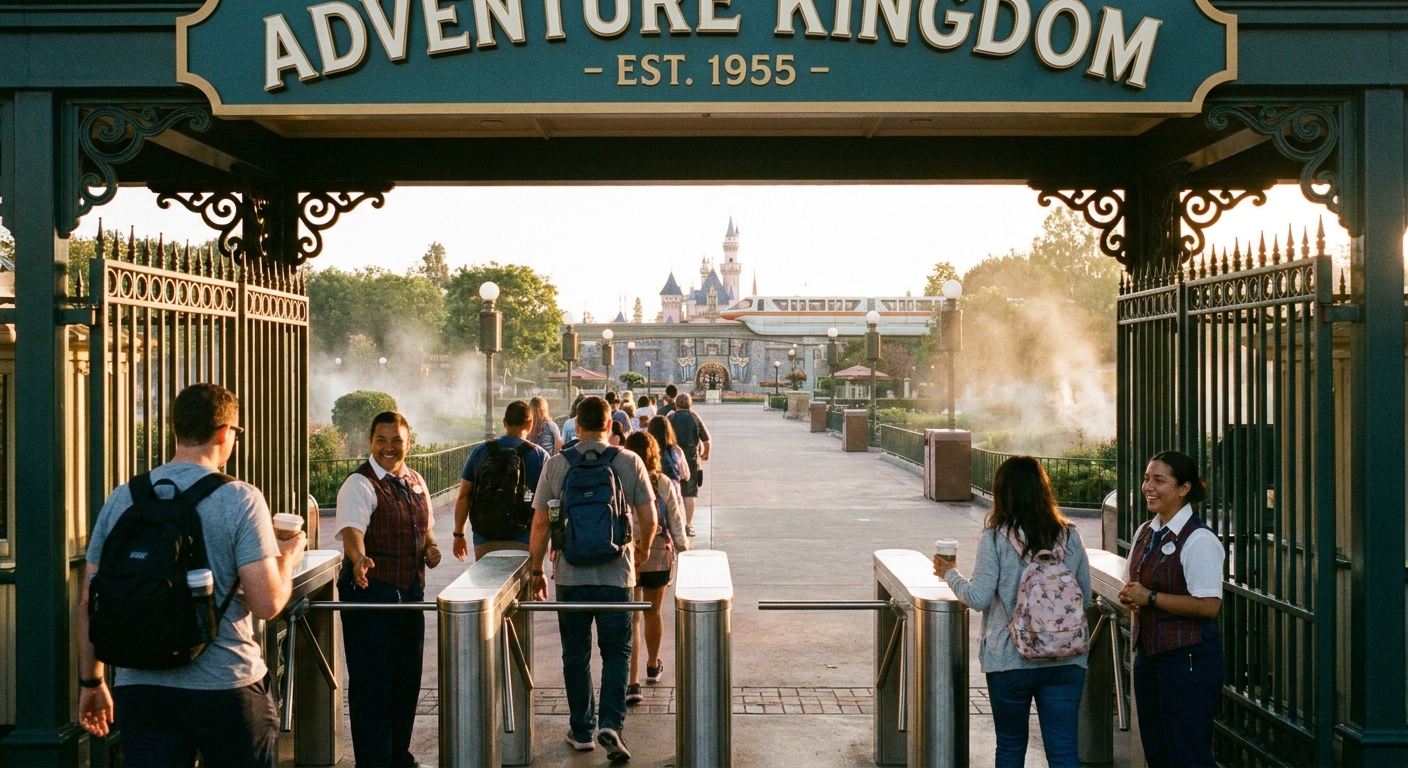
There is a moment that happens at almost every major attraction. You are standing near the entrance with a ticket in one hand, your phone in the other, and you spot two paths: the group gathering around a guide with a little flag, and the confident solo explorers slipping inside at their own pace.
Both can be fantastic. Both can also be frustrating if you pick the wrong one for the kind of day you want. I have done enough museums, historic estates, national landmarks, and bucket-list venues to tell you this: the “best” choice is the one that matches your time, energy, budget, and how much context you actually want.
The quick verdict
- Choose a guided tour if you want stories, structure, and the greatest hits with minimal planning on your part.
- Choose self-guided if you want flexibility, to linger (or skip) freely, and to control your pace, breaks, and budget.
- Choose a hybrid if you want one “anchor” tour for context, then free time to roam and revisit what grabbed you.
What you are choosing
On paper, it sounds like a simple decision. In reality, guided vs self-guided is a trade between five things:
- Context vs freedom: deep storytelling and expert framing vs exploring exactly what you want.
- Efficiency vs wandering: curated routes and pacing vs discovery and detours.
- Group pace vs your pace: staying with the schedule vs stopping when you are curious or tired.
- Predictability vs spontaneity: a clear start and end time vs adjusting on the fly.
- Extra cost vs DIY value: paying for expertise and potential access perks vs using free resources.
Guided tours: pros
You get the “why,” not just the “what”
At big-name attractions, what you are seeing is often only half the experience. A great guide turns “pretty room” into “this room changed the entire building’s purpose,” or “nice painting” into “this tiny detail caused a scandal.” If you love leaving with a story to tell later at dinner, guided tours deliver.
You waste less time deciding
Decision fatigue is real, especially in museums with dozens of galleries or estates with multiple wings, gardens, and outbuildings. Guided tours remove the constant question of “Are we missing something important?” The route is chosen for you, and you can relax into it.
You can move smarter through crowds
Experienced guides know the crowd patterns: when a popular room is packed, which hallway is a faster connector, and when it is better to swap the order of stops. Sometimes, certain official or venue-approved tours also come with timed entry, group lanes, or access to specific time slots that reduce waiting. That is highly site- and ticket-type-dependent, so it is worth confirming exactly what you are buying.
It can be easier for first-timers
If you are visiting a major landmark for the first time, a guide helps you build a mental map quickly. That is especially helpful in sprawling sites where navigation is half the battle.
It helps when signage is limited
In some destinations, interpretation is light, signage is minimal, or it is not in your language. A good guide can turn a confusing visit into a coherent one fast.
Guided tours: cons
The pace is not yours
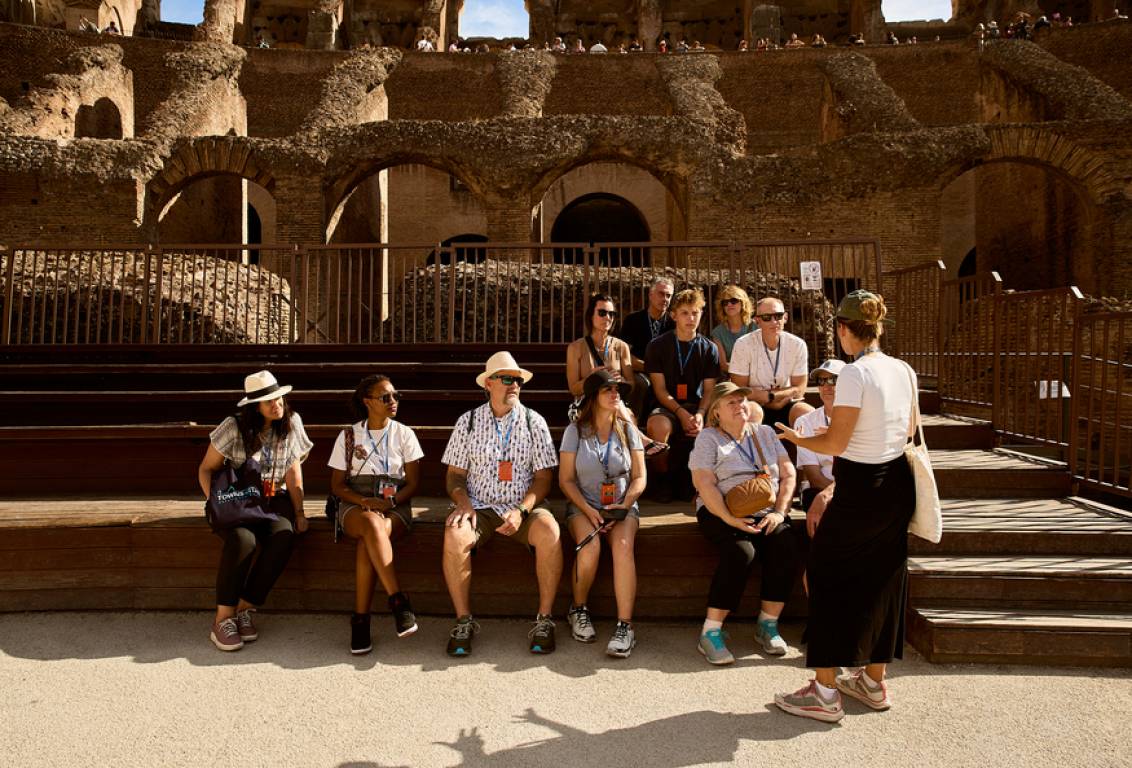
Guides have a schedule, and groups have mixed interests. If you are the type who wants to stare at one artifact for five minutes or take a quiet break whenever you feel like it, a guided tour can feel like speed dating with history.
You might miss what you care about
Most standard tours focus on highlights. That is great until your favorite section is the niche corner nobody else asked about. If you are traveling with a super fan of a specific artist, era, or theme, check the tour outline first or consider a private or specialty tour.
Group dynamics can be hit or miss
Even with a great guide, one loud talker in the group or a weak audio system can make it harder to hear. If you are sensitive to noise, crowds, or close-quarters group movement, self-guided can be calmer.
It costs more, and not always a little
Guided tours often add a meaningful premium. That premium can be worth it, but it should buy you something tangible: better storytelling, a smarter route, reduced stress, or a real logistics perk like entry timing.
Self-guided: pros
Total flexibility
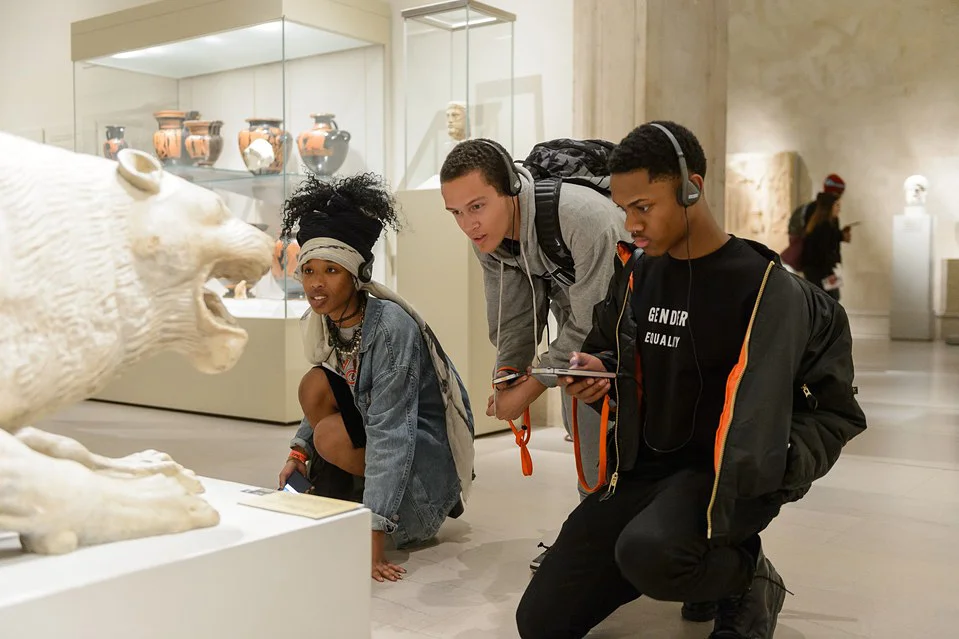
Self-guided is the choose-your-own-adventure version of sightseeing. Want to spend an hour in the gardens and ten minutes inside? Go for it. Need snack breaks, stroller stops, or just a quiet bench moment? No one is waiting on you.
Better for mixed-energy groups
Kids (and honestly, adults) have unpredictable attention spans. Self-guided makes it easier to pivot: split up briefly, take breaks without guilt, or let someone skip the part they are not into.
It can be rich with the right tools
Self-guided does not mean “no information.” Many major attractions offer official audio guides, apps, printed maps, free talks, short films, and strong room signage. The quality varies wildly, though, so I treat it like a quick pre-visit check: is the audio guide current, and do people say it is actually helpful?
Usually the most budget-friendly
If the base ticket is already a splurge, self-guided keeps add-ons under control. You can still invest in one upgrade that matters, like an audio guide, a special exhibit ticket, or a less crowded time slot.
Self-guided: cons
It is easy to miss the best stuff
At huge venues, self-guided visitors sometimes wander in circles or accidentally skip signature rooms. If you only have a short window, that can sting.
You may plan more than you want
To do self-guided well, you will want a rough plan. Which entrance? Which wing first? What is the must-see list? If planning is not your hobby, guided can be a better use of your energy.
Crowds can dictate your day
Without a guide steering around bottlenecks, you may get trapped in peak-time congestion. Self-guided crowd strategy is possible, but it takes awareness and a willingness to take the quieter hallway instead of following the herd.
A quick checklist
Go guided if…
- You have limited time and want the highlights fast.
- You value stories, context, and expert insight.
- You get overwhelmed by large museums or complex sites.
- You are visiting a historic landmark where interpretation matters as much as visuals.
- You want a hands-off day with minimal planning.
Go self-guided if…
- You want to set your own pace and take breaks freely.
- Your group has different interests or energy levels.
- You are watching the budget closely.
- You love lingering, photographing, sketching, or reading signage.
- You are revisiting a venue and do not need a full overview.
Timed entry is still a thing
One quick reality check: at many high-demand attractions, self-guided does not mean walk up whenever you want . You may still need a timed ticket, a reservation, or a booked entry window. Guided tours can also be tied to specific time slots, so either way, check entry rules before you build your day around “we will just pop in.”
Match the venue
Major museums
Best bet: guided if it is your first visit and you have 2 hours or less; self-guided if you have half a day or more.
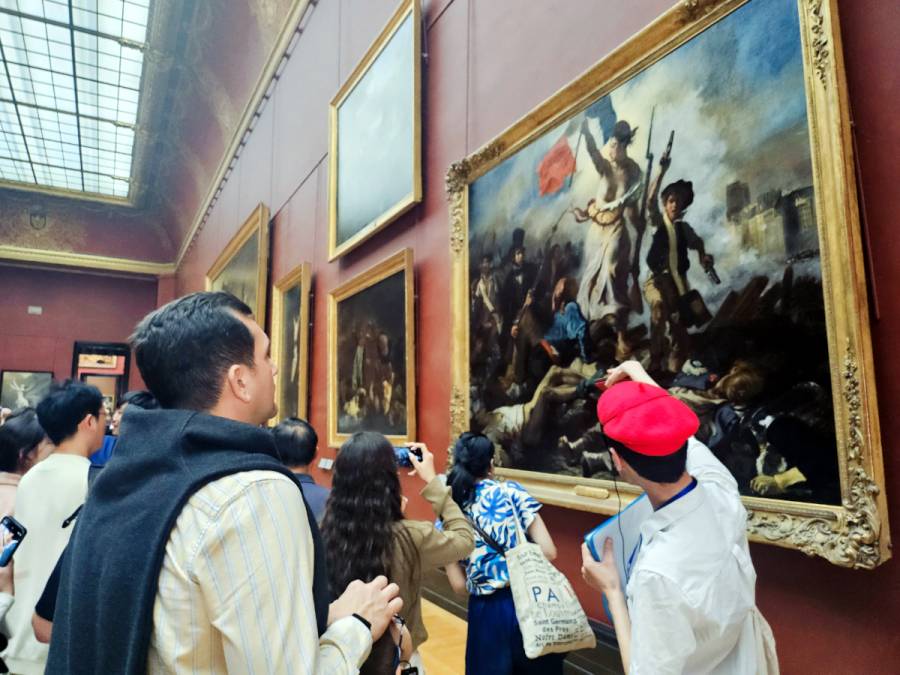
Museums are where highlights tours really earn their keep. A well-designed tour helps you understand the big themes quickly. But if you have time, self-guided can be bliss: you can chase your own interests and avoid popular rooms when they are jammed.
Historic homes and estates
Best bet: guided, especially for interiors.
Estates are story machines. The context behind a dining room, servants’ quarters, restoration choices, or family drama is often what makes the visit memorable. If the venue offers a guided interior tour plus self-guided grounds, that combo is usually ideal.
Iconic landmarks
Best bet: depends on your goal.
- If your goal is the view: self-guided, with a smart time slot.
- If your goal is meaning and history: guided, especially at sites with layered timelines.
Zoos and aquariums
Best bet: mostly self-guided, anchored by talks.
At animal attractions, feedings and keeper presentations can function like mini guided tours. Just note that schedules can be seasonal or lighter on certain days, so check the day-of lineup and build your route around what is actually happening.
Theme parks and immersive attractions
Best bet: self-guided unless you are buying access.
Most theme parks are designed for self-navigation. “Guided” experiences here often mean VIP tours or skip-the-line style access. If the tour includes major wait reductions and prime show seating, it can be worth it on high-crowd days. If it is just a host walking you around, keep your money for snacks and photos.
Time and crowd tips
If you only have 90 minutes
- Guided: choose a highlights tour with a clear duration and meeting point.
- Self-guided: pick 5 to 8 must-sees, and commit to skipping the rest.
If you have 3 to 5 hours
- Guided: do a short tour first, then free-roam the areas that clicked.
- Self-guided: start with the far wing or top floors first while energy is high, then work back toward the entrance.
If you are visiting in peak crowds
- Guided: book the earliest tour of the day if possible. Guides can help, but everyone is happier when the building is not already packed.
- Self-guided: arrive at opening or go late afternoon, and eat lunch at an off time. Crowds are often worst mid-day.
If you are watching every dollar
- Look for free docent talks, gallery talks, ranger programs, and scheduled short tours included with admission.
- Consider one paid audio guide for your group rather than multiple guided tickets, if sharing is allowed and practical.
- Prioritize upgrades that change logistics, like timed entry or a less crowded time window.
The hybrid plan
If you are torn, do not overthink it. Hybrid is often the sweet spot at major attractions.
Tour first, wander after
Start with a 60 to 90 minute highlights tour, then use your remaining time to revisit your favorite rooms and skip what did not resonate. You get the context, then the freedom.
Wander first, add a talk
If you like to absorb a place quietly first, roam for an hour and then attend a scheduled talk. This works great at museums and zoos.
Split it by area
Some landmarks are best explained outside, where you can see layout and history in one sweep. Then you can explore inside at your own pace, especially if interiors are crowded.
Before you book a tour
- Official vs third-party: if it is not sold by the venue, read the fine print on what is included and where you meet.
- What “skip the line” means: it can mean a timed ticket, a group entrance, or simply that someone else is holding your reservation.
- Group size: smaller groups usually mean better questions, better hearing, and fewer bottlenecks.
- Exact duration: be realistic about stamina, especially with kids or heat.
- Route and stops: confirm it matches what you came to see.
- Cancellation and changes: policies vary a lot, especially with third-party operators.
- Accessibility: ask about stairs, elevators, seating, pace, mobility device access, and hearing support.
- Sensory considerations: if you need quieter pacing or lower stimulation, ask about crowd levels, headset options, and whether a sensory-friendly route or time exists.
Do self-guided well
Make a tiny plan
Pick a few must-sees and a rough route. Leave the rest flexible. You will have more fun, and you will still feel purposeful.
Use the venue’s resources first
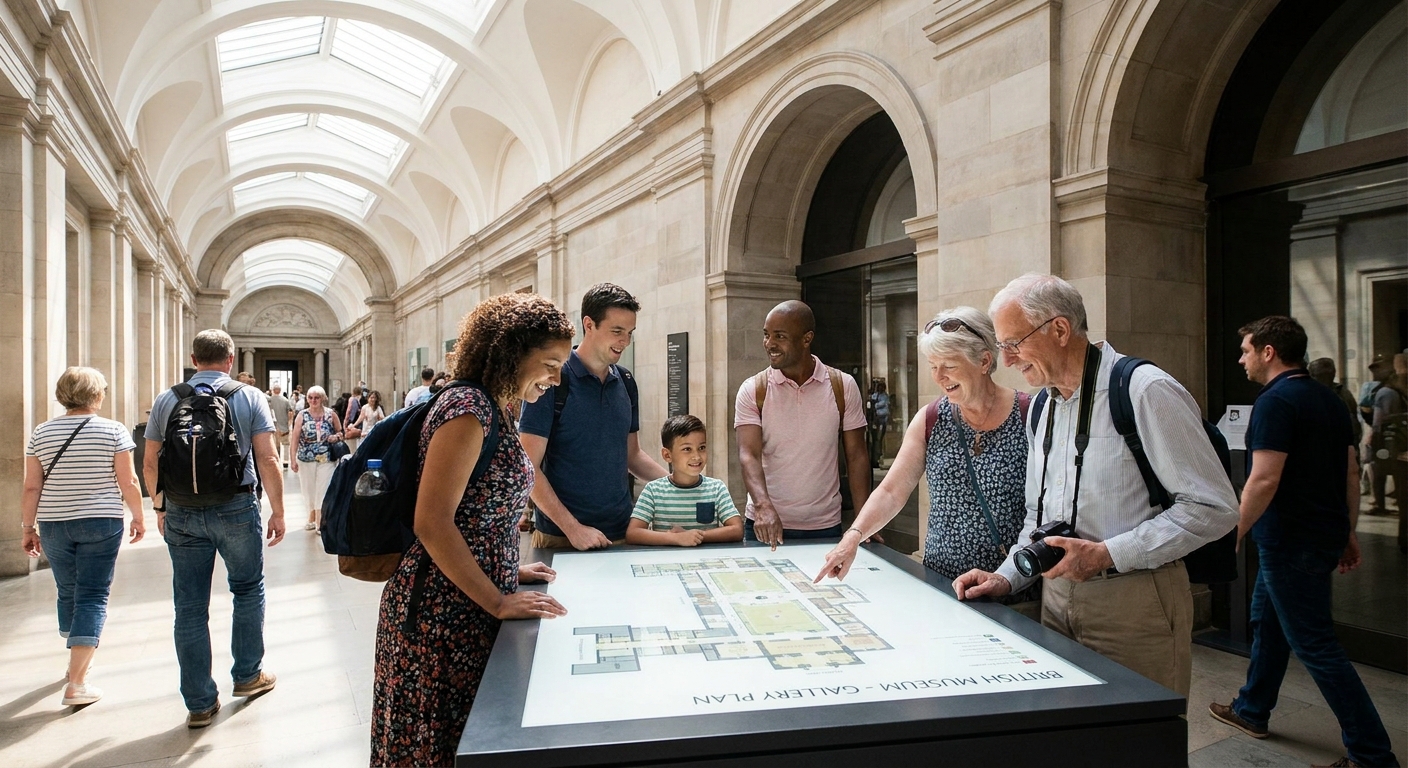
Official maps, apps, and audio guides are usually designed around the building flow. They can save you from backtracking.
Start where it is quieter
When you walk in, most visitors instinctively turn the same direction. If the map allows it, start with a less popular wing, then circle back to the marquee rooms later.
Plan one rest stop
My favorite trick is to choose a cafe, courtyard, or quiet gallery as your planned reset. You will last longer and enjoy more.
FAQs
Are guided tours worth it at famous attractions?
They are worth it when they give you one of these: meaningful context you would not get solo, a smarter route that saves time, or a real access perk that reduces waiting. If none of those apply, self-guided plus a good audio guide can be a better value.
Is an audio guide basically the same as a guided tour?
Not quite. Audio guides are great for flexible pacing and solid facts, but you lose the ability to ask questions and benefit from a guide adjusting the route in real time. Audio is ideal when you want control over your day but still want interpretation.
What is best for kids?
Most families do best self-guided, anchored by one or two short scheduled talks or interactive areas. If you choose guided, look for family-specific tours with shorter durations and hands-on elements.
What is best for couples?
If you like learning together, a guided tour can feel like a fun shared story. If you want a more relaxed pace with photo stops and snack breaks, self-guided is usually the move.
What is best for solo travelers?
Either works. Guided tours are a low-pressure way to meet people and get confident in a new place. Self-guided is perfect if you love moving fast, lingering quietly, or building your own theme for the day.
My bottom line
If you want to show up and have someone deliver the best parts with context, go guided. If you want freedom, flexibility, and space to follow your curiosity, go self-guided.
And if you are still stuck, here is my go-to rule: book a short guided highlights tour when time is tight or the site is historically dense, then give yourself at least an hour afterward to explore on your own. That is how you leave with both the stories and the serendipity.