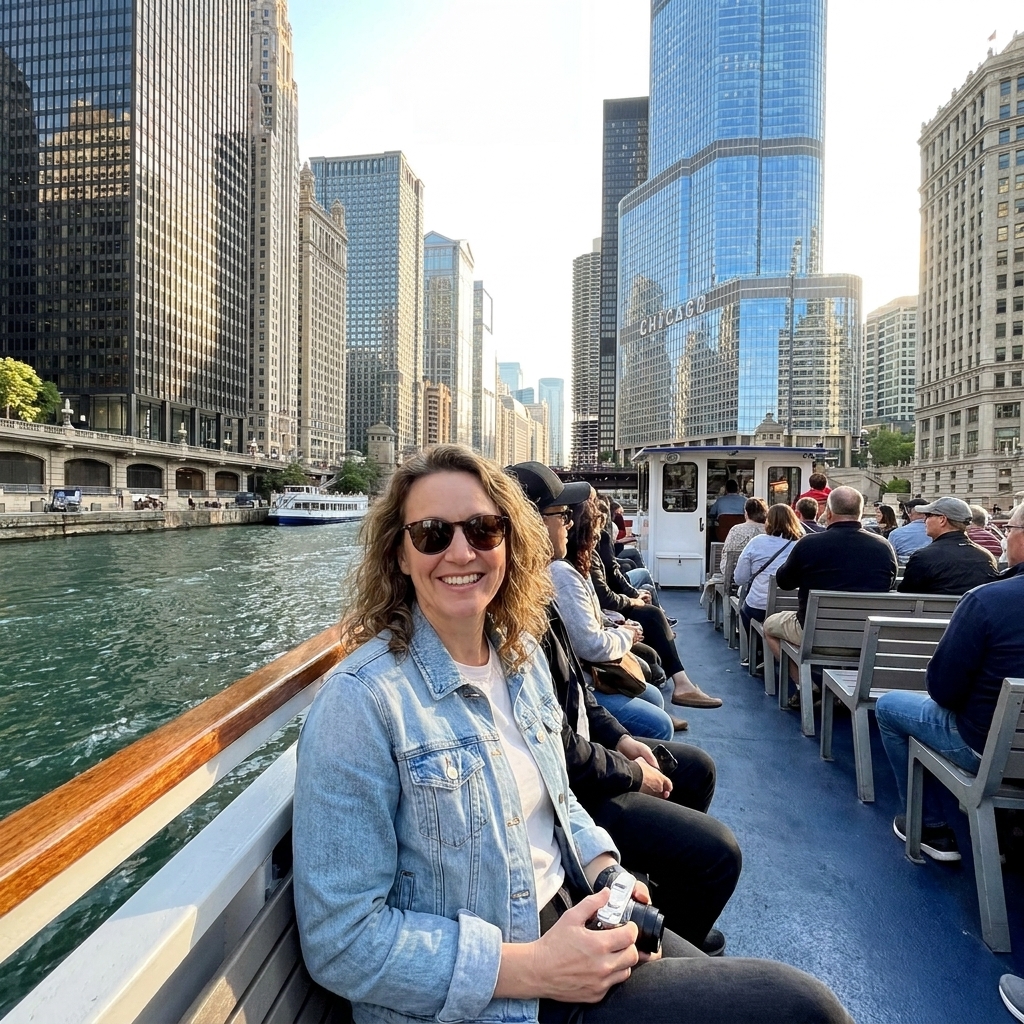
If you have ever tried to see a city in one day, you know the feeling: you walk until your feet complain, you zigzag between landmarks, and somehow you still miss the skyline photo you wanted. A landmark river or harbor cruise changes the pace. You sit down, the city comes to you, and you get a clean, wide-angle view of places that are oddly hard to appreciate from street level.
This is the way I plan cruise-based sightseeing days for families, couples, and solo travelers: pick the right route, lock in the right departure time, and build the rest of your day around the dock like it is your home base. Here is exactly how to do it.
How sightseeing cruises work
Most landmark cruises are designed for easy, low-stress sightseeing. You buy a ticket for a specific departure time, show up early to check in, and then ride a loop or point-to-point route that highlights major sights. Depending on the city, the cruise may be led by a live guide, a recorded narration system, or a mix of both.
Common cruise styles
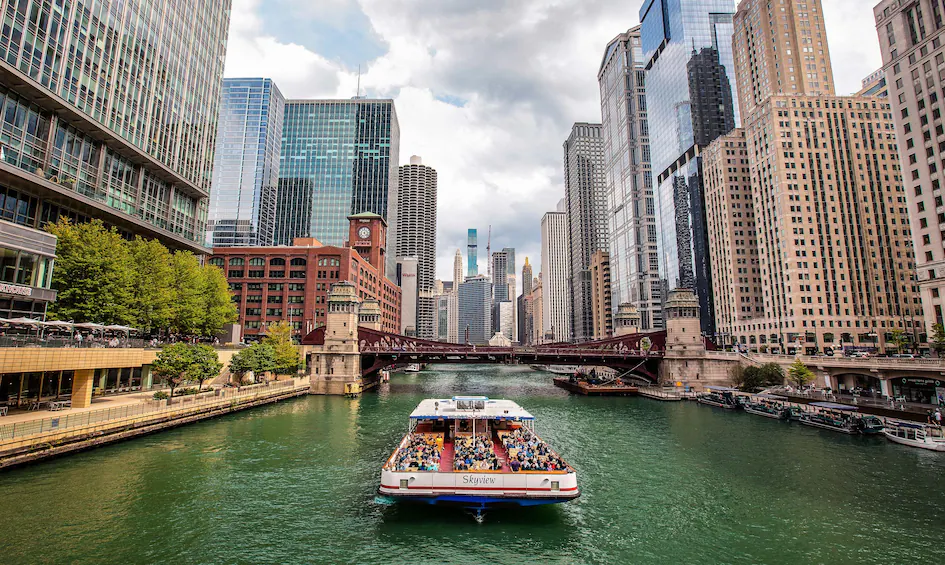
- River landmark cruises: Typically calmer water, closer views of buildings, bridges, parks, and riverfront neighborhoods. Great for architecture and photo angles you cannot get on foot.
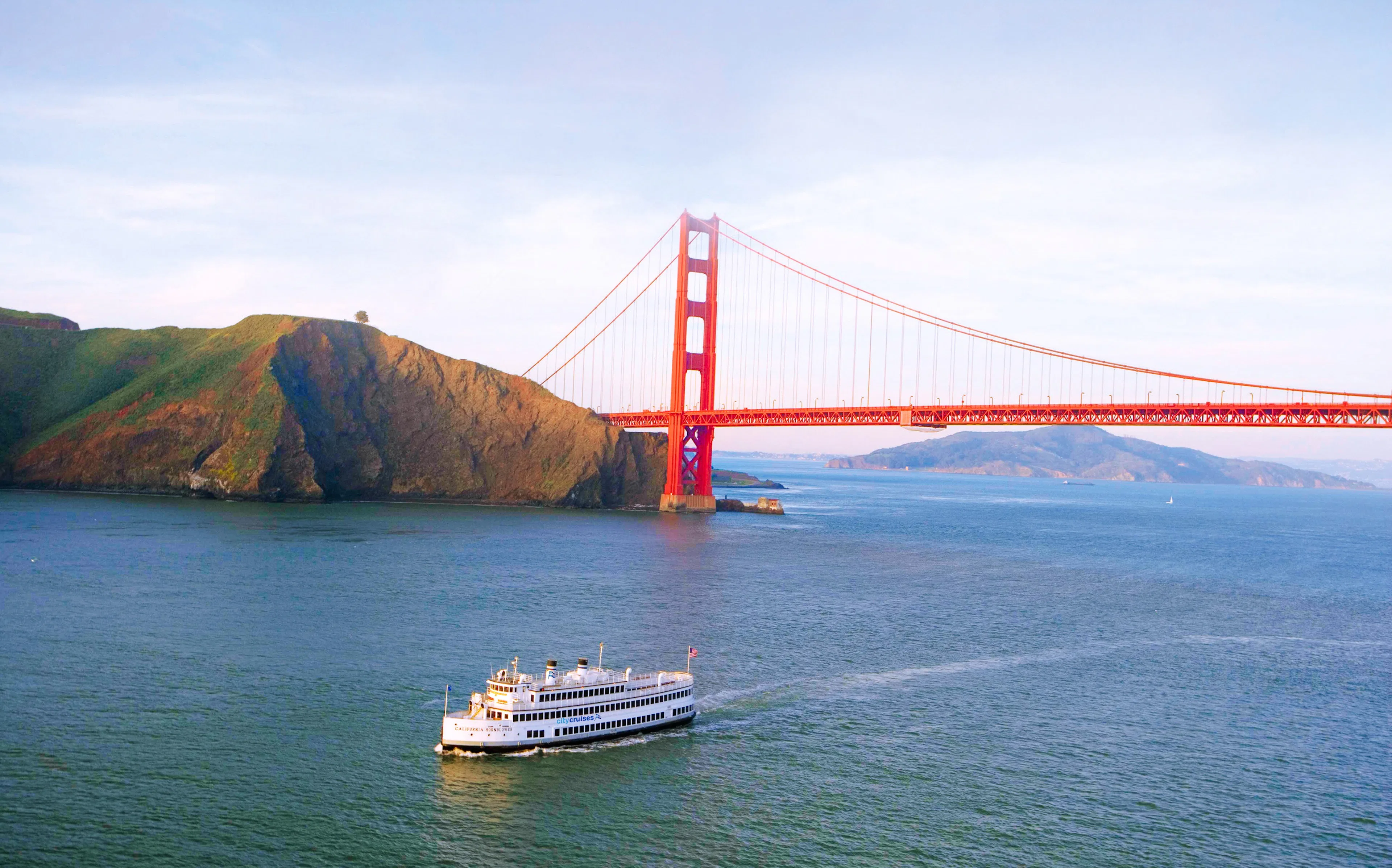
- Harbor cruises: Wider open water with skyline panoramas, working ports, and iconic waterfront landmarks. Often breezier and a little cooler, even on warm days.
- Combination routes: Some cities offer routes that include a river segment plus open harbor or bay, which can be a great single-ticket option if you want variety.
- Hop-on/hop-off water shuttles: More transportation than narration, but they can still be a smart sightseeing backbone when stops are near museums and districts.
Most standard sightseeing cruises often run between 60 and 120 minutes, but you will see shorter express loops (sometimes 30 to 45 minutes) and longer deep-dive options that go two hours or more. Specialty experiences like sunset, dinner, or holiday lights tend to run longer and can be less “landmark dense” in terms of narration.
What views you will get
Water-level sightseeing is its own vibe. The biggest perk is perspective. Buildings look taller. Bridges frame photos naturally. Skylines feel wider. And you get a little breathing room from street crowds.
Expect these highlights
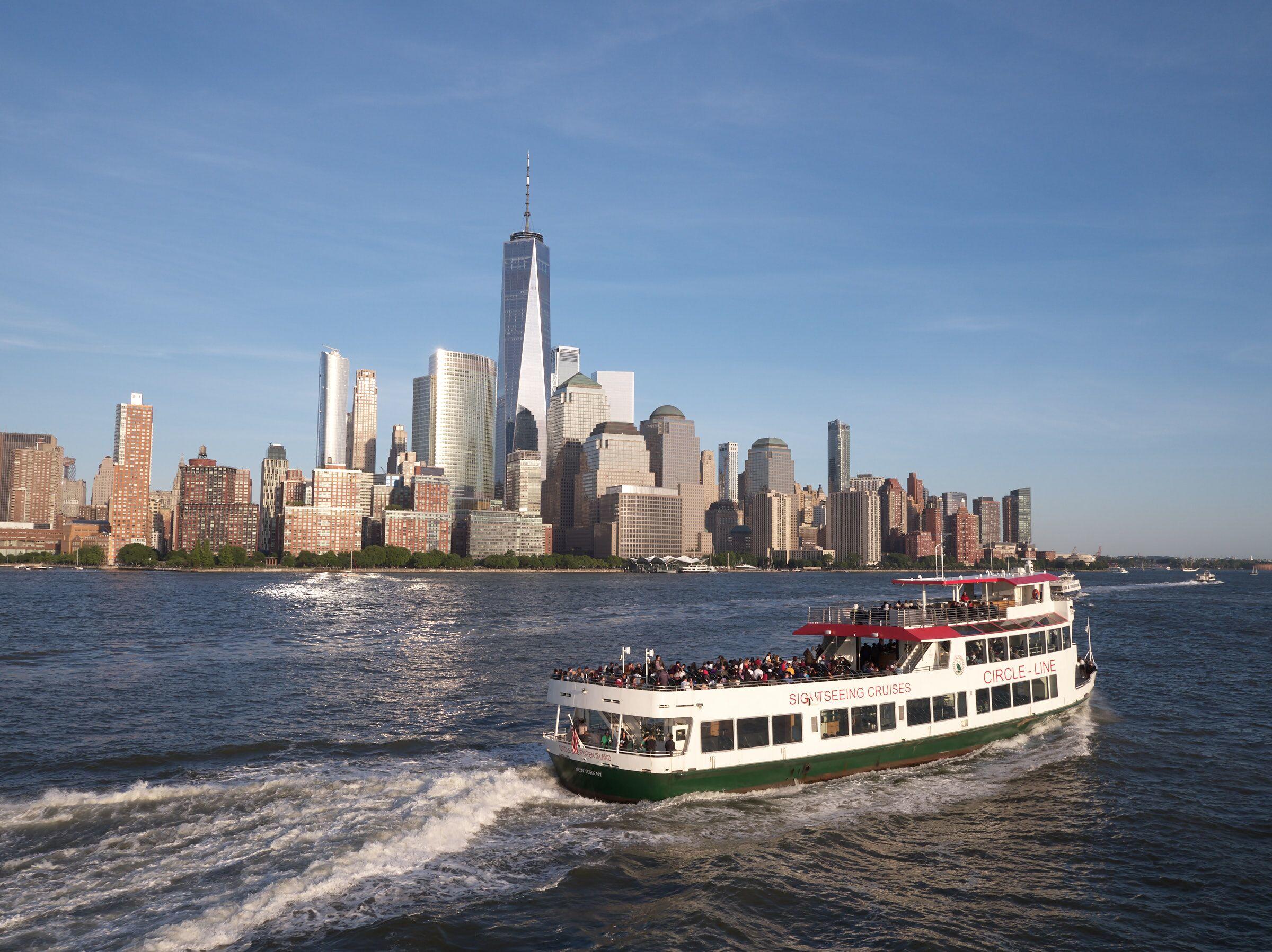
- Skyline panoramas: Harbor routes are usually the star here, especially when the boat turns and gives you a full sweep of the city.
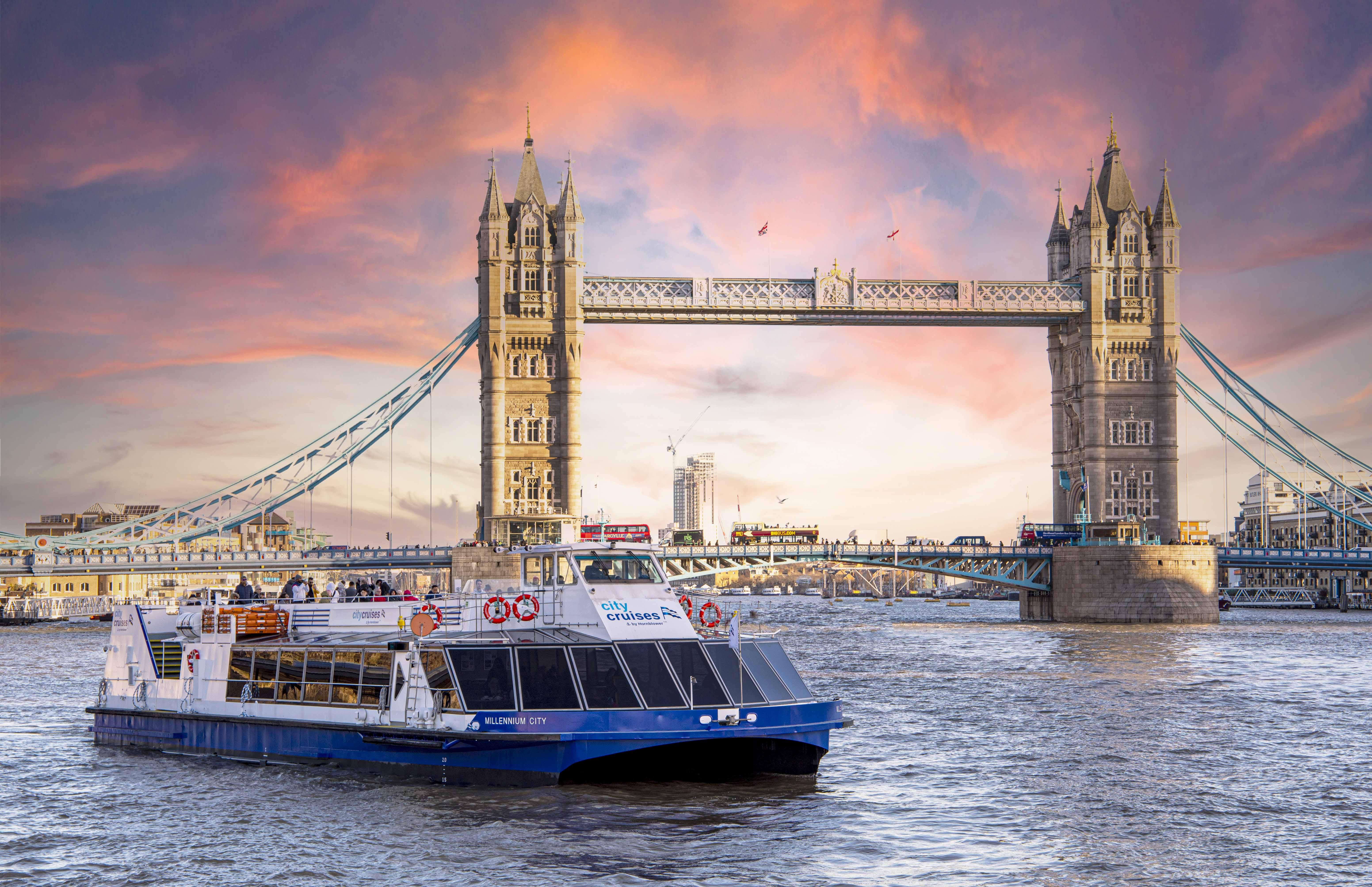
- Landmark clusters: River routes often pass several major sights in a tight stretch, so it feels like highlight reel sightseeing.
- Working waterfront scenes: Ports, marinas, ferries, tugboats, and industrial areas can be unexpectedly interesting, especially for kids.
- Hidden details: You will notice sculptures under bridges, historic facades, and little pocket parks you would never spot from a car.
Two things that surprise first-timers
- Angles change fast: You might only have 15 to 45 seconds for a perfect photo as the boat approaches and passes a landmark. Keep your camera ready, not buried in your bag.
- Wind is real: Even on a sunny day, the open deck can feel noticeably cooler, often several degrees. Harbor breezes especially can be strong.
Quick photo tips
- Glare happens: Sunglasses help, and a hat can make phone screens easier to see. If you shoot with a camera, a small polarizing filter can be useful on bright days.
- Ask which side matters: The “best side” depends on the route direction and turning points. Dock staff usually know where the skyline moment happens.
- Keep it simple: A phone or a small zoom lens is plenty. The real win is being ready when the boat lines up with the view.
Choose a route for your day
The secret to making a cruise feel like a complete sightseeing day is matching the route type to your energy level and what else you want to do nearby.
For a half-day
For a half-day, choose a cruise that is 60 to 90 minutes and departs from a dock near walkable attractions. You want minimal transfer time, and you want food options close by.
- Ideal add-ons: waterfront promenade stroll, one museum visit, a casual lunch, or a nearby viewpoint.
- Timing window: late morning into early afternoon. You get good light for photos and you can roll straight into lunch.
For a full day
For a full day, pick either a longer cruise 90 to 120 minutes with robust narration or pair a standard cruise with a second water activity later, like a ferry ride or a short sunset loop.
- Ideal add-ons: morning market visit, cruise at midday, museum or neighborhood wander, then sunset photos at the waterfront.
- Timing window: aim for a midday cruise, then plan your biggest walking block after you have had the seated break.
Quick route checklist
- Here for architecture and close-up details? Favor river routes.
- Here for skyline photos and big iconic views? Favor harbor routes.
- Traveling with little kids or grandparents? Favor shorter durations and calmer water, but still check local conditions.
- Prone to motion sickness? River routes are often gentler than open water, though tidal rivers, wakes, and fast boats can still feel bouncy on windy days.
Timing and pacing
When to book
In peak seasons and on weekends, cruises can sell out, especially for prime midday slots. If your cruise is the anchor activity of the day, book ahead. If you are traveling in shoulder season or on a weekday, you may have more flexibility.
How early to arrive
I plan to arrive 30 minutes early as a safe baseline, and 45 minutes early if I want a specific seat or I am traveling with a group. That said, follow your operator’s posted boarding cutoff. Some check-in windows are tighter, and some piers add security screening.
How to pace your day
- Before the cruise: keep it light. Coffee, a quick walk, maybe one small attraction. Save energy for after.
- After the cruise: plan your “active block” like a museum, a neighborhood stroll, or a bigger meal. You will feel recharged.
- Build in buffer time: docks can be busy, and boats can run a little late returning. Avoid scheduling a timed museum entry too tightly right after.
If you are traveling internationally: build a little extra margin. Some countries and waterfront districts have ID checks, bag rules, or gate-style boarding that takes longer than you expect.
Seating strategy
Seating can make the difference between “nice boat ride” and “I got the photos I wanted and actually heard the guide.”
Outdoor deck vs indoor cabin
- Outdoor deck: best for photos and unobstructed views. Tradeoff is wind, sun, and sometimes limited shade.
- Indoor cabin: best for climate control, easier listening, and calmer vibes for kids who need a break. Tradeoff is potential glare and reflections on windows.
Pick your spot
- For photos: choose an outer rail spot on the open deck. If the boat turns during skyline views, a spot near the side can be gold.
- For narration: stay close to speakers or the guide, and avoid sitting directly under loud engine areas if you can.
- For families: pick seats near restrooms and away from narrow stairs. Indoor seating can be easier for snack management.
- For motion sensitivity: mid-ship seating tends to feel steadier than the very front or very back.
My small but powerful hack
If your group cares about views, designate one person to grab seats while the others handle snacks, restroom stops, and last-minute photos at the dock. It keeps the vibe calm and avoids the “everyone wandering with bags” chaos.
Weather, comfort, and what to pack
On the water, comfort is mostly preparation. The goal is to stay warm enough, dry enough, and sun-safe enough that everyone is happy for the full ride.
What to wear
- Layers: a light jacket or hoodie helps, even in warm months.
- Sun protection: sunglasses and sunscreen, especially on open decks where glare off the water is intense. A brimmed hat is a bonus on bright days.
- Practical shoes: you do not need hiking boots, but skip slippery soles if decks are damp.
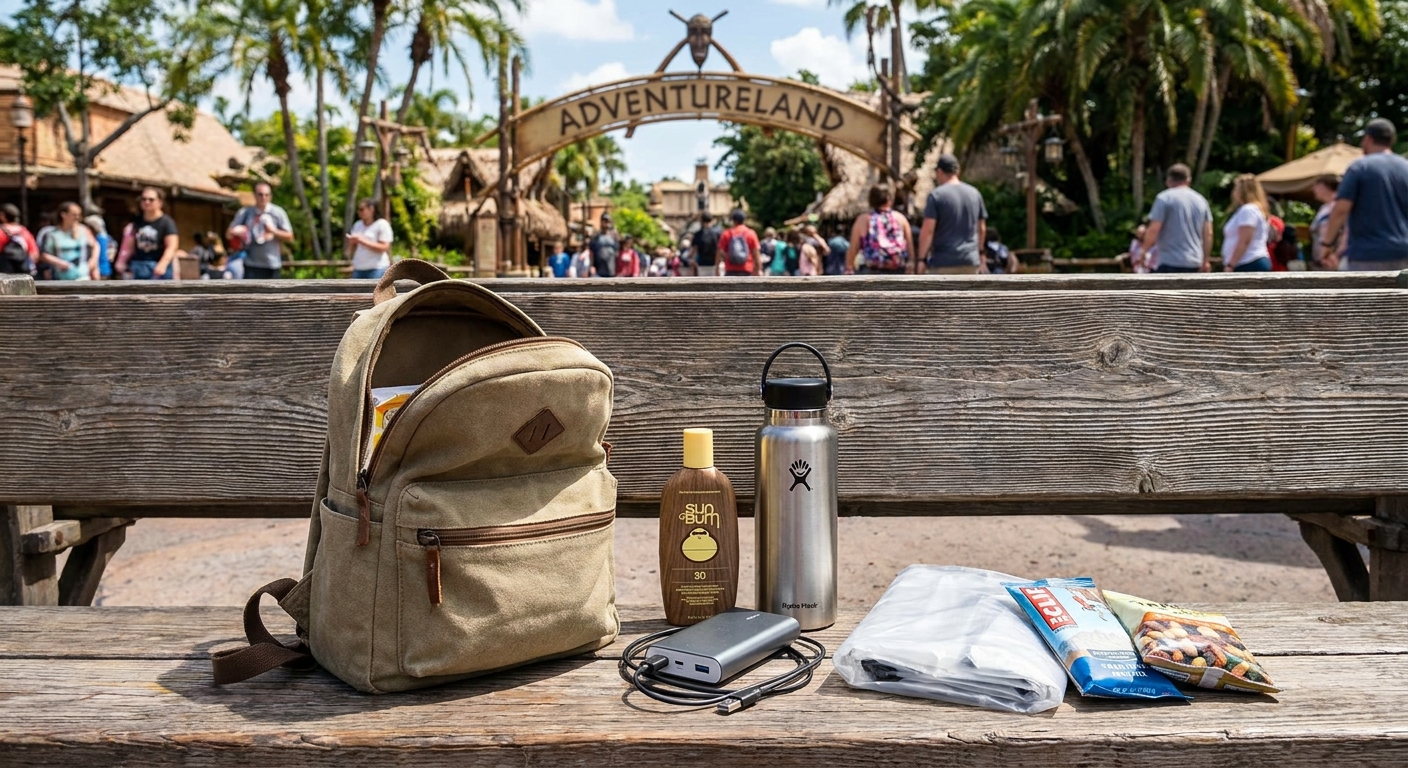
What to bring in a small day bag
- Refillable water bottle (especially in hot, sunny cities)
- Snacks for kids or anyone prone to “hangry sightseeing”
- Portable charger (boats invite a lot of photos)
- Light rain shell or compact poncho
- Motion sickness remedies if you are unsure how you will feel
Rain and wind expectations
Policies vary. Some operators run in light rain, while stronger winds can affect harbor routes more than rivers. Check the operator’s weather policy before you go, and keep an eye on wind forecasts, not just precipitation.
Food and drink note: outside food and beverages are allowed on some boats and restricted on others. If bringing snacks is important for your group, confirm the policy before you arrive.
Accessibility and comfort needs
Most major operators try to be accessible, but details vary by boat and pier. If accessibility is a make-or-break factor, check the exact cruise listing, not just the company homepage.
- Mobility access: ask about step-free boarding, ramp access, and whether all decks are accessible.
- Restrooms: confirm accessible restroom availability if needed, especially on smaller boats.
- Hearing support: some cruises offer headsets, captioned apps, or better indoor audio than the upper deck.
- Seating: if you need guaranteed seating or space for a mobility device, call ahead. It is usually the fastest way to avoid dock-day surprises.
Family-friendly expectations
Sightseeing cruises can be fantastic for families because they build in a rest without sacrificing “we saw the city” momentum. The key is aligning expectations with your kids’ ages and attention spans.
What usually works well
- Shorter cruises: 60 to 75 minutes is a great range for many kids.
- Snacks and a job: give kids a simple mission like spotting bridges, counting boats, or taking their own photos.
- Restroom plan: do a restroom stop at the dock before boarding, even if the boat has facilities.
What can be challenging
- Stroller logistics: some boats have limited space. If you can baby-wear or use a compact stroller, it is usually easier.
- Nap timing: a calm cruise can be perfect for a nap. If you want that, book around nap time and choose indoor seating.
- Safety and supervision: kids love railings. Follow posted rules, keep little ones close, and skip the upper deck if the wind is whipping.
Easy itineraries
Half-day: waterfront highlights
- 10:00 am: arrive at the waterfront district, quick coffee and a short stroll
- 11:00 am: board a 60 to 90 minute landmark cruise
- 12:30 pm: lunch near the dock
- 1:30 pm: one nearby museum, aquarium, market, or observation spot
Full-day: cruise as the mid-day reset
- 9:00 am: breakfast plus one early attraction (museum opening time is your friend)
- 12:00 pm: landmark cruise for 90 to 120 minutes
- 2:00 pm: late lunch or foodie stop in a nearby neighborhood
- 3:30 pm: walking loop of a scenic district or gardens
- Sunset: return to the waterfront for photos or a casual dessert stop
My planning rule: put anything that requires high energy and lots of decision-making either before the cruise or well after it. Right after you dock is prime time for food and low-effort wandering.
Tickets and budget tips
Cruises can be surprisingly affordable compared to stacking multiple attractions, but there are a few common add-ons that can inflate the total.
Upgrades that can be worth it
- Priority boarding: some operators offer early or priority boarding. It can be worth it if you are tight on time or traveling in peak season and you care about open-deck seating.
- Reserved seating: in some cities you can reserve window seats or a specific section. Only worth it if you know you want indoor comfort and guaranteed sightlines.
- Bundle tickets: some docks are near partner attractions. Bundles can save money if you were already planning both.
What to skip most of the time
- Pricey onboard snacks: if outside food is allowed, bring your own basics, then spend your food budget on a great waterfront meal after.
- Overcommitting to premium times: mid-morning and mid-afternoon cruises can be just as beautiful as the most in-demand slots, with fewer crowds.
Quick planning checklist
- Choose river vs harbor based on the views you care about most
- Pick a duration that matches your group’s attention span
- Book a departure time that fits lunch plans and avoids rushing
- Arrive early, then follow your operator’s boarding cutoff time
- Dress in layers and plan for wind
- Decide indoor vs outdoor seating based on comfort and photos
- Build buffer time after docking before timed reservations
- Confirm accessibility and outside food policies if either matters to your group
FAQ
Is a landmark cruise worth it if I already have a city tour booked?
Yes, because it is a different perspective and pace. Walking and bus tours are great for street-level stories. A cruise excels at skyline views, bridge views, and giving your legs a break.
Do I need to worry about seasickness?
On rivers, many people feel fine. On harbors and open water, wind and waves can be more noticeable. If you are sensitive, choose mid-ship seating, look at the horizon, and consider a shorter route. If conditions are rough, indoor seating can feel steadier for some travelers.
What time of day is best for photos?
Late morning through mid-afternoon often gives bright, clear visibility. Golden hour can be gorgeous too, but it can also mean more silhouettes depending on the route direction. If you are unsure, aim for midday and use sunset for shoreline photos afterward.
Are cruises good in cooler months?
They can be fantastic if you dress for it. Clear, crisp days often mean excellent visibility. Just plan for wind, bring gloves if needed, and prioritize indoor seating if your group runs cold.