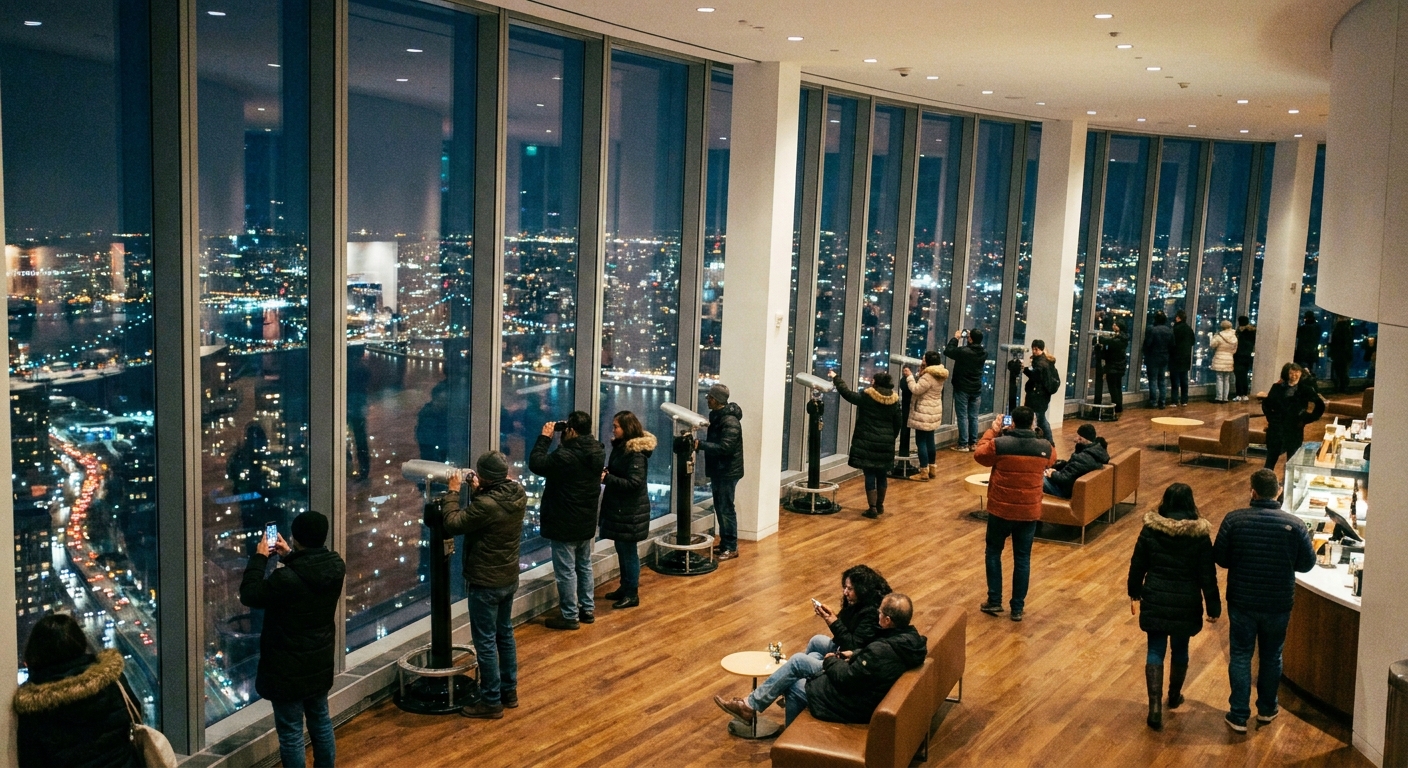
Observation decks are one of my favorite “big wow” attractions because they can be genuinely magical… or a total time sink. I have done the version where you stand in a slow-moving queue for an hour just to stare into a gray cloud. I have also done the version where you glide right in, hit golden hour, and watch the whole city click on like a circuit board.
The difference usually comes down to timing, tickets, and weather. Here’s how to visit an observation deck without burning half your day, whether you’re traveling with kids, planning a date night, or squeezing in one last view before a flight.
Choose the right time
If you only take one tip from this guide, make it this: the best observation deck is the one you visit at the right time. Many decks share the same core idea, an elevator ride plus panoramic views, but your time slot can dramatically change the line length, the vibe, and the visibility.
Also worth saying out loud: decks are not identical. Open-air terraces, fully enclosed glass boxes, extra-high floors, interactive exhibits, and strict time limits can all change the experience. If you are deciding between two decks, start by choosing the features you actually care about, then dial in timing.
Best time for short lines
- Right at opening: Often the calmest moment of the day. You get clearer photos with fewer people in the background, and you are less likely to hit capacity limits. (Not universal though. School groups and tours can land early in some cities.)
- Late evening: About 60–90 minutes before the last entry window can be a sweet spot, especially on weekdays. You may miss full daylight views, but you get sparkling night cityscapes. Check the last-entry time, because some decks stop entry 60–90 minutes before closing.
- Weekdays over weekends: Tuesday through Thursday is often smoother for security lines and elevators in many cities, but seasonal patterns vary. If you can choose, start with weekdays and adjust from there.
Best time for beautiful views
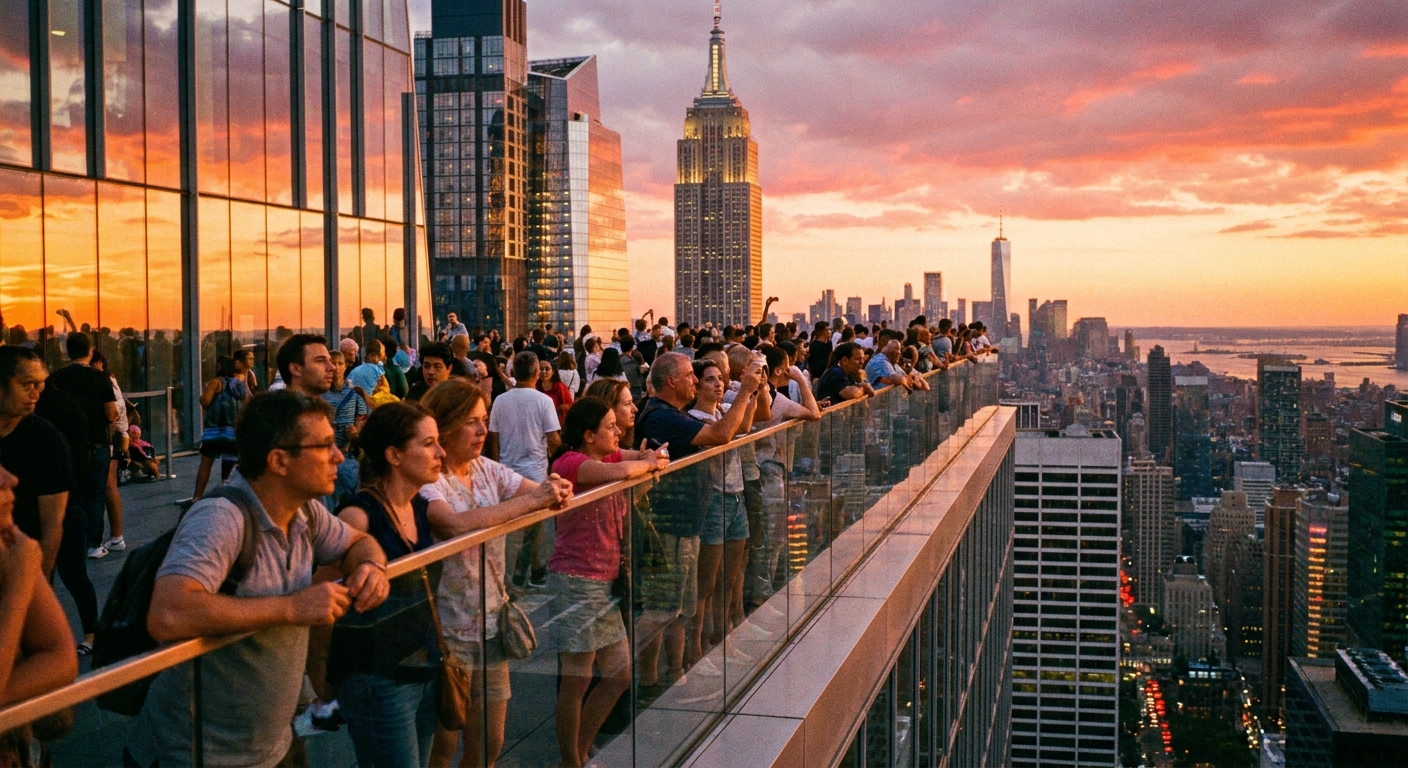
- Golden hour to blue hour: This is my personal favorite. Golden hour gives you warm, glowy skyline photos. Blue hour, right after sunset, is when the sky turns deep cobalt and city lights pop.
- Clear mornings after a front: If you see a crisp forecast the day after rain or a weather system moves through, visibility can be incredible.
Reality check: sunset time changes fast through the year, and it depends on latitude. In many mid-latitude Northern Hemisphere cities, a summer “sunset visit” might mean around 8:30 pm, while winter can be closer to 4:30 pm. Always check the sunset time for your exact date and city.
How long to budget
Observation decks seem quick, but the total time includes security, elevators, and the human bottleneck at the best photo spots.
Use this planning range
- Fast visit: 45–60 minutes (best for early mornings or low crowds)
- Typical visit: 75–120 minutes (enough time for photos, a lap around, and a short break)
- Sunset visit: 2–3 hours (you want daylight, sunset, and post-sunset lights)
My “no regrets” sunset schedule
If your ticket is timed, book entry 60–90 minutes before sunset. That gives you time to clear security, find your favorite viewpoint, and settle in before the best light starts.
If you want the full transformation from day to night, plan to stay at least 30–45 minutes after sunset.
Tickets: book smart
Most decks now sell timed entry and add-ons. The goal is to pay for what saves real time, not what just sounds fancy.
Timed entry vs open entry
- Timed entry is usually your best friend for popular decks. It reduces uncertainty and helps you build a clean itinerary around dinner, a show, or a museum reservation.
- Open entry can work on off-peak days, but it is riskier when crowds surge. If you are visiting during a holiday week or peak season, timed entry is safer.
Are express passes worth it?
Sometimes, yes. Here is my decision rule:
- Worth it if you are going at sunset, you have limited time, or you are traveling with kids who melt down in long queues.
- Not worth it if you are going at opening on a weekday, or if the deck has a reservation system that already controls crowds well.
Advance reservations
Advance reservations are most useful when:
- you want sunset (prime slots sell out first)
- you are visiting on a weekend or holiday
- you have a tight schedule with other timed attractions
- you are aiming for a specific photo moment, like golden hour or city lights
If your plan is flexible and weather-dependent, look for tickets with easy rescheduling. Many decks allow changes up to a cutoff time. That flexibility can be more valuable than a small discount.
Also check for weather policies: some decks offer limited low-visibility guarantees or rebooking options, and many do not. A 30-second skim of the fine print can save you real frustration.
Weather and visibility
You can do everything right and still lose the view to haze, fog, or low clouds. Visibility is not just about rain. Bright, sunny days can still be hazy, especially in summer.
What to check before you go
- Cloud ceiling: Low clouds are the classic observation-deck spoiler. If the cloud base is near the deck’s height, you may be standing inside a cloud.
- Visibility distance: Many weather apps show visibility in miles or kilometers. Higher usually means a crisper skyline.
- Wind direction and speed: Wind can change haze and smoke conditions quickly. It can also make outdoor decks feel colder than expected.
- Air quality (AQI): Wildfire smoke or pollution can wash out your photos even when it looks “fine” at street level.
My practical strategy: if you have one must-do deck visit, keep it weather-flexible. Plan it for the middle of your trip, not the last night, so you can swap days if conditions look better.
Indoor vs outdoor decks
This is the underrated decision point, because it changes comfort, photos, and how weather affects you.
- Outdoor decks: Better for avoiding window glare and reflections, and the vibe can feel more dramatic. The tradeoff is wind, cold, and occasional weather closures or restricted sections.
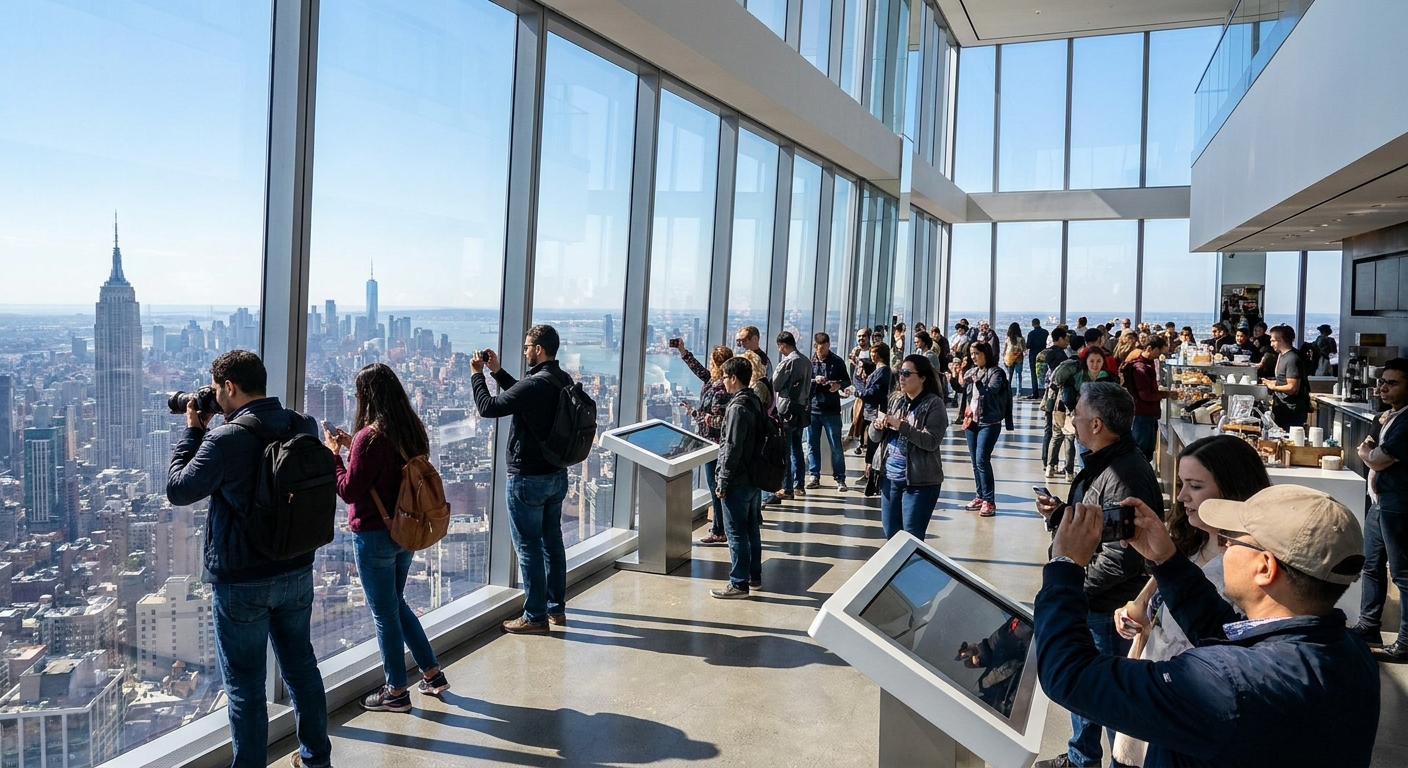
- Indoor decks: More comfortable year-round and less dependent on wind and temperature, but you may be shooting through glass. If you plan to take lots of photos indoors, bring a lens cloth and look for clean panes with minimal interior lighting behind you.
If you are traveling with kids or anyone who runs cold, a deck with both indoor and outdoor space is the best of both worlds. You can rotate: warm up inside, then pop out for photos when the light is perfect.
Sunset timing
Sunset visits can be breathtaking, but they are also the most crowded and the easiest to mis-time.
Use these timing tips
- Arrive earlier than you think: Security and elevators can add 15–45 minutes during peak times.
- Know where the sun sets: The “best side” of the deck depends on your city and season. If the deck has indoor and outdoor areas, do a quick full loop first, then claim your preferred view.
- Stay through blue hour: If you leave the minute the sun dips, you miss the most photogenic sky tones and the moment when building lights balance perfectly with the remaining daylight.
If you hate crowds but want sunset vibes
Try this compromise: book a slot 30–60 minutes after sunset. You still get glowing city lights and a dramatic sky, but the crush often eases slightly.
Make it worth it up top
Once you reach the top, the biggest mistake is treating the deck like a single photo stop. A little intention turns it into a real experience.
Do this first
- Take one quick lap before you stop for photos. You will find quieter corners and better angles.
- Pick two must-have shots: one wide skyline, one personal photo. Then relax and enjoy the view instead of chasing perfection.
- Watch for reflections if you are shooting through glass. Press your phone close to the glass and shade the lens with your hand to cut glare.
Bring the right small items
- A layer for outdoor decks, even in warm months (wind is real up high).
- A lens cloth for phone cameras. You would be shocked how much sharper your night photos look.
- Quiet snacks if allowed, especially with kids. Nothing ruins a view like a sudden “I am starving” situation.
One more tip from my hospitality-planner brain: if the deck has a café, bar, or seating zone, use it strategically. Let the initial crowd surge pass while you sip something, then circle back for photos.
Accessibility and comfort
If you are traveling with strollers, mobility aids, or anyone who gets overwhelmed in crowds, a tiny bit of planning makes a big difference.
- Elevators and entry: Most decks are elevator-accessible, but the route can include long queue lanes and security screening. If you need step-free access or assistance, check the venue’s accessibility page before you buy tickets.
- Strollers: Some decks allow them, some require you to fold them, and some push you toward a coat-check style solution. If you are traveling with a nap schedule, this matters.
- Seating: Not every deck has it. If standing for long stretches is tough, look for decks with seating zones, cafés, or timed entry that helps you avoid extended waiting.
- Sensory load: Sunset can be loud and shoulder-to-shoulder. If that is not your thing, opening time or late evening tends to feel calmer.
Rules and etiquette
- Tripods and selfie sticks: Many decks restrict them, especially at peak hours. If photography gear is central to your plan, check the policy in advance.
- Glass and railings: Give people space at the front. A little patience keeps the flow moving and the vibe friendly.
- Keep moving in choke points: The first viewpoint after the elevator is usually the jam. Do your quick lap, then settle in elsewhere.
What time should you book?
- You want the least waiting: first entry of the day, weekday if possible.
- You want the best photos: 60–90 minutes before sunset, stay through blue hour.
- You are on a tight itinerary: timed entry plus a buffer of 30 minutes on both sides.
- You are weather-worried: buy the most flexible ticket option you can, and schedule mid-trip so you can pivot.
FAQ
Is an observation deck worth it?
It is worth it when you treat it like a timed experience, not a quick elevator ride. The best value comes from going at golden hour or at night, staying long enough to see the city change, and picking a day with good visibility.
How early should I arrive for a timed ticket?
I aim for 15–25 minutes early. That covers security and helps you start your time slot calmly, especially at sunset.
What if the weather turns bad after I buy tickets?
Check the deck’s change and refund policy before you purchase. If flexibility is important, prioritize tickets that allow rescheduling. Also look for any low-visibility guarantees or rebooking policies, because they vary a lot.
Do I need advance reservations?
If you are aiming for sunset, weekends, holidays, or peak travel season, yes. For weekday mornings in the off-season, you can sometimes buy same-day without stress.
How do I avoid crowds once I am up there?
Do a quick loop first, then settle into a less obvious corner. Many people cluster at the first viewpoint they see. If there is an indoor and outdoor section, the crowd flow usually rotates, so checking both can pay off.