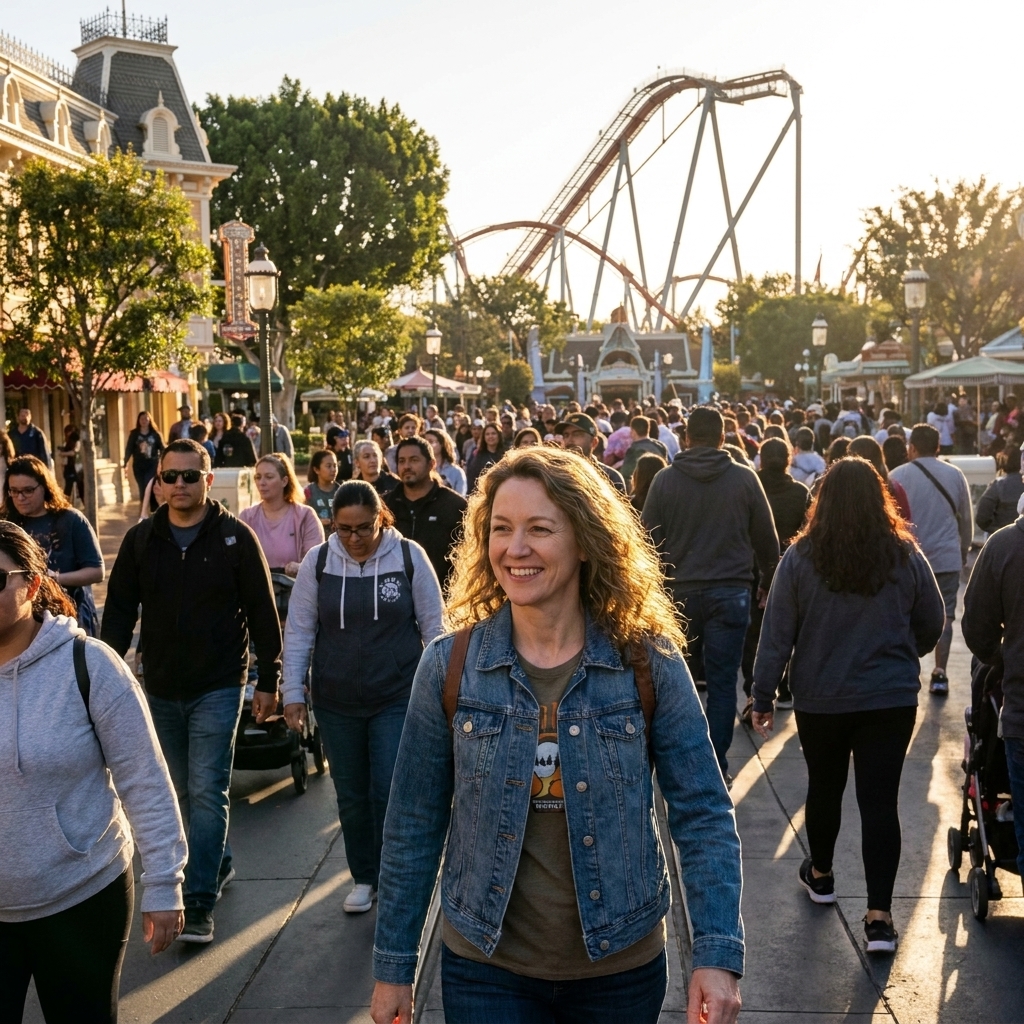
There is a very specific kind of heartbreak that comes from leaving a major attraction thinking, “Wait, what did we do all day?” Usually the culprit is not the crowd. It is a day without a plan, plus a few tiny decisions that quietly snowball into hour-long detours.
Whether you are wrangling toddlers, planning a date, or flying solo with a power-walk pace, this guide will help you map a full day that feels full in the best way. Think: fewer lines , better meals, more highlights, and enough breathing room to stay human.
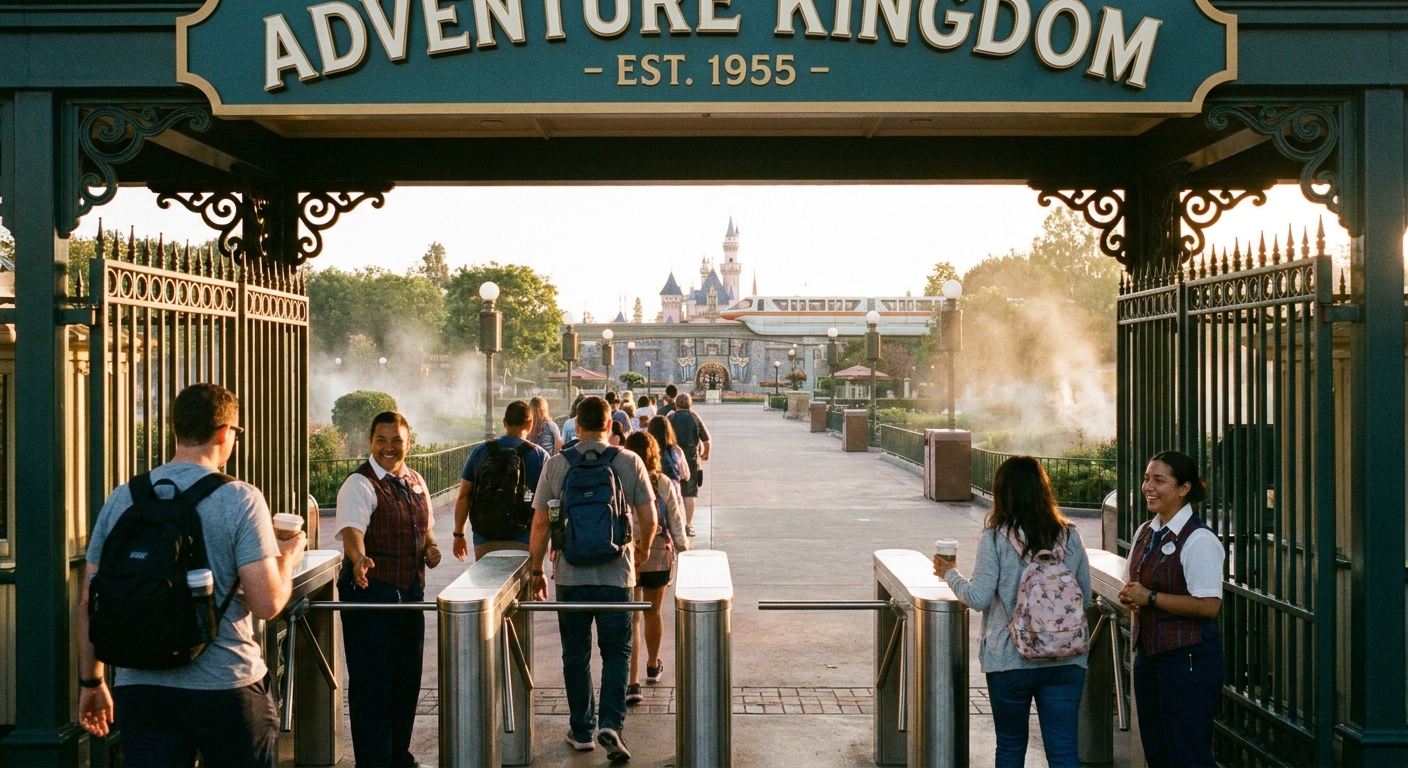
Step 1: Pick must-dos first
Your day gets easier the second you decide what success looks like. Not everything is equal. Major attractions are designed to tempt you into doing a little of everything, which is exactly how you end up doing nothing well.
Create a simple priority list
- Top 3: the non-negotiables. If you do these, the day is a win.
- Next 5: high-interest items you will do if timing works.
- Nice-to-have: everything else, including “we will see.”
Family tip: let each person pick one Top 3 item. That one move prevents 4 p.m. meltdowns that are really just disappointment in disguise.
Couples tip: decide if your day is “rides and adrenaline” or “wandering and snacks” first. Mismatched expectations waste more time than lines.
Solo tip: your advantage is flexibility. Prioritize anything with tight return times, timed tickets, or limited daily capacity, and leave the rest fluid.
Step 2: Book the time-sensitive stuff
At many big attractions, the longest line is the one you accidentally joined by skipping pre-planning. Before you finalize your date and arrival time, check for anything that requires a reservation.
What to book early (if offered)
- Dated tickets that sell out on weekends and holidays
- Timed entry for popular museums, exhibits, and special events
- Dining reservations for sit-down restaurants, character meals, or chef-driven spots
- Behind-the-scenes tours at zoos, aquariums, and historic sites
- Skip-the-line products or express access, if they match your goals and budget
- Mobility devices such as wheelchairs or ECVs, if the venue rents them and quantities are limited
My rule: if a reservation saves you an hour and costs less than what you would spend trying to “buy back” that hour with snacks, impulse shopping, or frustration, it is usually worth it.
Screenshot your essentials
Cell service can get weird in packed venues. Save screenshots of tickets, confirmations, and any QR codes. Put them in one album called “Attraction Day” so you can pull them up in seconds.
Step 3: Build a day map
Most wasted time is not standing still. It is walking back and forth across a huge property because you chased a short line on the other side of the park or you forgot your “one thing” is clear across the venue at 2 p.m.
Use three day zones
- Open to lunch: do your highest-priority, highest-demand experiences first.
- Lunch to mid-afternoon: switch to lower-demand items, indoor attractions, shows, or animal habitats when crowds and heat peak.
- Late afternoon to close: circle back to your favorites, repeat rides, and bookend with one big closer.
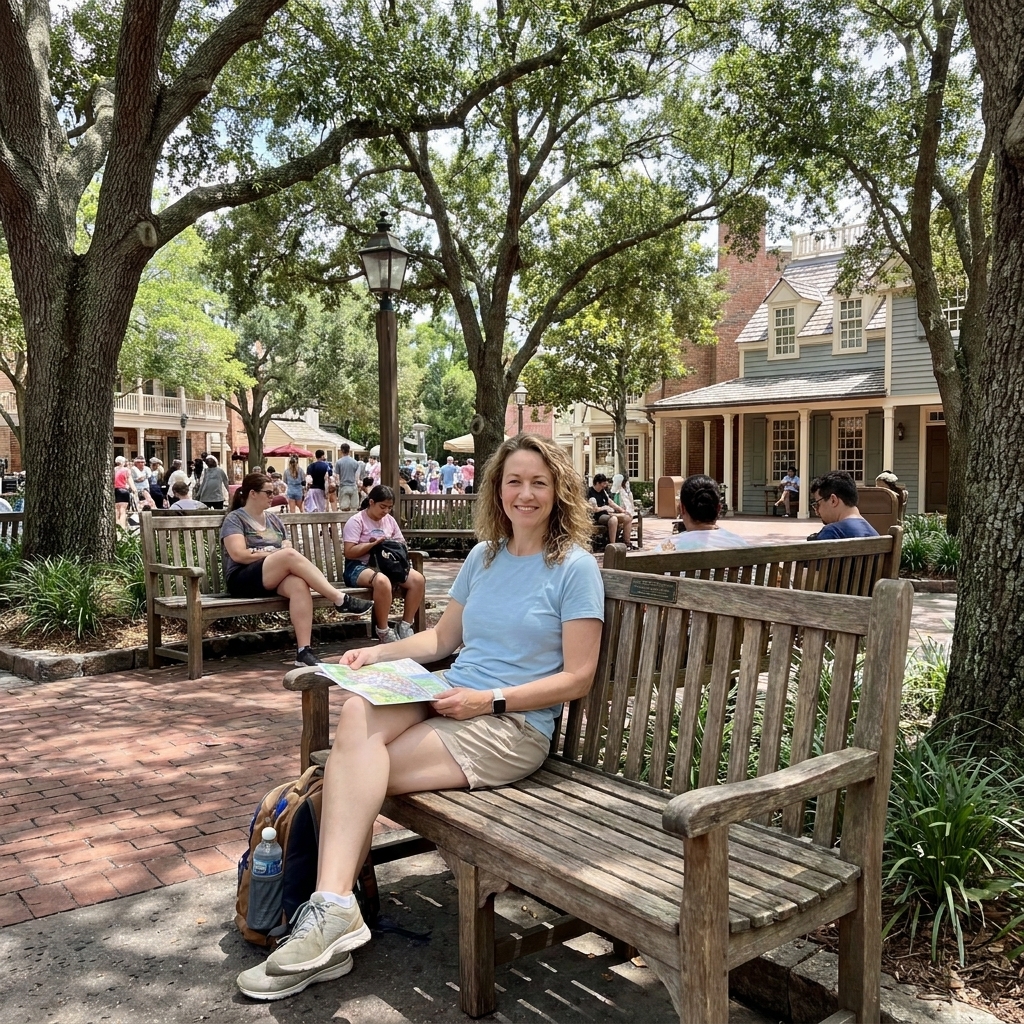
Quick planning trick: open the attraction map and draw an imaginary triangle around your Top 3. If they are all in different corners, you need a better route or you need to pick one “anchor land” to focus on.
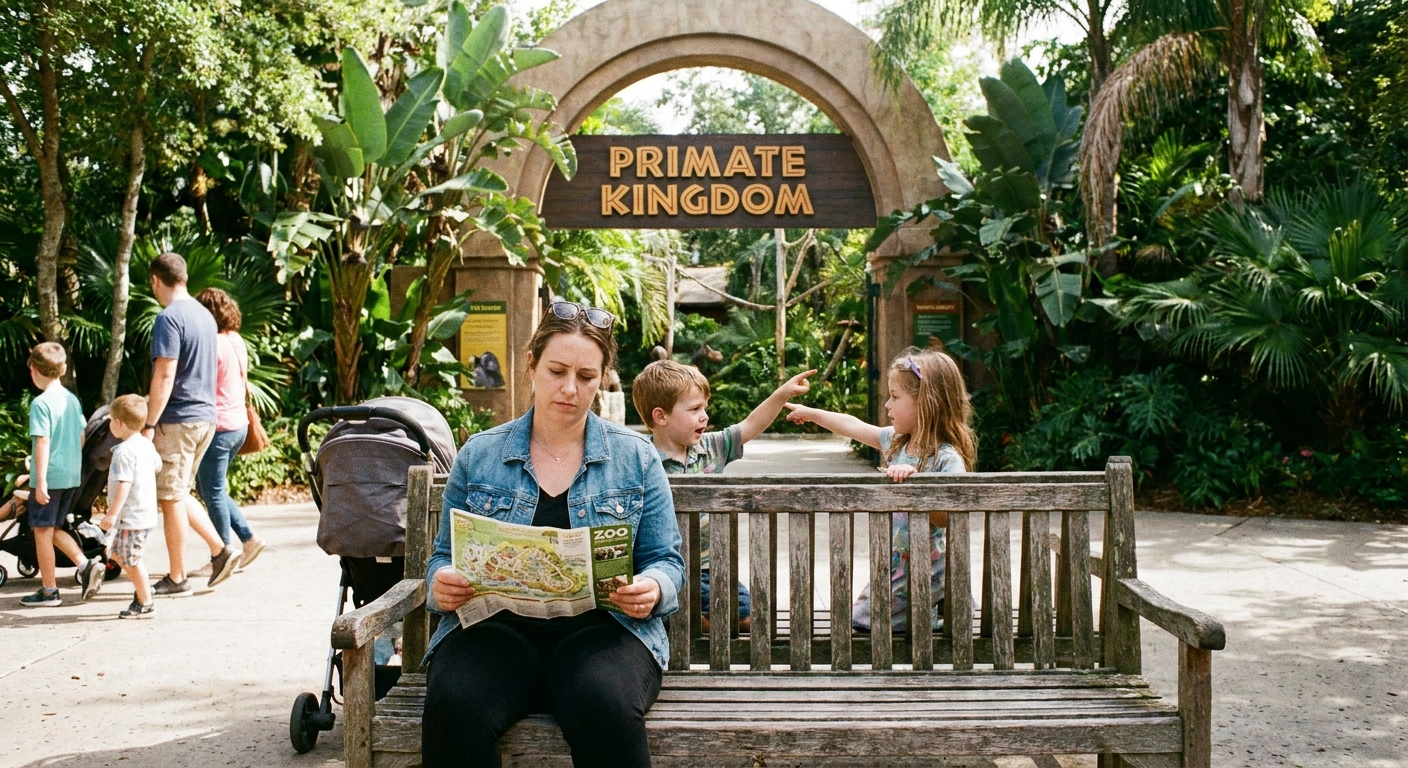
Step 4: Arrive early
Early arrival is the closest thing to a free upgrade. The first 60 to 120 minutes are often the lowest-wait window you will see all day.
Arrival timing that works
- Parking attractions: aim to arrive 45 to 60 minutes before official opening to account for parking, security, and walking.
- Urban attractions: add time for transit delays, bag checks, and finding the correct entrance.
- Timed-entry venues: arrive 20 to 30 minutes early so you are not stress-sprinting.
Do not waste the first hour
Know your first two moves before you enter. “We will decide when we get there” sounds fun until you realize you burned the golden hour debating snacks.
Step 5: Match your line strategy
Line strategy is different at a theme park versus a museum. The goal is the same: spend your best energy when the value is highest.
Theme parks and thrill-heavy spots
- Start with the headliners that build long waits fast.
- Use single rider if you are solo or your group is fine splitting up.
- Stack indoor and shaded experiences for midday when outdoor queues are rough.
- Save photogenic, slower activities for peak wait times, like parades, shops, scenic trails, or walkthrough exhibits.
Zoos, aquariums, and outdoor campuses
- Go straight to the farthest area first. Crowds naturally accumulate near the entrance.
- Time “star animals” smartly. Big cats and bears are often more active in the morning. Aquariums feel calmer early or late.
- Schedule shows and feedings like appointments. They anchor your route.
Museums and indoor attractions
- Start with the most popular galleries or special exhibits first, before school groups arrive.
- Use a “one-room rule” when you feel overwhelmed: pick one gallery, enjoy it fully, then decide what is next.
- Plan a seated break every 90 minutes. Museum fatigue is real and it makes everything blur.
Step 6: Plan food like rides
Food is either a built-in joy or a time trap. The difference is whether you treat meals as part of the schedule instead of an emergency that happens when everyone is suddenly starving.
Timing that saves time
- Early lunch: 11:00 a.m. to 11:30 a.m.
- Late lunch: 1:30 p.m. to 2:30 p.m.
- Snack window: 3:30 p.m. to 4:30 p.m. to prevent a cranky dinner rush
Three food strategies (pick one)
- The reservation anchor: one sit-down meal at an off-peak time, with quick bites the rest of the day.
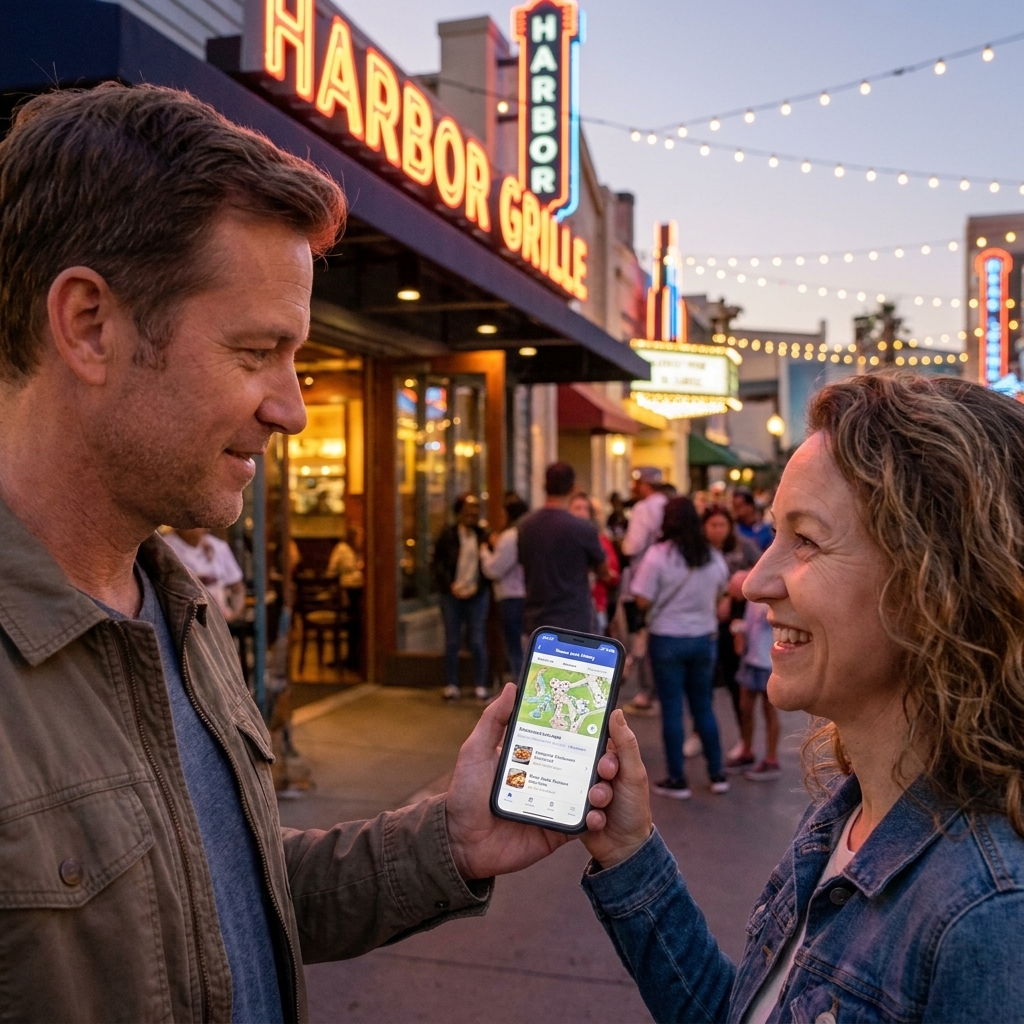
- The mobile order sprint: pre-select two quick-service spots and place orders before you are hungry.
- The picnic power-up: bring snacks, refillable water, and one “real” item like sandwiches or protein packs, then buy one fun treat inside.
Foodie note: if there is a signature snack, treat, or local specialty you truly care about, schedule it on purpose. Otherwise you will spend 45 minutes hunting for it when you could be doing your Top 3.
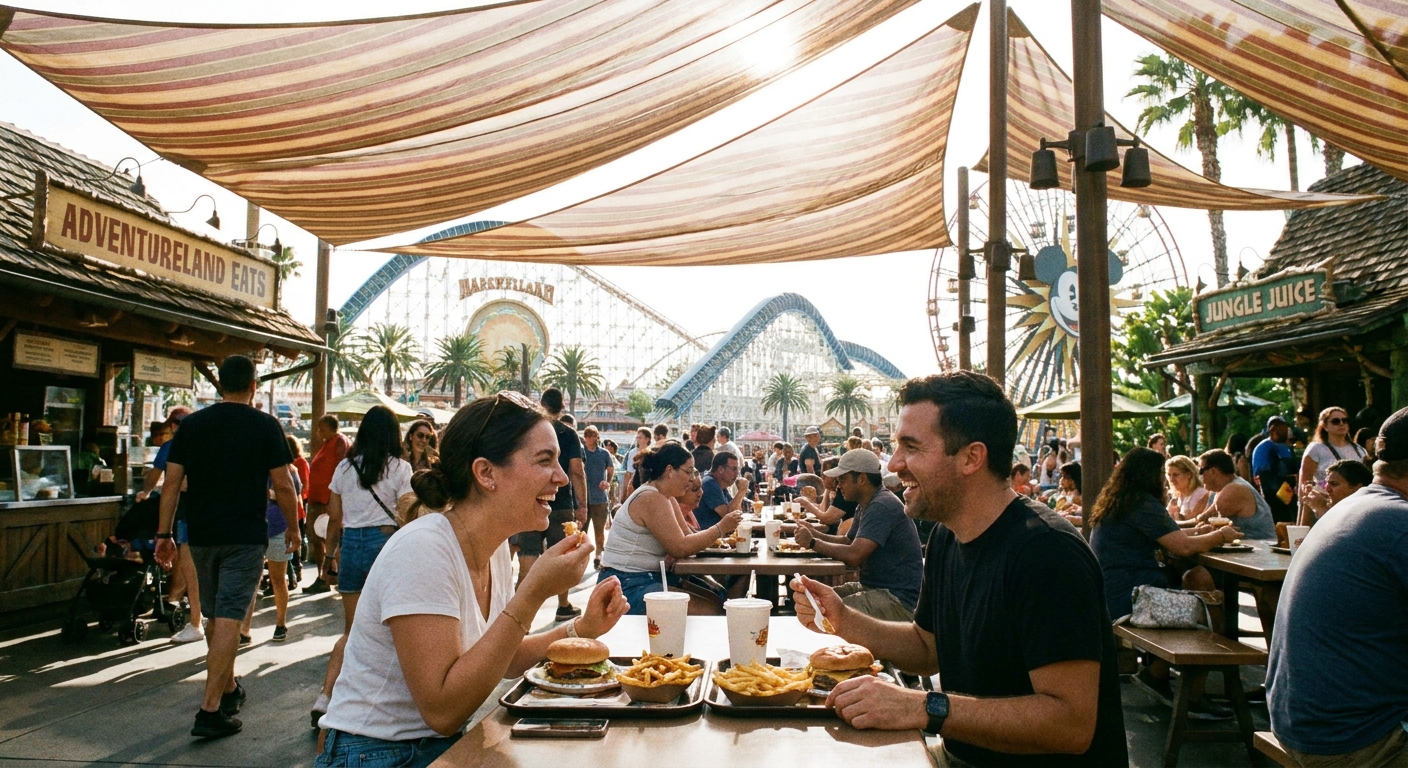
Step 7: Schedule breaks
Breaks are not lost time. They are what keep the last third of your day from turning into a survival mission.
Easy breaks that do not derail you
- Show break: a 20 to 30 minute indoor show or presentation
- Shade break: a quiet garden, courtyard, or indoor atrium
- Recharge break: a café stop with water, a salty snack, and a quick phone charge
- Kid reset: playground zones, splash pads, or calm animal exhibits
Pro planning move: schedule your first break before you feel like you need it. Waiting until everyone is tired turns a 15 minute pause into an hour.
Step 8: Pack light
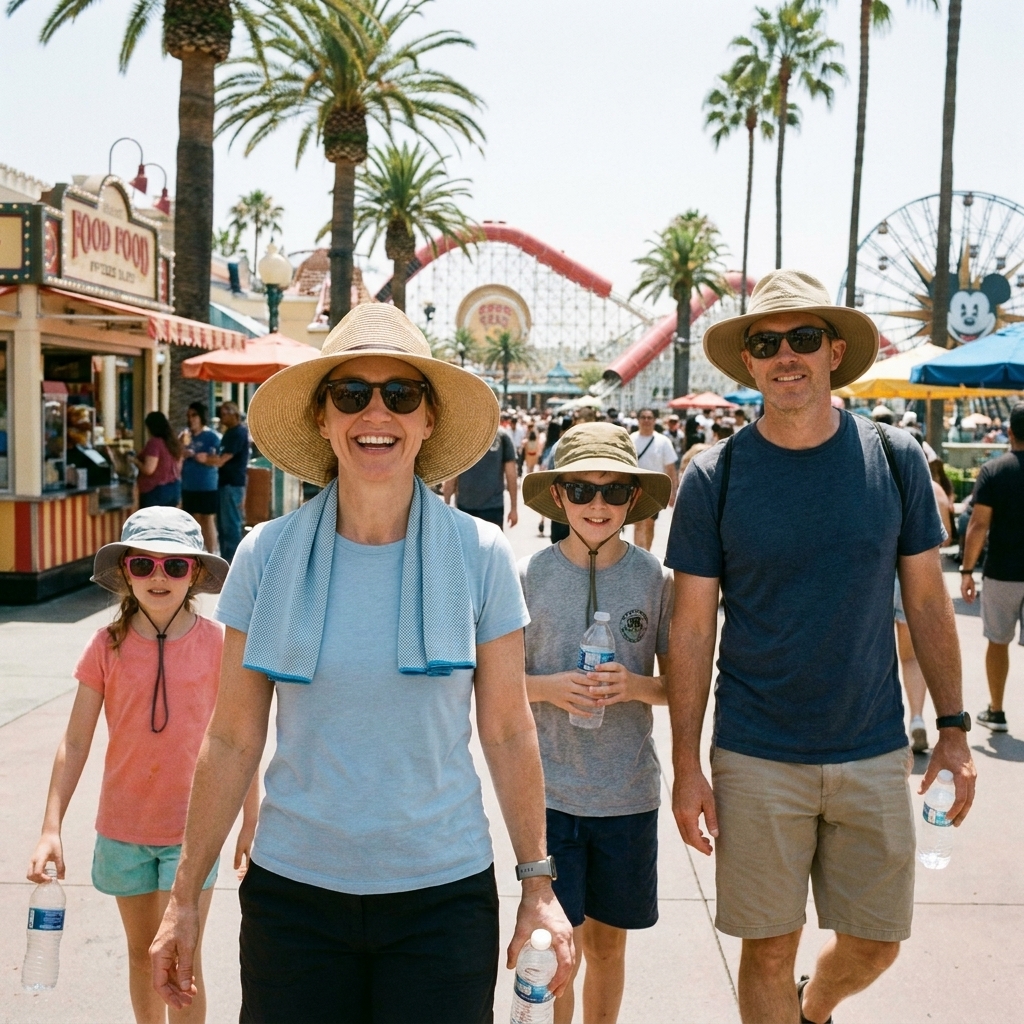
The best “no wasted time” days are light on gear and heavy on comfort. If you are constantly adjusting bags, searching for sunscreen, or dealing with blisters, your pace slows down fast.
My small-but-mighty packing list
- Tickets and ID, plus a backup payment method
- Portable charger and charging cord
- Refillable water bottle
- Sunscreen and lip balm
- Small pack of wipes or hand sanitizer
- Comfortable shoes you have already worn
- Light layer for indoor AC or evening
Stroller, locker, mobility, or no extras?
- Families: a stroller can be a lifesaver even for kids who “never use one,” but keep it organized. One bag, one hook, one routine.
- Couples: consider a locker if you are carrying bulky items that will slow you down all day.
- Anyone who needs mobility support: if you plan to rent a wheelchair or ECV, confirm the pickup location, hours, and whether you can reserve ahead. On busy days, rentals can run out.
- Solo: you can move fast. Keep valuables on you and avoid anything you have to set down repeatedly.
Step 9: Know three pivots
Even the best plan hits a snag: a ride breaks down, weather rolls in, or your group energy drops. The difference between a stressful day and a smooth one is having a pivot ready.
Pivot #1: Weather switch
When rain or extreme heat hits, switch to indoor shows, museums, aquariums, covered queues, or dining. Keep one indoor area in your back pocket for exactly this reason .
Pivot #2: Line swap
If wait times surge, do a low-line loop: walkthrough exhibits, scenic areas, shops you actually want, or a show. Come back to the headliner later instead of standing in a 90-minute line out of stubbornness.
Pivot #3: Energy reset
When moods dip, do the fastest win available: a favorite snack, a short attraction with a guaranteed payoff, or a quiet 15-minute sit. Small resets prevent big blowups.
Common time-wasters
- Buying tickets on-site when online options are faster or required
- Starting with low-demand attractions during the first hour of the day
- Zigzagging across the property chasing random short waits
- Eating lunch at noon without a plan, then spending an hour searching for a table
- Skipping breaks until everyone is exhausted
- Over-scheduling so tightly that one delay ruins the whole day
- Not checking height, access, or age restrictions before walking across the park
- Saving your must-dos for later and running out of time
Sample full-day schedule
Use this as a plug-and-play outline, then swap in your attraction’s specifics.
Morning
- Arrive: 45 to 60 minutes before opening
- First 2 hours: 2 headliners or your Top 3 priority item
- Mid-morning: one lower-demand experience plus a quick snack and water refill
Midday
- Early lunch: 11:00 a.m. to 11:30 a.m. or late lunch after 1:30 p.m.
- Peak crowds: indoor attractions, shows, exhibits, shaded areas
- Break: 20 to 30 minutes seated, charge phones if needed
Afternoon and evening
- Return to priorities: anything you missed that is time-sensitive
- Snack: 3:30 p.m. to 4:30 p.m. to avoid the dinner crash
- Closer: one big finale, then shopping or photos on the way out
FAQ
Is express or skip-the-line worth it?
It depends on your goals and the day’s crowd level. If your Top 3 are high-demand rides or experiences and you only have one day, express access often turns a stressful day into a smooth one. If you are more into wandering, shows, and food, you may not need it.
How do I plan with kids who need naps?
Build your day around one midday reset. Do your biggest priorities in the morning, then schedule a stroller nap during a calm loop like an aquarium, train ride, slow dark ride, or shaded animal trail. If your attraction allows re-entry and your hotel is close, a short midday break can be magic.
What if I hate planning?
Keep it light: pick a Top 3, choose one meal plan, and decide your first two moves. That tiny bit of structure eliminates most time-wasting, without turning your day into a spreadsheet.
What is the best time-saving habit?
Decide your first hour and your lunch plan before you arrive. Those two choices protect the most valuable parts of the day.
One last reminder
The goal is not to “do everything.” The goal is to do what you came for, with enough space to notice the fun details you will actually remember later. Make a plan that protects your priorities, then leave just enough wiggle room for a surprise favorite.
Use the steps above to sketch a clean route with three time blocks, a food plan, and two built-in breaks. If you do that, you will waste less time, walk fewer miles, and end the day feeling like you actually lived it.