I grew up doing open to close days in Orlando, and here is the truth: most “bad park days” are not about crowds or lines. They are about sore feet, dead phones, surprise rain, and one hungry person who suddenly cannot cope. The goal is simple: pack light enough to enjoy the day, but smart enough to stay longer without frustration.
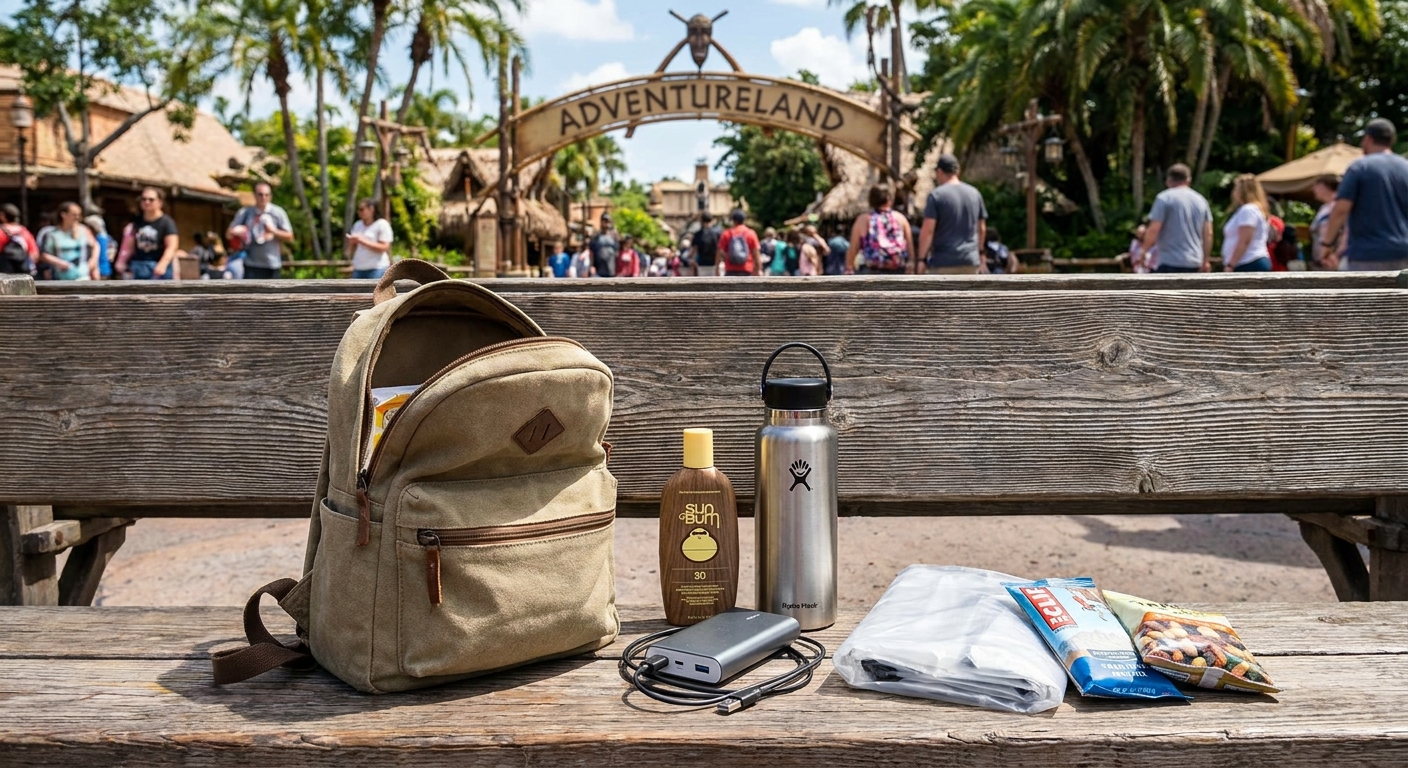
The golden rule: one bag, two layers
If you are debating a giant backpack versus something small, go smaller and pack intentionally. Most people overpack bulky “just in case” items and underpack the things they will use every hour.
- Bag pick: a lightweight daypack or crossbody that closes securely, plus a packable tote for gift shops or wet items.
- Two-layer mindset: something for sun and heat, and something for surprise weather or strong air conditioning.
Comfort essentials you will thank yourself for
Feet first
Theme parks and zoos often mean a lot of walking, sometimes 15,000 to 25,000 steps in a day. Museums are gentler, but hard floors can still wear you down.
- Broken-in shoes (not new) with real support
- Moisture-wicking socks (bring one extra pair if it might rain)
- Blister kit: moleskin or blister bandages, plus a couple of alcohol wipes
Small comfort upgrades
- Anti-chafe stick (hot days, long walks, and water rides are a combo)
- Hand sanitizer or wipes
- Tissues (bathrooms can run out at peak times)
- Lip balm and travel lotion for dry museum air
- Hair ties or hat clips if wind or rides are in the mix
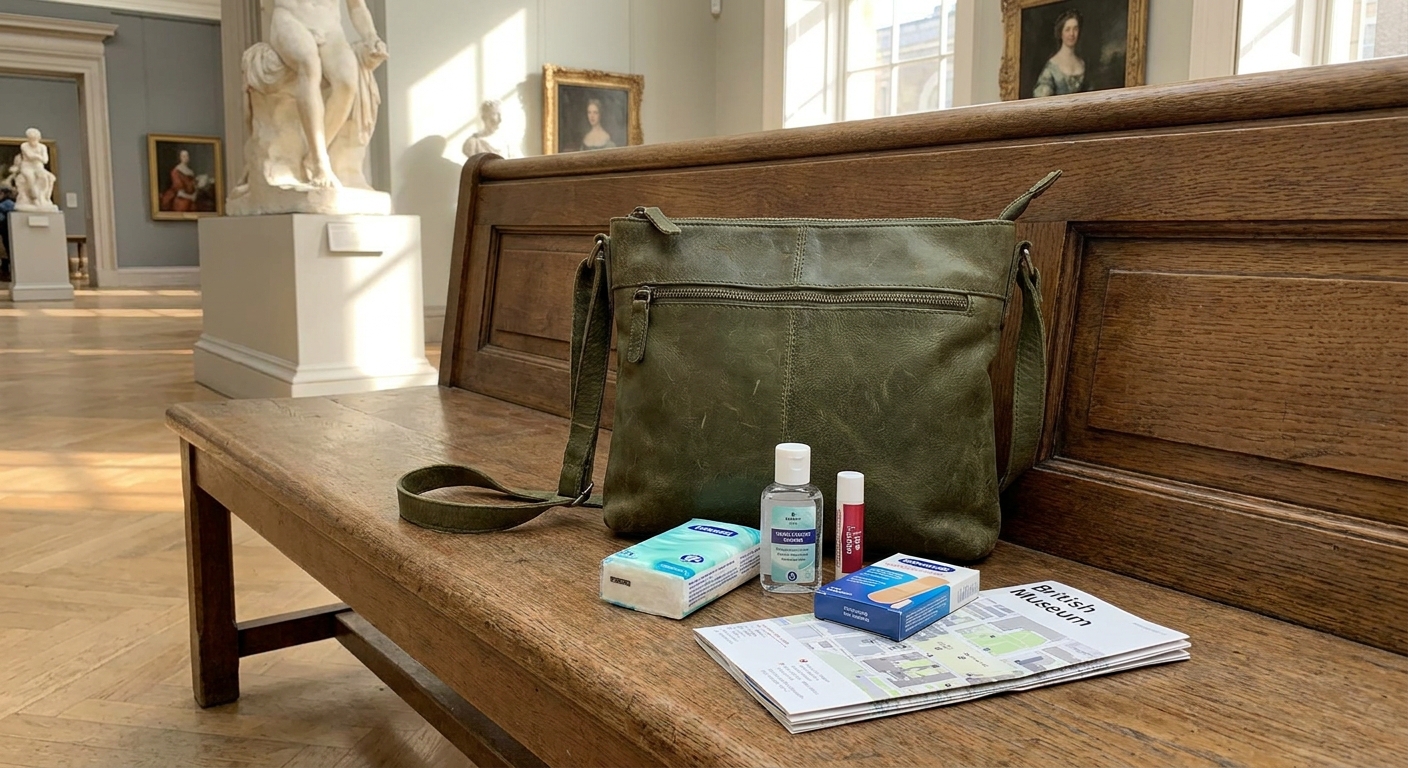
Weather and sun: pack for what the forecast misses
Sun protection that actually works
- Sunscreen (apply before you arrive, then bring a small one for reapplication)
- Sunglasses with a case
- Hat or visor
- Cooling towel for outdoor parks and zoos in warm months
Rain and temperature swings
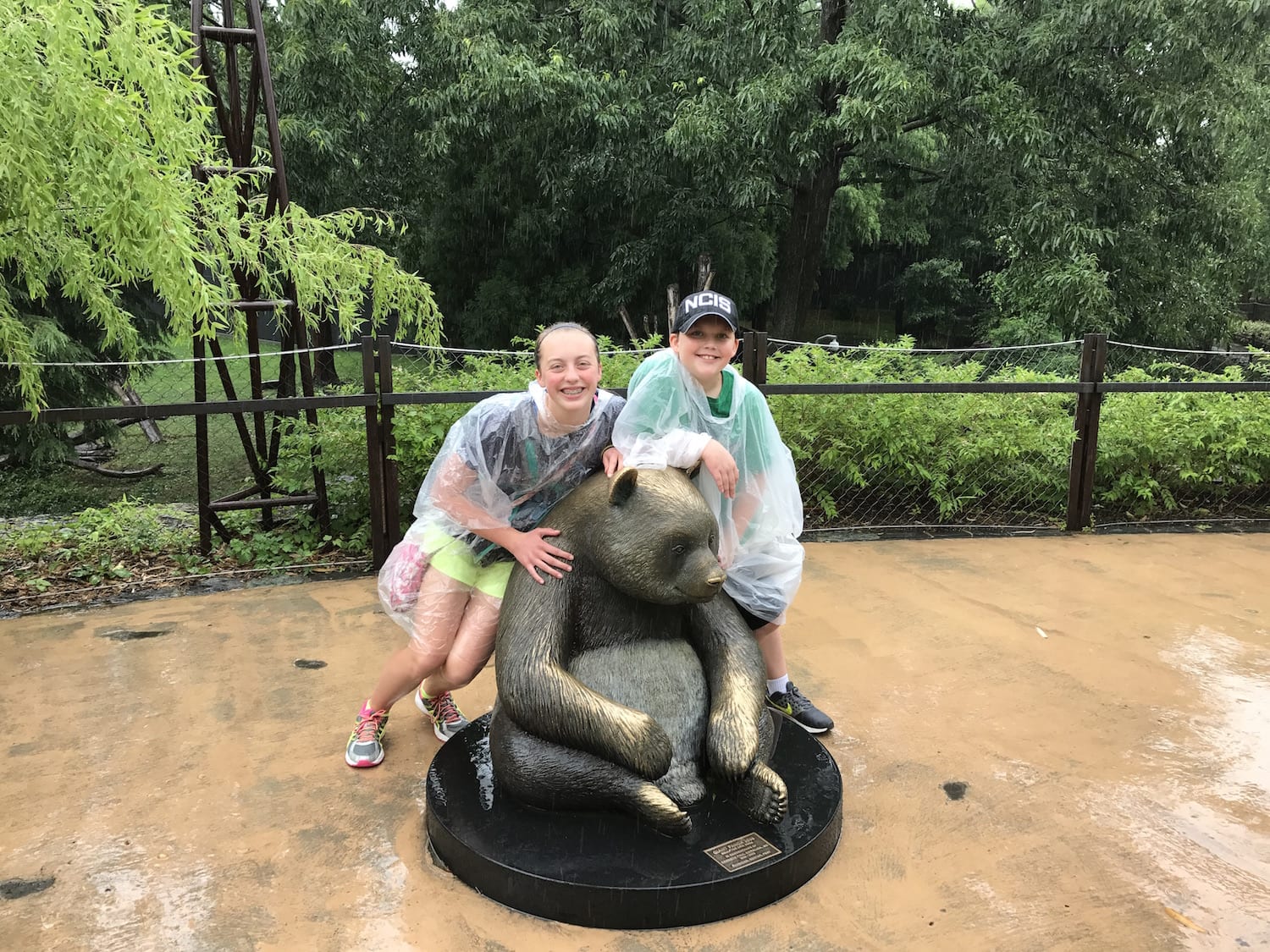
- Disposable poncho or packable rain jacket
- Small umbrella only if you are comfortable carrying it all day
- Light layer for indoor museums, aquarium tunnels, or evening temps
- Zip-top bag for electronics if it pours
My always move: If rain is even possible, I pack a poncho and an extra pair of socks. Wet socks are a day-ender.
Florida note: In storm season, lightning can pause outdoor rides and clear open areas. I keep one quick “indoor pivot” idea in mind (show, exhibit hall, aquarium building) so a shutdown does not turn into a mood crash.
Hydration and snacks: the no-meltdown kit
You do not need a full picnic. You do need a plan for hunger that hits at the worst possible moment, like right before your timed museum entry or when you are stuck in a long queue.
Bring these basics
- Refillable water bottle (insulated if it is hot)
- Electrolyte packets for intense heat or lots of walking
- Two quick snacks per person: think granola bars, trail mix, applesauce pouches, crackers, or jerky
- One “real” snack that feels like a mini meal: a protein bar, a bagel, or a peanut butter sandwich if allowed
Food rules of thumb
- Choose snacks that survive heat and do not crumble everywhere.
- Pack to your schedule: if you booked a show or timed ticket, bring something you can eat while walking.
- Know the venue policy: some museums restrict outside food in galleries, and some parks limit large coolers.
Quick water tip: Some venues allow empty refillables (and prefer them for security), and many have bottle-filling stations. When in doubt, bring an empty bottle and fill inside.
Phone, tickets, and charging: keep your day moving
Between mobile tickets, locker codes, ride photos, maps, and dining reservations, your phone is basically your day-pass now.
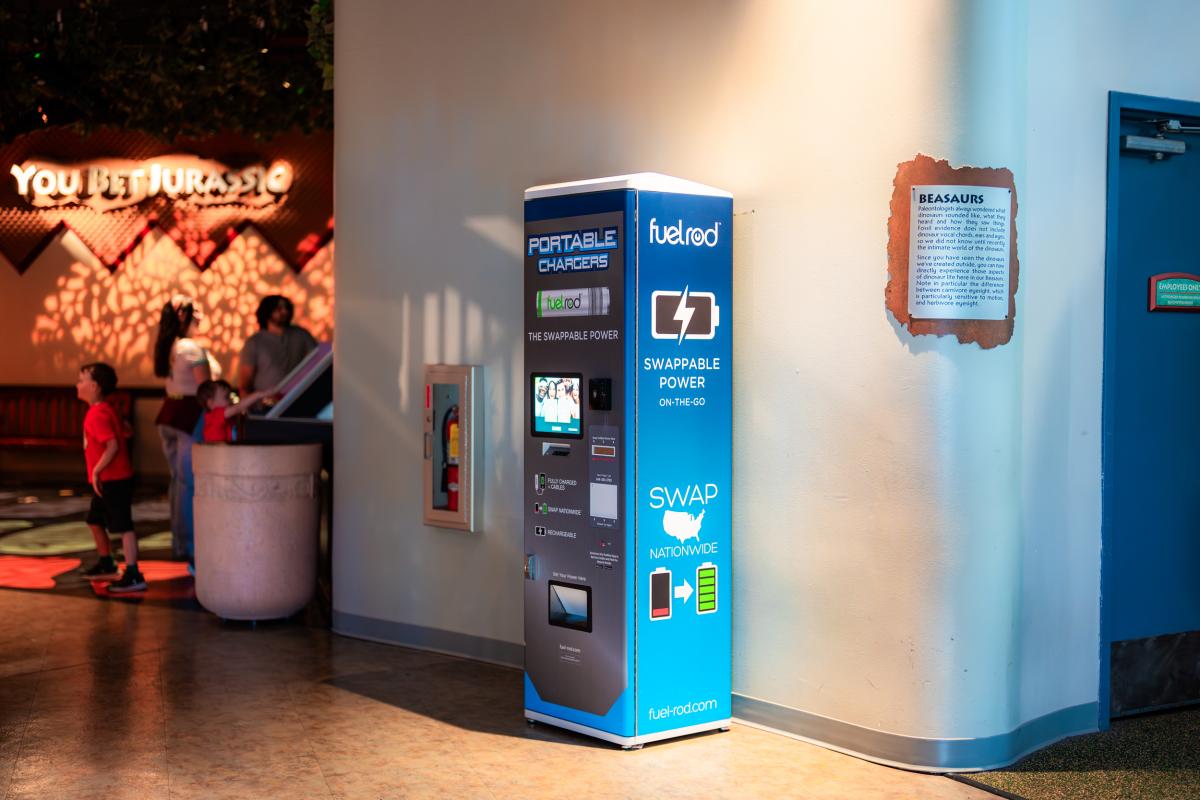
- Portable charger (10,000 mAh is a sweet spot for most phones with moderate use)
- Charging cable that matches your phone, plus a short backup if you have one
- Wall plug if you plan to take a long indoor break at a cafe
- Offline backup: screenshot tickets, QR codes, and must-do reservations
- Small cardholder with an ID and one physical payment option, just in case your phone dies
Battery saver move: If service is spotty, your phone works harder. Switching to low power mode and turning on airplane mode while you are in a dead zone can buy you real time.
Kid-friendly extras (without hauling your whole house)
For families, the best packing strategy is “tiny tools that prevent big problems.”
Essentials for little ones
- Wipes (the universal fix for sticky hands)
- Change of clothes for toddlers or water play areas
- Light snack variety: one salty, one sweet, one familiar “safe food”
- Mini first aid: bandages, kid-safe pain reliever if you use it, and any must-have meds
- Comfort item that is small and replaceable, like a tiny plush or blanket
Stroller and downtime hacks
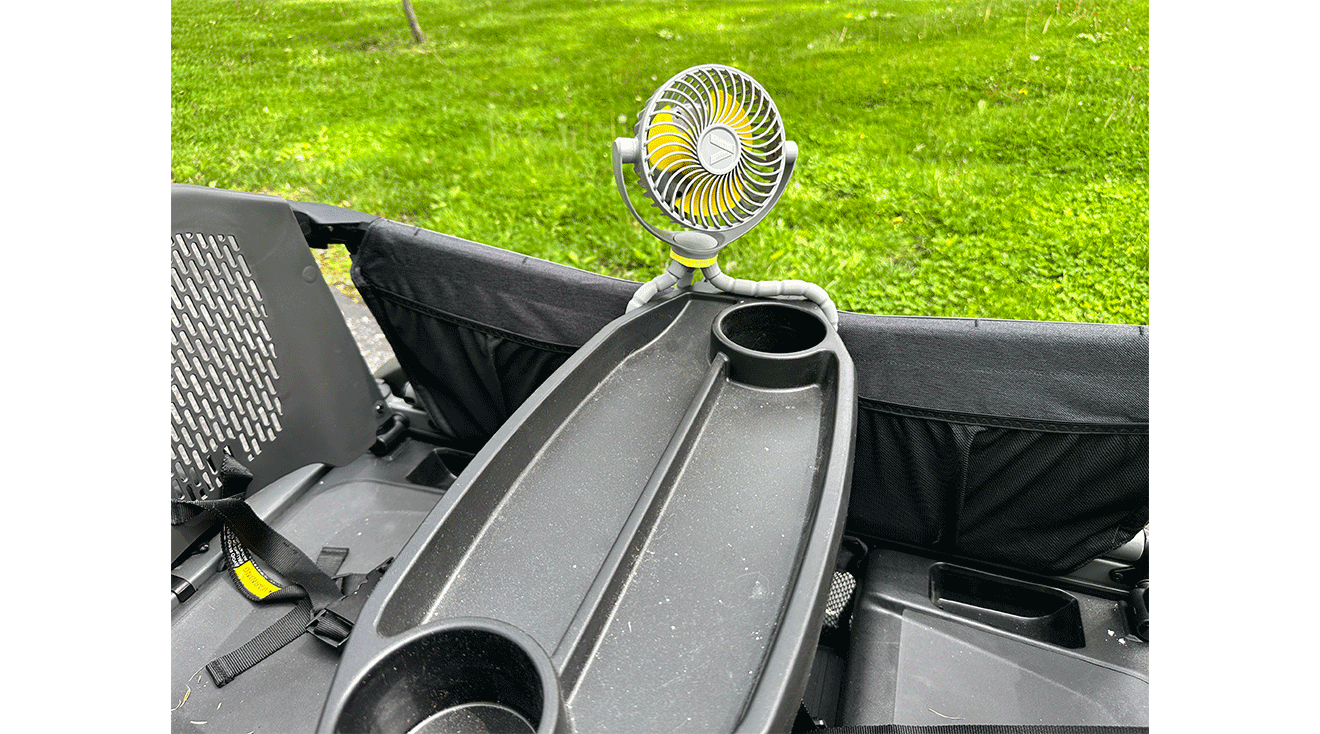
- Stroller fan (hot climates) and rain cover if weather is iffy
- Clip-on carabiner for bottles or hats
- One quiet activity for lines: sticker book, small fidget, or a short card game
Pro planning tip: Pack one zip pouch labeled “line time.” Only open it when the wait gets real. It stays novel longer.
Mobility and accessibility items to consider
Even if you do not think of yourself as someone who needs mobility support, long days can turn anyone into a “I need a break” person. A few items can make the day more comfortable and flexible.
- Any required medications in original packaging if possible
- Refillable water bottle and salty snack if heat impacts you
- Compression socks if you swell or get sore on long walking days
- Foldable cane or braces you already use
- Medical info card listing allergies, emergency contacts, and key needs
If you might rent a wheelchair or ECV, consider bringing a phone mount or lanyard so your essentials stay accessible.
Rain rides, water zones, and souvenir protection
Even if you are not planning to get wet, someone in your group will walk straight into a splash zone like it is a challenge.
- Waterproof phone pouch or zip-top bag
- Quick-dry shorts or a spare shirt if water rides are a must
- Small microfiber towel (packs tiny, dries fast)
- Collapsible bag for damp ponchos or swimsuits
Don’t forget the small critical items
- Photo ID (especially if picking up will-call tickets or using discounts)
- Cash in a small amount for tips, lockers, or backup payment
- Allergy meds if pollen or animal encounters are on the agenda
- Reusable straw if you prefer one, plus a napkin or two
- Mini deodorant for hot days
- Earplugs for loud shows, fireworks, or sensory breaks
Entry and security: save yourself the hassle
Before you pack, do a quick scan of the venue’s bag rules. Security policies vary, and getting stopped at the gate is an annoying way to start the day.
- Common no-go items: knives or multi-tools, pepper spray, glass containers, outside alcohol, and oversized tripods.
- Sometimes restricted: selfie sticks, large coolers, and professional camera gear.
- Smart habit: keep liquids simple and easy to show, and pack anything “questionable” out of your bag.
What not to bring (save your back and your time)
These are the items I see people regret carrying around by 2 pm.
- Huge water jugs that do not fit in bag pockets
- Full-size bottles of anything when travel sizes will do
- Hard-to-carry souvenirs early (shop later or plan a locker stop)
- Too many “maybe” outfits instead of one smart layer
- Unsecured loose items if you will ride coasters or spinning rides
Quick packing lists you can screenshot
All-day basics (any venue)
- Tickets and ID (plus screenshots)
- Phone and portable charger
- Refillable water bottle
- Sunscreen, sunglasses, hat
- Blister care and a couple of bandages
- Hand sanitizer and tissues
- Two snacks per person
- Light layer or poncho depending on forecast
Theme park add-ons
- Poncho or waterproof pouch (water rides, storms)
- Microfiber towel
- Hair ties and anti-chafe stick (hot months)
- Locker-friendly bag (small, soft)
Zoo add-ons
- Cooling towel and electrolyte packets
- Extra socks if rain is possible
- Binoculars (optional but fun for habitats)
Museum add-ons
- Light sweater for strong AC
- Notebook or small sketchbook if allowed
- Headphones for audio guides
FAQ
Can I bring food and water into a theme park, zoo, or museum?
Often yes, but it varies. Many places allow small snacks and refillable bottles, while restricting large coolers, glass containers, or full meals. Some venues prefer empty bottles you fill inside rather than outside drinks. If you are unsure, pack simple snacks and check the venue’s bag and food policy before you go.
What is the best bag for a full day?
For most people: a small daypack with two water bottle pockets. If you are doing lots of rides, a compact crossbody that zips closed is great, paired with a packable tote for later.
How do I avoid a dead phone?
Bring a portable charger, keep your cable easy to reach, and screenshot tickets and reservations. On long days, dim your screen slightly, close apps you do not need, and use low power mode. If you are stuck in a low-signal area, airplane mode can help stop battery drain.
What is the biggest packing mistake you see?
Skipping basics like sunscreen, water, and blister care, then overcompensating with a heavy bag of “extras.” The best pack is the one that covers comfort, weather, hunger, and battery life.