My theme park rule is simple: pack like you want to stay until the last show, not like you are hoping to escape by lunchtime. The right bag makes heat, surprise rain, long lines, and kid curveballs feel totally manageable, and it keeps you from overpaying for basics inside the park.
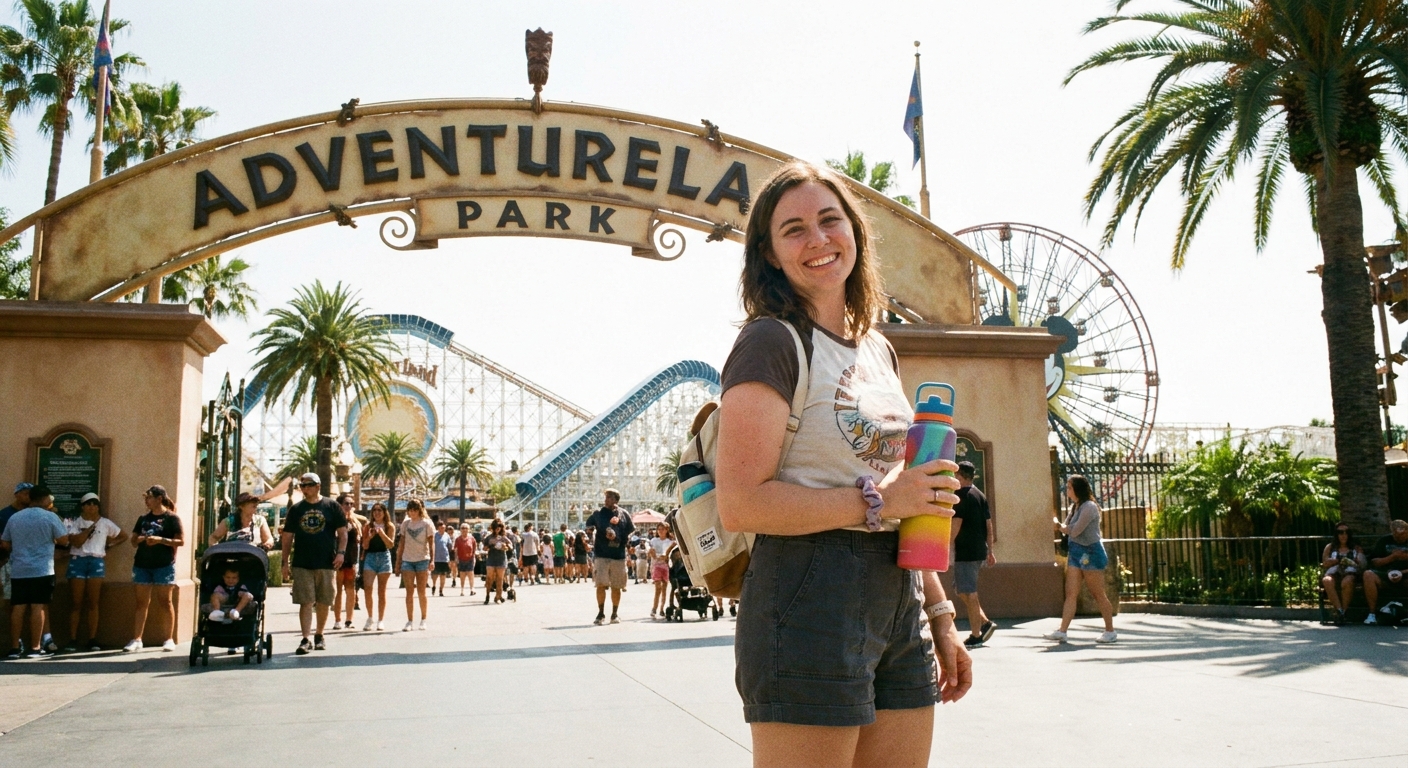
Below is my go-to, been-there packing guide, plus a short list of what to leave at home so security and bag checks stay painless.
Choose the right bag first
If you start with the wrong bag, everything else is a headache. You want something comfortable, organized, and light enough to carry for 10–14 hours.
- Best all-around: a small backpack with a breathable back panel and two water bottle pockets.
- Best for minimalists: a crossbody sling that fits a water bottle, sunscreen, and a portable charger.
- Best for families: a medium backpack plus a packable tote inside for souvenirs or wet ponchos.
Comfort tip: If you get shoulder fatigue, look for a chest strap. It is a small detail that makes a huge difference by mid-afternoon.
The essentials (every time)
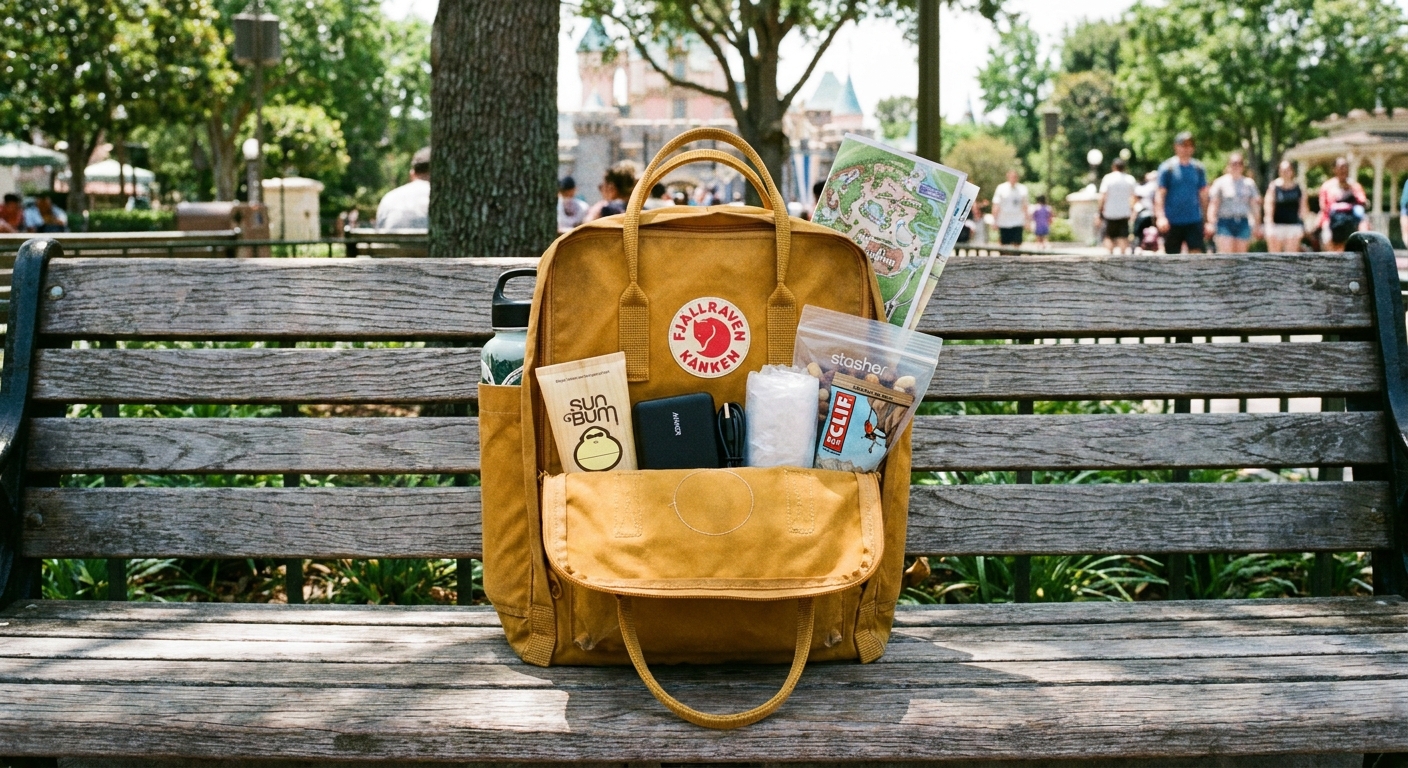
These are my non-negotiables for a full park day. Consider this the master list, and then use the add-on sections below based on weather and who you are traveling with.
- Tickets and ID: physical tickets or digital wallet, plus photo ID if you will pick up will-call or use discounts.
- Payment backup: one card plus a small amount of cash for lockers, vending, or a card reader that decides to have a moment.
- Refillable water bottle: ideally insulated and easy to carry.
- Sun protection: broad spectrum SPF 30+ sunscreen and lip balm with SPF. Reapply per label directions (and more often if you sweat or ride water attractions).
- Portable charger and cable: 10,000 mAh is a sweet spot for most people.
- Hand sanitizer and wipes: for sticky tables, mystery spills, and quick cleanups after snacks.
- Comfortable shoes: worn-in sneakers or supportive sandals. Blisters can end your day early.
Security reality: Pack so you can open your bag quickly and grab the most-screened items (metal water bottles, batteries, umbrellas). Fewer loose items means faster checks.
Heat and sun
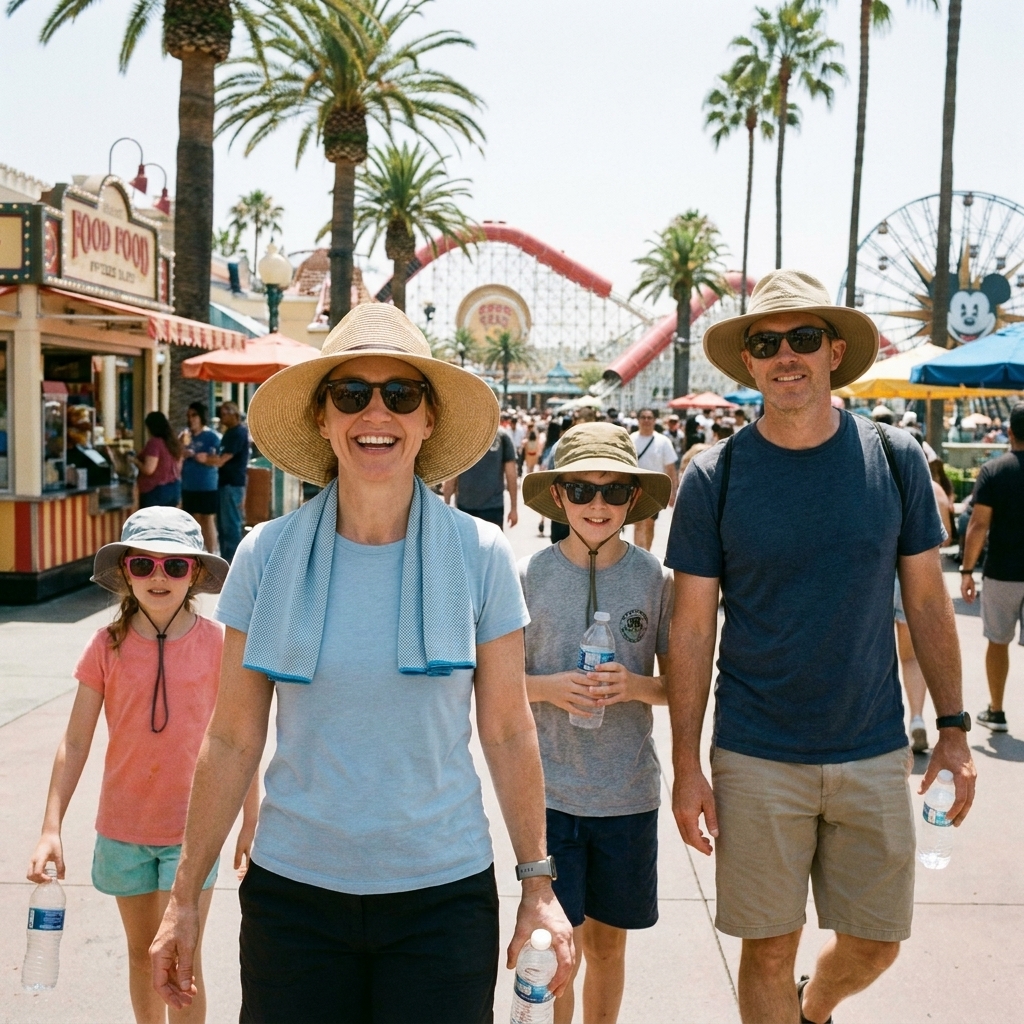
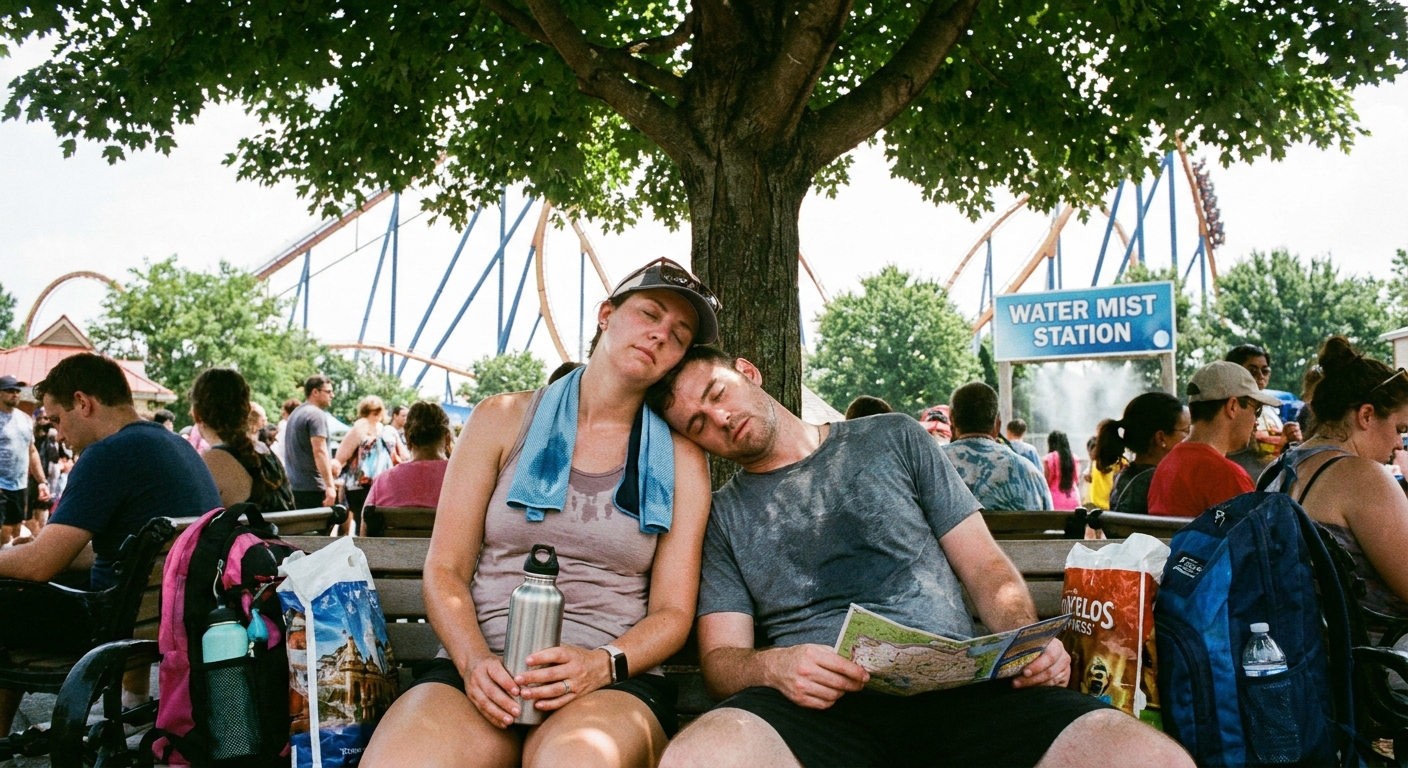
Even if the forecast looks mild, parks often feel hotter because you are walking on pavement, standing in direct sun, and bouncing between outdoor and indoor heat pockets.
Add-ons for hot days
- Cooling towel: wet it, snap it, drape it. Instant relief in outdoor queues.
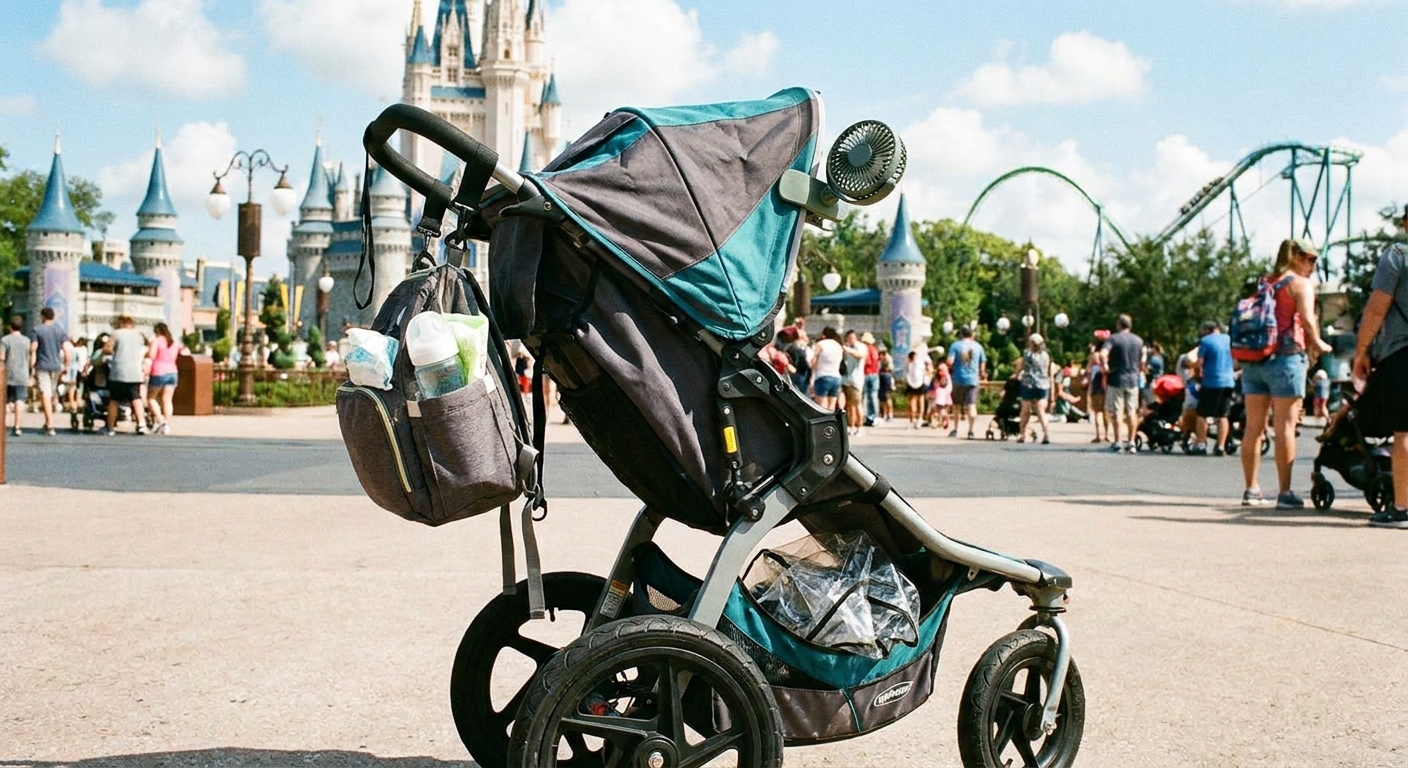
- Mini fan: handheld or neck fan. I like a small rechargeable fan that fits in a side pocket.
- Hat or visor: a brim helps more than you think, especially for kids.
- Sunglasses: polarized if you have them, plus a glasses strap if you ride coasters.
- Electrolyte packets: add to your water midday to help avoid the sluggish, headache-y crash.
- UPF layer (optional): a lightweight UPF shirt can cut down on how often you are reaching for sunscreen.
Planning tip: Put sunscreen and cooling items at the very top of the bag. If it takes two minutes to reach them, you will do it later, and later turns into a sunburn.
Rain and water rides
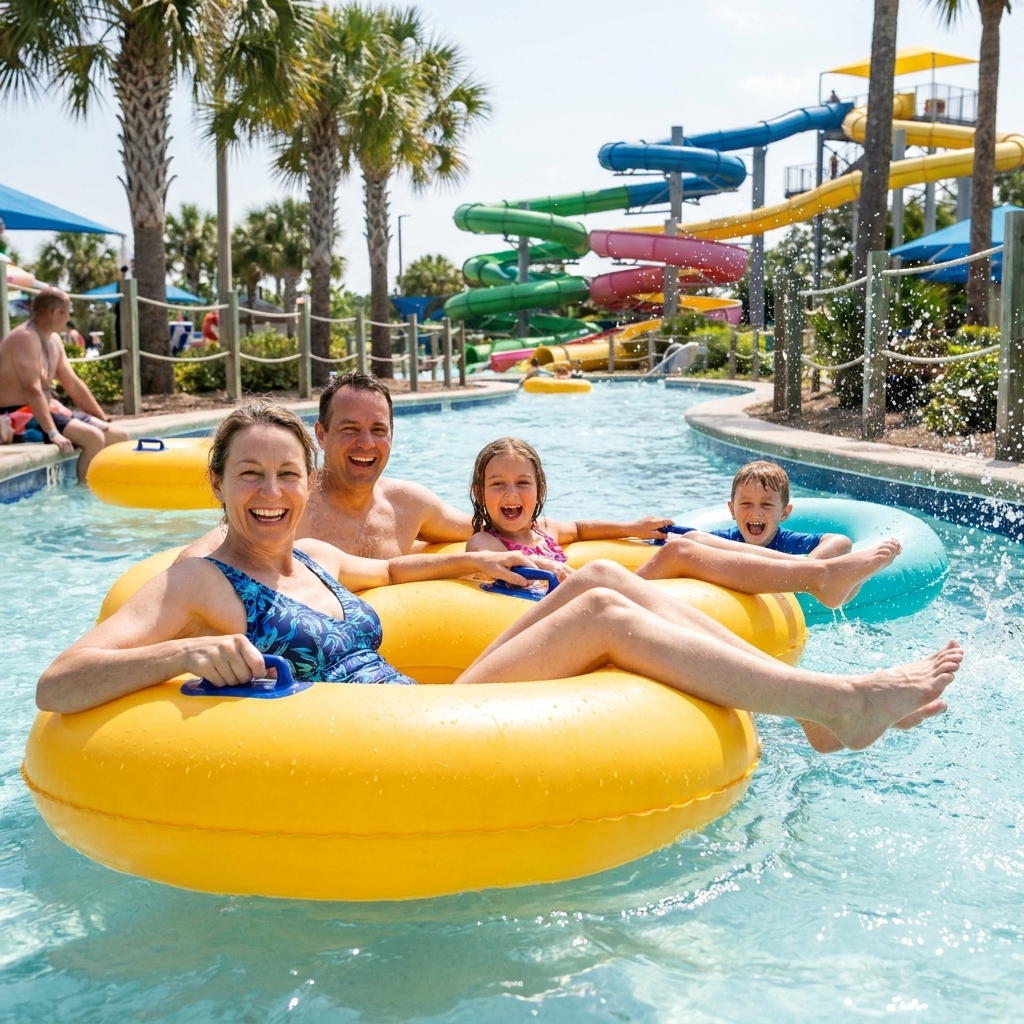
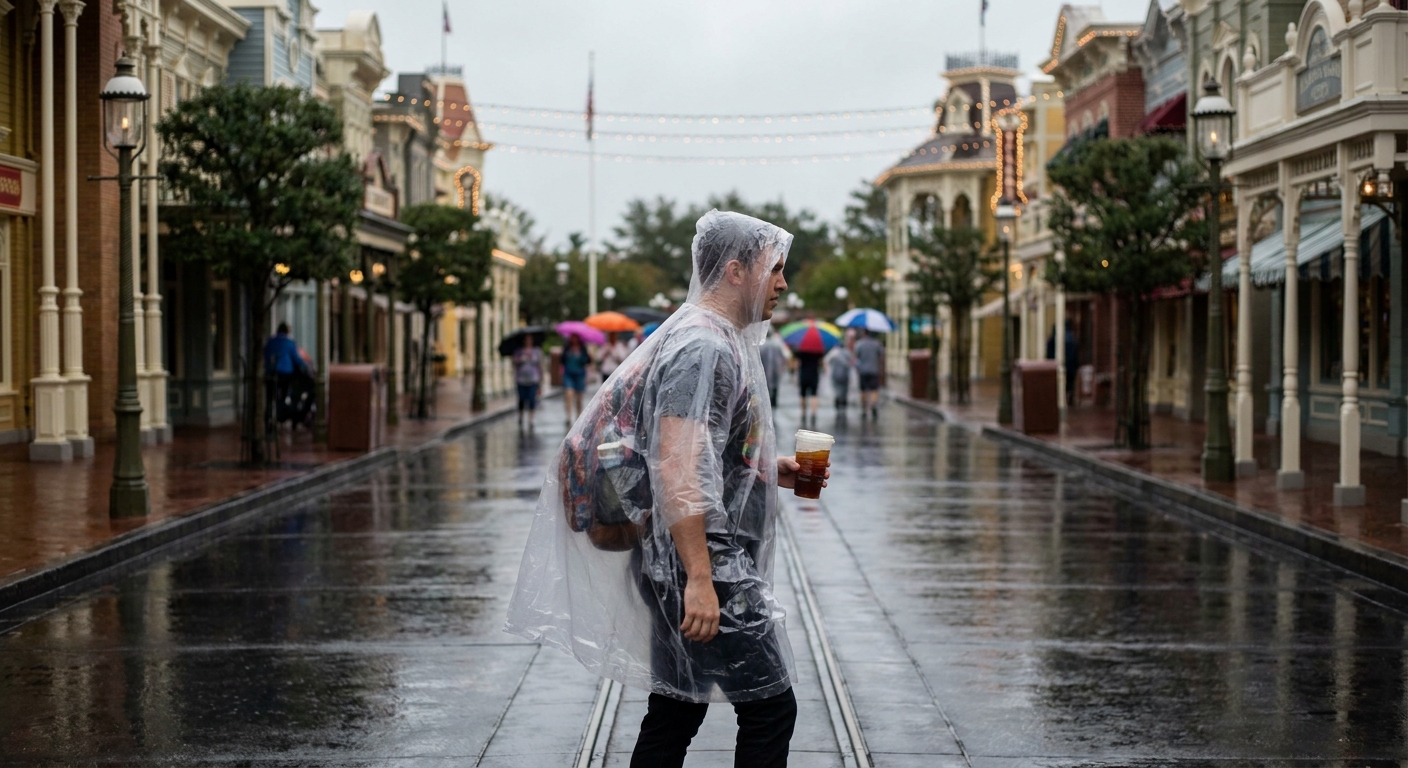
Theme parks love a dramatic afternoon shower. The goal is not perfection. It is staying comfortable enough to keep going.
Rain-ready add-ons
- Poncho: lightweight, folds small, and beats an umbrella in crowded walkways.
- Zip-top bags: stash your phone, wallet, and battery during downpours or splash rides.
- Packable rain jacket: nicer than a poncho if it is windy, cooler, or you hate that clingy plastic feeling.
- Small microfiber towel: wipe seats and dry hands fast.
- Extra socks: if your shoes get soaked, dry socks can completely reset your mood.
My little hack: Bring one empty zip-top bag for wet stuff. Toss in the poncho, damp socks, or a drippy water bottle so everything else stays dry.
Long lines
Long waits are easier when you are fed, charged, and not annoyed by tiny discomforts. Pack like you are preparing for a mini road trip.
Line-savers to add
- Snack upgrade: one small, non-melty snack per person (trail mix, crackers, fruit snacks).
- Entertainment: mini cards, a small fidget for kids, or downloaded videos for downtime.
- Anti-chafe stick: if you do a lot of walking in warm weather, this is a lifesaver.
Snack note: Outside food rules vary by park. Many parks allow small snacks, but some restrict outside meals except for dietary needs, baby food, and medical reasons. Common restrictions include no loose ice, no hard-sided coolers, and limits on cooler size. Check your park’s official policy before you go.
Kids kit
If you are visiting with little ones, the magic is real, and so are the meltdowns. A small kid-focused kit keeps you out of the gift shop emergency purchase cycle.
Toddlers and young kids
- Change of clothes: one lightweight outfit or at least underwear and shorts.
- One comfort item: small plush or blanket for stroller breaks.
- Stroller extras: clip-on fan, stroller rain cover if you have it, and a small lock if the park recommends it.
- Kid-friendly sunscreen: stick sunscreen is quick for faces and ears.
- Wipes: multipurpose MVP for hands, seats, and sticky faces.
Older kids
- Refillable bottle they can carry: fewer I am thirsty interruptions.
- Familiar snack: something safe for picky moments.
- Contact info: write your phone number on a card in their pocket, or use an ID band if you prefer.
Phone, charging, and photos
Your phone is your ticket wallet, map, wait-time checker, camera, and sometimes your hotel key. Plan for it like it is mission-critical.
- Portable battery: 10,000 to 20,000 mAh depending on how photo-happy you are.
- Cables: bring the exact ones you need, plus a short backup if you have space.
- Wall plug: optional, but handy if you plan a long meal break near outlets.
- Storage check: clear space before you arrive.
My micro-tip: I keep my cable and adapter in a tiny zip pouch, so I am not digging around for a loose cord while everyone behind me is trying to scan into a ride.
Digital prep: Download the park app before you arrive, sign in, add tickets to your phone wallet (if available), and consider downloading maps or content for spotty service areas. Low power mode is not glamorous, but it keeps you in the game.
Photo tip: If you take a lot of videos, switch to a slightly lower resolution for the day. You will still love the memories, and your storage will not panic at 4 pm.
Water and food
The easiest way to last longer in a park is to treat hydration and steady snacks like a schedule, not an afterthought.
- Electrolytes: especially in high heat or if you are walking all day.
- Two small snacks: one salty, one sweet. This helps avoid the hangry spiral.
- Reusable straw: optional, but helpful if you prefer sipping with a straw and want to avoid flimsy paper straws.
Budget tip: Set a snack baseline. If you know everyone gets one fun treat plus your packed snacks, you will spend less and feel better.
Small emergencies
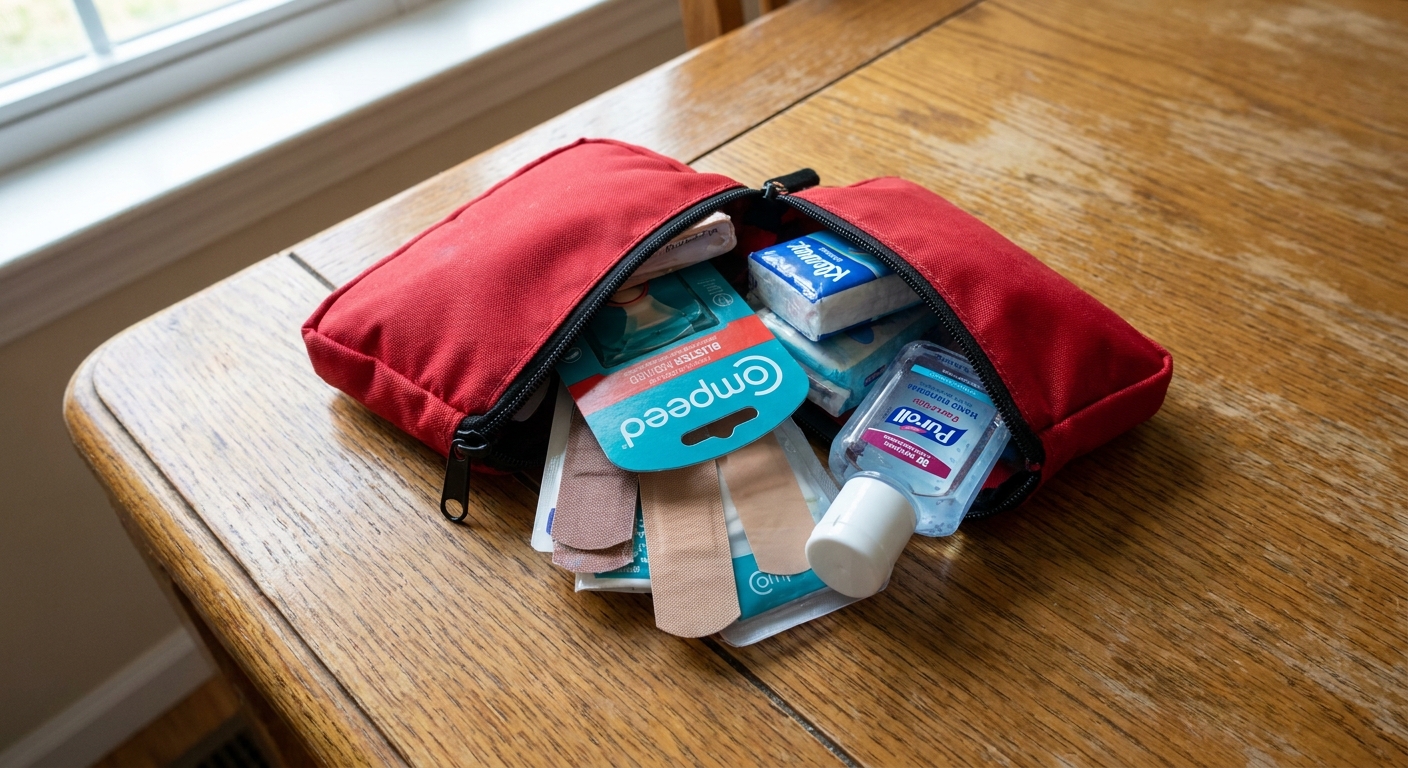
I used to coordinate events, and I swear by a compact just-in-case pouch. You can keep it palm-sized and still be ready for the most common theme park hiccups.
- Bandages: assorted, including blister-specific ones.
- Moleskin or blister pads: for heel and toe hotspots.
- Pain relief: your preferred OTC option in original packaging.
- Motion sickness remedy: if you get woozy on spinning rides.
- Allergy meds: especially during pollen-heavy seasons.
- Any personal meds: inhaler, EpiPen, or anything you do not want to be without.
- Mini deodorant or wipes: a quick refresh goes a long way.
- Hair ties: even if you do not think you will need them.
- Small pack of tissues: for noses, spills, and bathrooms that ran out.
Important: If you carry medications, keep them labeled and in original containers when possible. Security is usually quick, but clear packaging prevents delays.
What not to bring
Parks vary, but these items commonly cause delays at security, take up too much space, or end up being more trouble than they are worth.
- Large umbrellas: awkward in crowds and can slow bag checks. A poncho is usually easier.
- Glass containers: most parks prohibit glass. Check policy before you pack it.
- Huge coolers: if coolers are allowed, keep it small and soft-sided. Large coolers are often restricted.
- Aerosols: avoid when possible and check your park rules. Some parks restrict or ban them.
- Bulky camera setups: unless you are intentionally doing photography, big lenses get heavy fast and can be restricted on rides.
- Too many outfit changes: one backup layer or a spare for kids is plenty.
- Loose valuables: jewelry you will remove on rides, expensive sunglasses without a strap, or anything you would be crushed to lose.
Reality check: If you cannot comfortably carry it for an hour, you will resent it by hour six.
Quick lists
Solo or adults-only
- Tickets, ID, payment backup
- Refillable water bottle
- Sun protection (SPF, SPF lip balm, sunglasses, hat)
- Portable charger and cable
- Poncho, zip-top bags
- Snack, electrolyte packet
- Bandages and blister pads
Family day
- Everything above, plus wipes and a change of clothes for kids
- Stroller fan and rain cover (if using a stroller)
- Extra socks
- Comfort item for little ones
- Kid contact info card or ID band
Cool night add-on: If you are visiting during shoulder season or staying for fireworks, toss in a thin packable layer. Nights can feel surprisingly chilly after a long, sweaty day.
FAQ
Backpack or locker?
If you like to stay flexible and move fast, a small backpack is ideal. I recommend a locker when you have bulky items like a big change of clothes, a large souvenir you do not want to carry, or you plan to hit multiple water rides and want dry storage.
How much water?
Bring one refillable bottle per person and refill often. In hot weather, plan on steady sipping all day rather than chugging occasionally. If you feel a headache coming on, add electrolytes and take a shaded break.
Most-forgotten item?
Blister protection. A single hot spot can turn into a painful blister shockingly fast. A couple of blister pads weigh nothing and can save your whole evening.
How do I get through security faster?
Keep your essentials pouch and any batteries where you can grab them quickly, and avoid a bag full of loose items. If you are bringing a metal bottle or umbrella, expect a closer look and pack accordingly.
My stay-until-close reminder
Pack for comfort, not perfection. If you have sun protection, water, a way to stay dry, and a tiny emergency kit, you are set up for the kind of day that ends with tired feet and a full camera roll, not a frantic gift shop purchase and an early exit.