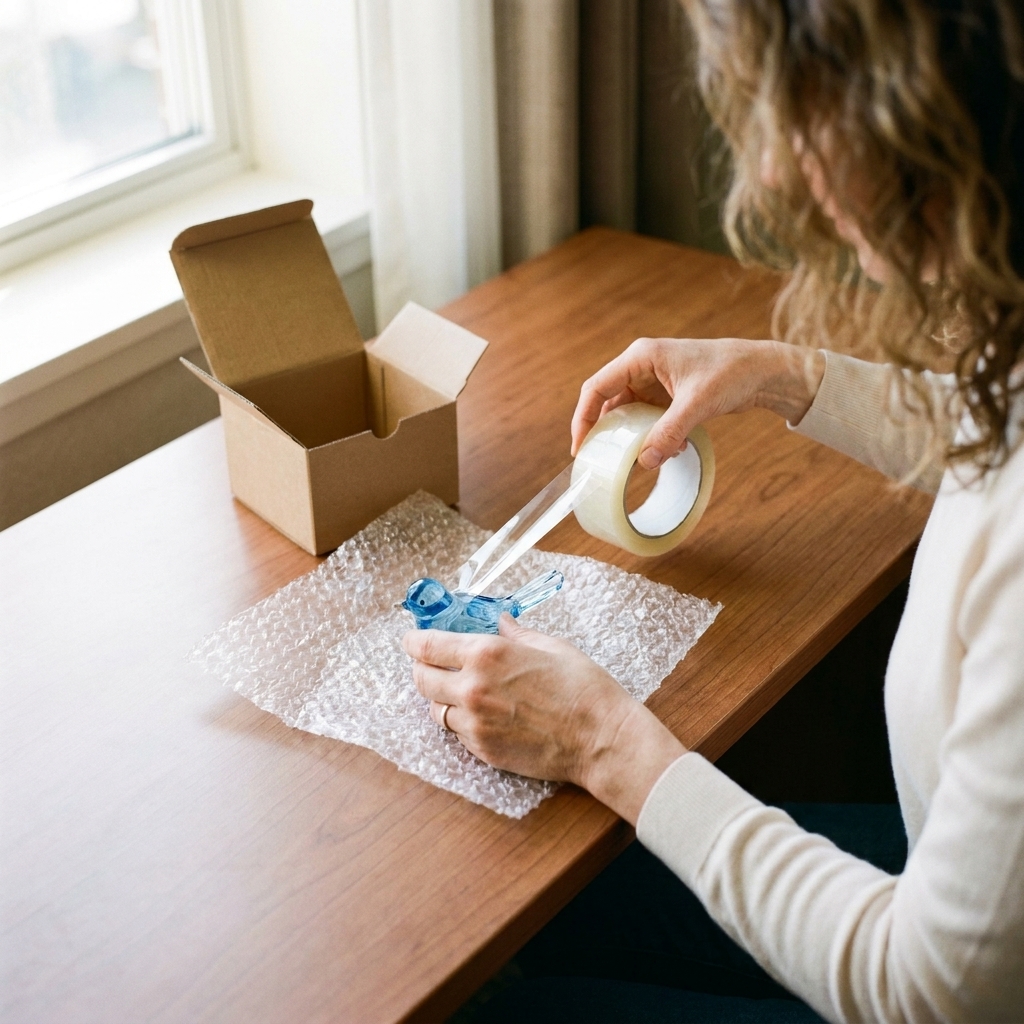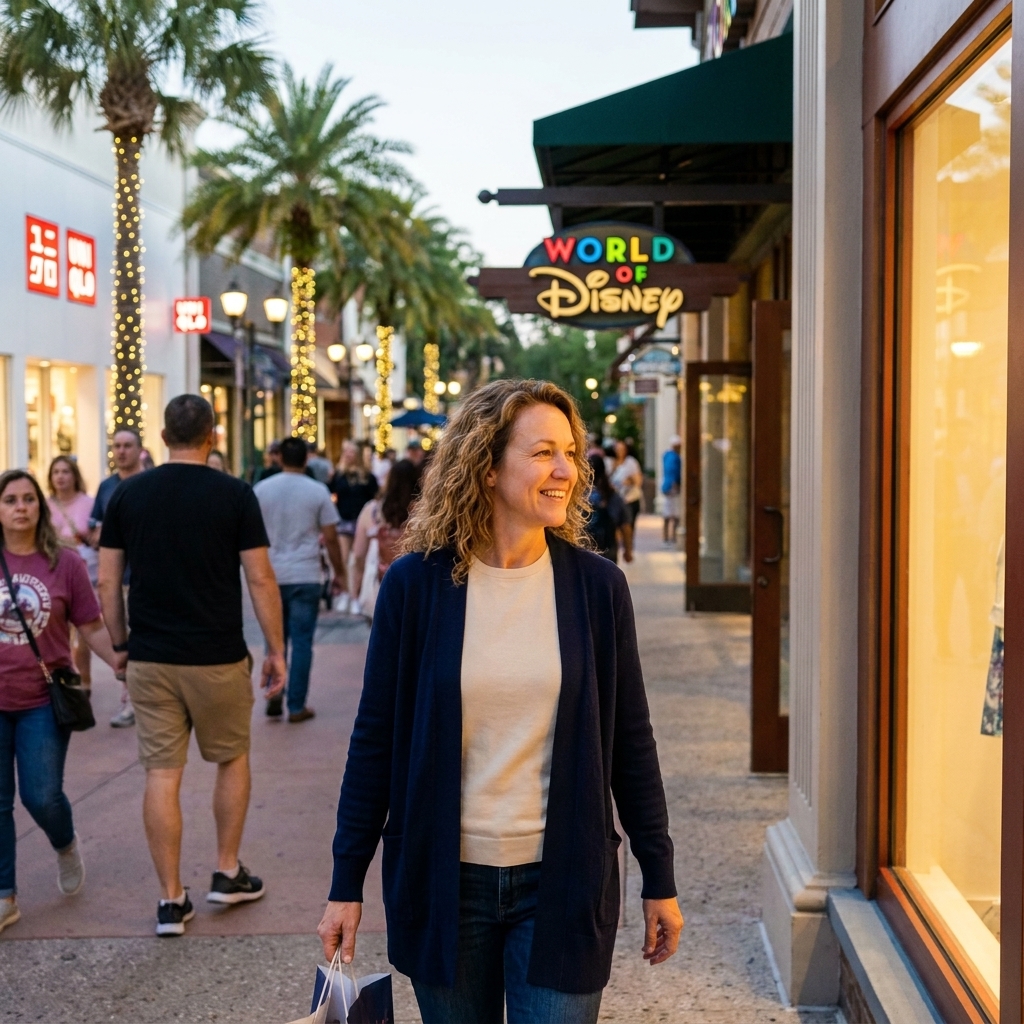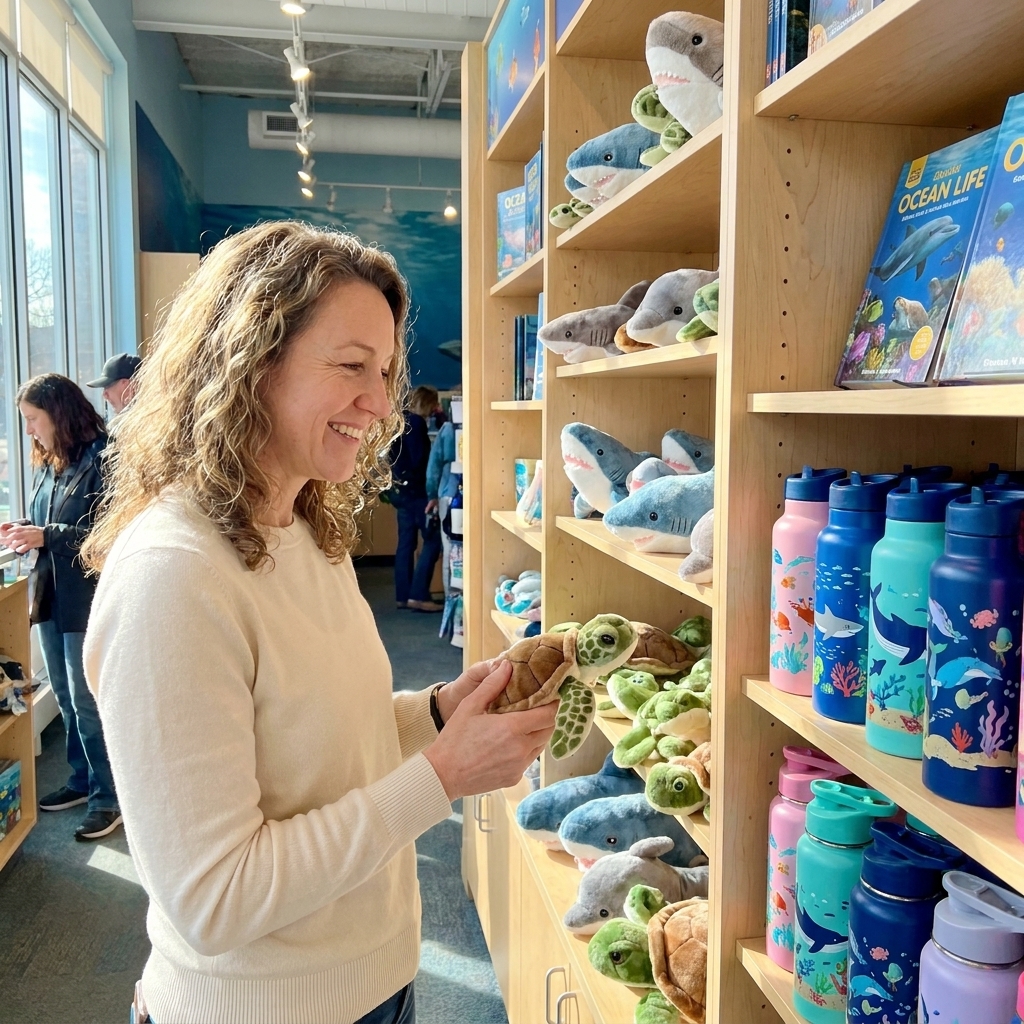
I love a good theme park souvenir. A silly headband that makes the photos, a holiday ornament that brings the trip back every December, a sweatshirt that somehow becomes your personality for the next year. But I have also watched plenty of families walk out of a gift shop with wide eyes and a receipt that quietly ruins the rest of the day.
The goal is not to skip souvenirs. It is to plan for them like you plan for parking, snacks, and sunscreen. Here is a realistic, no guilt system that works at big-ticket parks like Disney and Universal, whether you are traveling with little kids, teens, or a mixed group with very strong opinions.
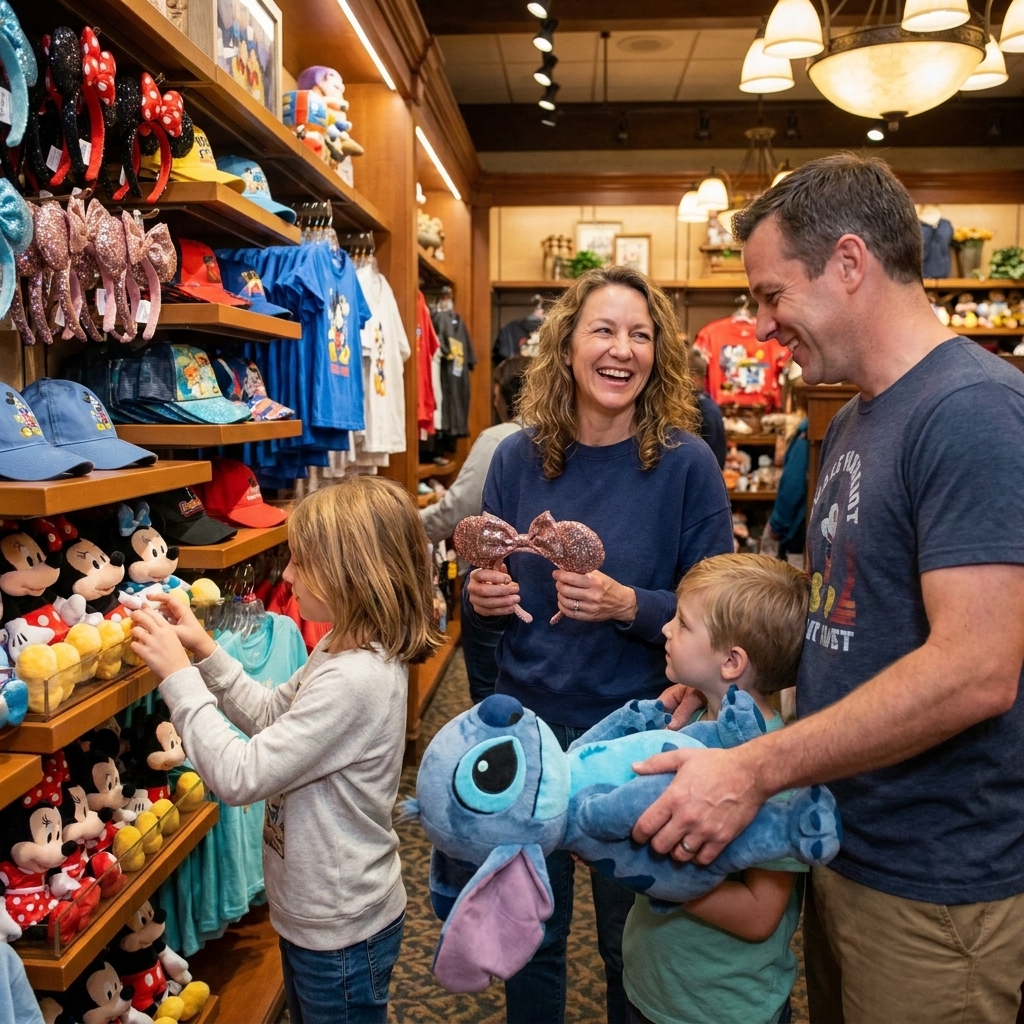
Start with the one number that matters
Before you pick a strategy, decide your souvenir budget ceiling. This is the total you are comfortable spending on merchandise for the entire trip. Not per person, not per day. Total.
A quick way to set your ceiling
- Families: as a starting point, some families set aside about 3% to 7% of the total trip cost for souvenirs, then adjust based on income, trip length, and how merch-happy the group is.
- Couples: pick a number that covers one “signature” item each (like a Spirit Jersey or a nice mug) plus a small shared keepsake.
- Solo travelers: plan for one practical item (like a tee or hat you will actually wear) plus one memory item (pin, ornament, photo frame).
If you want a super simple starting point, set a ceiling that equals one nice sit-down meal for your group. It is a surprisingly easy mental tradeoff when you are staring at a wall of plush.
Quick example: If your ceiling is $300 for a 3-day park trip, you are working with $300 total. That could be $100 per day if you do a daily allowance, or one bigger end-of-trip purchase plus a few small things.
Pick a plan: daily or final-day
There are two approaches that consistently keep spending in check. Pick the one that matches your group’s personality.
Option A: The daily “fun money” allowance
This works best for kids and for anyone who gets tempted in every shop. Divide your total souvenir budget by park days and that is your daily cap. If you do not spend it, it rolls over.
- Pro: fewer meltdowns because the rule is clear.
- Pro: easier to say yes to small stuff without panic.
- Con: you may end up with more little items instead of one great one.
Mini example: $300 ceiling over 3 days equals $100/day. If you spend $40 on day one, you have $260 left total, or $130/day for days two and three if you want to think of it that way.
Option B: The “final day” purchase
This is my personal favorite for adults and teens who can wait. You take photos of items you love all week, then buy on your last day after you have compared options. (Bonus: photograph the price tag too, since tax can change the final total.)
- Pro: fewer impulse buys.
- Pro: you often realize you do not actually want half the stuff you circled.
- Con: popular sizes and styles can sell out, so have a backup pick.
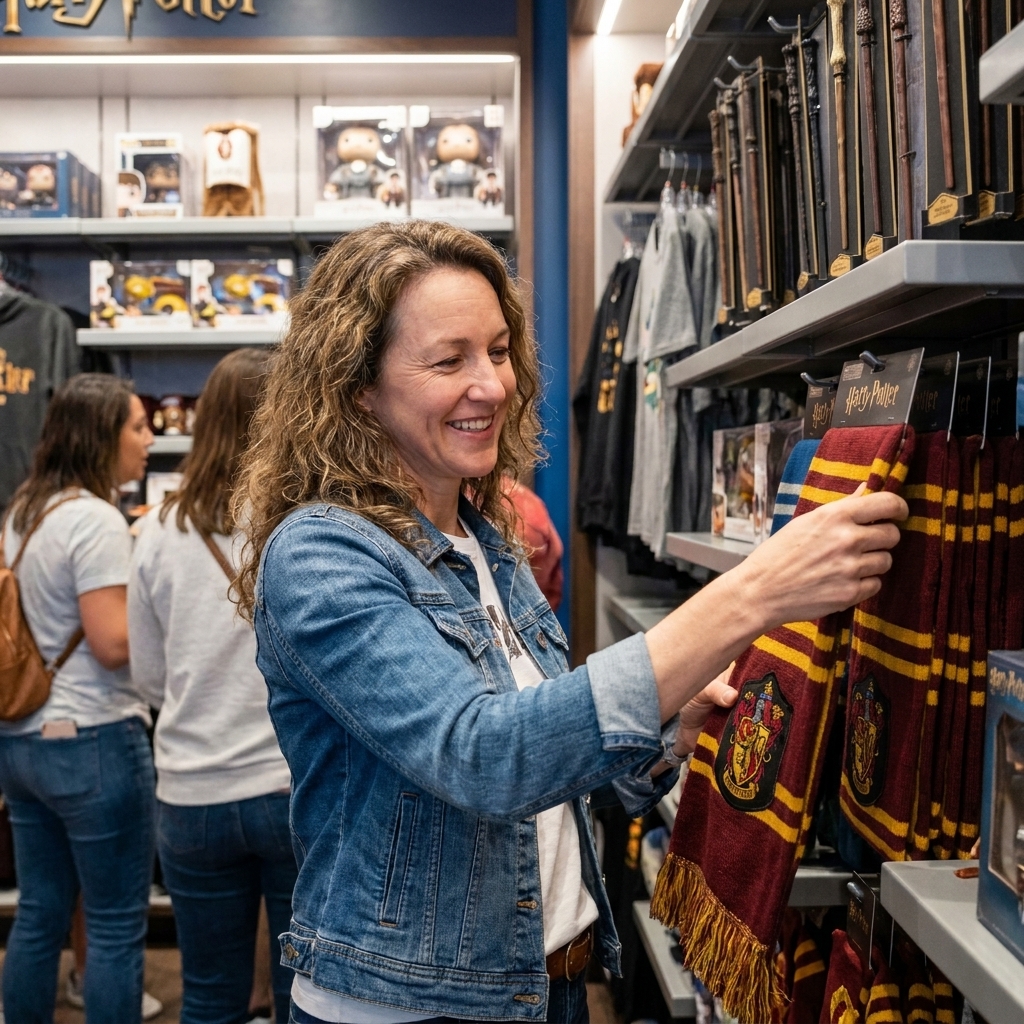
Build a souvenir menu
This is the trick that keeps “just one thing” from turning into five things. Give everyone categories, not chaos.
My simple souvenir menu
- One wearable: shirt, hat, hoodie, ears, or a fun accessory.
- One small collectible: pin, keychain, magnet, patch, or sticker.
- One shared item: holiday ornament, photo frame, kitchen item, or ride-themed decor.
If you are traveling with kids, print this as a short checklist and let them choose their categories. It gives them control without giving them the entire gift shop.
Use simple rules
The best souvenir rules are ones you can say in one sentence while standing in a crowded store.
Souvenir rules I actually use
- One shop per day: browsing is unlimited, buying is limited to one store visit.
- Two yeses: for big-ticket items, both adults have to agree, even if one person is paying.
- Carry test: if you cannot comfortably carry it all day or fit it in your backpack, it is not coming home unless you have a plan. Ask about package pickup, lockers, hotel delivery, or shipping options. Availability varies by park, store, and current policies.
- Wait one attraction: if you still want it after the next ride or show, then you can buy it.
For little kids, the “carry test” is extremely effective. It turns a giant toy into a practical decision without making you the villain of Main Street.
Know the traps
Trap: Buying the first version you see
Within the same resort, merchandise overlaps more than you think. That cute character plush might appear in multiple stores, sometimes with small variations. If it is not limited edition and not a must-have, you can usually wait.
Trap: Checkout add-ons
Those tiny impulse items near the register are designed to tempt you with last-minute “it’s only…” purchases. Decide ahead of time: either checkout add-ons are allowed as part of your budget, or they are a hard no.
Trap: Matching everything
Coordinated shirts and ears are adorable. Buying coordinated shirts, ears, hoodies, and mugs is how budgets disappear. Pick one matching item category and call it your trip theme.
Make big purchases feel special
Sometimes you want the premium souvenir: the lightsaber experience, the wand, the fancy Spirit Jersey, the collectible popcorn bucket, the plush that is larger than your carry-on. You can still do it. Just plan like an event planner.
The signature purchase plan
- Choose it before you go: each person picks one dream item or experience.
- Price it out: round up and include tax as buffer.
- Protect it: if someone gets a signature purchase, that might be their souvenir for the trip, and that is okay.
This avoids the classic mistake: buying expensive headline items and a bunch of small extras that quietly double the spend.
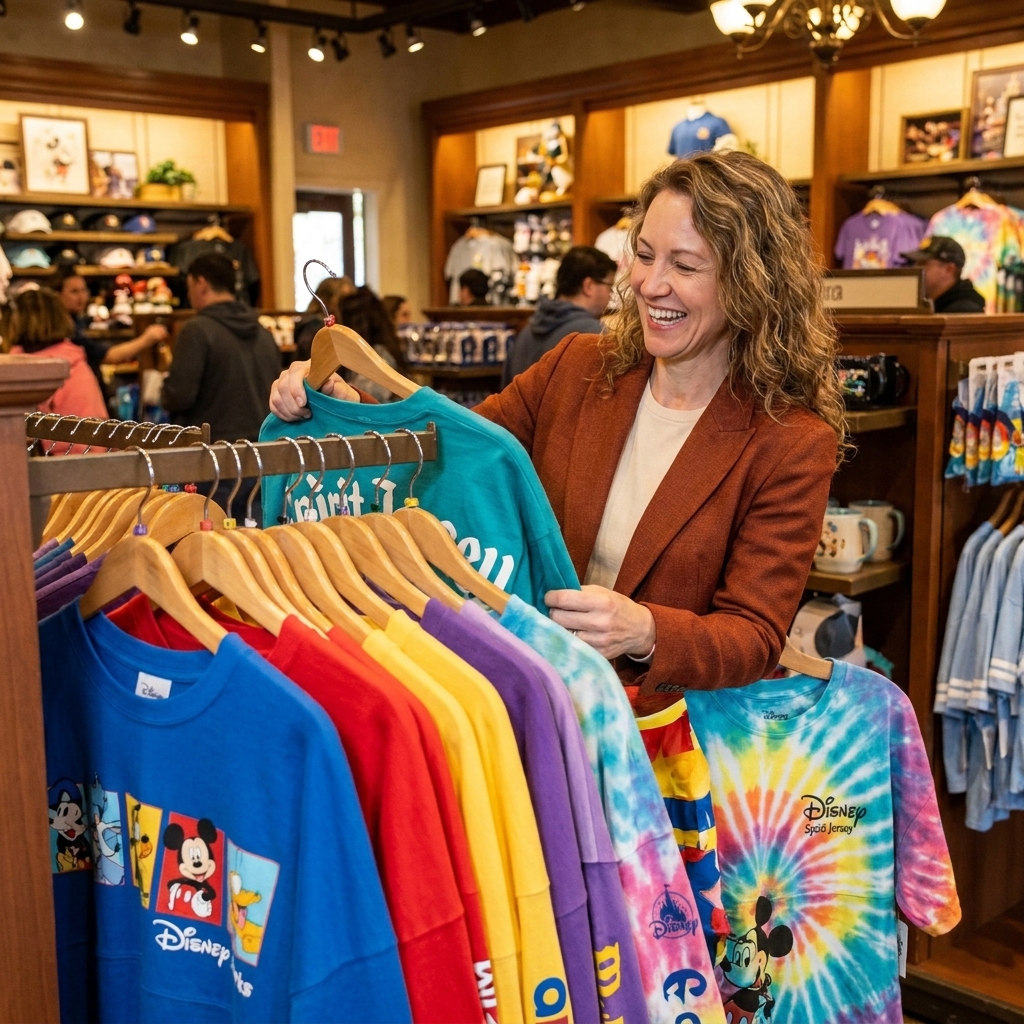
Stretch your souvenir dollars
Prioritize items you will use
If you are on the fence, choose practical. Refillable water bottle, backpack, rain poncho, or a light jacket can replace something you would have purchased anyway. The best souvenir is the one you actually use.
Set a photo goal
Not everything has to be bought. Pick one photo mission per day: recreate a childhood pose, take a family selfie in front of a landmark, or do a silly snack review. Those moments become the souvenirs.
Bring trade-friendly items from home
For pin fans, set a pin trading budget and stick to it. Starting with a small starter set can help you focus on trading rather than buying every pin you like.
Pack basics to avoid emergency pricing
Souvenir budgets get wrecked by “we forgot…” purchases. Pack ponchos, sunscreen, and inexpensive light-up toys or glow sticks for nighttime if your kids love blinking things. Then you can say yes to one special park item instead of five panic buys.
Remember you can buy some items later
If you are using the final-day strategy, it helps to know this: some popular items show up later online (official shops, park resale groups, or secondhand marketplaces). Not everything will, and prices can vary, but it can take the edge off the FOMO when you are trying to be reasonable.
A simple family plan
If you want a plug-and-play system, here is one I have used with families who want the fun, not the financial hangover.
The 3-envelope method (even if it is digital)
- Envelope 1: Kids budget (their picks, their choices, their responsibility)
- Envelope 2: Shared keepsake (ornament, photo frame, something for the house)
- Envelope 3: Parent treat (because adults deserve souvenir joy too)
Whether you use cash, a prepaid card, or a note in your budgeting app, separating the categories reduces the “but you already bought something” arguments.
Kid edge case tip: If a child spends early and regrets it, I treat it like a real-world lesson, not a punishment. You can help them “reset” by letting them earn back a small amount through chores after the trip, or by setting a rule that returns must happen the same day with the receipt if the store allows it.

When to buy now
Most of the time, waiting saves you money and regret. But sometimes buying now is the smarter move.
A quick limited-edition rule
If it is clearly limited or dated (event merch, numbered items, seasonal drops), you love it, and it fits your menu and budget, buy it when you see it. If you are unsure on any of those points, take the photo and keep moving.
My in-park routine
My routine is simple: I take a quick photo of anything I love, including the price tag. At the end of the day, I scroll my camera roll and pick one item that truly stands out. If nothing stands out, I buy nothing and feel weirdly proud of myself.
I also set one non-negotiable: I will not buy a souvenir while hungry, overheated, or rushing to a Lightning Lane return time. That is when my impulse control is at its weakest.
FAQ
Should I give kids cash for souvenirs at Disney or Universal?
Cash can work great for younger kids because it is tangible, but it is easy to lose. A safer approach is to set a firm dollar amount and let them track it with you in notes on your phone. If you do use cash, keep most of it with an adult and hand over smaller amounts as you shop.
How do I handle souvenirs when we have multiple park days?
Pick either a daily allowance or a final-day purchase strategy and stick to it. Mixing the two usually leads to “we already spent some, but also we are saving for later,” which gets messy fast.
What is the best souvenir to buy if you only want one?
Go for something you will use often: a comfortable hoodie, a quality mug, a small bag, or an ornament if you decorate every year. The most meaningful souvenirs are the ones that re-enter your routine instead of living in a drawer.
Any quick way to avoid buyer’s remorse?
Ask: Will I still want this in a month? Can I picture where it lives at home? If the answer is fuzzy, take a photo and wait one attraction.
Final reminder
You do not need to buy your way into a magical vacation. You need a plan that makes it easy to say yes to the right things and no to the rest. Set a ceiling, pick a system, and make the souvenir moment part of the fun.
And if you see me in a shop debating between two mugs, just know I am taking a photo and walking away like a responsible adult. Probably.