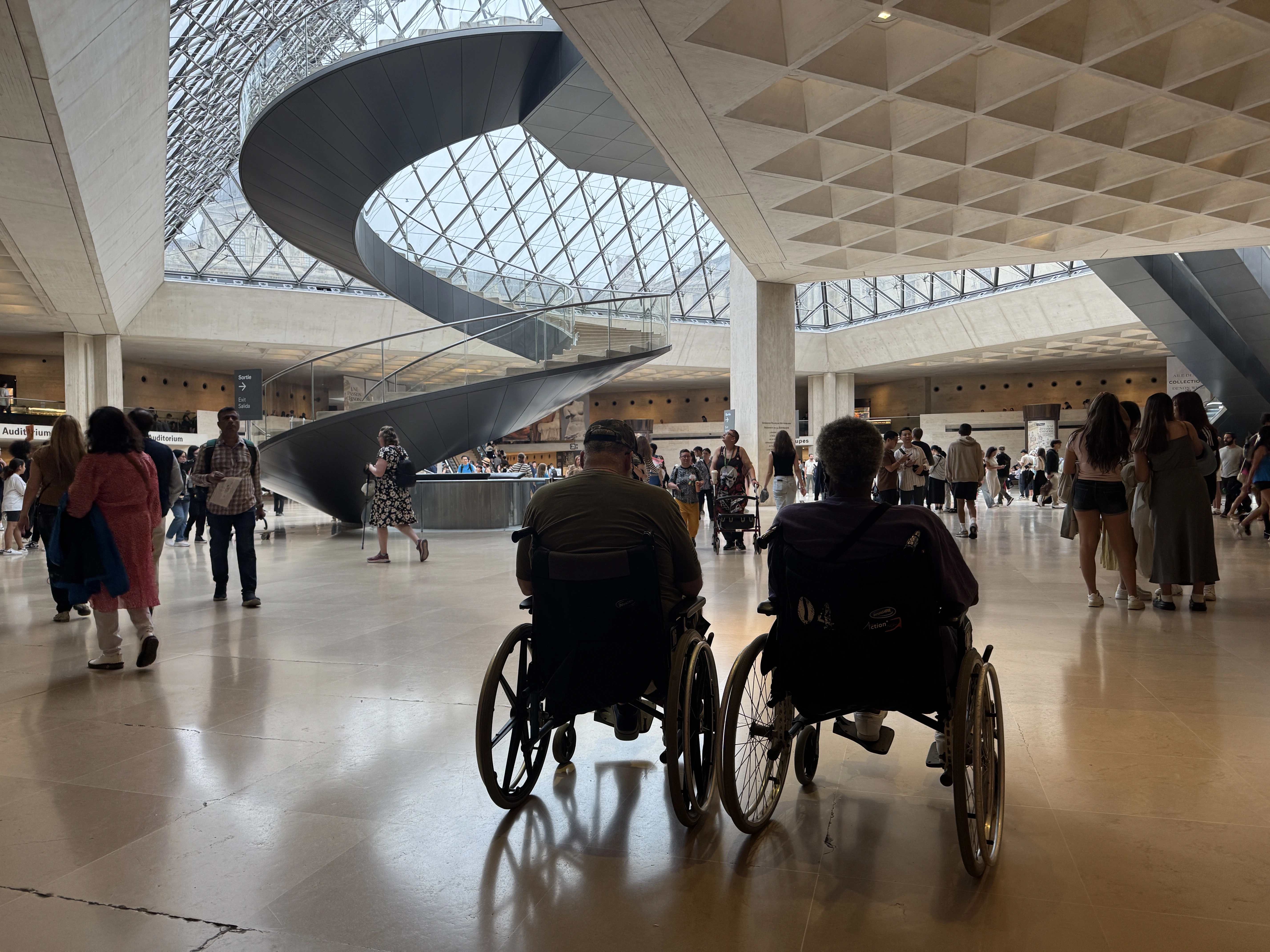
Some days, the goal is simple: get out of the house, do something genuinely fun, and make it back home without feeling like you ran a marathon. If you or someone in your group uses a wheelchair or needs step-free access and fewer long stretches of walking, a little strategy goes a long way.
Below are attraction types that tend to be easier to navigate, plus my favorite low-stress planning checks. Think of this as your “smooth logistics” playbook: fewer surprises, more time enjoying the moment.
Quick note: Accessibility varies by country, city, and venue. Use this as a starting point, then confirm details for your specific location.
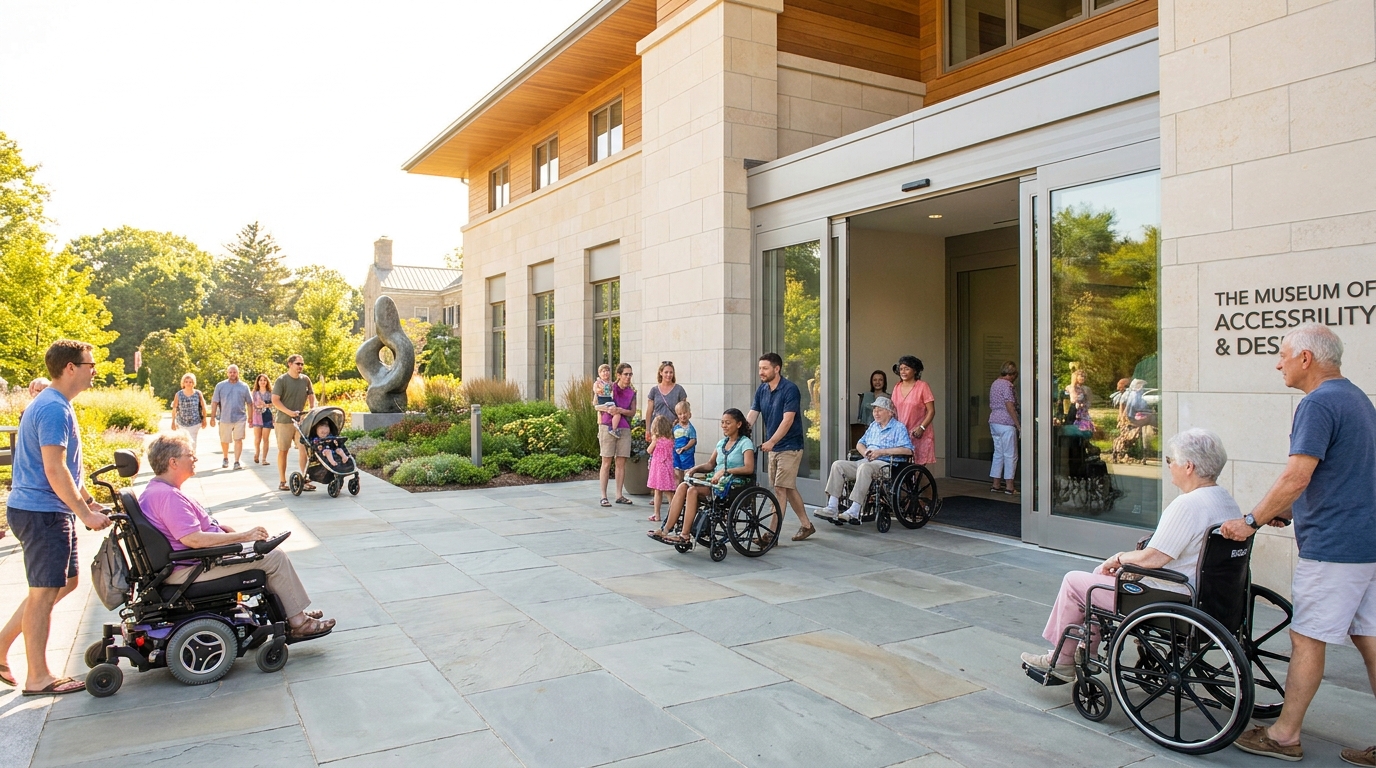
What makes a place easier
Accessibility varies a lot, even within the same city. But the most comfortable outings usually share a few traits:
- Step-free routes from parking or transit to the entrance, and to the biggest exhibits or experiences.
- Shorter routes or the ability to enjoy the highlights without covering the entire venue.
- Reliable elevators that are clearly marked, easy to find, and not hidden behind “staff only” hallways.
- Accessible restrooms that are plentiful, not just located at the far end of the venue.
- Easy seating breaks that do not require you to hunt for a bench.
- Simple arrival logistics like drop-off zones, accessible parking, and minimal stairs between you and the fun.
A few other comfort factors can make or break the day, even when the entrance is step-free:
- Crowd flow and aisle width (tight gift shops and bottlenecks can be harder than long hallways).
- Door weight and whether there are automatic openers.
- Lighting and sound (some spaces are loud, dark, or overstimulating).
- Temperature and shade for outdoor attractions.
One more underrated factor: staff culture. Places that train teams well tend to handle accessible entrances, ride boarding, and alternate routes with calm confidence. That lowers stress for everyone.
Attractions that are often wheelchair-friendly
These categories are often a good bet for step-free routes, decent restroom access, and straightforward navigation. Not universal, but they are usually easier than, say, a historic hillside district with cobblestones.
Large museums and science centers
Museums are my go-to for a low-stress day: wide galleries, lots of seating, and indoor climate control. Many, especially larger institutions, also offer wheelchair loans, sensory resources, and detailed accessibility maps.
- Why they work: Elevators, ramps, restrooms on multiple levels, and lots of “stop and enjoy” moments without needing to move fast. Layouts vary, though, especially for multi-building campuses or historic wings.
- Pro tip: Ask if there is a separate accessible entrance, and whether it is open during your arrival time. Sometimes the main doors are historic or have small steps, while the step-free entry is around the corner.
- Wheelchair loans: If you plan to borrow one, ask whether they are first-come, first-served, whether you can reserve, and where the pickup is located.

Aquariums with easy paths
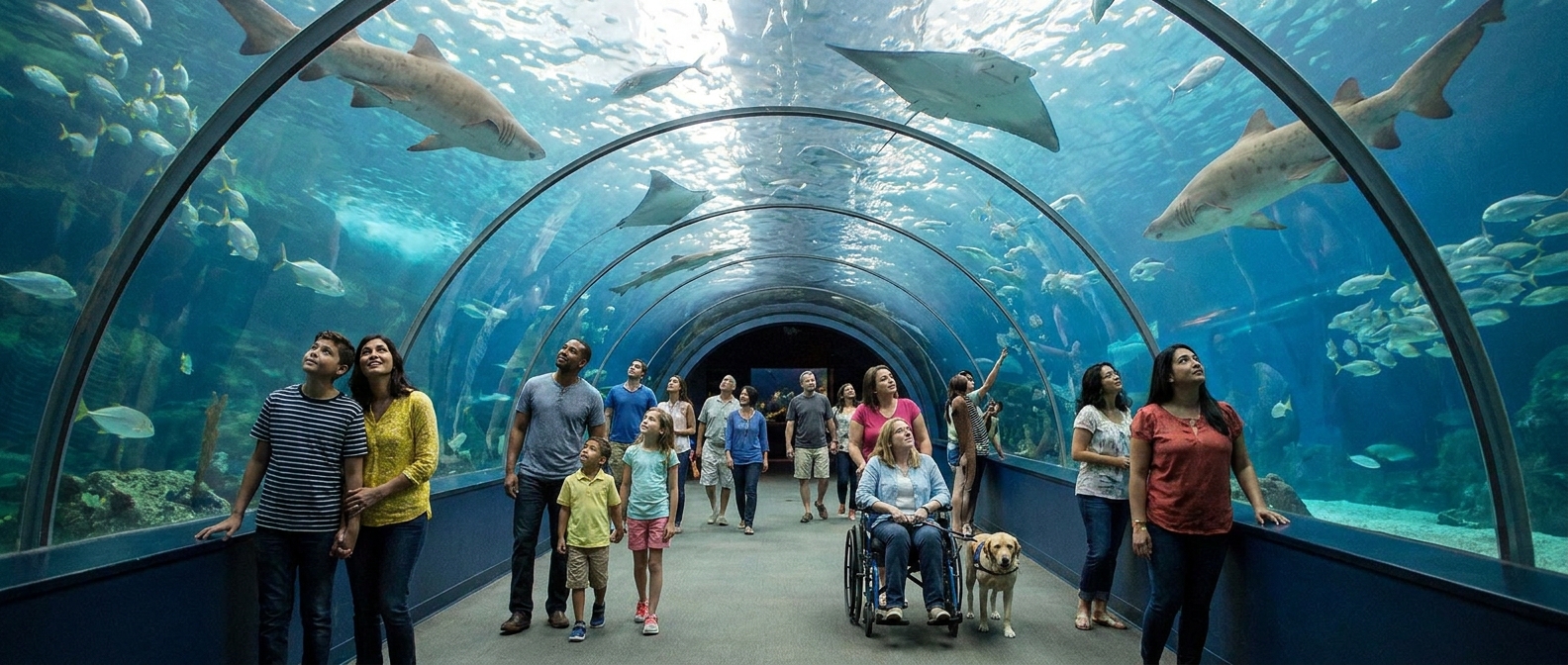
Aquariums are quietly great for accessible outings. Many are designed with wide viewing areas and routes that feel intuitive, sometimes as a loop and sometimes as a set of connected galleries. You can get big “wow” moments without having to cover a huge distance.
- Why they work: Indoor comfort, lots of stopping points, and family-friendly pacing.
- Check before you go: Underwater tunnels and narrow viewing windows can get congested, so go earlier in the day if crowding makes navigation harder.
Botanical gardens with paved routes
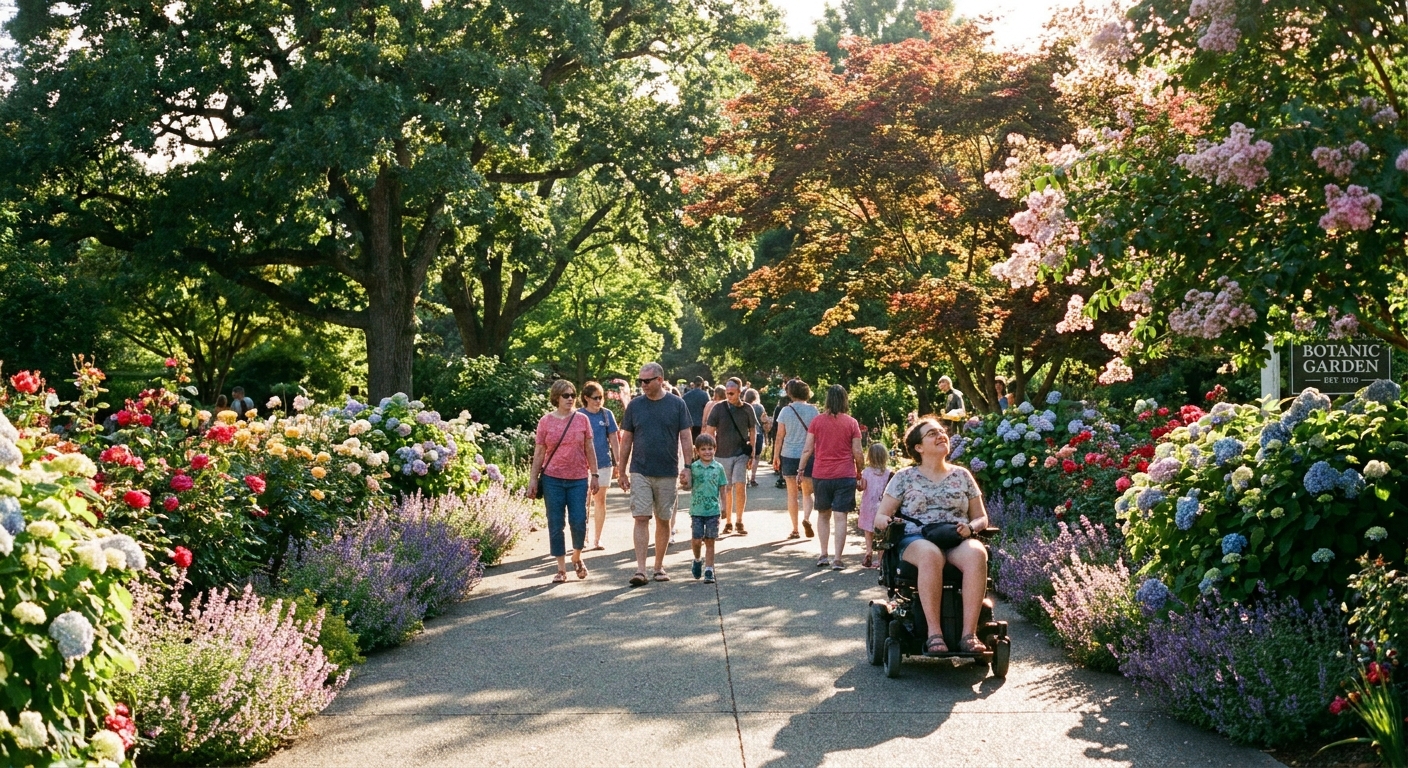
I love a botanical garden day because it is calm, scenic, and flexible. Many gardens have an accessible “main loop” that hits the highlights on paved paths, plus optional side trails that are less even.
- Why they work: Choose-your-own-adventure distances, lots of benches, and usually easy-to-find restrooms near visitor centers.
- Check before you go: Ask which routes are paved versus compacted gravel, and whether there are steep grades, soft ground after rain, or any temporary closures.
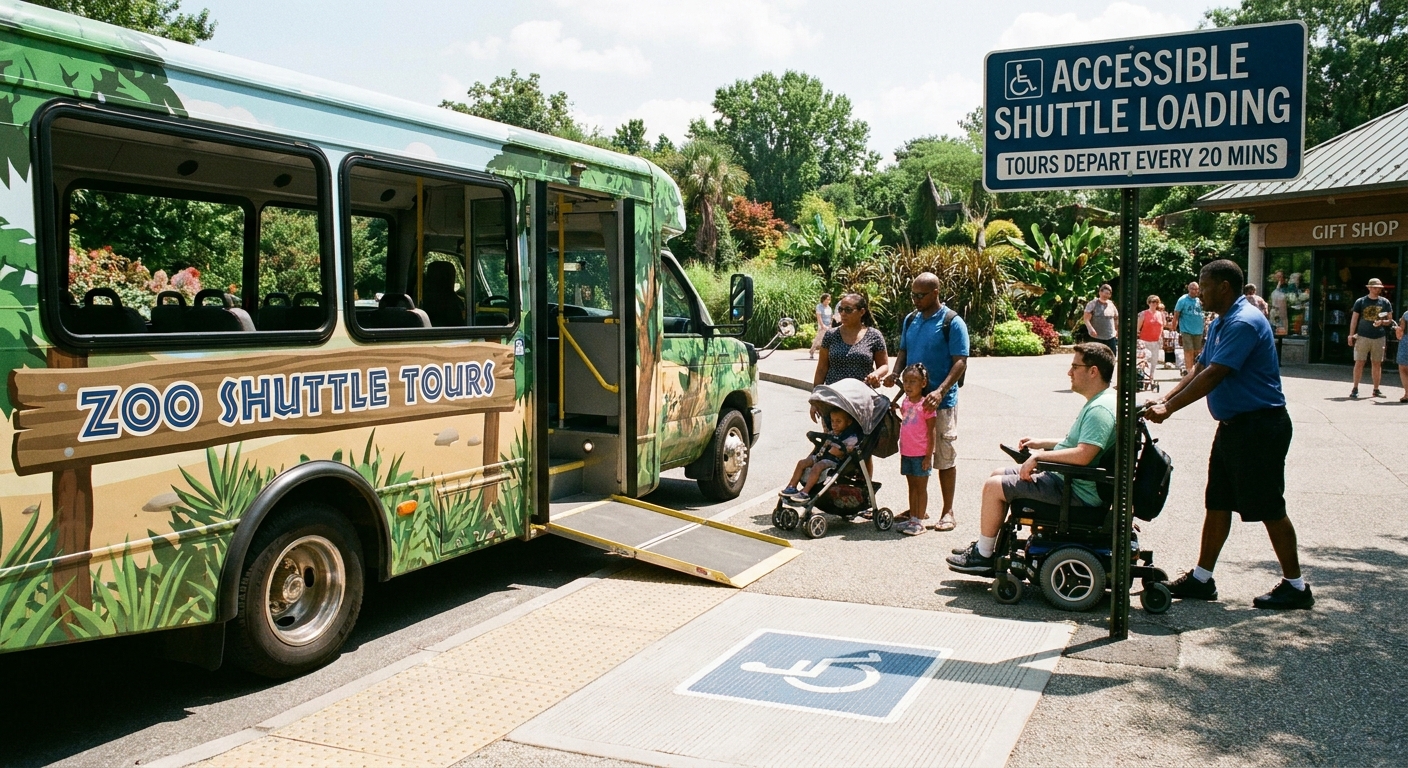
Modern zoos with shuttles
Zoos can be amazing or exhausting. The more accessible ones are the ones that help you cover ground without feeling stranded on a giant hill.
- Why they work: Many newer zoos have smoother paths, ramps, and accessible viewing platforms.
- Look for: A tram, shuttle, or train that reduces distance and gives you a natural mid-day break.
- Reality check: A zoo can still mean a lot of rolling, so it is worth planning a “top exhibits only” route.
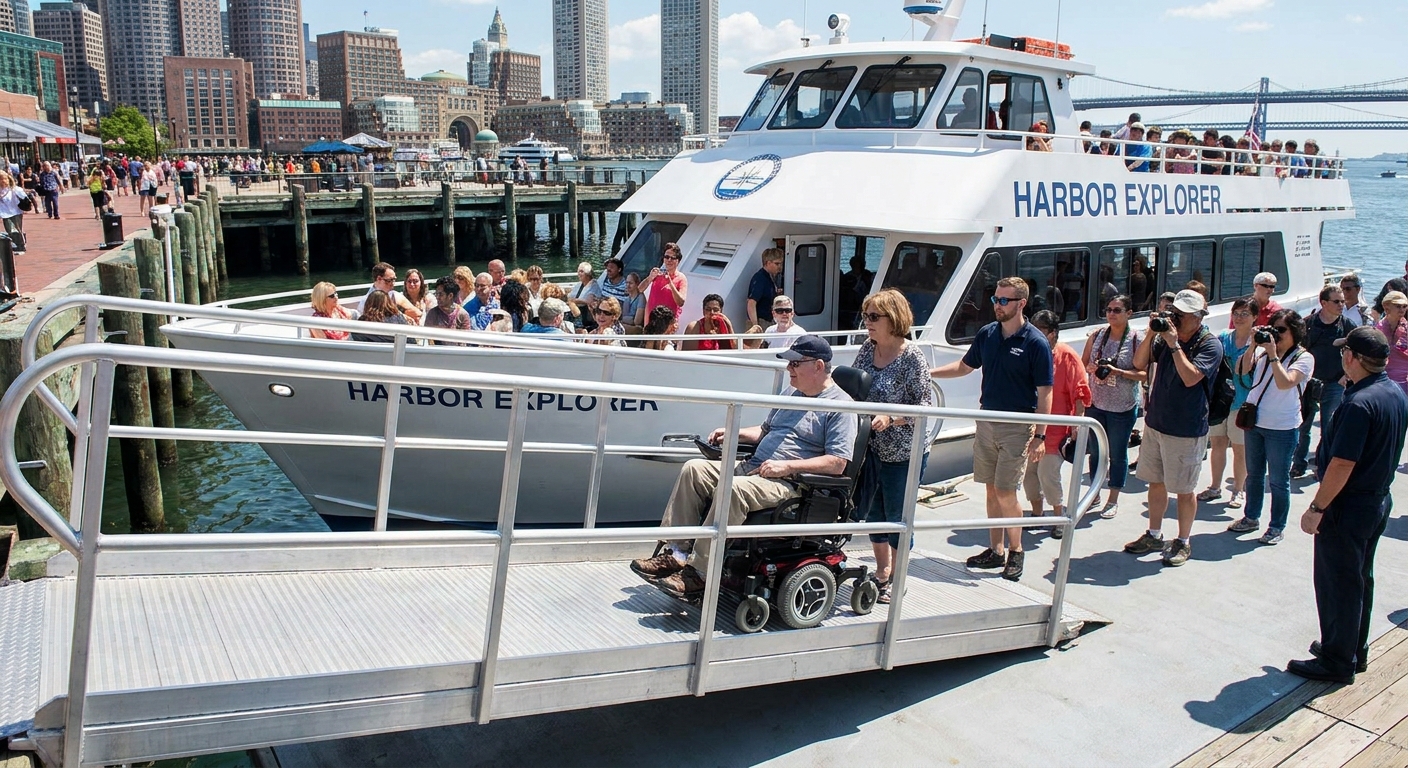
City cruises and harbor tours
If you want maximum experience with minimal movement, a cruise is a strong option. You board once, settle in, and let the scenery do the work.
- Why they work: Seating is built in, and restrooms are often onboard, but smaller boats can be different.
- Check before you go: Accessibility of the pier, gangway slope, boarding support, and whether there is an accessible restroom onboard on that specific boat and departure time.
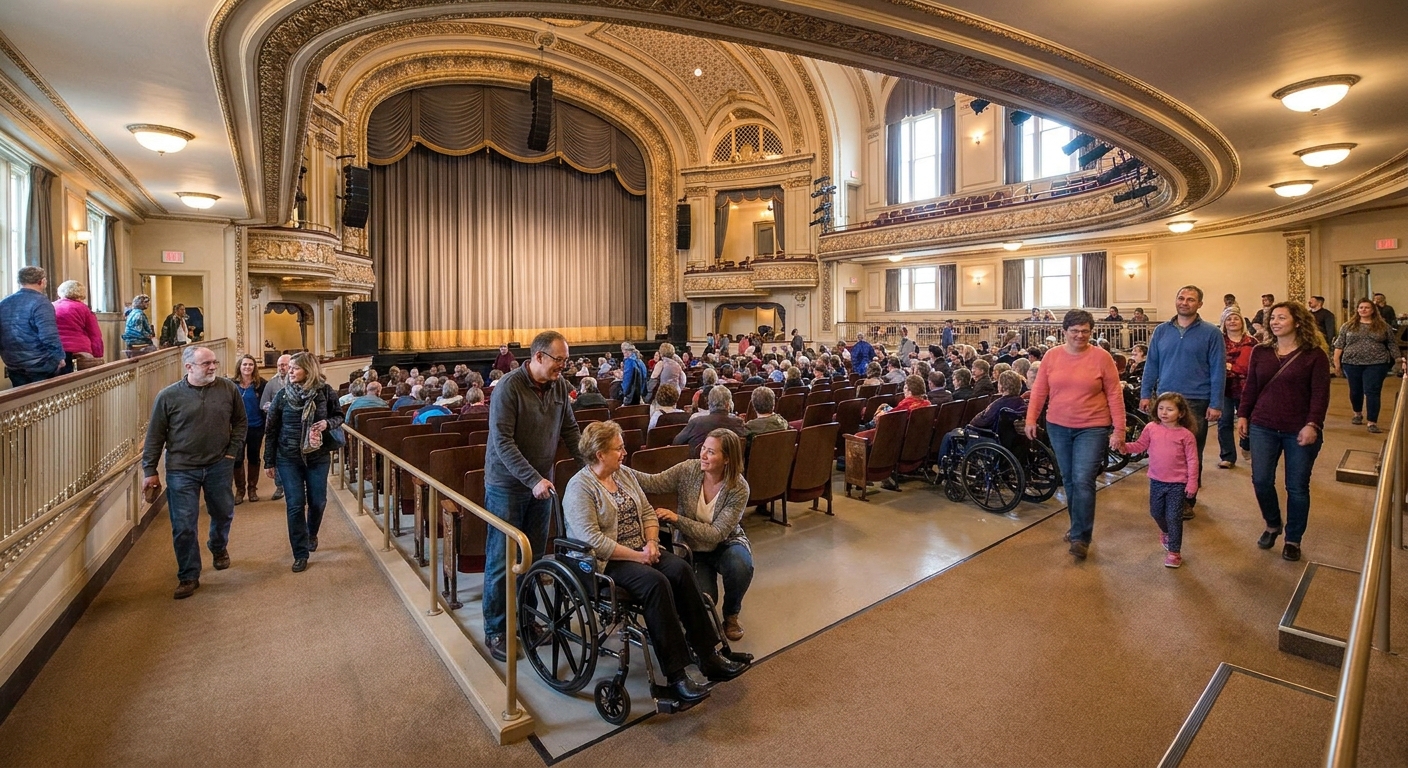
Performing arts venues
A show is one of the most low-effort, high-reward outings you can plan. The key is choosing a venue that makes arrival and seating simple.
- Why they work: You are mostly seated, and the experience is time-boxed.
- Look for: Accessible seating that is not isolated, step-free routes to concessions, and an elevator that is easy to find.
- Pro tip: If you want less stress, pick matinee performances for lighter traffic and easier parking.
Simple easy-access ideas
Not every great day out needs a big-ticket attraction. These options are perfect for low-energy days, quick wins, or pairing with a longer activity.
- Indoor food halls and public markets: Usually flat, centrally located, and great for groups with different cravings.
- Scenic drives with accessible viewpoints: Look for destinations with paved overlooks and nearby accessible restrooms.
- Waterfront promenades: Many cities have long, smooth paths with plenty of benches. Choose a section near parking or transit stops so it stays easy.
- Libraries and cultural centers: Quiet, air-conditioned, accessible restrooms, and often surprisingly fun exhibits or events.
- Movie theaters with reserved wheelchair spaces: Pair with an early dinner to avoid peak crowds.

How to check access
This is the part that saves the day. Ten minutes of research can prevent the “we came all this way and the elevator is out” situation.
1) Find the access page
Most major venues have an Accessibility section with details on entrances, restrooms, rentals, service animals, and ride or exhibit access. If you cannot find it quickly, that is a signal to call.
2) Confirm the step-free route
Look for specifics on:
- Accessible parking location and whether there is an elevator from the garage
- Drop-off zones and how far they are from the entrance
- Whether the accessible entrance is the same as the main entrance
- Hours for the accessible entrance, if it is a separate door or gate
3) Ask about terrain and distance
I like to ask: “Is your main route mostly flat, and can we enjoy the highlights in under two hours?” Staff can usually answer this far better than a generic map.
4) Check elevator outages
Many museums, transit systems, and theme parks post elevator outages and closures. If the venue is large, ask which elevator is essential for your plan.
5) Get restroom details
Ask where the accessible restrooms are located, and whether there are adult-sized changing tables if you need them. If privacy matters, ask about companion or family restrooms.
6) Know your mobility options
- Does the attraction offer wheelchair rentals, and do they run out or require ID or a deposit?
- Are scooters allowed everywhere, or only in certain zones?
- Can you bring your own device into all exhibit spaces?
- If you use a power chair: are there tight turns, narrow doors, or any size limits you should know about?
- Are there charging options, or should you plan around battery range?
7) Ask about lines and entry timing
Many places use timed entry or offer different entry processes. If lines are a concern, ask whether they offer any accommodations for entry, alternate entrances, or a staff-supported process. It varies widely, so it is better to know the plan before you arrive.
8) Plan transportation details
Transportation is often the hidden stressor. Before you go, confirm:
- Where accessible ride-share pickup and drop-off happens (some venues restrict it to specific zones)
- Where paratransit or accessible taxis should meet you
- If you are using transit: whether nearby station elevators are reliable, and what your backup route is if one is out
9) Confirm service animal rules
If you are traveling with a service animal, check the venue’s policy and any areas with special rules (like behind-the-scenes tours or certain animal habitats).
Low-stress day plan
Here is the itinerary framework I use when I want a smooth day with built-in flexibility.
Choose one main activity
Pick a single main attraction and treat everything else as optional. That keeps the day from turning into a logistics relay.
Arrive early
Late morning to early afternoon can be the most congested window. Earlier entry often means easier navigation, shorter waits, and more staff availability.
Plan two rest stops
Examples: a cafe near the entrance and a calm exhibit room halfway through. A planned break is not a bailout; it is the secret to enjoying more.
Keep food close
Look for on-site dining with step-free seating, or choose a nearby restaurant with:
- Dedicated accessible parking or easy drop-off
- Step-free entry and accessible restrooms
- Reservations or call-ahead waitlists
Plan a clean exit
Before you start, note where you will exit, how to reach the car or transit, and where the closest restroom is on the way out. Ending the day calmly is half the win.
Packing checklist
- Portable charger (especially if you rely on navigation or communication)
- Weather layer and a rain plan
- Water and a snack to avoid urgency detours
- Any transfer aids you typically use
- Saved maps with elevator locations and accessible entrances
- Small wipes pack for sticky tables, hands, or quick cleanups
FAQ
Are theme parks doable?
Often, yes, but they require more planning than museums or aquariums. Look for accessibility guides that explain ride boarding, alternate entrances, transfer requirements, and return-to-queue policies. I also recommend choosing a park day with a lighter schedule, arriving early, and prioritizing a few must-dos rather than trying to do it all.
What if the accessible entrance is far?
Call ahead and ask the best drop-off point for the accessible entrance, plus whether that door or gate keeps the same hours as the main entrance. Many venues can recommend a specific gate, a driveway loop, or a closer parking area that is not obvious on a general map.
How can I estimate distance?
Look for venue maps with scale, then use a phone map tool to measure approximate distance between key points like parking to entrance, entrance to the main exhibit, and main exhibit to restrooms. If that sounds like too much homework, call and ask staff for a realistic “highlights route” estimate.
Do I need proof for access services?
Policies vary by venue and location. Many attractions focus on providing accommodations without requiring documentation, but some may ask for limited information or have a specific process for certain services. Check the official accessibility page and, if anything is unclear, call guest services so you know exactly what to expect.
My final tip
If you want a truly low-stress day, choose places that make it easy to enjoy the experience from multiple angles. The best accessible outings are not just possible. They feel welcoming, comfortable, and fun without constant workarounds. You deserve that kind of day out.