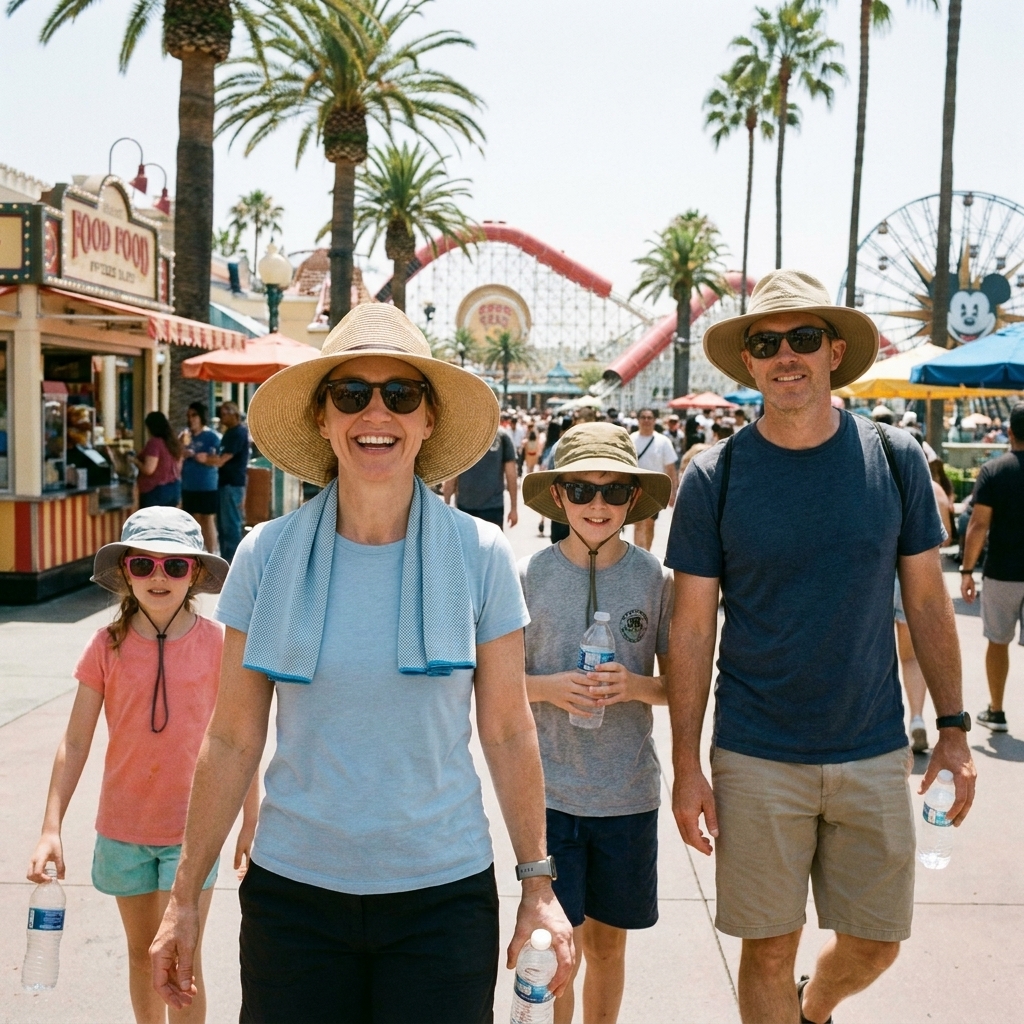
I grew up near Orlando, which basically means I was raised in flip-flops with a season pass. Water parks can be the best kind of family chaos, but they also have a special talent for little logistical surprises: lockers, towel rules, height requirements, and the moment you realize you packed everything except sunscreen.
Here's how to plan a smooth, happy water park day with kids, from what to pack to when to hit the biggest slides.
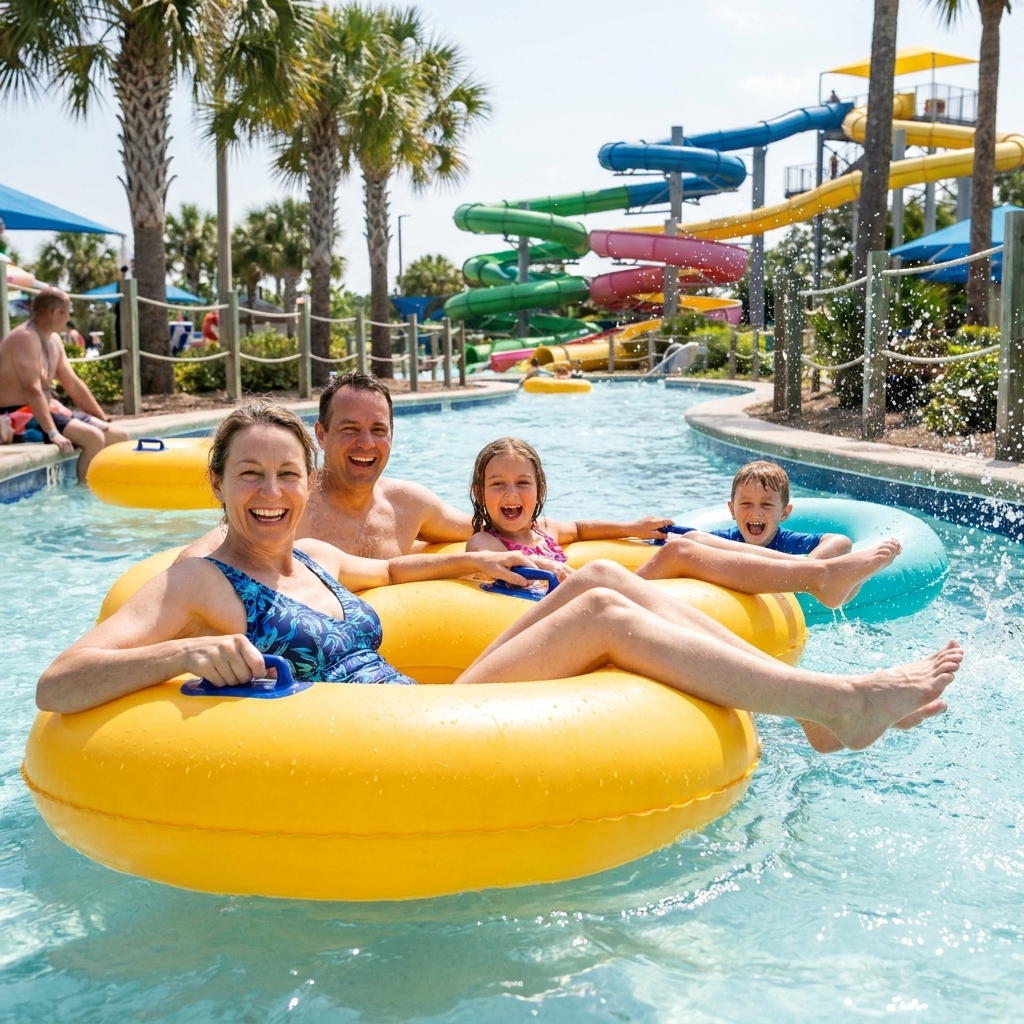
Before you go: quick planning wins
Check three things the night before
- Height requirements: Have each kid stand against the wall and measure. It saves you from a long walk to a slide tower only to hear, "not today."
- Bag policy and outside food rules: Some parks allow sealed water bottles and baby food, but restrict coolers, glass, and big snacks. Check your park’s rules so you don’t get surprised at security.
- Weather and lightning policy: Nearly all parks have lightning protocols, but the exact rules vary. Check the park’s stated policy and build in flexibility so a short closure doesn't ruin the day.
Set one family meetup rule
Water parks are loud and sprawling. Pick a simple home base and a rule that works for your crew, like: “If you can’t find us in five minutes, go to the lifeguard at the wave pool entrance.” If kids have phones, agree on one text phrase like “BASE” and keep it consistent.
Bonus safety move: Before you walk in, take a quick photo of each kid in their suit and cover-up. If someone wanders, you’ll have an instant “what they’re wearing today” reference.
What to pack: the no-regrets checklist
This list is built for real life. Bring the comfort stuff that prevents tiny emergencies, and skip anything you'll hate carrying when it’s wet.
The essentials
- Tickets, parking confirmation, and ID (screenshots help when reception is spotty)
- Water shoes for everyone (concrete gets scorching fast and rough stairs can chew up feet)
- Towels: one per person, plus one extra for the family (Two per person is awesome for babies, long days, or if you want a “rescue dry” towel for the car seats.)
- Sunscreen SPF 30+ and lip balm with SPF
- Rash guards for kids or anyone who burns easily
- Goggles for kids who hate getting splashed in the face
- Swim diapers if needed, plus a few extras (many parks require snug-fitting swim diapers)
- Refillable water bottles (freeze one the night before so it stays cold longer)
The comfort and safety upgrades
- Small first-aid pouch: waterproof bandages, blister pads, and a tiny tube of anti-chafe balm
- After-sun aloe for the car ride home
- Hat and sunglasses with a strap for adults and bigger kids
- Ear drops if your family is prone to swimmer’s ear
- Hand sanitizer and a small pack of wipes
- Electrolytes (packets or a couple bottles) for long, hot days
- Line snacks you can eat fast: cheese crackers, trail mix (if allowed), pretzels, applesauce pouches, and yes, kid-pleasers like fruit snacks
What to leave at home
- Bulky towels and robes that turn into heavy wet blankets
- Valuables you can’t replace easily
- Dangly jewelry that’ll get lost on a slide or in the wave pool
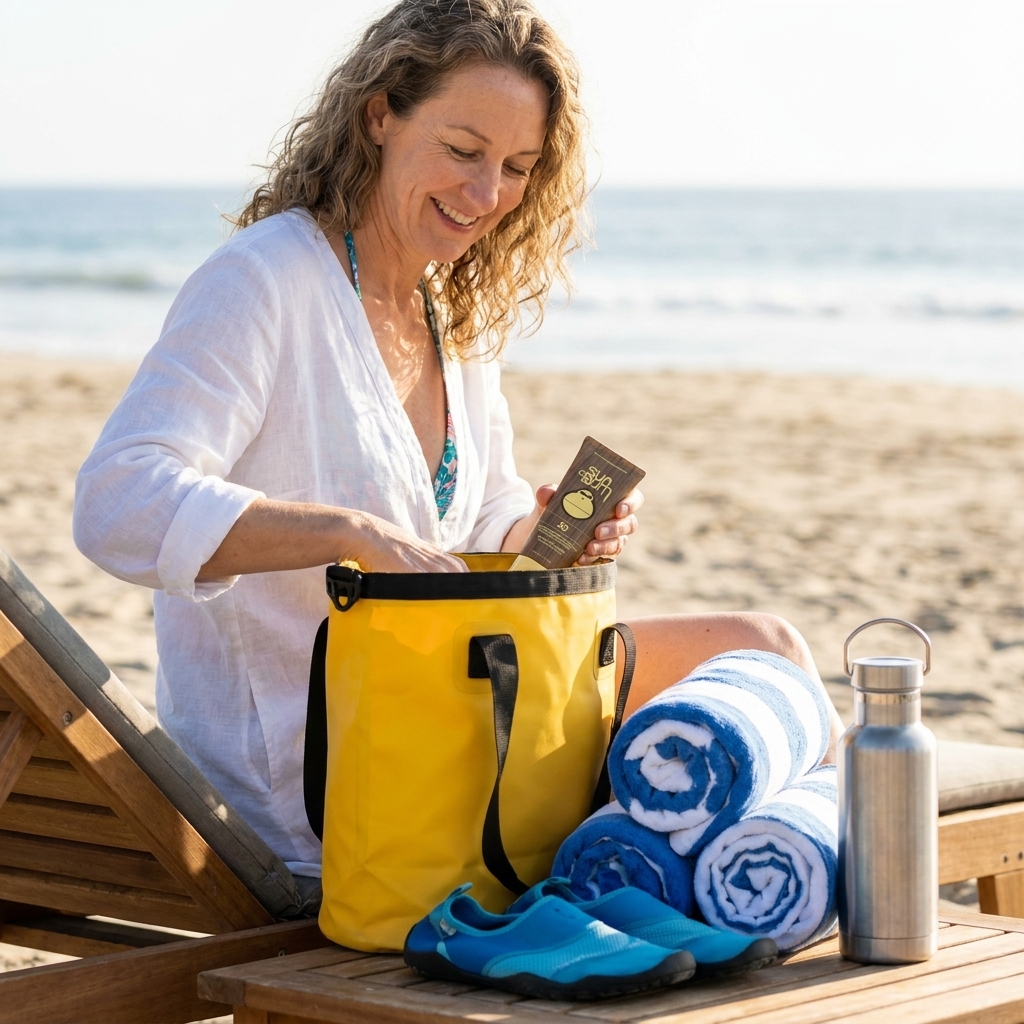
Locker rentals: how they work and how to use them
Most major water parks offer lockers near the entrance, plus sometimes smaller locker banks deeper in the park. Pricing varies by size and day, and many are rented via kiosk with a wristband or digital code.
My locker strategy for families
- Rent one locker, not multiple unless your group is huge. Use one “base” locker and keep a small dry bag with you for the must-haves.
- Pack in layers: top layer should be sunscreen, snacks, and one dry shirt so you don't have to unpack everything each time.
- Bring a gallon zip bag for phones or wallets even inside the locker. Lockers are usually safe, but wet hands drip everywhere.
- Choose location over size when possible. A smaller locker near the kids’ area or the wave pool beats a huge locker that’s a 10-minute trek away.
What to keep on you (not in the locker)
- Waterproof phone pouch (or leave phones locked up and enjoy the break)
- One credit card or park payment method
- Small sunscreen stick for faces
- One snack and a mini pack of wipes
What to expect at the park
Check-in and seating
Arrive 20 to 40 minutes before opening if you can. You'll get through parking and security faster, score better seating, and start the day with your patience intact. If the park offers reserved seating or cabanas, they can be worth it for large groups, babies, or anyone who needs reliable shade.
Life vests and safety rules
Many large water parks provide complimentary life vests, especially near kid areas and wave pools, but availability and rules vary. Some have limited sizes, require a deposit, or restrict vests to certain zones. If a life vest is part of your plan, check ahead.
- Wave pool tip: Pick a “shallow boundary” for kids and stick to it. Wave pools look friendly, then suddenly they’re not.
- Lazy river tip: Keep weaker swimmers in life vests even if they're on a tube.
- Slide tip: Listen to lifeguards about posture and spacing. Those rules are about preventing real injuries.
- Depth signage tip: Pay attention to posted depths and drop-offs, especially in multi-level pools.
Food, timing, and sticker shock
Expect peak lunch pricing and long lines from about 12:00 to 2:00. If your park allows re-entry, a cooler in the car can be a budget lifesaver. If not, plan a “snack lunch” early, then a real meal later.
Also, go easy on the sugary stuff and caffeine. They can make dehydration worse, especially in full sun.
Best times to ride the big slides
Lines at water parks move in waves. Your goal is to ride the headline attractions when most people are doing something else.
Prime slide windows
- Right at opening: Head straight to the most popular slide tower first. Do 2 to 3 big rides before the crowds stack up.
- During lunch (about 12:00 to 1:30): One adult can grab food while the other takes older kids to slides with shorter waits.
- Last 60 to 90 minutes of the day: Many families leave early. This can be the easiest time to repeat favorites.
When to do kid areas and lazy river
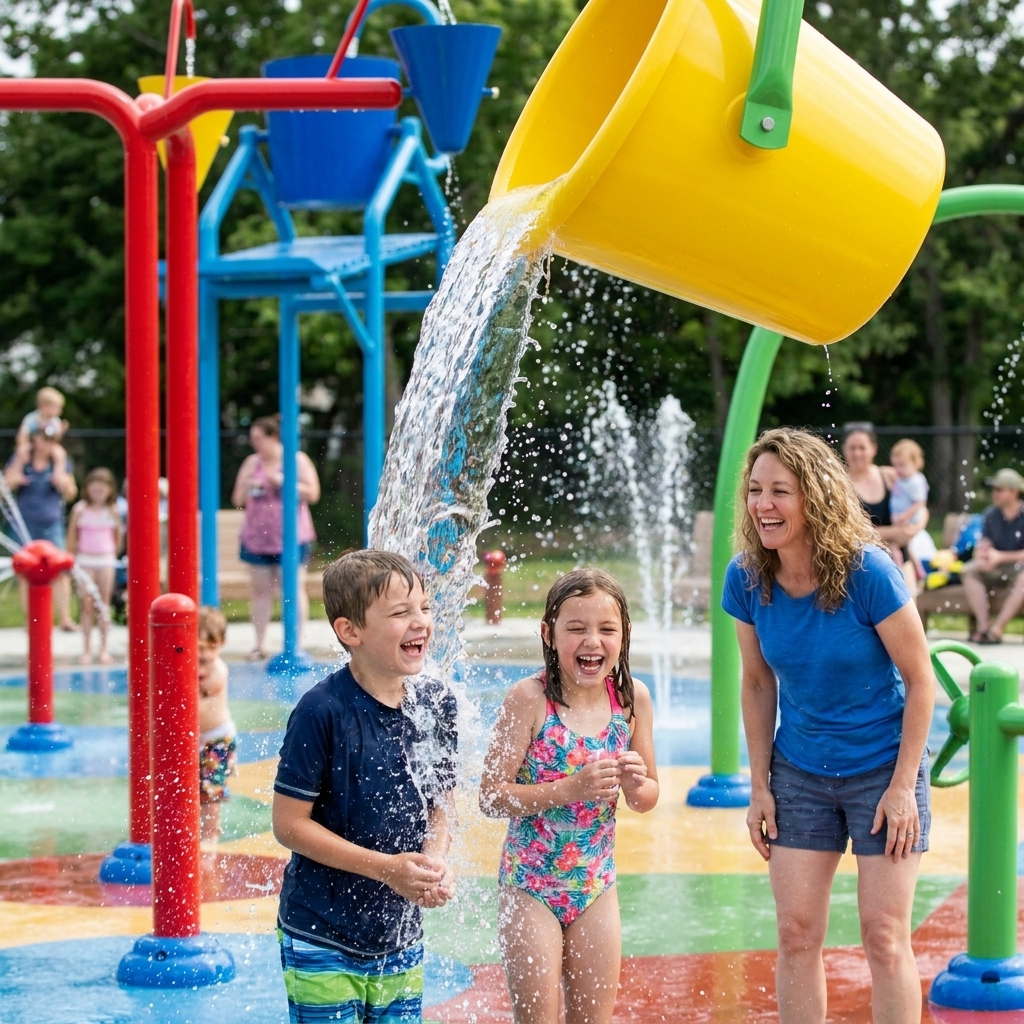
- Late morning: Kid splash zones are calmer before lunch.
- Mid-afternoon: Hit lazy river or a shaded pool when the sun is strongest and everyone needs a reset.
Pro move: split your day into “thrill” and “chill” blocks
Trying to bounce between big slides and toddler zones all day burns time and energy. Group your must-do rides together, then park yourselves near kid areas for a longer stretch.
A simple family schedule
Steal this framework and adjust for your kids’ ages and nap needs.
Sample plan
- Arrival to opening + 90 minutes: Big slides and popular attractions
- Late morning: Kid zone, wave pool with life vests, photos, snack break
- Lunch: Eat a little earlier than your instincts, before the longest lines
- Early afternoon: Lazy river and shade time, reapply sunscreen, hydration break
- Mid-afternoon: One more thrill run for older kids, while little ones do a calmer attraction
- Last hour: Repeat favorites, souvenir stop if you do that, change into dry clothes
Sun, heat, and hydration
Reapply sunscreen on a timer
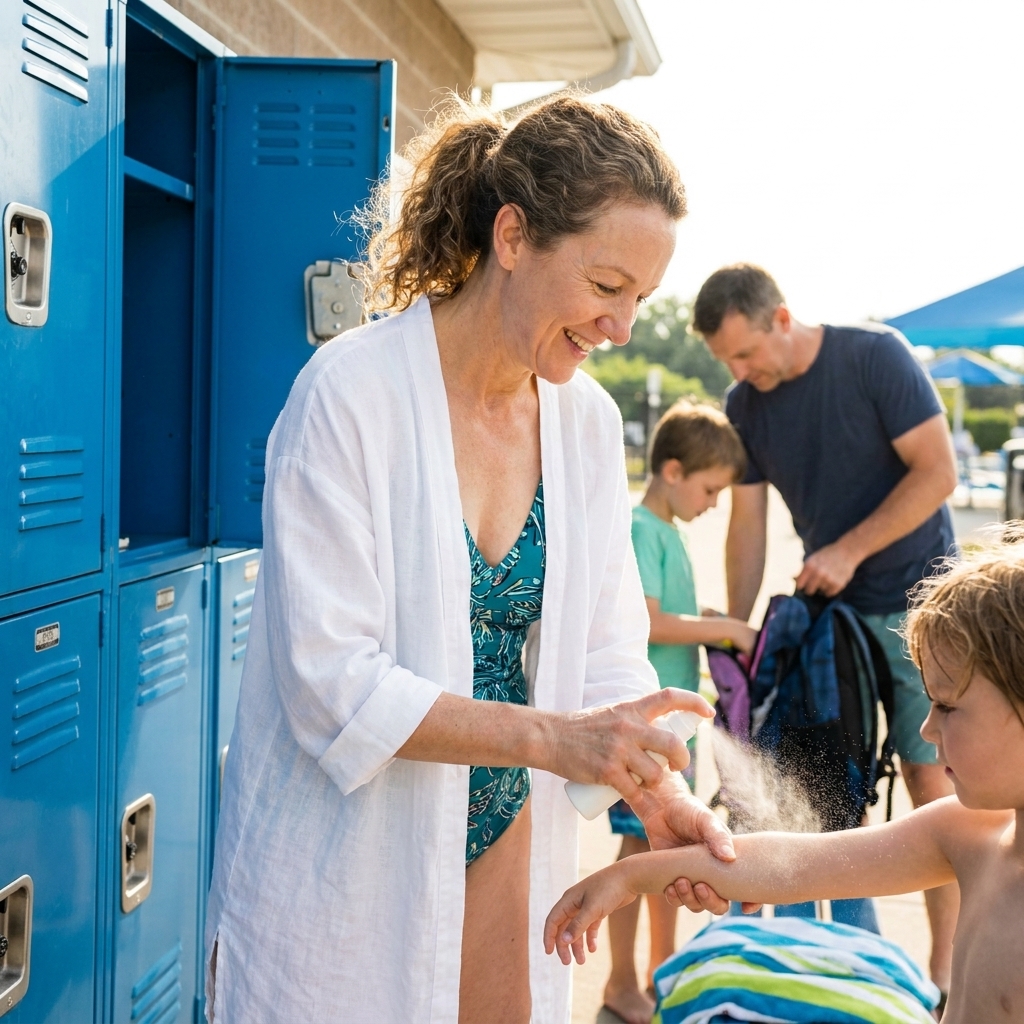
Set a phone alarm for every two hours, and reapply more often after heavy water time, sweating, or towel drying, even if the bottle says “water resistant.” Do faces, ears, back of neck, tops of feet, and the part line on the scalp.
Hydration trick for kids
Make it a game: everyone takes five big sips when you pass a landmark, like the wave pool entrance or the snack stand. Dehydration can look like crankiness first, not thirst.
Heat warning signs to take seriously
- Headache, dizziness, nausea
- Unusual fatigue or irritability
- Chills or goosebumps in the heat
If you see any of these, get into shade, drink water or an electrolyte drink, and talk to first aid. Water parks are used to helping, and it’s always better to be cautious.
Budget tips that don't feel cheap
- Bring your own water if allowed. Refilling stations are common, but having your own bottles cuts impulse buys.
- Share one combo meal plus extra fruit or snacks for younger kids.
- Skip the surprise gift shop stop by setting expectations early. If you do souvenirs, choose one item per kid and shop at the end.
- Consider a cabana only when it solves a problem like guaranteed shade for a baby, a grandparent, or a group that needs a firm home base.
End-of-day exit plan
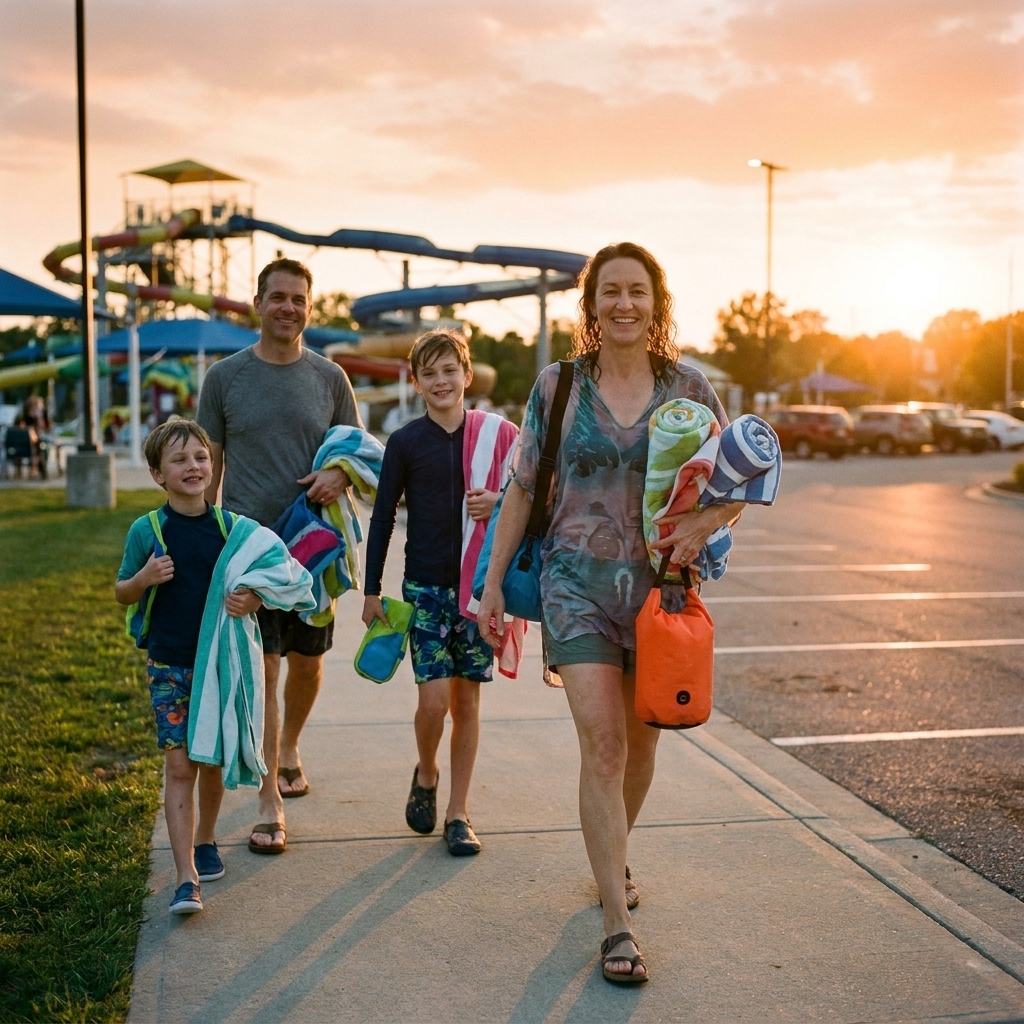
The hardest part of a water park day is leaving with wet hair, tired legs, and a car that feels like an oven. Make the final 20 minutes easier.
My “dry and go” checklist
- Pack a full change of clothes for each person in a separate bag in the locker
- Bring a plastic bag for wet swimsuits
- Do a last restroom stop before you hit the parking lot
- Load towels last so they’re accessible for the car seats
FAQ
How early should we arrive for a water park?
If you want the smoothest experience, aim for 20 to 40 minutes before opening. You'll get better seating, shorter locker lines, and quick wins on the popular slides.
Are lockers worth it?
For most families, yes. It’s the easiest way to keep phones, keys, and dry clothes safe without dragging a soggy bag everywhere. Keep a tiny “essentials” pouch with you and the rest in the locker.
What should toddlers wear at a water park?
Swim diaper plus a snug swimsuit, and ideally a rash guard. Bring extras. Many parks require swim diapers for little ones, even if they’re potty trained but still accident-prone.
What’s the best way to avoid long lines?
Hit the biggest slide tower right at opening, then ride again during lunch and late afternoon. Save wave pools, lazy rivers, and kid zones for peak line times.
Any tips for sensory sensitivities?
If loud splashes and crowds are a lot, pack simple earplugs and plan a couple quiet breaks (shaded corners, a calmer pool, or even a snack on the deck). Checking the park map for accessible entrances and quieter zones can make the whole day smoother.