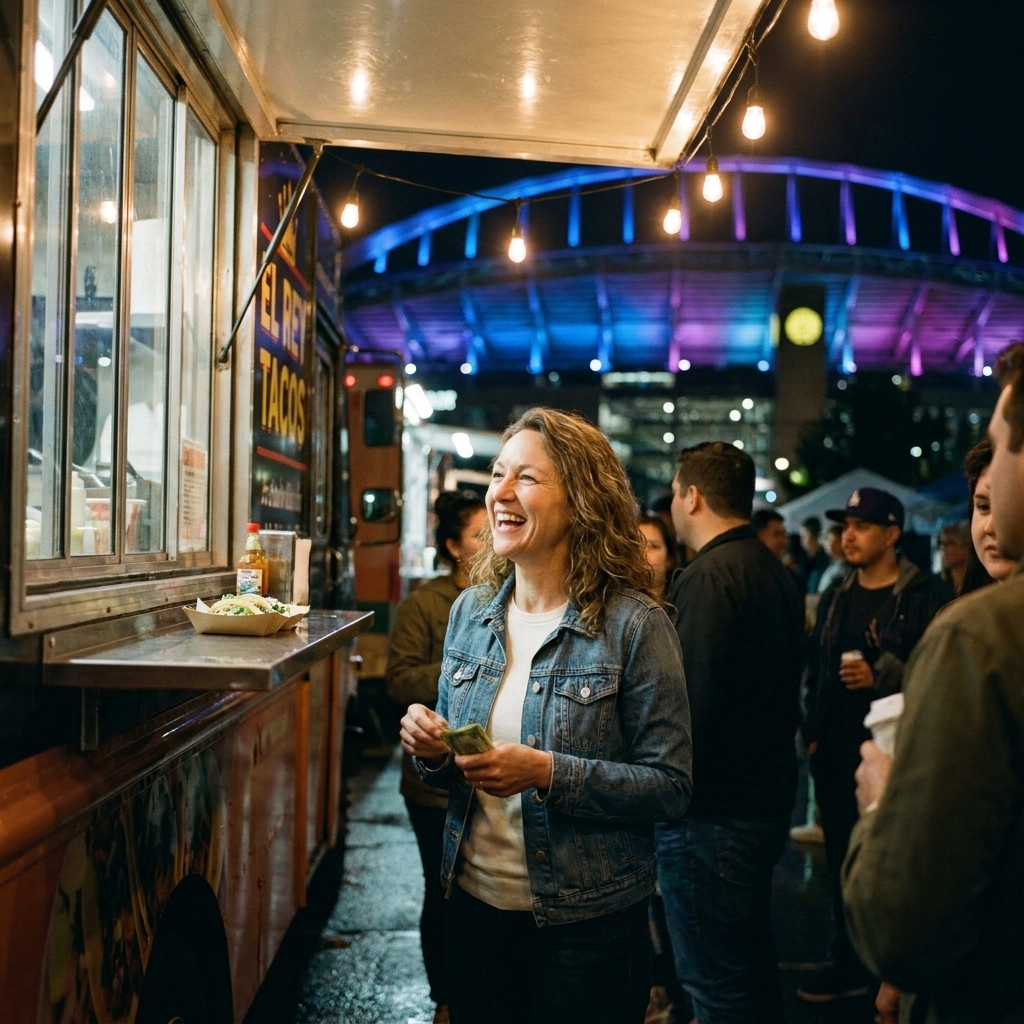
There is a special kind of heartbreak that hits when you are starving after a big attraction day, you grab the closest “convenient” spot outside the gates, and your wallet takes a hit for a sad burger and a $6 soda.
I grew up hopping around Orlando’s biggest tourist corridors, and I learned early that the best meals are rarely the ones with the biggest patio and the loudest host stand. The good news: you can eat really well near expensive attractions without turning your day into a food scavenger hunt. You just need a few reliable, repeatable moves.
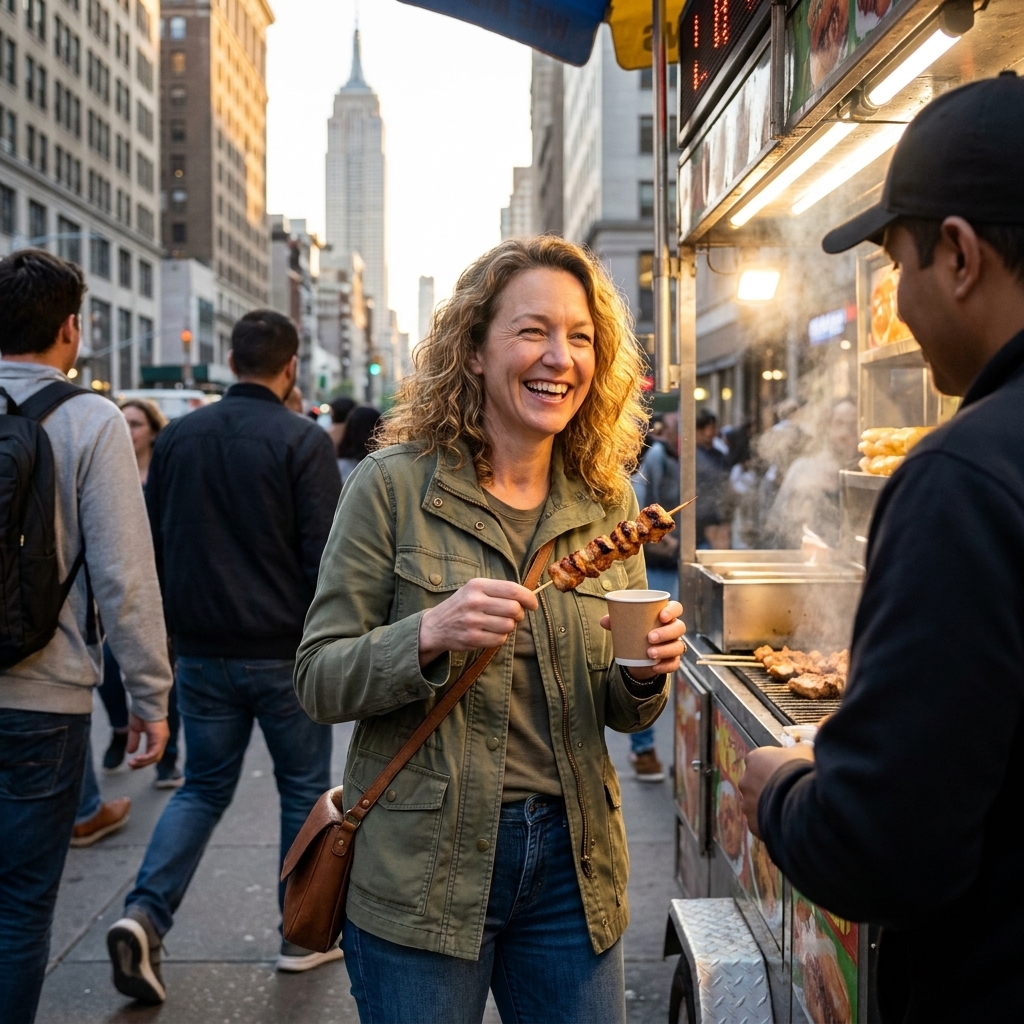
Below is my practical playbook for finding authentic, affordable, high-quality meals a few blocks away from the tourist premium. These tips started in Orlando for me, but the pattern holds in most big destinations.
The 3-Block Rule
Tourist-trap pricing is mostly about location and foot traffic. If you are eating directly on the main drag right outside the entrance or exit, you are paying for the address. My simplest starting point:
- Walk about 3 blocks away from the busiest entrance corridor, then reassess.
- Change direction: instead of walking along the attraction-facing boulevard, cut perpendicular into side streets.
- Look for mixed-use blocks with offices, apartments, barber shops, pharmacies, or grocery stores. Those areas support “real-life” lunch spots, not just one-time visitors.
If 3 blocks feels too vague in a new city, aim for 8 to 12 minutes on foot as a baseline. In many places, that is where you start seeing more local-priced options. In mega tourist zones, pricing can stay inflated longer, so do not be surprised if it takes 15 to 20 minutes, or a short transit hop, to fully reset.
Quick safety and accessibility note: prioritize well-lit routes, busy streets, and your comfort level. If walking is not practical, use a quick bus, metro, or rideshare to the nearest neighborhood with apartments and offices.
Spot a Deal Fast
You do not need a deep-dive review spiral to find a winner. You need fast signals.
Green flags
- A short, focused menu: 10 to 25 items usually beats 80 “global favorites.”
- Food-first window: if you can see a busy kitchen, a grill, a prep station, or a bakery case, that is a good sign.
- Local timing: a line of people in work clothes at noon or families at 6 pm often means repeat customers.
- Drink pricing that makes sense: water options are clear, and soft drinks are not priced like souvenirs. (Local norms vary, so see note below.)
- Prices that scale normally: the menu looks similar to what you see a 10 minute walk away on the map, not everything rounded up to a pain point.
Red flags (especially near attractions)
- Photos for every item plus a menu that reads like a phone book.
- “World famous” signs with no context, no history, and no locals inside.
- Hosts aggressively steering you in when nearby places are quiet.
- Automatic add-ons: mandatory service charges, venue fees, cover charges, or surprise automatic gratuity that is not clearly explained up front.
- Prime-view pricing: you are paying extra for the fountain, castle, skyline, or main gate sightline.
Local norm note (water): in some places, especially parts of Europe, bottled water is the default and tap water may not be offered proactively. That does not automatically mean a tourist trap. If tap is standard or allowed, just ask directly.
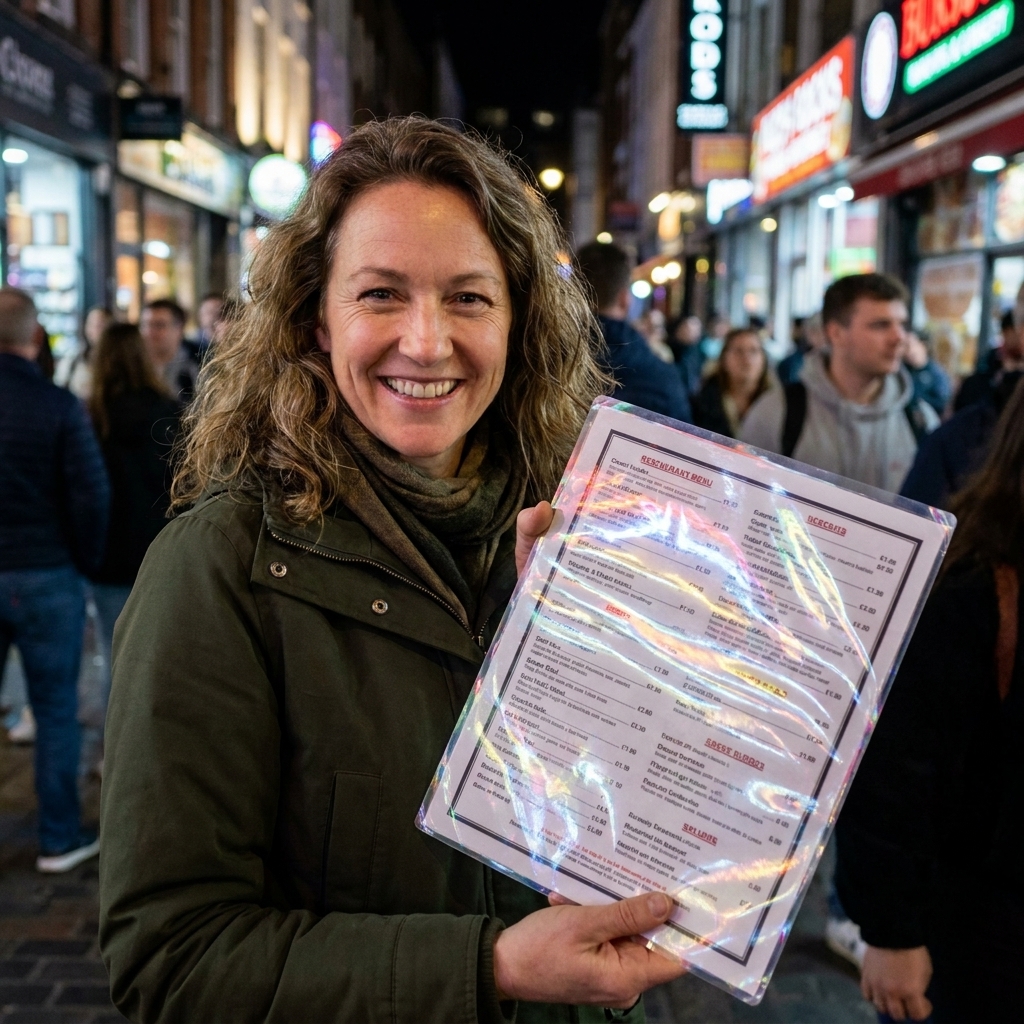
Order Like a Regular
Attractions make you hungry in a specific way: fast, now, and preferably handheld. You can use that to your advantage by ordering the items that deliver the most satisfaction per dollar.
My budget-smart orders
- Lunch specials: the same kitchen, smaller price. Look for weekday set menus, bento-style combos, or “plate” lunches.
- Shareable starters: one great appetizer plus two mains often feels like a feast without dessert-level regret.
- House specialties: tacos, dumplings, pho, rotisserie chicken, curry, arepas, bagels, shawarma, bibimbap. The “signature” is usually the best value.
- Skip the souvenir drinks: fountain soda, iced tea, or water. Save the fun cocktail for a place you chose on purpose.
- Ask one question: “What do you eat here?” If they answer fast, you are in good hands.
Two phrases that help
- “Can I do that as a combo?” Sometimes the menu hides it.
- “Is there a happy hour menu?” Even non-drinkers win here with discounted small plates.
Timing Tricks
The easiest way to avoid overpriced meals is to stop eating at the exact same time as every other visitor.
- Early lunch (11:00 to 11:30): you beat the rush and get faster service.
- Late lunch (2:00 to 3:30): you catch specials and quiet kitchens, especially in business districts.
- Pre-attraction dinner: eat a solid meal before the evening show, fireworks, or night tour. You will not be trapped by the post-show stampede.
- Dessert as the splurge: if you want the iconic tourist treat, do it. Just make that your planned spend, not the entire meal.
Planner tip from my events days: build a 20-minute food buffer into your attraction schedule. When your group is not hangry, you have the patience to walk those extra blocks.
Neighborhoods That Pay Off
When you are near a major landmark, look for these budget-friendly ecosystems. They exist in almost every destination city.
Transit hubs (not the concourse)
Follow commuters, not souvenir shops. One or two streets away from a big train or metro stop is where you often find quick, well-priced meals. Some major stations are tourist-priced too, so focus on commuter-facing side streets and weekday lunch traffic.
Universities
Student neighborhoods are basically designed for affordable deliciousness. Think dumplings, sandwiches, ramen, bakeries, bubble tea, and coffee shops that actually care.
Medical districts
Hospitals and clinics support steady foot traffic all day. That means reliable cafés, soup-and-salad spots, and international counters that prioritize speed and consistency.
Market streets
If you spot a small grocery, bakery, butcher, or produce stand, you are in the right zone. Pair it with a nearby casual restaurant and you are set.
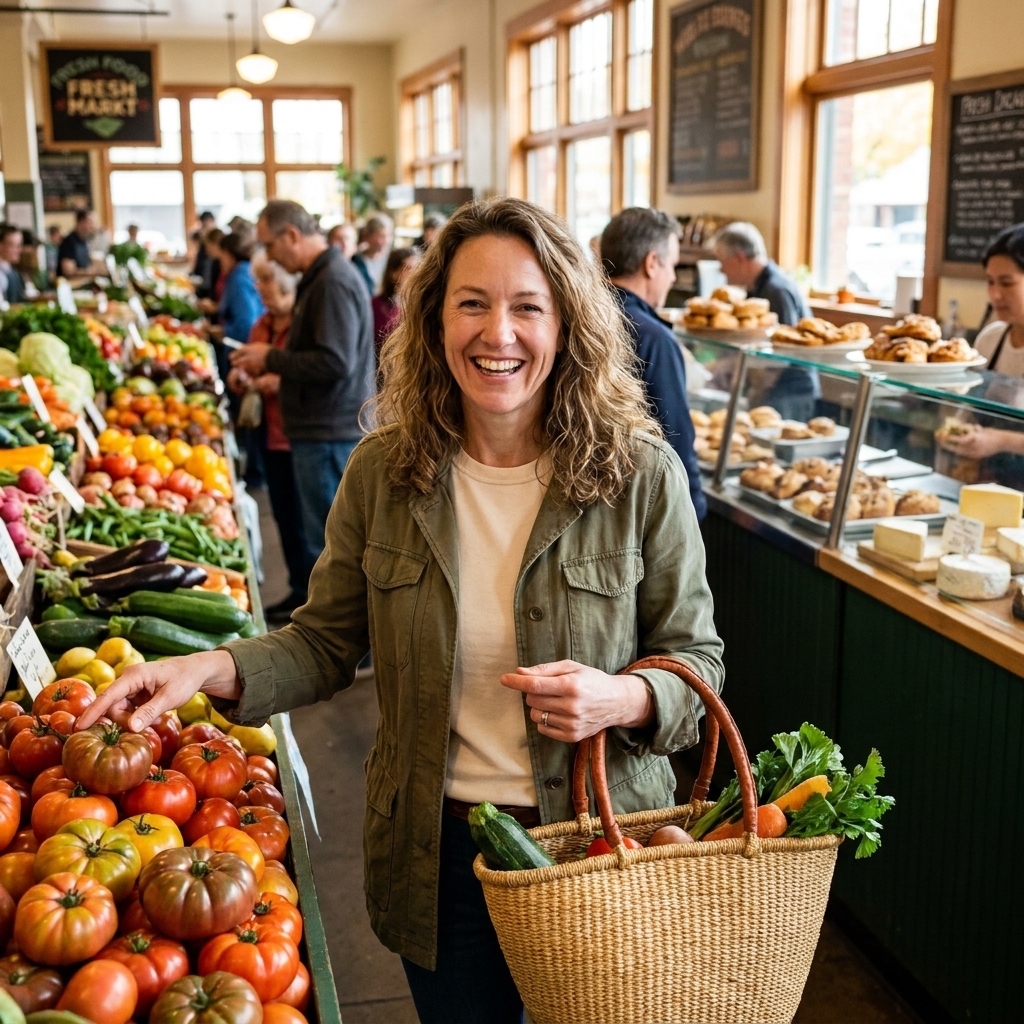
Cheap But Great Formats
If you are standing near a big attraction thinking “okay, but what am I actually looking for,” here are the formats that consistently punch above their price point.
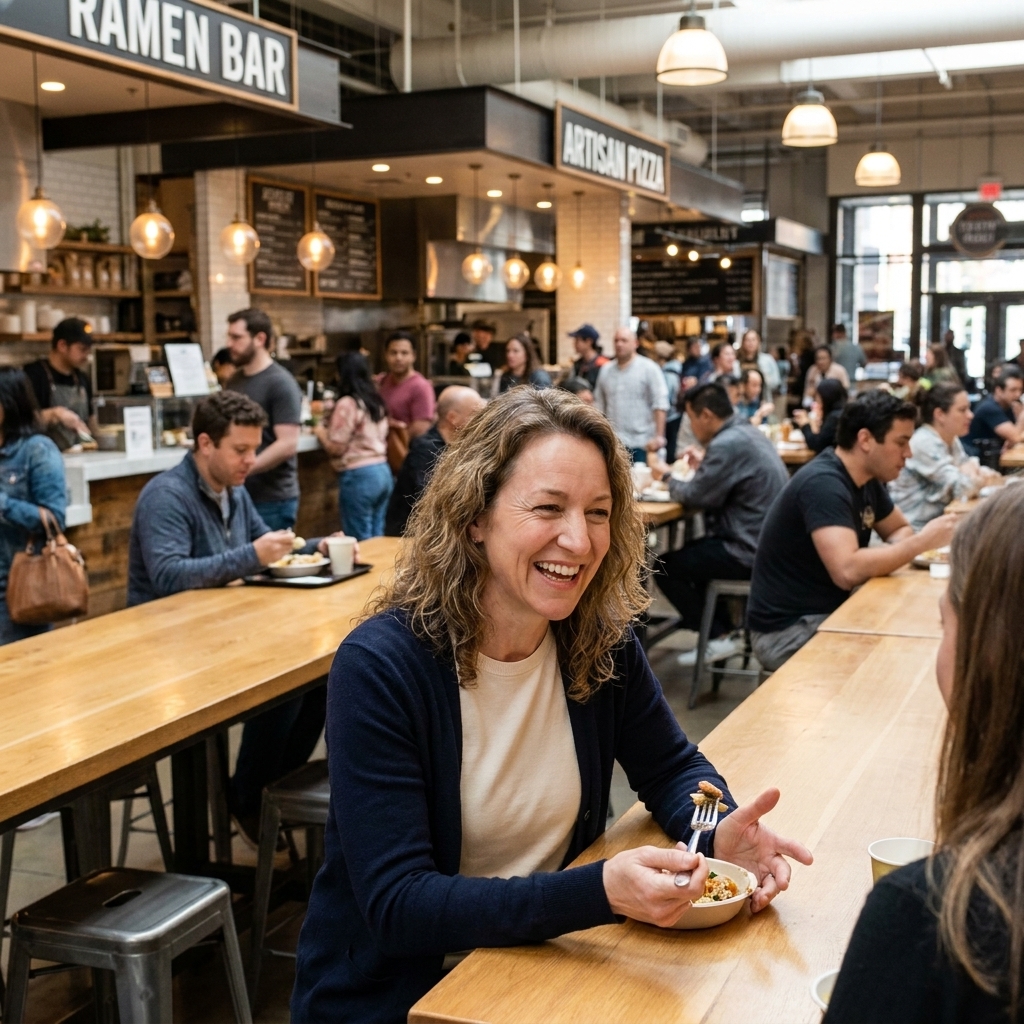
- Food halls: choose-your-own-adventure dining, easy for groups, often a better value than full-service restaurants on the same block.
- Counter-service international: shawarma, bánh mì, arepas, kebab, jollof plates, katsu curry, noodle soups.
- Bakery + savory: a substantial pastry, a stuffed bun, a slice, or a hot sandwich. Add a coffee and you have a full meal.
- Grocery store hot bar: surprisingly great in many cities, and perfect for picky eaters.
- Slice shops and dumpling houses: fast, filling, and easy to share.
One of my favorite “family win” combos: order two mains and one side, add an extra plate, and split. Kids get variety, adults get satisfaction, and you do not pay the tourist-tax per person.
A Simple Walking Plan
Here is the exact routine I use when I step out of a major attraction and need a meal that will not sabotage my budget.
- Open your map and pick a direction away from the busiest entrance street, ideally toward apartments or offices.
- Walk 8 to 12 minutes and scan for places that look busy but not chaotic. If the area still feels like pure tourism, keep going or take a short transit hop.
- Check menus for three things: one signature dish, at least one affordable staple, and drinks that are not absurd.
- Choose speed or comfort: counter service for fast fuel, sit-down for a mid-day reset.
- Order one safe item and one local item for the table. This keeps everyone happy and makes the meal memorable.
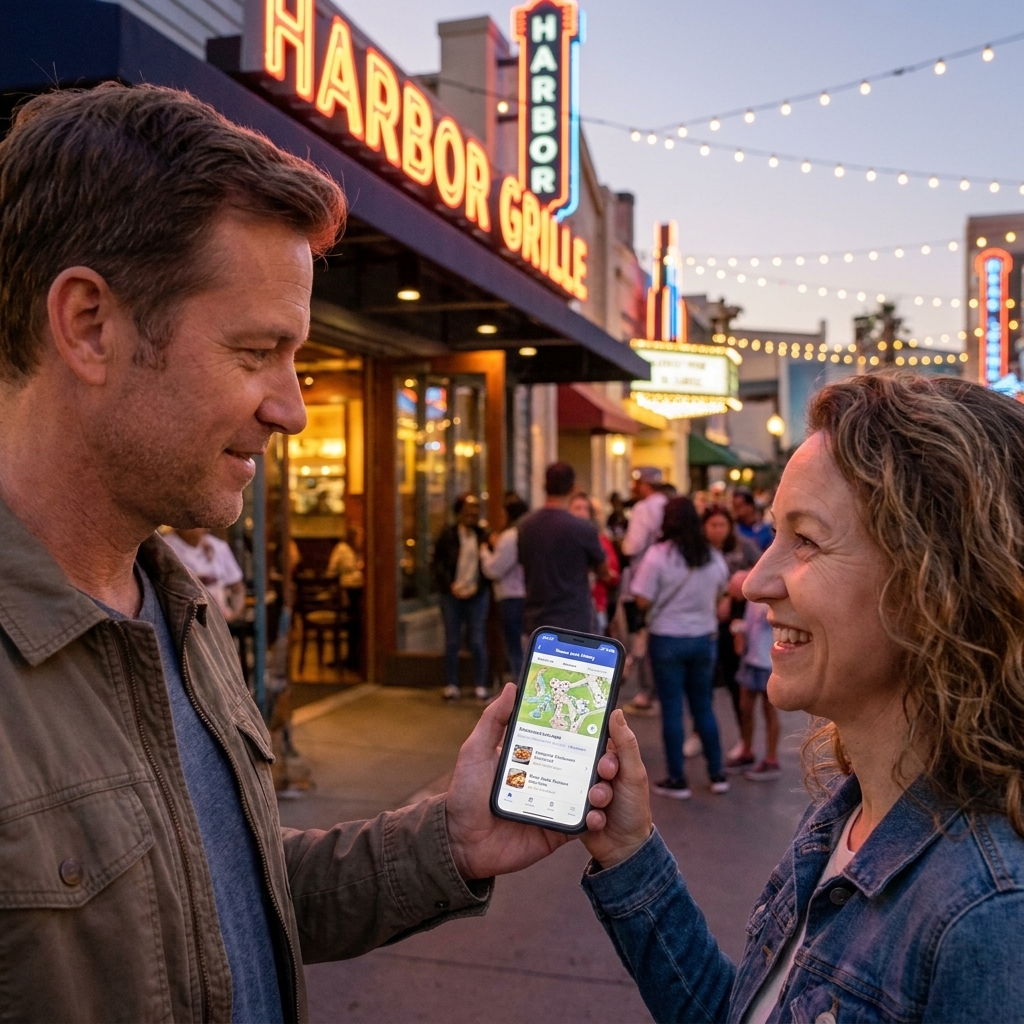
Tool tip: on your map app, filter for “open now” and sort by distance. A quick glance at photos of the menu and the dining room is often enough to pick your next stop.
Common Upcharges
Bottled water pressure
If a server pushes bottled water hard, ask for tap water directly if it is customary or allowed where you are. If tap is not standard, consider skipping water altogether and ordering a cheaper non-alcoholic drink, or refill your bottle before you sit down.
Convenience breakfast pricing
Near attractions, breakfast can be weirdly overpriced. Consider grabbing coffee and a pastry from a bakery, then doing a sit-down lunch as your main meal.
View tax
If you are paying for a premium view, make sure it is your priority. Otherwise, take two minutes to walk to a side street. You can always come back for photos.
Service charges and vague fees
Read the fine print on the menu. If a place adds a service charge, cover charge, or automatic gratuity, you want to know before you order. Also note that tipping norms vary widely by country and even by city, so check local custom before you assume what is expected.
Quick FAQ
How far do I need to walk to escape tourist pricing?
Often 8 to 12 minutes or about 3 blocks in a dense area is a good starting point. In larger tourist zones, you may need a longer walk or a quick transit ride. The moment you hit offices, apartments, or a grocery store, prices tend to normalize.
Are food halls always cheaper?
Not always, but they are often a better value because you can control portions and avoid pricey drinks and forced “full meal” ordering. They are also great for groups with different cravings.
What is the safest bet for picky eaters?
Look for bakeries, sandwich shops, and noodle spots with simple bases and customizable toppings. You can usually get one comfort item and one adventurous item in the same order.
How do I find authentic food without spending a ton of time researching?
Follow the signals: shorter menus, steady local traffic, and neighborhoods that support everyday routines. If the place is full of people who look like they are on a lunch break, you are probably in the right spot.
My Final Rule
Pick one thing to splurge on and make everything else smart.
Maybe it is the iconic dessert, the rooftop cocktail, or the theme restaurant you have been dreaming about. Plan that spend on purpose, then use the strategies above to keep the rest of your meals affordable, delicious, and honestly way more memorable than the nearest overpriced patio.
If you want, tell me the attraction area you are visiting and your rough budget per person, and I will help you build a simple nearby dining plan you can actually stick to.