There is a special kind of joy in a museum day that actually feels good. Not the white-knuckle, crowded-gallery, "we need to power through" kind of outing. I am talking about a calm, confidence-boosting visit where everyone knows the plan, the supports are ready, and breaks are built in from the start.
Whether you are planning for autism, ADHD, PTSD, migraines, anxiety, low vision, hearing loss, mobility limitations, chronic illness, or you just know loud, unpredictable spaces can be a lot, this guide will walk you through the easiest ways to use what museums already offer: sensory bags , quiet hours, accessible entrances, and wheelchair-friendly routes.
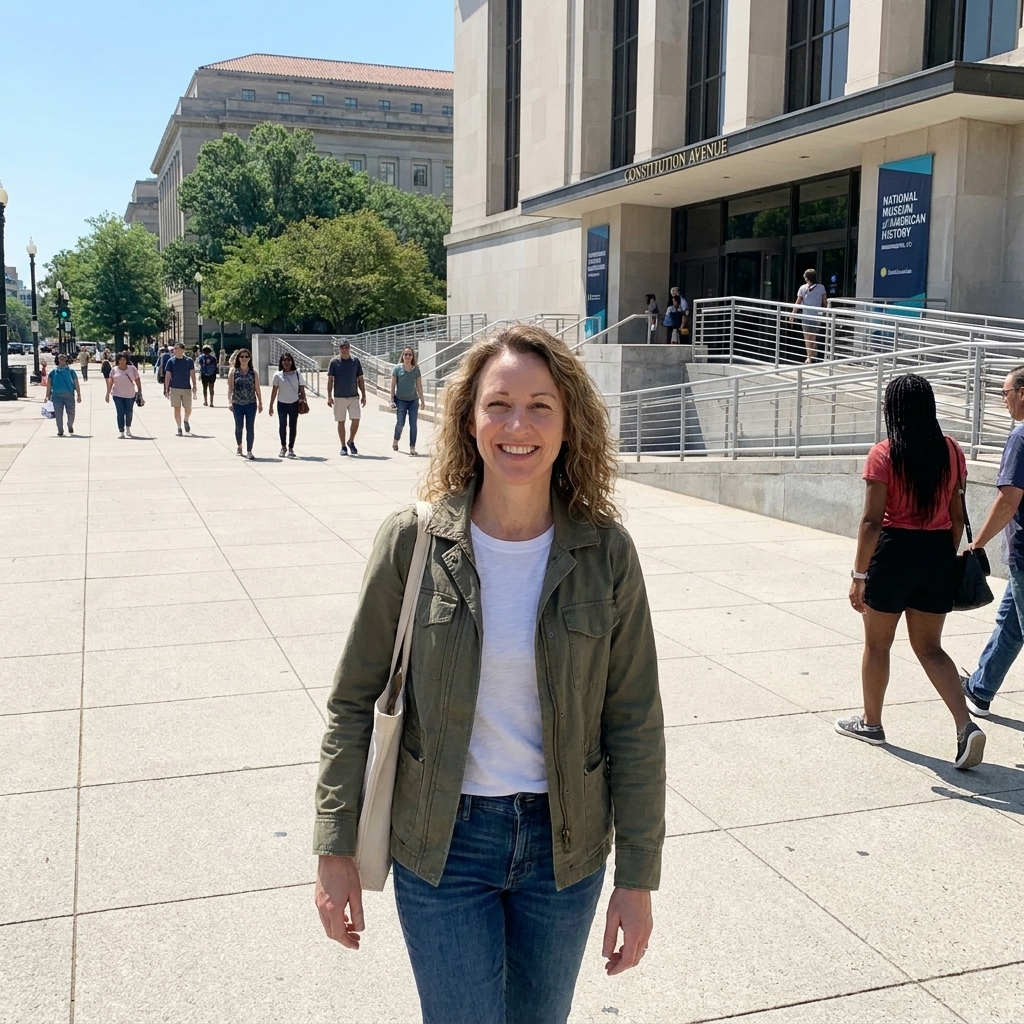
Step 1: Pick the right venue and day
Not every cultural venue is a match for every body or brain, and that is not a failure. It is just logistics. Start by choosing a place that sets you up for success.
What to look for on the venue website
- Accessibility page that clearly lists entrances, elevators, and wheelchair routes
- Sensory-friendly resources (sensory bags, social stories, sensory maps, visual schedules)
- Quiet spaces or wellness rooms (and whether they are open-access or staff-controlled)
- Timed entry or capacity limits
- Seating availability throughout galleries
- Assistive listening, captions, or ASL-interpreted tours
- Low vision supports (large-print guides, audio description, tactile tours, or touch collections when offered)
- Service animal policy (and where relief areas are located)
- Getting there info (accessible parking, drop-off zones, and the closest accessible public transit stops)
Best times to go (even if there are no "quiet hours")
In my experience, you can often create your own quiet hour by choosing:
- Weekday mornings right at opening
- Meal times (late lunch window can be calmer)
- Bad weather days for outdoor-heavy attractions, but museums may be busier then
- Member-only previews or early entry windows if available
If the venue does offer sensory-friendly mornings or low-sensory evenings , grab them. These may include lower sound, reduced lighting effects, fewer visitors, and (at some institutions) staff who have had additional training to support guests who may need extra time or space.
Step 2: Call or email guest services with a mini checklist
This is the part most people skip, and it is where the outing gets dramatically easier. A quick message can answer the questions that would otherwise spiral mid-visit.
A simple script you can copy
Subject: Accessibility and sensory-friendly visit questions
Hi! I am planning a visit on (date/time) and would love a little guidance. Can you share: (1) the quietest entry point and best time to arrive, (2) where we can pick up a sensory bag or headphones, (3) the most wheelchair-friendly route to see (exhibit name), and (4) the nearest quiet space or low-stimulation area if we need a break? Thank you!
Smart questions to ask
- Is there a separate accessible entrance or drop-off area?
- Where is the best accessible parking and what is the easiest route from lot to entrance?
- Are there elevators near the main route, and do any tend to get congested?
- Are there automatic doors or is staff available to assist?
- Are wheelchairs available to borrow, and do they require ID or a deposit?
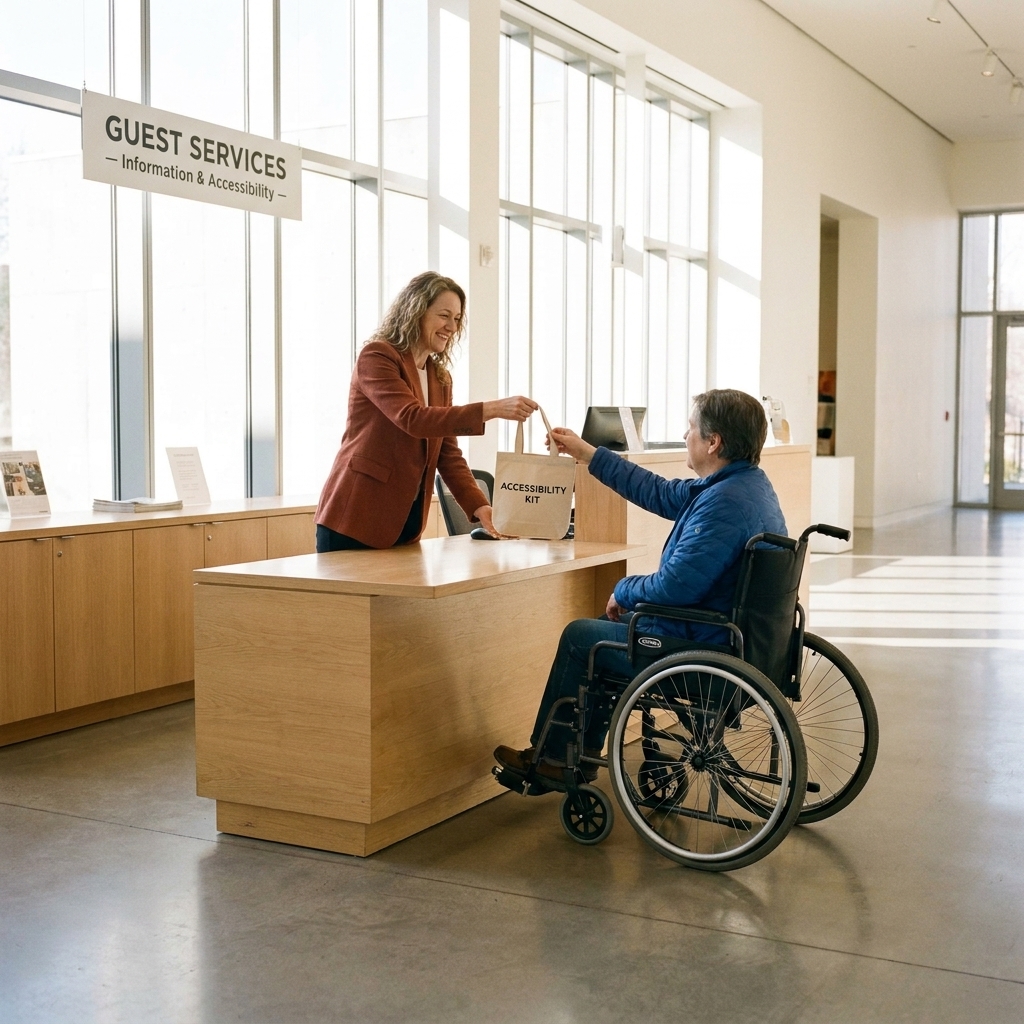
- Is there a sensory bag program, and what is included?
- Are there galleries with strobe lighting, loud audio, or immersive projections that we should avoid?
- Do tickets allow re-entry if you need a reset break outside?
- Do you offer PCA, companion, or caregiver admission (free or discounted) for a support person accompanying a visitor with a disability?
- Are there family or companion care restrooms, and do any include an adult-sized changing table (if applicable)?
Step 3: Build your plan around sensory comfort
If you have ever walked into a gallery and immediately felt your shoulders rise, you know sensory load is not just "noise". It is lighting, crowding, echo, temperature, smells, and the constant micro-decisions of where to stand and how to move.
Use quiet hours and low-sensory programs strategically
Quiet hours are your chance to enjoy the headline exhibits without competing with school groups and big tour waves. If the venue offers them, treat that window as your “must-see” time and save optional rooms for later.
How museum sensory bags actually help
Sensory bags vary, but many include a few of these essentials:
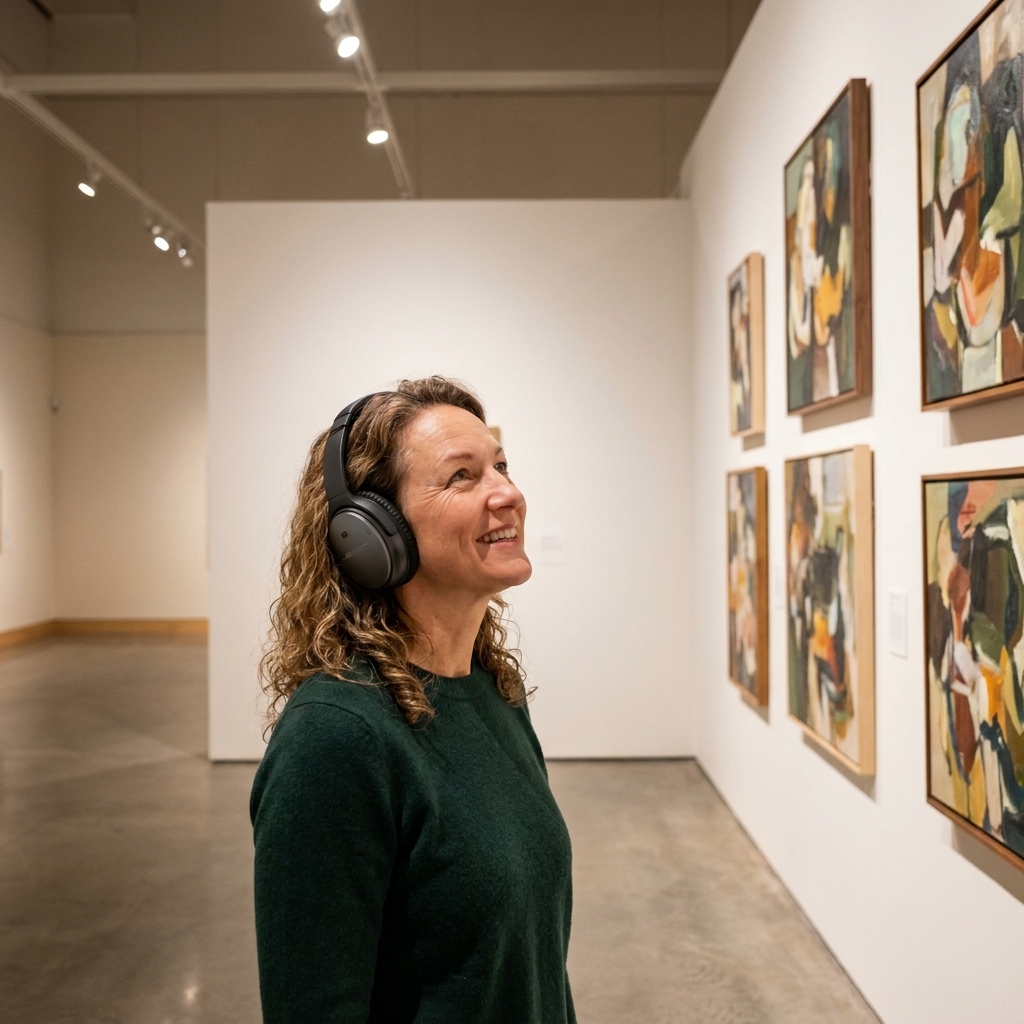
- Noise-reducing headphones or ear defenders
- Fidget tools for regulation
- Visual cue cards or communication supports
- Weighted lap pad (sometimes)
- Sunglasses or tinted lenses (sometimes)
My tip: pick up the bag before you enter the first gallery. If you wait until someone is already overwhelmed, it feels like an emergency. Starting with supports in-hand keeps the vibe calm and in control.
Pack your own micro “sensory toolkit”
- Comfortable earplugs plus over-ear headphones (two levels of control)
- Snacks with protein (hunger is a sensory trigger in disguise)
- A refillable water bottle
- Medication basics (as needed)
- Portable phone charger
- Small comfort item, scarf, or textured fidget
- One change-of-plan option (a café, a courtyard, a nearby park)
Step 4: Map a wheelchair-friendly route before you arrive
Even in modern museums, the “shortest” route is not always the most accessible route. A single set of stairs, a heavy door, or a crowded elevator can turn a fun outing into a tiring puzzle.
What to do at home
- Download the venue map and look for elevators, ramps, and accessible restrooms.
- Identify two routes: a main plan and a backup if an elevator is busy or out of service.
- Choose 3 to 5 priority stops instead of trying to “do it all.”
What to do on-site
- Ask for the most direct accessible path to your first priority exhibit.
- Check where benches are located, even if you are using a wheelchair. Everyone benefits from easy rest points.
- Confirm accessible restroom locations early, not when you are rushing.
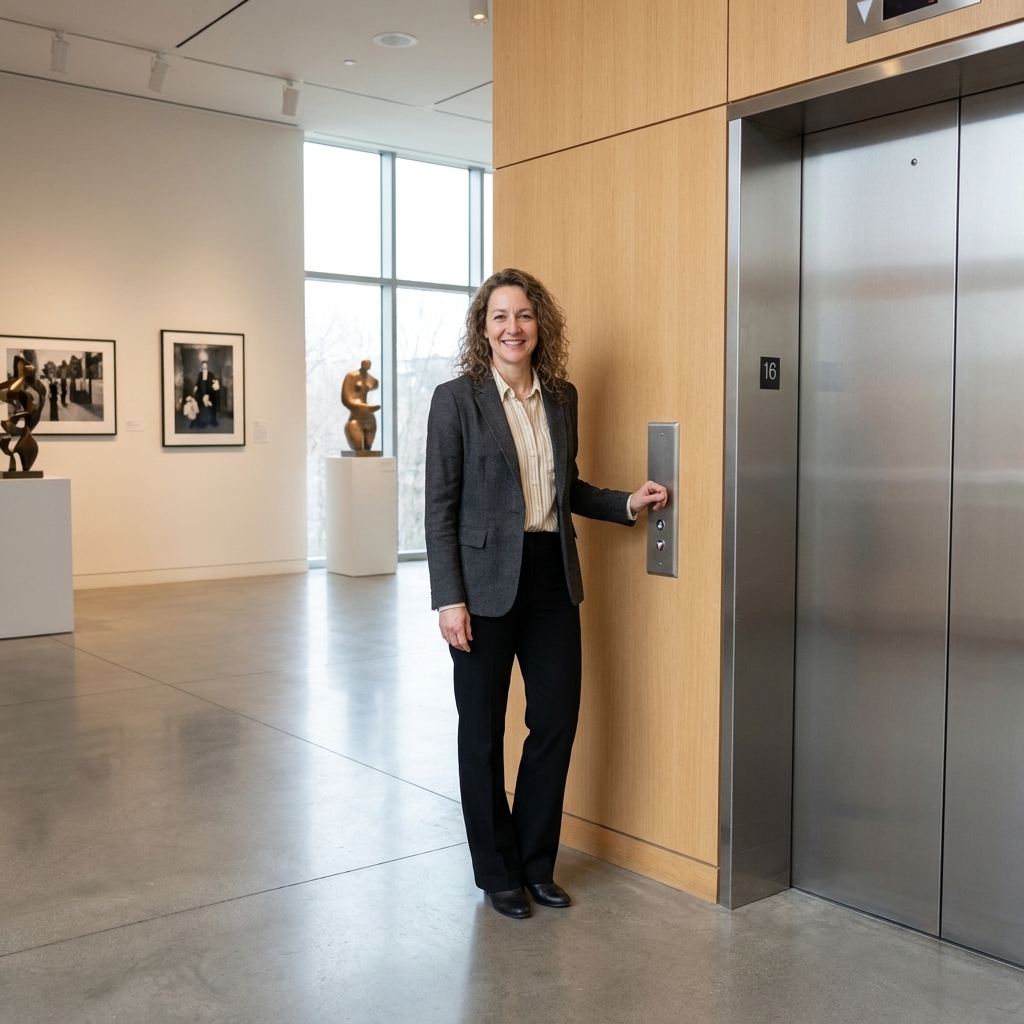
One more practical note: some older buildings have service elevators or alternate lifts that are technically accessible but not obvious. Guest services can tell you the best option and whether staff assistance is needed.
Step 5: Create a calm, realistic itinerary
I love a good plan, but the secret to a sensory-friendly outing is leaving room for the plan to breathe.
A simple 2-hour sensory-friendly museum template
- 0:00 to 0:15 Arrival, pick up sensory bag, restroom check, quick lobby reset if needed
- 0:15 to 0:45 Priority exhibit #1 (quiet hours window if possible)
- 0:45 to 1:00 Seated break, snack, water
- 1:00 to 1:30 Priority exhibit #2 (choose a lower-stimulation gallery)
- 1:30 to 1:45 Low-sensory break (quiet space or fresh air)
- 1:45 to 2:00 Gift shop only if it is comfortable, then exit
Set a “green-yellow-red” plan
This is my favorite low-drama strategy for groups and families.
- Green: Feeling good. We continue as planned.
- Yellow: Early signs of overload. We use headphones, take a seated break, or switch to a calmer room.
- Red: Too much. We go to the quiet space or exit without debate.
Agreeing on this ahead of time turns “Should we leave?” into “We are in yellow, so we do the yellow plan.” It reduces pressure on the person who is struggling and keeps the group supportive.
Step 6: Use in-the-moment supports
Museums can feel formal, but you are allowed to make your own comfort.
Quick regulation tools that work in public spaces
- Stand at the edge of a gallery instead of the center
- Face a wall or a single artwork to reduce visual input
- Use captions or transcripts instead of audio if sound is overwhelming
- Take “bathroom breaks” as neutral reasons to step away
- Choose stairs or ramps over crowded elevators if that is easier for your group
If you need staff help
Guest services and gallery attendants can often help discreetly, and some venues provide additional training for accessibility support. You can simply say:
“We need a quiet place for a few minutes. Where should we go?”
You do not owe anyone medical details. A clear request is enough.
Step 7: Plan the exit
The exit is part of the outing. A noisy, crowded gift shop funnel can undo a great visit in five minutes.
Make leaving easy
- Locate the nearest accessible exit on arrival
- If the gift shop is a trigger, skip it and do souvenirs online later
- Build in a decompression stop, like a quiet café, a shaded bench outside, or a short drive before the next activity
Common barriers and how to handle them
If the museum is louder than expected
- Put on headphones early
- Move to smaller side galleries
- Ask staff for the quietest wing at that time
If the elevator is crowded or out of service
- Use your backup route
- Ask staff for a secondary elevator or service lift
- Adjust priorities rather than fighting the building
If lighting effects are triggering
- Check for alternate pathways around immersive rooms
- Use a hat brim or tinted glasses
- Skip the exhibit and choose a calmer collection area
If someone is in distress or shutting down
- Reduce input first (sound, lights, crowd)
- Go to a quiet space or exit without negotiating
- Hydrate, snack, and reset expectations for the rest of the day
FAQ
Are museum sensory bags only for kids?
No. Many programs are designed with kids in mind, but adults can benefit too. If the venue’s policy is unclear, ask guest services. You can also bring your own sensory supports.
Do quiet hours cost extra?
Often no, but there are exceptions. Some venues include them with regular admission, while others run them as ticketed, after-hours events. Check the event calendar and book early if you can.
Can I bring my own noise-cancelling headphones or fidgets?
In most venues, yes. Museums often allow small personal items that support access, but policies vary. If you are visiting a high-security museum or special exhibition, a quick email to confirm never hurts.
Do museums offer PCA or companion tickets?
Many do, and it can make a big difference. Policies vary, but it is common to see a free or discounted ticket for a personal care attendant, caregiver, or support person accompanying a visitor with a disability. If you need this, ask guest services what they call it (PCA, companion, caregiver, support person) and what documentation, if any, is required.
What if I need to leave and come back?
Re-entry rules vary. Some timed ticket systems allow it, others do not. Ask at check-in so you can plan a parking break or outdoor reset without surprises.
My best tip: plan for the win
A sensory-friendly, accessible cultural outing is not about proving you can last all day. It is about creating a visit that feels welcoming and doable, with supports ready before they are needed.
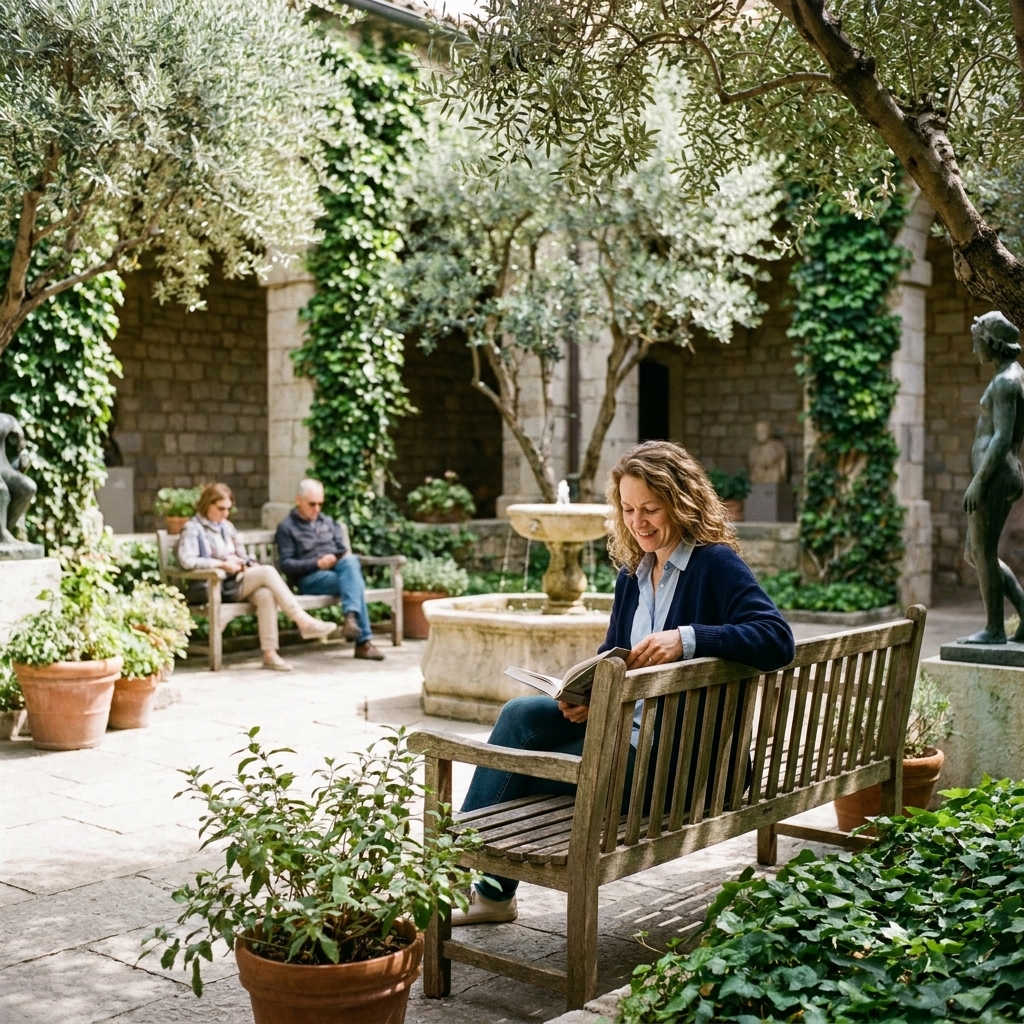
If you see two galleries and spend twenty minutes in the courtyard because it is peaceful, that is still a museum day. And honestly, those are the days people remember fondly.