I grew up close enough to Orlando that “let’s go ride something” was a totally reasonable after-school plan. So when two mega-malls promise real, honest-to-goodness thrill rides, water slides, and entire days of entertainment under one roof, I pay attention. Mall of America in Minnesota and American Dream in New Jersey are two of the biggest names in the entertainment-mall world, but they deliver very different vibes and very different kinds of days.
Below is my attraction-first breakdown, with the shopping and dining details you actually need to plan a smooth visit.

At a glance: the big differences
- Mall of America (Bloomington, Minnesota): The classic. A huge retail directory headlined by major attractions like Nickelodeon Universe and SEA LIFE at Mall of America. It feels like a city-sized mall that happens to have an amusement park in the middle.
- American Dream (East Rutherford, New Jersey): The attraction stack. It’s built around big-ticket experiences like DreamWorks Water Park, Nickelodeon Universe Theme Park, and Big SNOW (indoor skiing and snowboarding).
My quick take: If your group wants a balanced “shop a little, play a lot” day that flows easily, Mall of America is the dependable pick. If you want a full-on attraction marathon and are willing to plan around tickets and session times, American Dream is the bigger thrill buffet.
Indoor theme parks: rides and energy
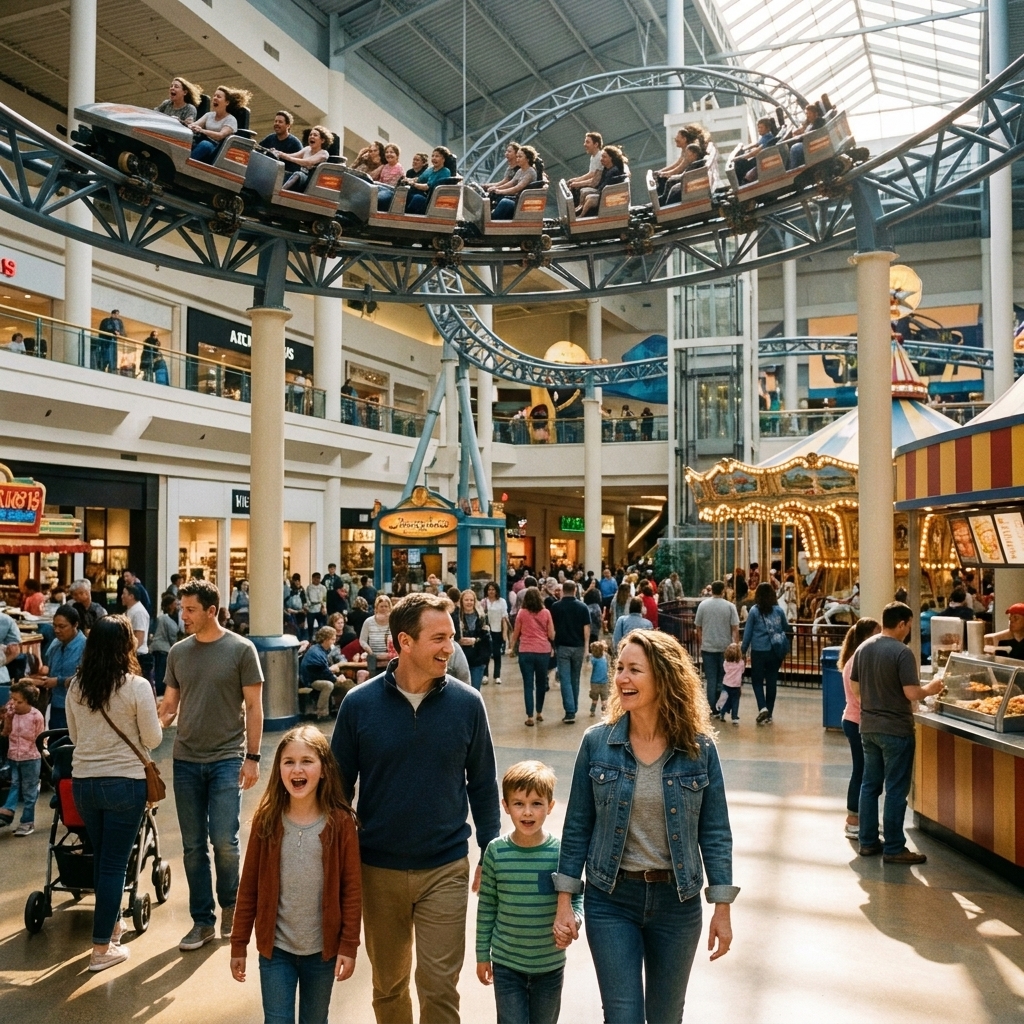
Mall of America: Nickelodeon Universe
Mall of America’s indoor park is the kind of place where you can pop in for a few rides between errands or commit to a full day and never run out of motion. It’s open-air inside the mall’s core, so it feels integrated into the property rather than tucked away.
- Best for: Families with mixed ages, groups that want flexible ride time, and visitors who like the “wander and ride” rhythm.
- What stands out: The park is a true centerpiece. You feel the coaster energy while you’re still in shopping mode, which is part of the magic.
- Planning note: Ticket options can change, but you’ll generally see some version of “unlimited rides” and “pay-per-ride” choices. Confirm the current setup before you go so you buy the right thing for your crew.
- Quick reality check: Height rules apply, especially for the bigger coasters. If you have a just-barely kid, check requirements before you promise anything.
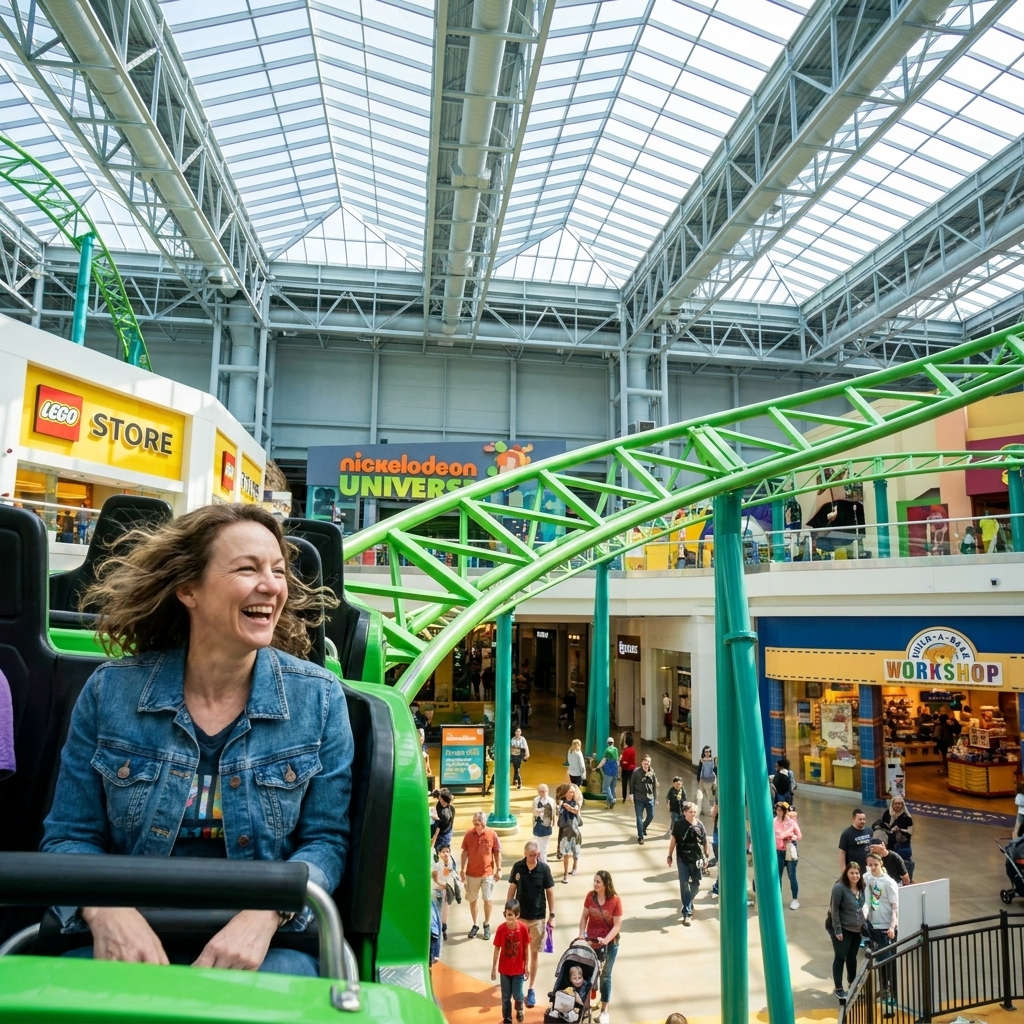
American Dream: Nickelodeon Universe Theme Park
American Dream’s Nickelodeon Universe is huge and intentionally built as a headline attraction. It’s a destination inside a destination, and it can feel more like an indoor theme park complex than a mall add-on.
- Best for: Thrill-seekers, coaster fans, and anyone who wants a clearly defined park day.
- What stands out: Scale and variety. It’s designed for people who showed up primarily to ride.
- Planning note: Ticketing is typically more structured than “wander in whenever,” especially during busy weekends and school breaks. Some experiences at American Dream run on timed sessions, while others are date-specific admission. Check your ticket type and your entry rules before you build the day.
- Quick reality check: Like any serious theme park, major rides have height requirements. Build in a backup plan for anyone who cannot ride the headline coasters.

Water attractions: who wins the splash battle?
American Dream: DreamWorks Water Park
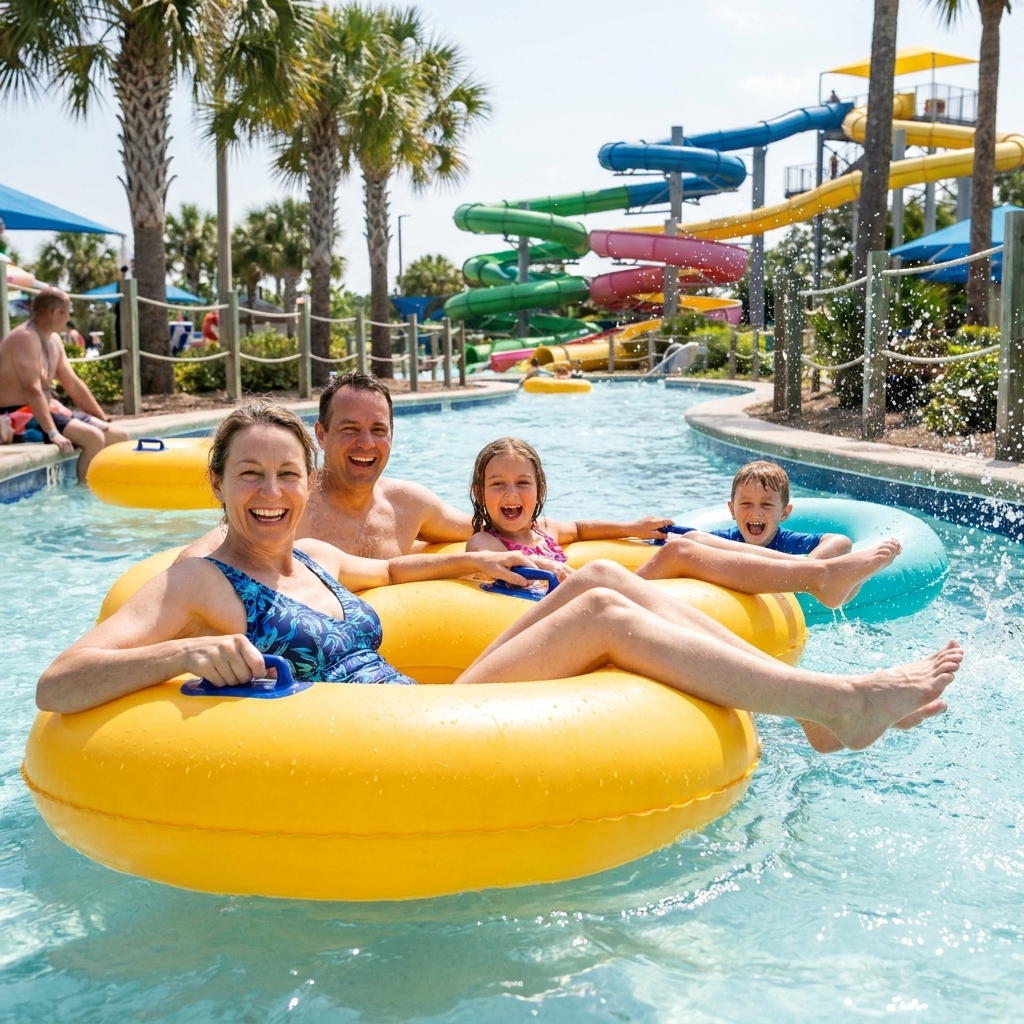
If your group is even slightly water-park motivated, American Dream has a major advantage. DreamWorks Water Park is a full-scale indoor water park experience, which means you can swim and slide in winter like it’s July. For families, this can be the single attraction that defines the whole trip.
- Best for: Kids and teens who want an all-day centerpiece, adults who love lazy-river time, and anyone visiting in cold weather.
- Vibe: High-energy, colorful, and very “make it a full day.”
- Bring: Water shoes if you’re sensitive to hot or textured pool decks, plus a waterproof phone pouch if you want photos without stress.
- Planning note: Water park access is often sold in sessions or time blocks. It’s awesome when you plan for it, and annoying if you do not.

Mall of America: what you get instead
Mall of America is not trying to be a water-park destination. Its strength is dry attractions, shopping, and family entertainment. If your must-have is big slides and wave pool time, you’ll likely feel the difference immediately.
Who should pick MOA anyway: Visitors who prefer rides, aquariums, and shopping, or who want to stay dry and still keep everyone entertained for a full day.
Unique experiences
American Dream: Big SNOW
Big SNOW is one of those “wait, really?” attractions that makes American Dream feel like a modern amusement complex. Indoor snow sports are a genuinely different way to spend a couple of hours, especially if you’re traveling with teens or adults who want an active break from shopping.
- Best for: Adventure-loving couples, teen groups, and anyone who wants a memorable story more than another store bag.
- Planning note: Check session times and gear rules ahead of time so you are not scrambling on arrival.

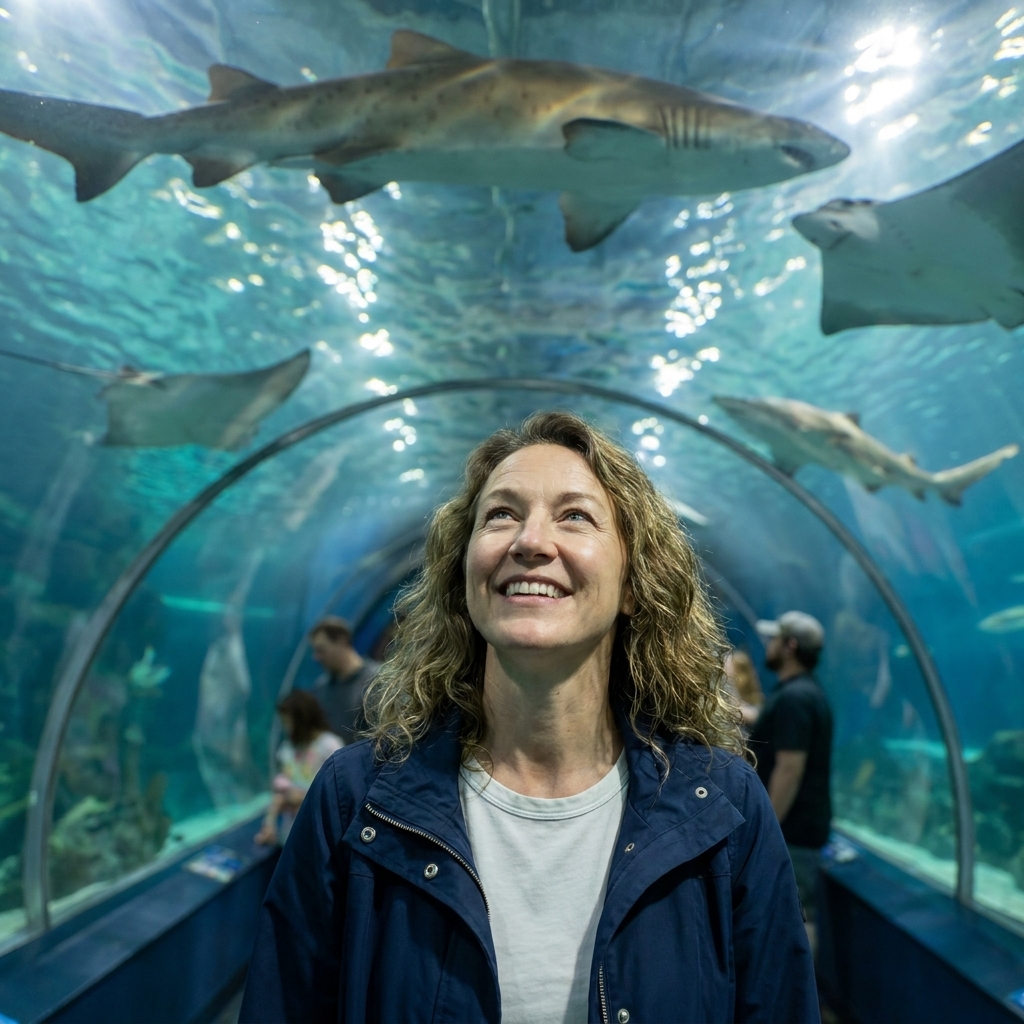
Mall of America: SEA LIFE and easy add-ons
Mall of America’s secret weapon is how many smaller experiences stack up into a full day without feeling like you’re constantly switching “venues.” SEA LIFE at Mall of America is a reliable crowd-pleaser, especially when you need a lower-stimulation, stroller-friendly break between higher-energy activities.
- Best for: Families with little kids, multi-generational groups, and travelers who like to mix high and low energy moments.
- My favorite move: Aquarium mid-afternoon, right when everyone is getting snacky and overstimulated. It resets the day.
Shopping: browsing vs mission mode
Mall of America shopping vibe
Mall of America feels like a classic American supermall turned up to maximum. The directory is massive, the walkways are straightforward, and it’s built for browsing. If your group genuinely wants to shop, not just kill time between attractions, MOA makes it easy to do real retail laps.
- Best for: Serious shoppers, families splitting up for an hour, and people who love a “start at one end, finish at the other” plan.
- Tip from a former event planner: Pick a reunion point and time before anyone peels off. It saves you from the “Where are you?” text spiral.
American Dream shopping vibe
American Dream’s shopping is substantial, but the property’s identity leans heavily toward big attractions. Translation: you can absolutely shop, but many visitors are there for the ticketed experiences first, then retail as a bonus.
- Best for: Travelers who want a few key stores plus headline entertainment.
- Tip: If you have a must-visit store list, map it before you arrive so shopping does not get squeezed out by session times.

Food and breaks
Both mega-malls offer plenty of quick service and sit-down options, but your strategy matters more than the menu. When you mix rides, crowds, and long walking days, meals can either save the trip or derail it.
My go-to meal strategy for either mall
- Eat earlier than you think: Aim for lunch before the main rush. You will sit faster and spend less time hangry.
- Build in one quiet snack: A planned coffee or treat break is cheaper than impulse buying when everyone is tired.
- Hydrate like it’s a theme park: Indoor air plus constant walking sneaks up on people.
Foodie note: If your crew includes picky eaters and adventurous eaters, keep the first meal simple and save the “let’s try something new” moment for when nobody is starving.
Cost and value
Prices shift by season, day of week, and ticket type, so I will keep this practical and future-proof: American Dream typically asks you to commit to bigger, ticketed experiences (water park, snow, theme park), while Mall of America makes it easier to build a lower-cost day by mixing free browsing with a few paid attractions.
How to keep costs under control
- Pick one anchor attraction: Water park day or theme park day, then fill the rest with shopping and free entertainment.
- Look for bundle tickets: If you know you will do multiple paid attractions, bundles can be the difference between “worth it” and “why did we do this?”
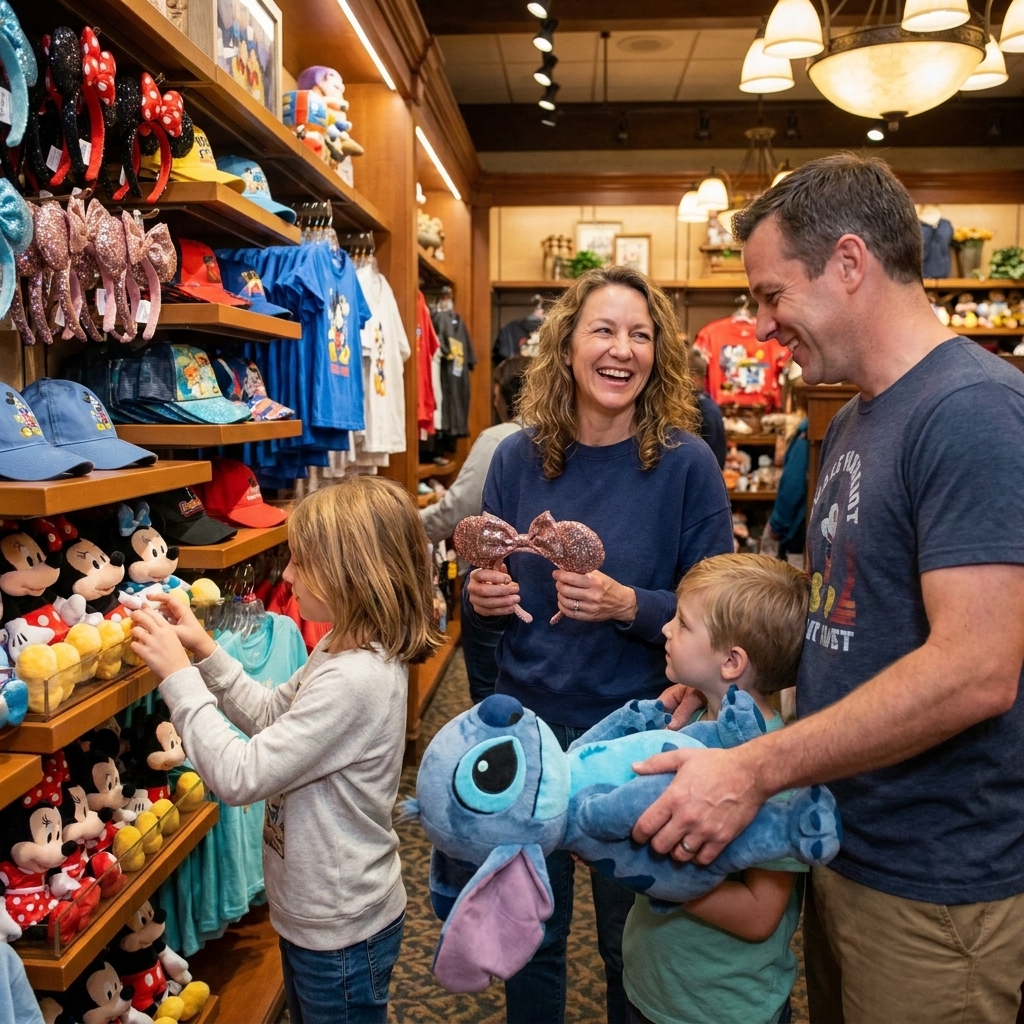
- Set a souvenir rule: One meaningful item per kid, or one photo-worthy splurge for the whole group.
Getting there, parking, and hours
- Mall of America: Very visitor-friendly for logistics. It has extensive parking and strong transit options, including a light rail connection from Minneapolis and the airport area. If you are staying nearby, this is one of the easiest “no car stress” mega-mall days you can plan.
- American Dream: Parking and traffic can be more of a factor, especially on weekends or when there is an event at the nearby stadium complex. Build in buffer time, and double-check parking fees and where your attraction entrance is located so you are not speed-walking the wrong direction.
- Hours tip: At both properties, attraction hours can differ from retail hours. American Dream, in particular, can feel like a set of separate venues that each keeps its own schedule. Always check same-day hours for the specific attractions you plan to do.
Accessibility and pacing
Both properties are huge. Like, “check your step count and laugh” huge. If you are visiting with toddlers, grandparents, or anyone who tires easily, the best attraction is a realistic pace.
- Strollers: Plan for elevators and wider routes, and avoid peak choke points right after big attraction exit times. At American Dream, that often means the surge right after a water park session ends.
- Rest breaks: Schedule at least one sit-down moment every 2 to 3 hours, even if everyone swears they are fine.
- Sensory breaks: Aquariums, quieter corridors, and slower activities can be a lifesaver for kids who get overstimulated.
Crowds and best times
- Best bet: Weekday mornings, especially outside school breaks, are your friend at both malls.
- If you must go on a weekend: Arrive early, do your top attraction first, then shop and snack while everyone else lines up.
- Holiday reality: Both places can get intense around major holidays and winter break. If that’s your only window, book key attractions ahead of time and keep your itinerary lighter than your optimism wants it to be.
Who should choose which?
Choose Mall of America if you want…
- A smoother blend of shopping and attractions
- Flexible, mix-and-match entertainment for different ages
- A classic mega-mall experience where you can ride a coaster and then browse stores without a big agenda
Choose American Dream if you want…
- A trip built around major ticketed attractions, especially an indoor water park
- More “wow, we did that indoors” moments like skiing at Big SNOW
- A more structured attraction day with sessions, entry rules, and a plan
Sample itineraries
4 to 6 hours at Mall of America
- Hour 1: Arrive, quick loop to orient, pick a central meeting spot
- Hour 2 to 3: Nickelodeon Universe rides (either a few rides pay-per-ride, or unlimited if you are going hard)
- Hour 4: Early lunch
- Hour 5: SEA LIFE at Mall of America for a calmer reset
- Hour 6: Targeted shopping with a short dessert stop
Full day at American Dream
- Morning: DreamWorks Water Park session
- Lunch: Sit-down or food hall style, then a 30-minute dry-out break
- Afternoon: Nickelodeon Universe theme park
- Evening: Big SNOW session or relaxed shopping, depending on energy
Planner tip: For American Dream, lock your must-do attraction times first. Then build shopping and meals around those windows.
My verdict
Best overall for an attraction-heavy trip: American Dream, because the water park plus indoor snow sports creates a unique, multi-attraction lineup that feels like a resort day inside a mall.
Best overall for balanced fun: Mall of America, because it’s easier to create a great day without committing to expensive, session-based tickets. It’s also the mega-mall I recommend most often to mixed groups, since everyone can do their thing without the day feeling overly scheduled.
If you tell me your group size, ages, budget range, and whether you prefer rides, water fun, or shopping, I can help you pick the best one and map a realistic half-day or full-day plan.
FAQ
Can you do both in one weekend?
Not realistically, unless your weekend includes a teleportation device. These malls are in different states, and they each deserve their own trip. If you meant “two mall days in one weekend,” you can do it, but keep at least one day lighter and focus on one or two paid attractions.
Which is better for little kids?
Both can work, but Mall of America tends to be easier for flexible pacing and quick pivots when nap time or overstimulation hits. American Dream can be amazing for kids who are water-park obsessed, as long as you plan around sessions and height rules.
Which is better for teens?
American Dream often wins for teens because DreamWorks Water Park and Big SNOW are big-ticket, brag-worthy experiences. If your teens love coasters most, both deliver, with American Dream feeling more like a dedicated park day.
Do you need to prebook attractions?
For American Dream, it’s smart to prebook or at least check availability for the major ticketed attractions, especially weekends. Big SNOW and the water park are the most likely to be session-driven. For Mall of America, you can often be more spontaneous, though peak days can still get busy.