Gift shops at zoos and aquariums are basically the “last habitat” you pass through, and they’re designed to be tempting. I get it. After you’ve spent two hours bonding with sea otters or watching a tiger stalk a toy, you want a little piece of that feeling to take home.
The trick is buying souvenirs that actually add to the experience: educational, durable, and ideally supportive of conservation efforts. Below is my tried-and-true list of what to grab with confidence, what to pause on, and a few sneaky ways to get the best value without leaving with a bag of overpriced plastic.
Before you buy: two fast checks
1) Ask where the money goes
Some zoos and aquariums route a portion of retail sales into animal care, research, rescue, or education programs, but it varies a lot by institution. (Nonprofit, city-run, privately operated, third-party vendor: the setup matters.) If you don’t see clear signage, ask a staff member. If they can explain how purchases support the mission, I feel better spending a little more.
2) Do the “same-day test”
Hold the item and ask: Will this still feel special next week? The best souvenirs either teach something, get used repeatedly, or become a true keepsake. The rest turns into clutter fast.
Buy it: educational souvenirs worth it
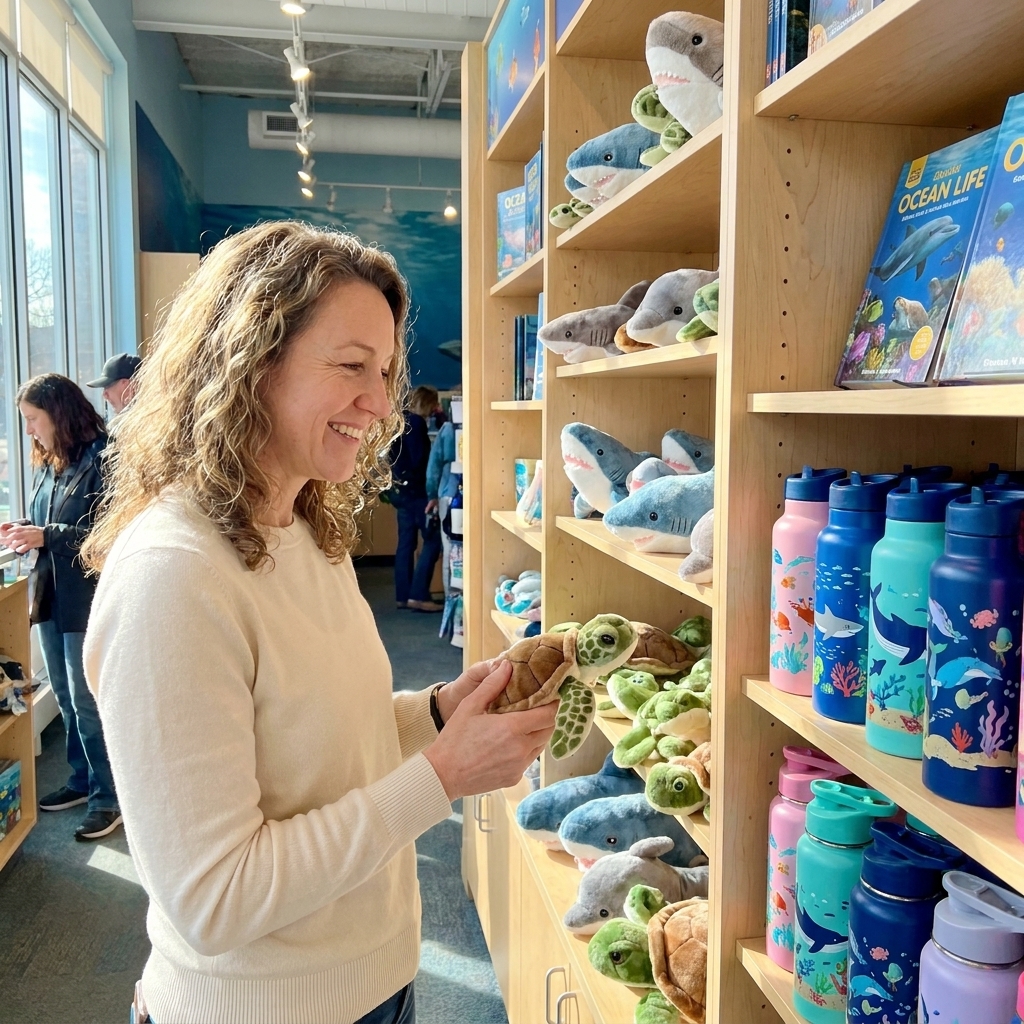
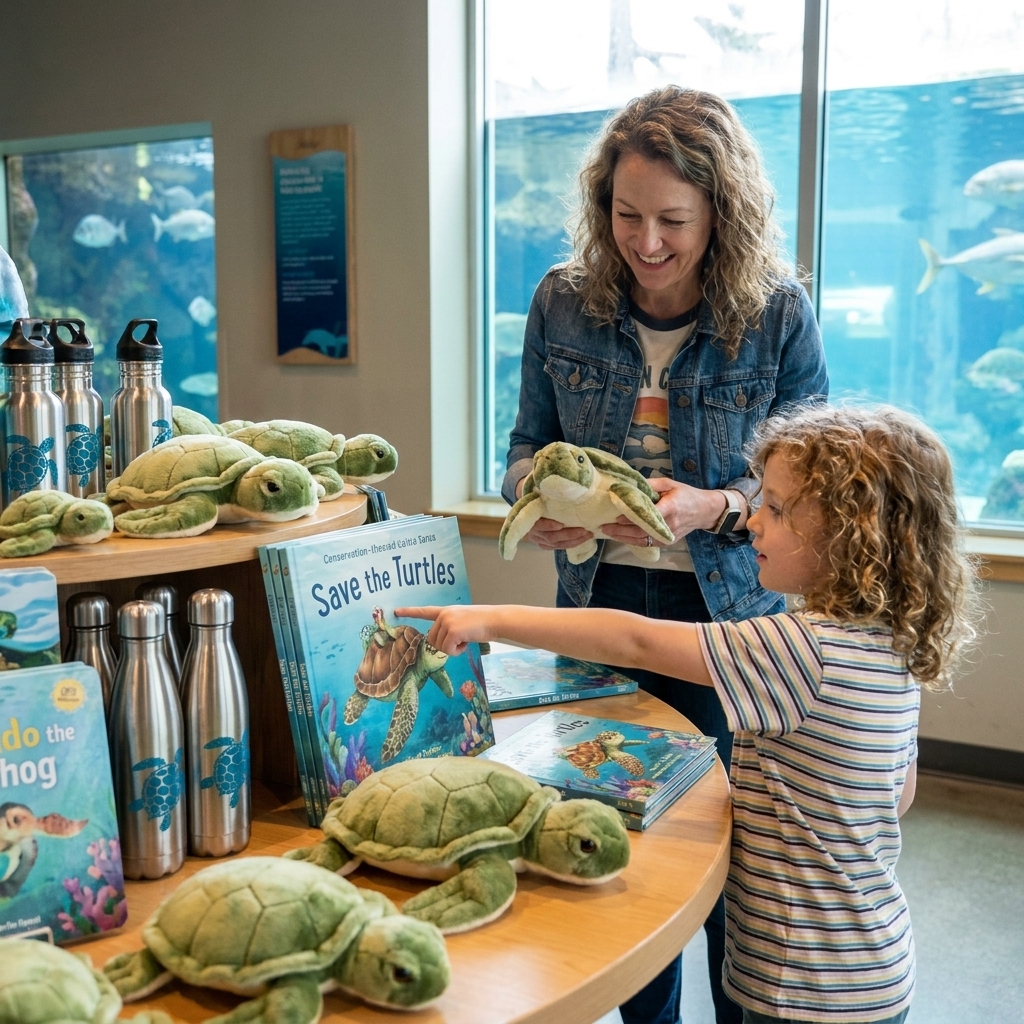
High-quality plush that matches a real species
Plushies can be surprisingly educational, as long as they aren’t just a generic “cute animal.” Look for realistic features, correct coloring, and a tag that includes:
- Common and scientific name
- Habitat range
- Diet and a fun fact
- Conservation status (bonus points if it’s current and sourced)
Best value moment: If your kid latched onto one animal all day, buy that animal. It becomes a memory anchor and a bedtime conversation starter.
Small true story: I once grabbed a “close enough” plush because it was cheaper, and my kid immediately called it out in the parking lot. Lesson learned. The accurate one got years of love and a lot more “tell me about this animal again” questions.
Books that go beyond the kids’ section
Gift shops often carry titles you won’t notice at big box stores, especially from conservation organizations and smaller publishers. My top picks:
- Field guides for your region (birds, reptiles, tidepools, insects)
- Junior naturalist notebooks with prompts for sketching and observation
- Animal behavior books written or curated by the institution
If you’re traveling, a local wildlife guide is a great trip extender. You start spotting things on the drive home and during future hikes.
Memberships and adoption programs
Not every zoo or aquarium sells these at the register, but many promote them nearby. If you’re even considering a return visit, price out:
- Annual memberships (these can pay for themselves in as few as 2 visits, depending on local pricing and perks)
- Behind-the-scenes tours (if offered)
- Symbolic animal adoptions (great for relatives who want to gift experiences)
It’s not as instantly gratifying as a plush, but it usually delivers the most long-term value and often supports the mission more directly.
Reusable, practical gear you’ll use weekly
My favorite “grown-up souvenir” category. Look for:
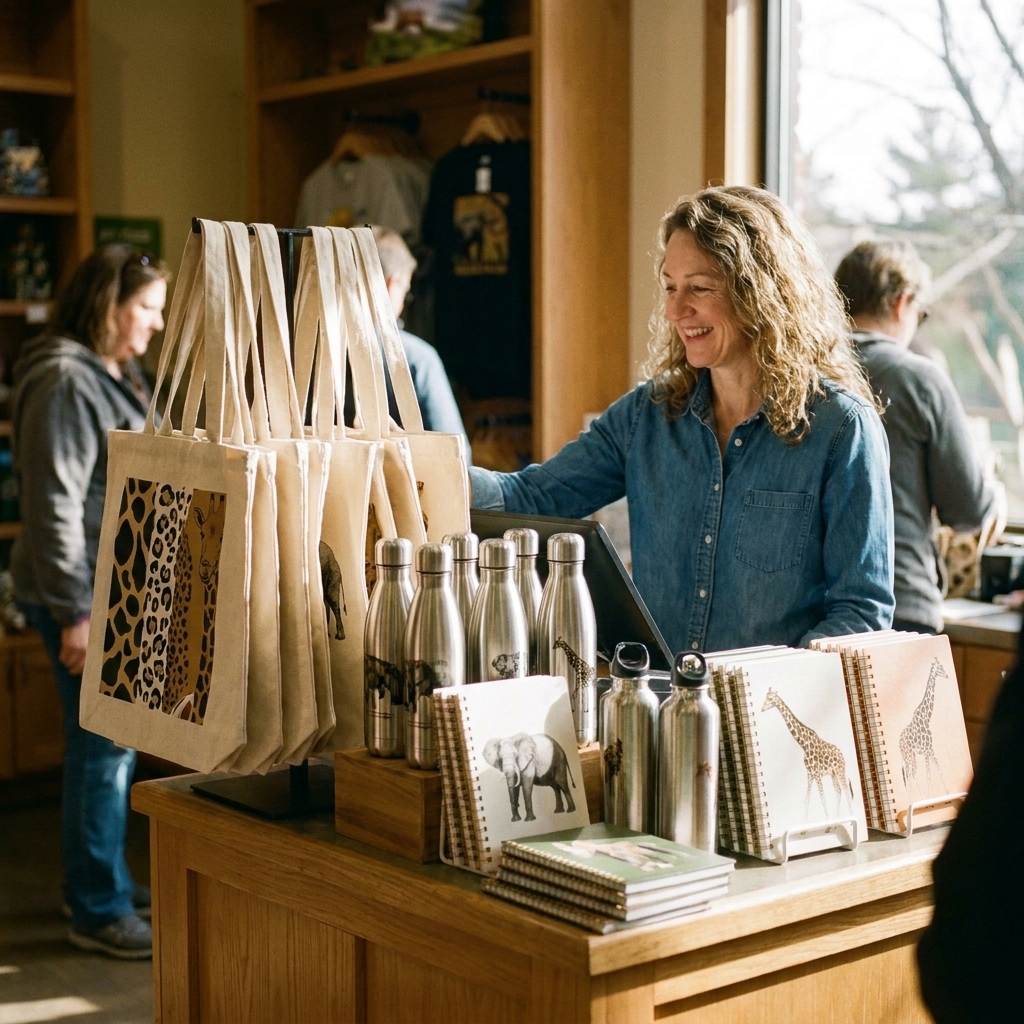
- Insulated water bottles or tumblers with a clean, non-peeling print
- Tote bags with reinforced stitching and a flat bottom
- Rain ponchos or compact umbrellas in regions with sudden showers
Quality check: If the print already looks slightly cracked on the shelf, it won’t survive dishwashers and beach days.
Buy it: eco-friendlier picks
Items with specific material details
Eco-friendly claims can be fuzzy, so I look for specifics on the tag: recycled PET fabric, FSC-certified paper or wood, organic cotton, or another clear third-party certification. Good options include:
- Recycled-fabric plush and backpacks
- FSC-certified journals, postcards, and puzzles
- Bamboo or stainless steel utensils and straws (only if you’ll use them)
Local goods that reflect the place
This is where gift shops can surprise you. Many partner with local makers for:
- Marine-inspired glass jewelry (genuine sea glass or tumbled glass, and not beach-scooped from protected areas)
- Handmade soaps with local scents
- Small-batch snacks like honey or chocolates
These feel less like “souvenir aisle” and more like a tiny marketplace. They’re also fantastic gifts because they’re tied to the attraction and the region.
Skip it: what usually disappoints
Generic logo trinkets
Keychains, fridge magnets, and pens can be fine, but many are identical across attractions with a different logo stamped on. If it isn’t specific to the animal exhibits you loved, it probably won’t feel meaningful later.
Exception: A magnet can be a sweet, cheap tradition if your family collects them from every trip.
Plastic “educational” toys that don’t teach anything
I’m talking about the mystery slime, the loud light-up spinners, and the “shark tooth” necklace made of flimsy plastic. They’re often overpriced, break quickly, and don’t connect to what your kid just learned.
If you want a toy, choose one that encourages pretend play linked to the exhibits: animal figurines with accurate markings, habitat playsets, or a simple tidepool exploration kit.
Novelty candy and bottled drinks (unless it’s local)
Gift shop snacks are a classic impulse buy, and they can add up fast. A couple of drinks, a themed candy, and one “just because” treat can quietly turn into an extra $20 to $40. If it’s something you can grab at a convenience store, skip it. If it’s a local treat or genuinely fun and themed, go for it as a car ride home reward.
Decor that doesn’t fit your real life
Wall plaques, random wooden signs, and bulky stuffed heads can feel charming in the moment, then awkward at home. If you’re a decor person, aim for smaller, timeless pieces:
- High-quality prints or postcards you can frame
- Minimalist ornaments
- One neutral, well-made throw blanket
Best value strategy
Set one souvenir rule before you enter
Pick a boundary that fits your group:
- One item per person (my favorite for families)
- One shared item for the household (like a puzzle or book)
- Spend limit with a little wiggle room for something truly special
Deciding early prevents the checkout line negotiations that can drain the fun out of the last 15 minutes.
Do a lap, then buy
If you can, treat the shop like an exhibit: browse once, note what you want, then circle back. The item you still want after five minutes is usually the right one.
Look for exhibit-specific and mission-tagged items
Anything tied to a current exhibit, conservation campaign, or rescue program is more likely to feel unique and personal. It also tends to be better curated than the generic rack near the front.
Three quick questions to ask staff
- Is this purchase tied to a specific program or fundraiser?
- Who makes this, and where is it made?
- What’s your return or exchange policy for this item?
Bonus travel tip: If you fall in love with something bulky, ask if the shop can ship it or if it’s available online through the official store. Not every place offers it, but when they do, it saves your suitcase.
Quality check in 30 seconds
- Fabric and stitching: seams look tight, no loose threads, plush feels dense not flimsy
- Print durability: screen-printed or heat-set graphics beat anything that looks like a thin sticker
- Paper goods: thicker stock, clean binding, no curling corners
- Safety: age labels are clear, small parts are secure (look for CPSIA or CE markings where relevant)
- Educational value: includes accurate animal details, not just cute branding
- Eco details: specific materials and certifications listed, not vague “green” language
Perfect picks by traveler type
Families
- One realistic plush tied to the kid’s favorite animal
- A junior naturalist notebook or sticker book with real species info
- A family puzzle featuring the habitat you explored
Couples
- A photo print or small art piece that feels display-worthy
- A locally made treat to share later
- A reusable bottle or tote you’ll actually keep using
Solo travelers
- A regional field guide for your next hike
- A clean, minimalist souvenir pin (if you collect them)
- A conservation donation add-on or adoption certificate
FAQ
Are zoo and aquarium gift shops more expensive than buying online?
Often, yes. You’re paying for convenience and, sometimes, for supporting the attraction. The best way to make it worth it is choosing items that are exclusive to the venue, clearly mission-supporting, or genuinely higher quality than what you’d pick up elsewhere.
What’s the most meaningful souvenir?
A book, a membership, or an adoption program is usually the most lasting. For kids, a realistic plush linked to their favorite animal tends to become a comfort item and a learning tool.
How do I find eco-friendly souvenirs that aren’t just marketing?
Look for specific material callouts (recycled PET, FSC-certified paper or wood, organic cotton) and clear information about partners or conservation programs. If the tag is vague, ask staff. The good shops are proud to explain.
If you want one simple rule to take into the shop with you: buy the thing that helps you remember what you learned today, and skip the stuff that’ll be forgotten in the car by tomorrow.
And if you’re traveling with kids, my favorite move is letting them pick one keeper souvenir, then snapping a photo of the rest of their wish list. You still honor the excitement, and your suitcase stays sane.