Botanical gardens are my favorite kind of “do something” day. They feel adventurous without being exhausting, romantic without being fussy, and kid-friendly without requiring you to schedule every minute. The trick is planning like a garden insider: show up at the right time for blooms, dress for microclimates, and build your route around the garden’s natural flow.
Whether you’re going solo with a podcast, wrangling a stroller, or planning a low-key date, this is my go-to blueprint for a botanical garden day trip that feels effortless and full.
Pick the right day and time
Timing is everything at a botanical garden. The same place can feel totally different depending on season, weather, and even the time of day.
Go early for cooler temps and calmer paths
If you can, aim to arrive within the first hour after opening. You will get:
- Better parking and shorter entry lines
- Cooler temperatures and less glare for photos
- More active wildlife like birds, plus butterflies depending on sun and temperature
- That quiet, fresh “garden just woke up” vibe
Chase seasonal blooms, not just a date on the calendar
Peak bloom windows move around year to year. Before you commit, check the garden’s website or social pages for bloom updates, “what’s in flower,” or a bloom report. If they have a phone line or recorded message, even better. My planning rule: trust the bloom report over your group chat’s assumptions.
General seasonal patterns to plan around:
- Spring: tulips, cherry blossoms, magnolias, azaleas, wildflowers
- Summer: roses, lilies, lotus, tropical conservatories, butterfly houses
- Fall: mums, dahlias, asters, ornamental grasses, foliage color
- Winter: conservatories, camellias (in milder climates), holiday light events
Watch the weather like a planner, not a pessimist
Light overcast days can be perfect: cooler walking, soft lighting for photos, and often fewer crowds. After a rain, gardens can be stunning, but bring shoes you can hose off later and expect some muddy shortcuts to be closed.
Do 10 minutes of research
This is the difference between a peaceful wander and walking three miles before you find the bathrooms.
Start with the garden map
Most gardens have a downloadable map. Open it once and identify:
- Main entrance and closest restrooms (look for the restroom icons so you can bail out fast if needed)
- Cafés, snack kiosks, picnic lawns
- Must-see areas (rose garden, Japanese garden, desert house, children’s garden)
- Shuttles, trams, or rental scooters if offered
Then build a simple flow:
- First hour: your top priority zone before it gets busy
- Middle: long scenic loops and conservatories
- Late: gift shop, café, and your “bonus” gardens if you still have energy
Check what needs timed entry
Some gardens have timed tickets for special exhibits, butterfly houses, holiday lights, or conservatories during peak season. Book ahead if you can.
Also check whether you need to reserve online even for general admission, and whether there are peak-time surcharges on weekends or holidays. I like to book the earliest slot I can, then plan the rest of the day around it.
Scan the event calendar
Look for free guided walks, seasonal festivals, live music, or family craft stations. If you are visiting with kids, those scheduled mini-activities can be a lifesaver for attention spans.
What to pack
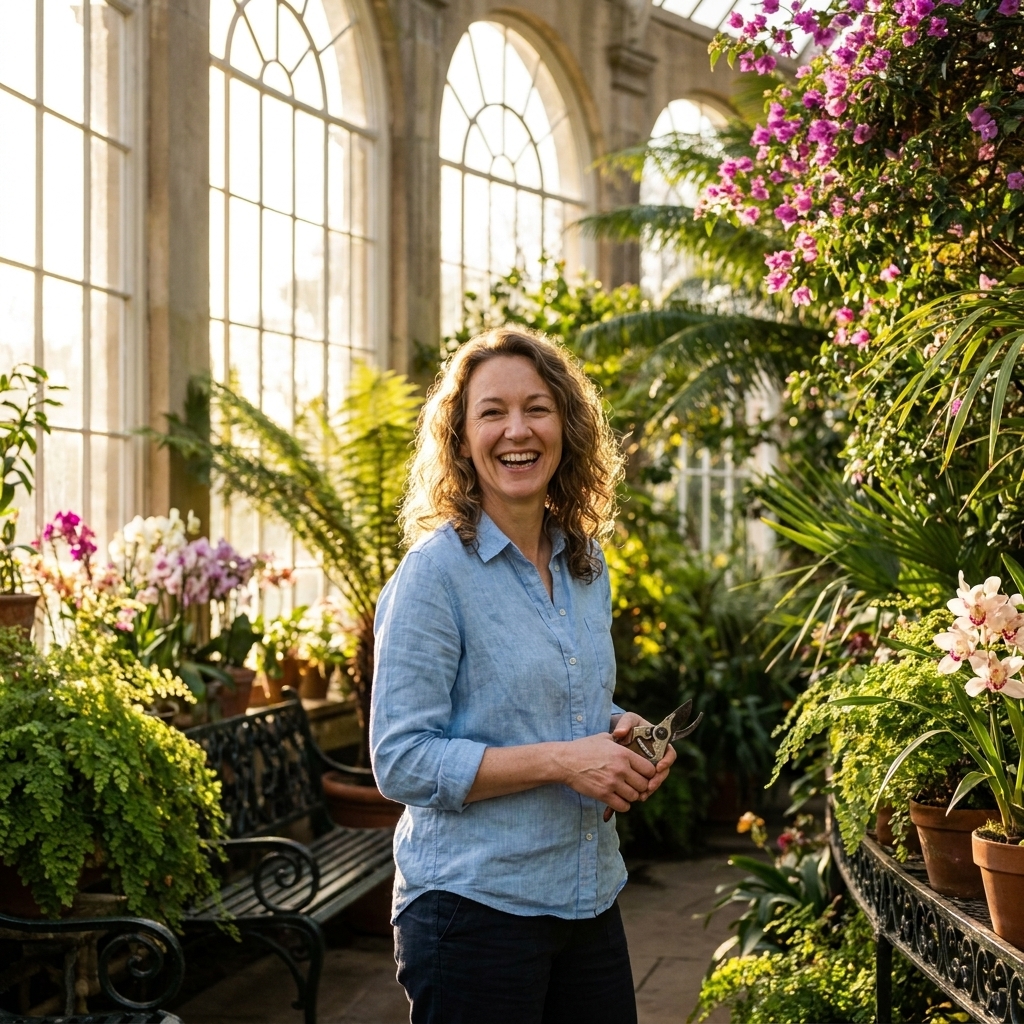
Botanical gardens are basically “choose your own microclimate.” A shady woodland trail can feel ten degrees cooler than an open meadow, and conservatories can be warm and humid even in winter.
Essentials
- Comfortable walking shoes: paths can switch from pavement to gravel to boardwalks
- Refillable water bottle: hydration makes everything more pleasant (and you can top off at refill stations if the garden has them)
- Sun protection: sunscreen, hat, sunglasses
- Light layer: especially if you will visit indoor conservatories
- Small snack: for the “we should have eaten” moment
- Portable phone charger: maps and photos can drain your battery fast
Nice-to-haves that feel genius later
- Bug spray or wipes: especially near water features
- Hand sanitizer and tissues: not every restroom is equally stocked
- Foldable tote: for gift shop finds or shedding a layer
- Rain shell or compact umbrella: quick showers happen
- Binoculars: for birding areas or wetlands
If you are bringing kids
- Stroller fan in warm months
- Extra socks if there are splash areas
- Simple scavenger hunt list (more on that below)
Foodie note: If the garden allows picnics, pack something that travels well and feels like a treat. Think cut fruit, sandwiches, sparkling water, and one “dessert surprise.” Gardens and a little picnic feel like vacation energy.
Heat and humidity note: On hot days or in steamy conservatories, plan extra shade breaks, drink more than you think you need, and step outside if anyone starts feeling woozy. It is supposed to feel refreshing, not like a survival challenge.
Build a relaxing itinerary
People sometimes over-schedule gardens, which is funny because gardens are literally designed for lingering. Here are a few itinerary templates that work in most cities.
The classic 3 to 4 hour visit
- Arrival: restroom break, quick map check, first photos while everything is fresh
- Top priority garden: go straight there first
- Long loop: follow one main path and let the garden guide you
- Conservatory: mid-visit when you want a temperature change and a reset
- Snack or café stop: before your final section
- Final wander: gift shop, viewpoint, or sensory garden
The full-day mini getaway
- Morning: highlights and the most popular areas
- Lunch: on-site café or picnic lawn
- Early afternoon: guided tour, tram ride, or exhibit
- Late afternoon: quiet zones like woodland trails or arboretum sections
- Golden hour: pick one photogenic spot and slow down
My favorite pacing trick: the two-bench rule
Pick two scenic benches or rest spots on the map and make them intentional breaks. It prevents the “we walked the whole time and forgot to enjoy it” problem. If you are on a date, those bench moments are where the best conversations happen.
See more, stress less
Botanical gardens can be deceptively huge. Here’s how I maximize a visit without turning it into a marathon.
Use a highlight-first strategy
Choose three must-sees before you arrive. Not ten. Three. Everything else becomes a pleasant bonus.
Follow paths and skip backtracking
Many gardens are designed with loops that bring you back near major hubs like restrooms and cafés, but not all of them. If you find yourself retracing your steps for more than five minutes, pause, check the map, and reroute.
Mix outdoor sections with indoor exhibits
Alternating keeps everyone happier, especially in extreme heat, cold, or humidity. Conservatories can be a great reset point, but they can also be busy midday. If crowds are your nemesis, aim for them early, later in the afternoon, or during off-peak days.
Ask staff what is peaking today
Garden staff and volunteers love a good “What’s your favorite thing blooming right now?” question. It is the quickest way to find that one section that is quietly spectacular.
Make it special
Same garden, totally different day depending on who you are with. Here are a few easy ways to tailor your trip.
For families
- Do a photo scavenger hunt: find a red flower, a fountain, a butterfly, a funny-shaped leaf, a giant cactus
- Start with the children’s garden: burn off energy early
- Plan a snack break before meltdowns: proactive is the move
For couples
- Pick one wow spot for photos: rose garden, reflecting pool, or overlook
- Share a small treat: coffee and pastry counts as a date upgrade
- End in a quiet section: arboretums and woodland paths feel private even in busy gardens
For solo explorers
- Bring a lightweight notebook: jot down plant names or little observations
- Take the guided tour: instant community and you learn more than you think
- Set a theme: textures, colors, pollinators, or “plants I want at home”
Photo tips
You do not need fancy gear to capture that “I had the best day” feeling.
- Chase soft light: morning and late afternoon are the most flattering
- Use paths as leading lines: stand low and let the walkway guide the eye
- Look for contrast: a bright bloom against deep green leaves always pops
- Step back for scale: include a person or a bench to show how big that tree or conservatory is
- Be mindful: stay on paths, avoid trampling borders for “the shot,” and respect quiet areas

If your garden labels plants, snap a quick picture of the label after your flower close-up. It makes your camera roll surprisingly useful later.
Garden etiquette
A quick etiquette refresher keeps gardens beautiful and keeps staff from having to be the bad guy:
- Do not pick flowers or take cuttings: even “just one” is still a no
- Respect ropes and closed signs: they are protecting plants, nesting wildlife, or restoration work
- Keep voices low indoors: conservatories and orchid rooms get echo-y fast
- Skip the drone: most gardens prohibit drones, and rules are usually strict
- Leave no trace: pack out trash and keep food to allowed areas
Budget and comfort hacks
Once you have the basics down, a few small choices can make the day cheaper and more comfortable without draining the fun out of it.
- Look for free days: many gardens offer community access days or discounted evenings
- Consider membership if you will go twice: at many gardens, two visits can come close to the cost of annual membership, and perks sometimes include parking or guest passes. Check the pricing before you commit.
- Pack your water and snacks: café stops are fun, but you do not need to buy every drink
- Arrive early to avoid paid overflow parking: popular weekends fill up fast
- Use transit if it’s easy: you skip parking and arrive more relaxed
One more comfort note: check accessibility resources ahead of time. Many gardens list trail surfaces, steep areas, scooter rentals, and quiet zones. If you use a mobility aid, it can also help to confirm ADA routes, elevator locations in conservatories, and the easiest entrance for drop-off. It is not over-planning, it is setting yourself up for a smoother day.
Quick planning checklist
- Confirm hours, tickets, and any timed entries or reservations
- Check bloom updates and weather
- Download the map and pick three must-sees
- Pack water, sun protection, a layer, and comfortable shoes
- Plan one snack break and two bench breaks
- Leave a little time for the gift shop, it is part of the fun
FAQ
How long should I plan to spend at a botanical garden?
For most gardens, 3 to 4 hours feels ideal. Smaller city gardens can be a great 1.5 to 2 hour outing, while major botanical gardens with conservatories and tram loops can easily fill a full day.
What should I wear to a botanical garden?
Think breathable layers and walkable shoes. I default to sneakers or comfy sandals with traction, a sun hat, and a light jacket or cardigan for shaded areas and conservatories.
Are botanical gardens good in the rain?
Yes, especially if the garden has a conservatory. Light rain can make colors richer and crowds smaller. Just expect some paths to be slick and bring a rain shell.
Can I bring food?
It depends on the garden. Many allow picnics in designated lawns but not inside conservatories. Check the rules before you pack, and always plan to pack out your trash.
How do I know what is blooming?
Look for a “bloom report” or “today in the garden” update on the garden’s website or social channels. If you are traveling from out of town, call ahead. Staff usually know what is peaking right now.