Immersive art can be magical. It can also be expensive, crowded, and a little too “we put a projector on it” for the price of admission. After years of planning experiences for groups and personally chasing the best kind of awe, I’ve learned to judge these attractions by three things: does it feel truly interactive, is the flow manageable, and will you leave with memories and photos you actually love.
Below are 10 immersive art experiences that, in my opinion, are actually worth paying for. I’m calling out what you get for the cost, what waits can look like, and the best spots for photos, plus a few planner-style hacks to make your visit smoother.
Quick note before we dive in: immersive venues change fast. Locations move, shows rotate, and “new” openings shift. Where details can change, I’m flagging it so you can verify before you commit.
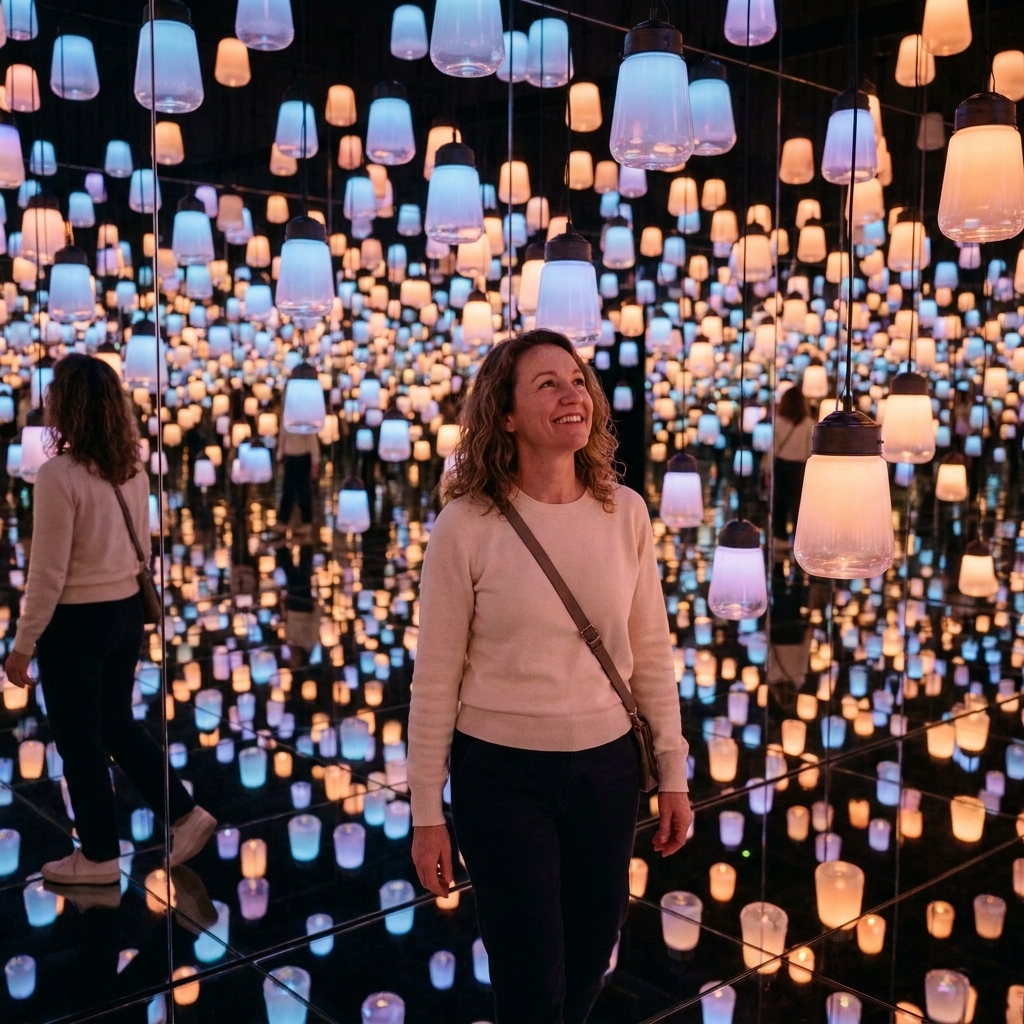
How this list was picked
I picked venues that reliably hit at least two of these three: meaningful interactivity (not just posing), decent crowd flow for the format, and photo outcomes that feel like memories rather than proof-you-went content. I also weighted places where you can stay long enough to justify the ticket.
Quick ticket reality check
- Price range: Expect roughly $25 to $60+ per ticket depending on city, demand, and whether it is peak season. Some premium venues can push higher. Prices change often, so I focus on value and time-on-site rather than exact dollars.
- Wait times: Even with timed tickets, you can still wait at chokepoints inside. Small rooms, mirrored spaces, and interactive sensors tend to bottleneck.
- Timed entry is not a suggestion: Many venues enforce entry windows and may limit late arrivals. Plan to show up 10 to 20 minutes early so your ticket does not become a stress test.
- Photo rule of thumb: If an exhibit is mirror-heavy or low light, your best “worth it” photos come from arriving early, wearing non-reflective clothing, and using your phone’s night mode carefully.
Before you go
- Status check: Always confirm the venue address and open dates the week you book. This matters most for teamLab venues and new launches.
- Accessibility and sensory: Many immersive spaces include low light, loud audio, tight passages, mirrored rooms, fog, or flashing effects. If you are sensitive to strobe-like moments, crowds, or disorientation, look for “sensory guide” pages and ask staff which rooms to skip.
- Bags and lockers: Big bags slow you down and make narrow corridors miserable. If lockers are offered, use them. If not, bring the smallest crossbody you can tolerate.
- Re-entry and amenities: Some venues do not allow re-entry once you exit. If you need breaks, identify restrooms and quiet corners early so you do not have to bail out completely.
Fast accessibility checklist
- Mobility: Meow Wolf locations often include tight portals, uneven surfaces, and optional crawl-through areas. You can still have a great visit without crawling, but expect occasional detours. Ask staff for the most accessible route at entry.
- Water and barefoot: teamLab Planets is commonly experienced barefoot and includes water. If that is a dealbreaker, plan accordingly or choose Borderless instead.
- Light and sound: Projection venues and digital spaces can include bright flashes, strong bass, and reflective surfaces. If migraines or vertigo are a concern, bring earplugs and skip the most intense rooms.
- Kids: “Immersive” does not always mean touchable. Set expectations before you walk in.
1) teamLab Borderless (Tokyo, Japan)
Why it’s worth it: If you’ve ever wanted to feel like you stepped inside a living painting, this is the gold standard. The artwork moves between rooms, reacts to people, and rewards wandering without a strict path. It’s not just pretty. It’s engineered to make you curious.
Verify before you go: Borderless reopened in Tokyo at a new venue. As of my last update, it is associated with Azabudai Hills, but venues and access details can change. Confirm the current address, nearest transit stop, entry rules, and hours on the official site before you commit.
- Price value: High. Plan to stay 2 to 4 hours to get your money’s worth.
- Typical waits: Moderate at entry, then pockets of waiting for the headline rooms. The pinch points usually show up where mirrored spaces limit capacity.
- Best photo ops: Lantern-style installations, mirrored rooms, and transitional hallways where the projection spills outward and the crowd thins.
- Planning hack: Arrive at your earliest available time slot and head to the biggest-name rooms first. Then loop back when the crowd spreads out. If you see a line that looks like it will stall your momentum, mark the room mentally and catch it on your second pass.
2) teamLab Planets (Tokyo, Japan)
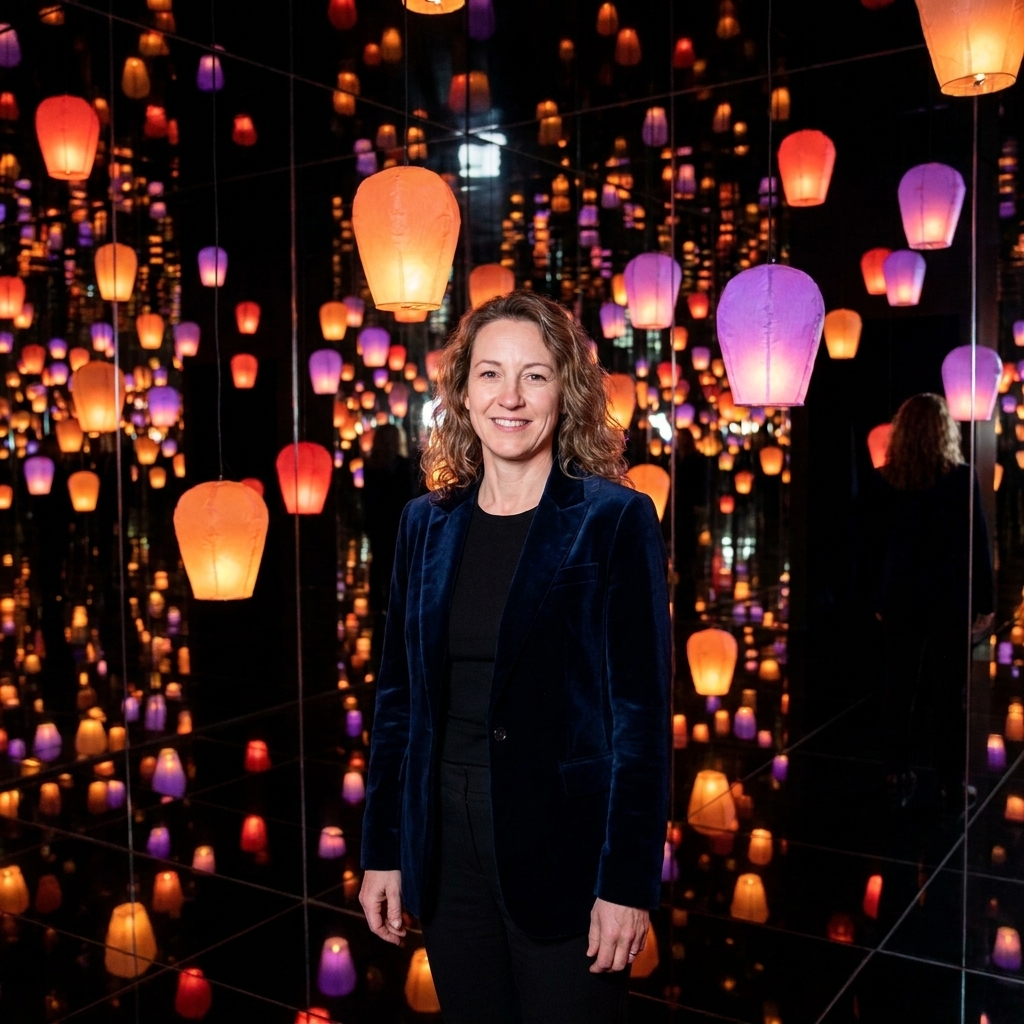
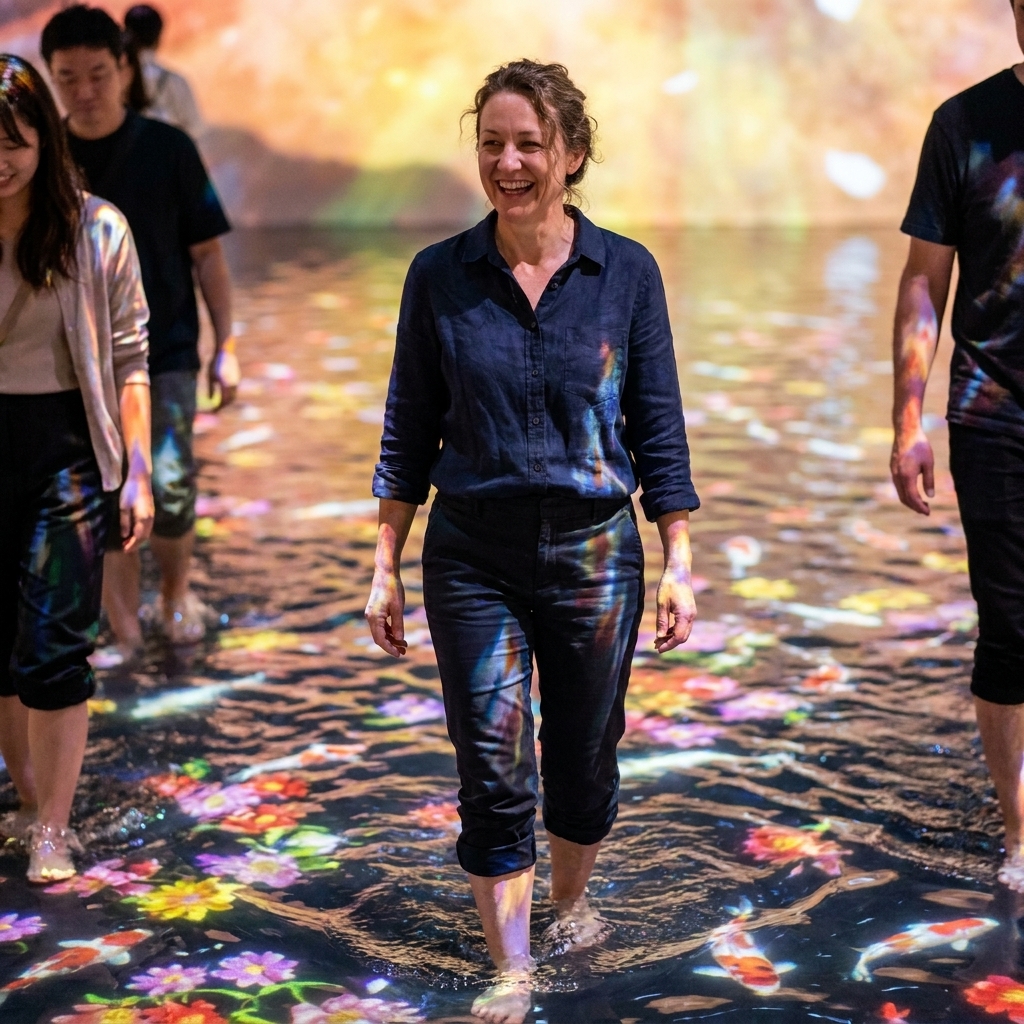
Why it’s worth it: Planets is more linear and more sensory. You’ll wade through water, feel different floor textures, and move through environments designed to make your whole body part of the piece. It’s immersive in the literal sense, which is why it sticks with you.
Verify before you go: Policies can shift, but this venue is commonly experienced barefoot and includes water elements. Confirm current towel and drying-station details, clothing guidance (especially for skirts or wide-leg pants), and any rules about lockers or phone lanyards on the official site.
- Price value: High if you like tactile experiences and do not mind getting a little damp.
- Typical waits: Moderate. Timed entry helps, but the pace is set by the slowest groups in narrow sequences.
- Best photo ops: Reflection-heavy rooms, the floating spheres, and the water sequence if you are comfortable shooting in low light.
- Planning hack: Dress for movement and for the reality of water. Skip anything that drags or flares. If damp ankles make you miserable, plan to use the venue’s drying stations and bring socks for afterward if allowed.
3) Meow Wolf: House of Eternal Return (Santa Fe, New Mexico)
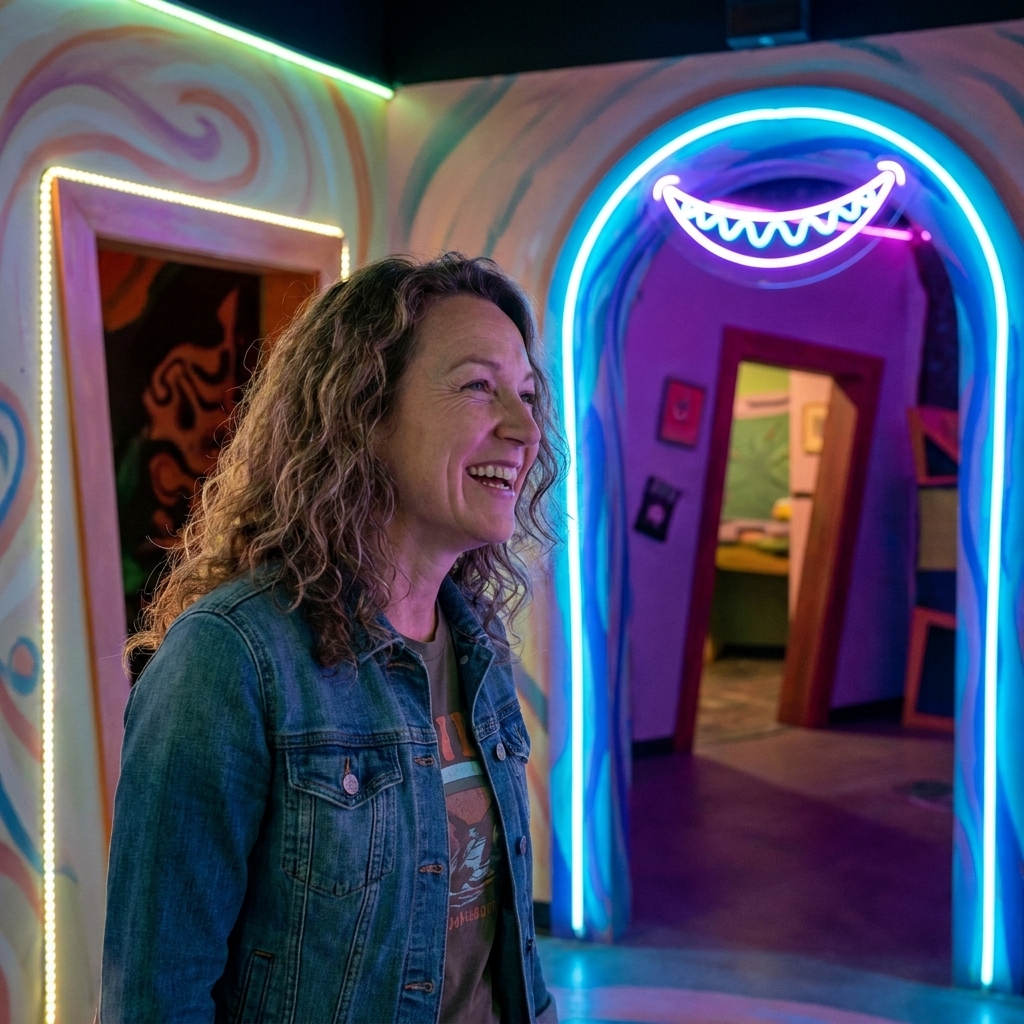
Why it’s worth it: This is the place I point to when someone asks, “Is immersive art just a photo backdrop?” Not here. It’s a story-world you crawl through, with secrets, hidden passages, and rooms that feel handcrafted and weird in the best way.
- Price value: Very high. You can spend half a day exploring and still miss things.
- Typical waits: Can be high on weekends and holidays. Earlier entry is calmer, and the first hour often feels more navigable for kids and photos.
- Best photo ops: Neon rooms, the “normal” house façade, and tunnel-like passages that naturally frame you.
- Planning hack: Decide your goal before you go: photo loop or story hunt. Trying to do both from the start makes groups scatter fast. If you are with kids or a big crew, pick a meeting spot early. Cell service can be unreliable in dense indoor spaces.
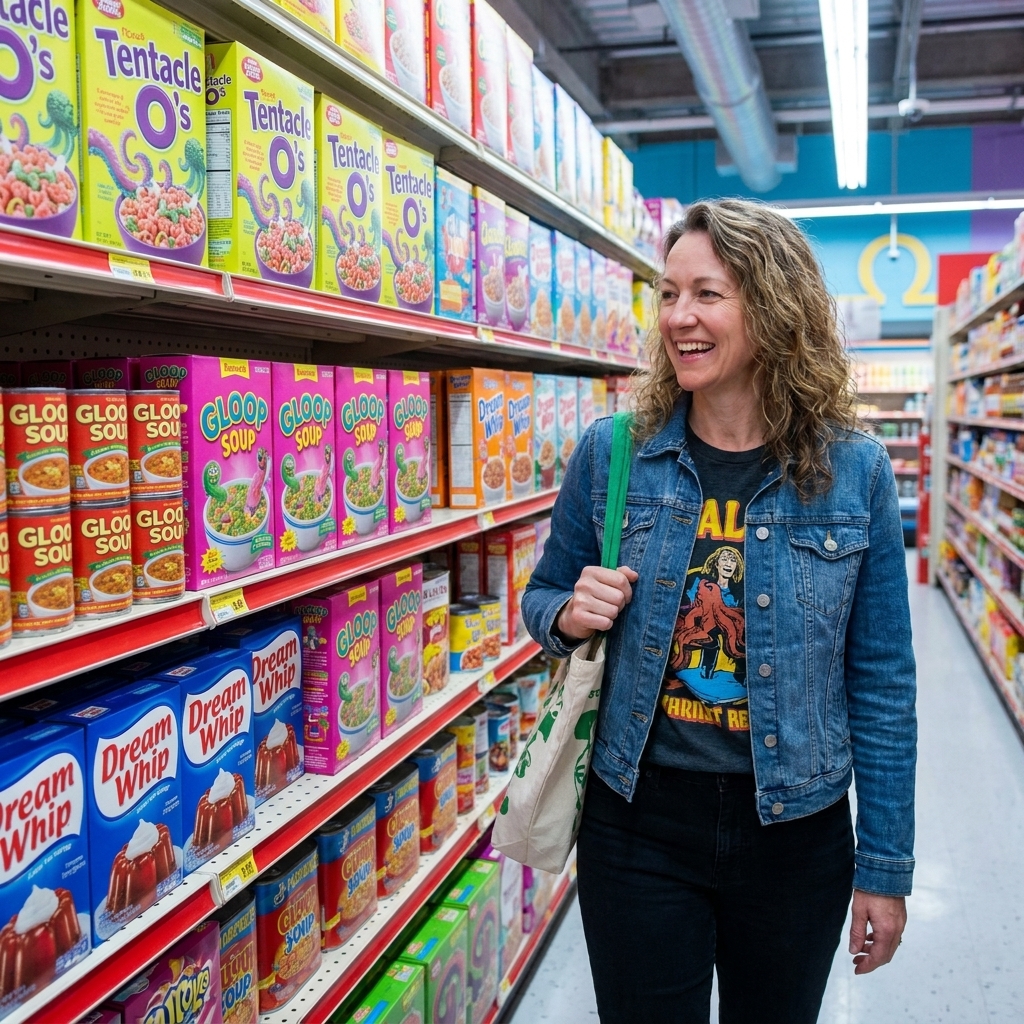
4) Meow Wolf: Omega Mart (Las Vegas, Nevada)
Why it’s worth it: It’s a grocery store that is not a grocery store, and the humor is baked into every aisle. Omega Mart blends comedy, mystery, and mind-bending environments, and it handles big crowds better than you’d expect for Vegas.
- Price value: High. The density of detail is wild, and the story layer is there if you want it.
- Typical waits: Moderate to high depending on time of day. Evenings can surge, and the tightest pinch is often at the transition zones into the back-of-house worlds.
- Best photo ops: The parody product aisles for bright, readable shots, plus the dramatic portals into the stranger spaces behind the store.
- Planning hack: For cleaner photos, go on a weekday and aim for the first entry block. For full neon energy, go later, but accept more people in-frame. If your group gets overwhelmed by noise and visual chaos, build in a reset moment outside the main aisle grid before you push deeper.
5) Meow Wolf: The Real Unreal (Grapevine, Texas)
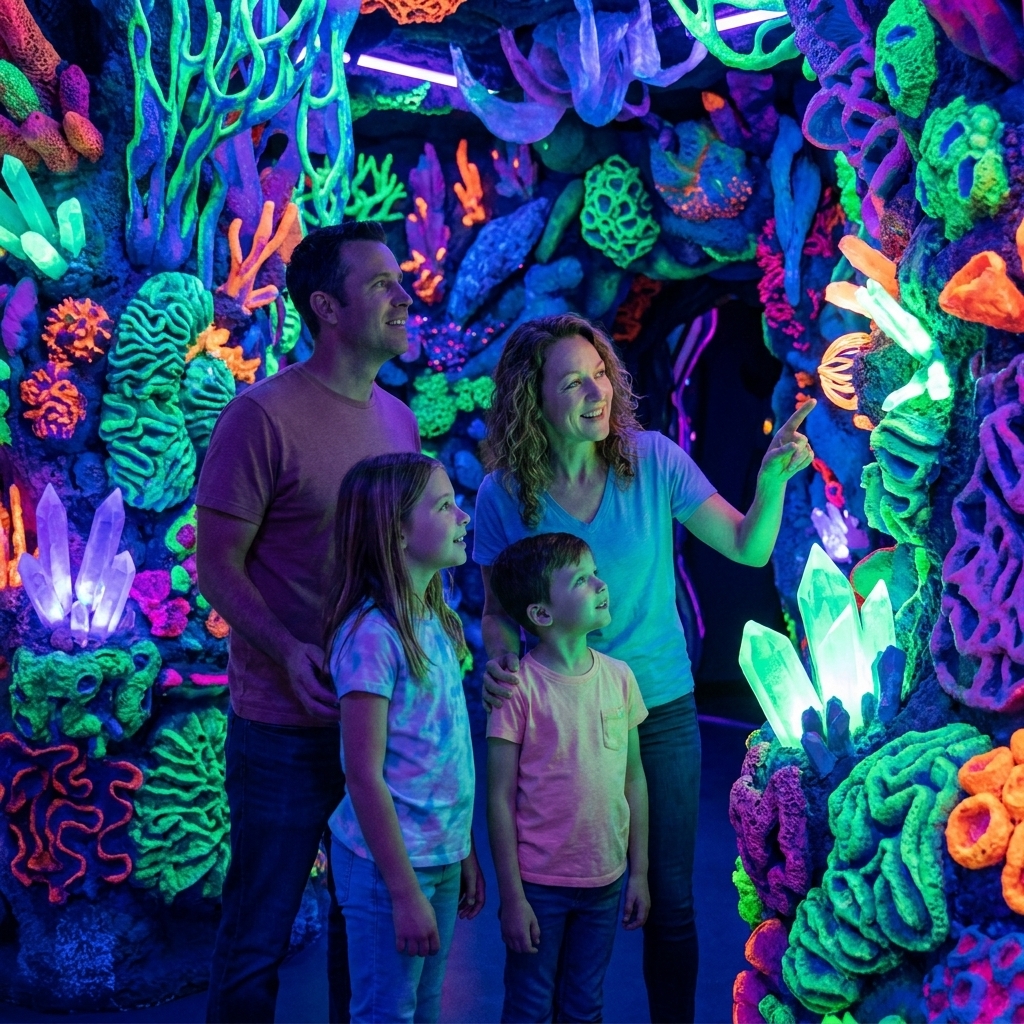
Why it’s worth it: This one balances the Meow Wolf weirdness with a more family-friendly flow. It’s still packed with portals, sound, and interactive details, but it’s easier to navigate with kids or a multi-generational crew.
- Price value: High for families, especially if you plan to explore slowly.
- Typical waits: Moderate on weekends, lighter midweek. The tightest moments tend to happen in portal corridors where people stop to decide which path is “right.”
- Best photo ops: Color-drenched rooms with strong lighting and layered textures that give your shots instant depth.
- Planning hack: Build in a snack break before you go in. You will lose track of time inside and suddenly everyone is hungry at once. If someone in your group is mobility-limited, ask staff for the easiest route first so you do not backtrack through tight portals.
6) Atelier des Lumières (Paris, France)
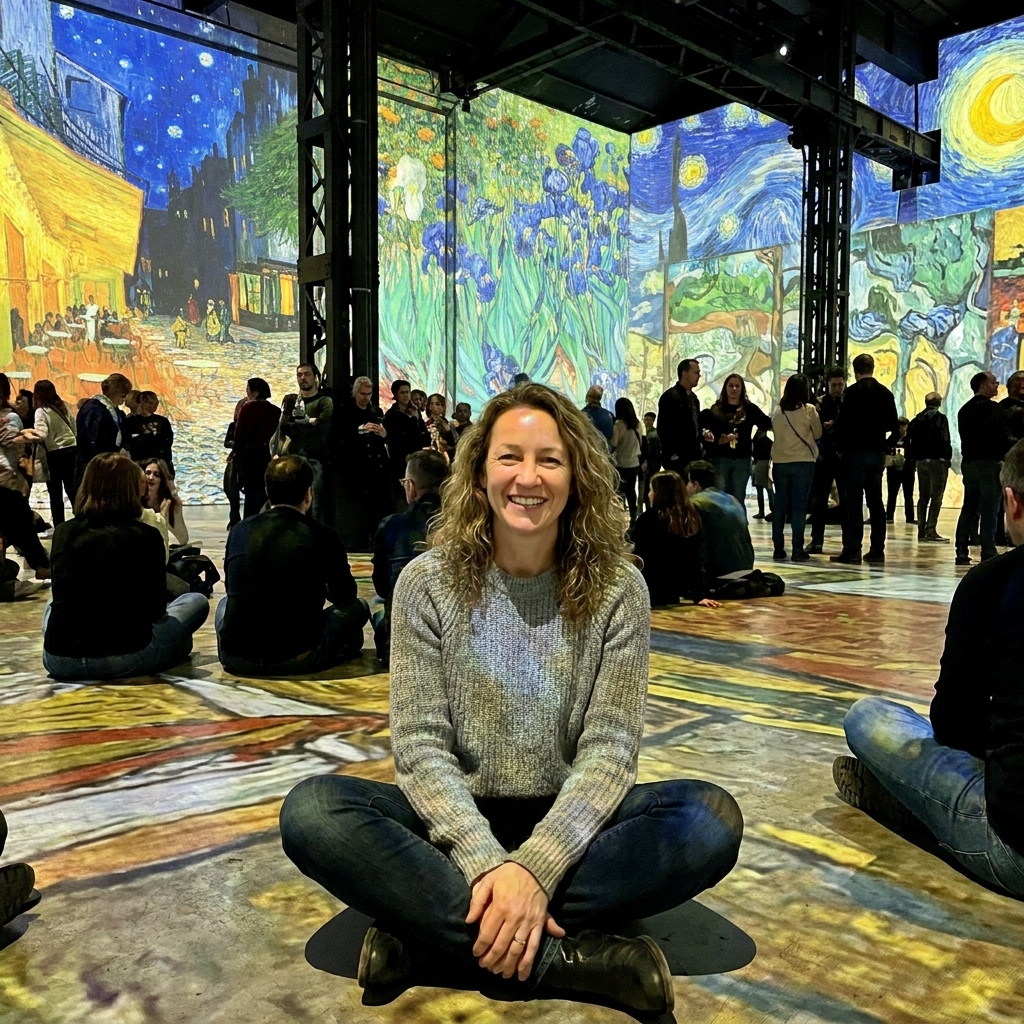
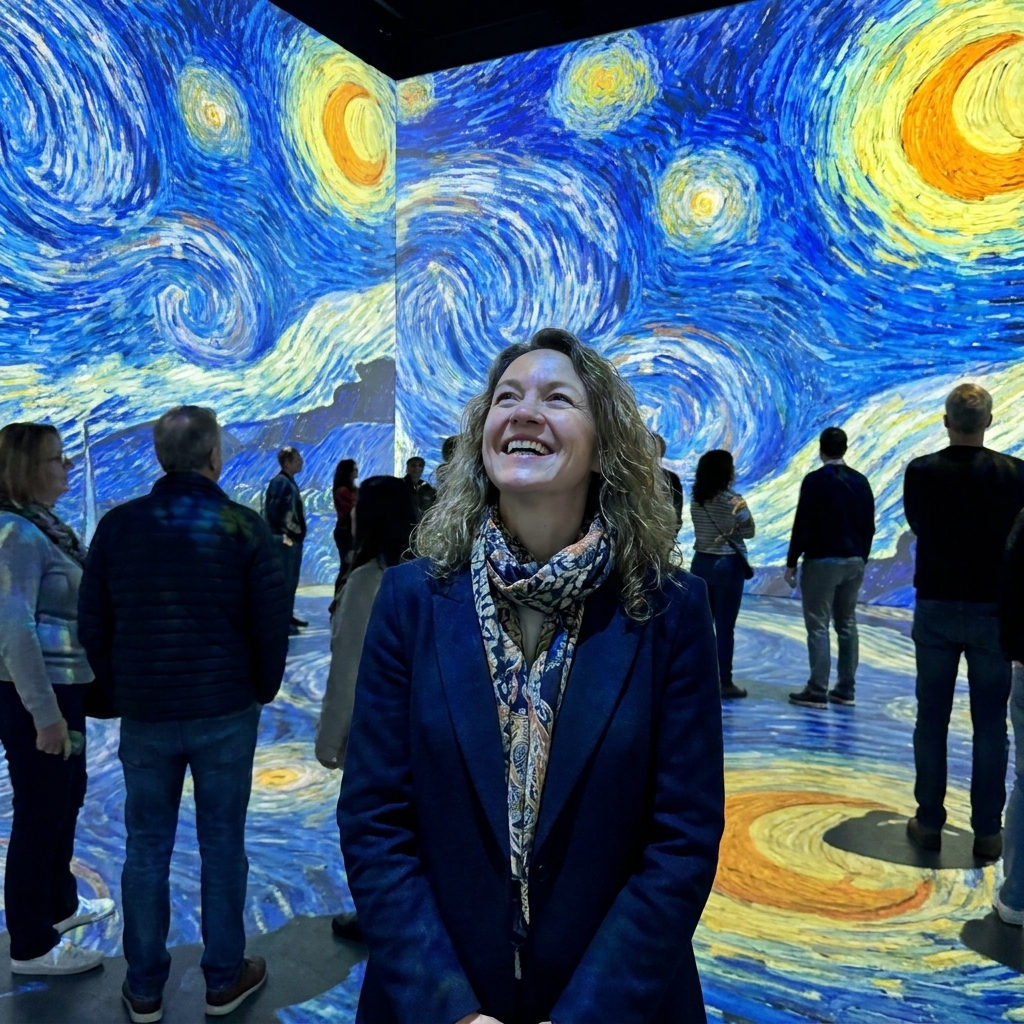
Why it’s worth it: If you want sweeping, cinematic projection done right, this venue nails scale and atmosphere. The space is industrial and dramatic, and the shows feel like you’re inside a moving mural. It’s less interactive than some on this list, but it delivers on mood and pacing.
- Price value: Strong for couples and art lovers who want a calmer pace and a clear start-to-finish program.
- Typical waits: Moderate. Timed entry can still stack at the door when a new wave arrives.
- Best photo ops: Wide shots that capture projections on walls and floor, plus silhouettes of people for scale.
- Planning hack: If you want video clips, plant yourself near a corner and let the room rotate around you. Your footage looks steadier and more intentional. If you are crowd-sensitive, wait a few minutes after the entry wave so people spread out and stop clustering at the center.
7) ARTECHOUSE (US locations)
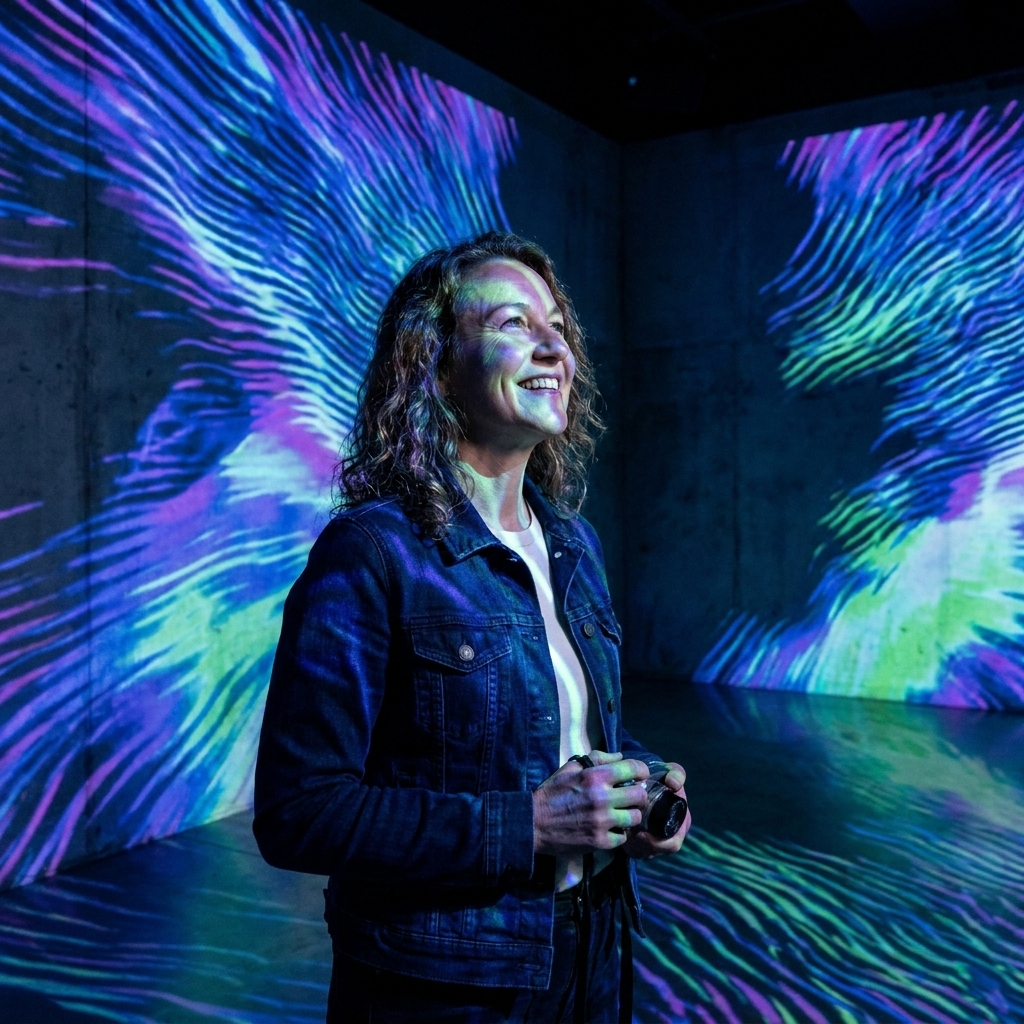
Why it’s worth it: ARTECHOUSE tends to be tech-forward with crisp visuals, strong sound design, and spaces built specifically for digital work. When the current show is a hit, it feels like stepping into a responsive light sculpture rather than watching a loop on a wall.
Verify before you go: Their city footprint and exhibit schedule can change. Check the official site for current locations, dates, and whether your ticket includes any timed entry rules or peak-hour restrictions.
- Price value: Good to high depending on the exhibit. Read the current show description before you buy.
- Typical waits: Usually manageable with timed entry, but weekends can bottleneck around the most interactive features where people pause for longer photos.
- Best photo ops: Rooms with clean color fields, geometric light, and high contrast that makes portraits pop.
- Planning hack: Late afternoon often hits the sweet spot: fewer school groups and a calmer flow. If you want a clean shot, let the first surge move on, then circle back. You will be surprised how quickly a crowded room clears once people get their first “wow.”
8) Superblue (Miami, Florida)
Why it’s worth it: Superblue is what I recommend to friends who want museum-caliber installations that still feel playful and immersive. The curation tends to be thoughtful, the spaces are designed for the work, and the experience usually feels substantial rather than gimmicky.
Reality check: Exhibits rotate. Superblue has featured major immersive artists, and you should treat the current lineup as the deciding factor. If you are on the fence, peek at what is on view right now and see if it matches your taste.
- Price value: High when the lineup clicks for you. This is one of the better “quality per minute” tickets in the category.
- Typical waits: Moderate, especially for mirrored rooms and any installation that limits capacity for safety or timing.
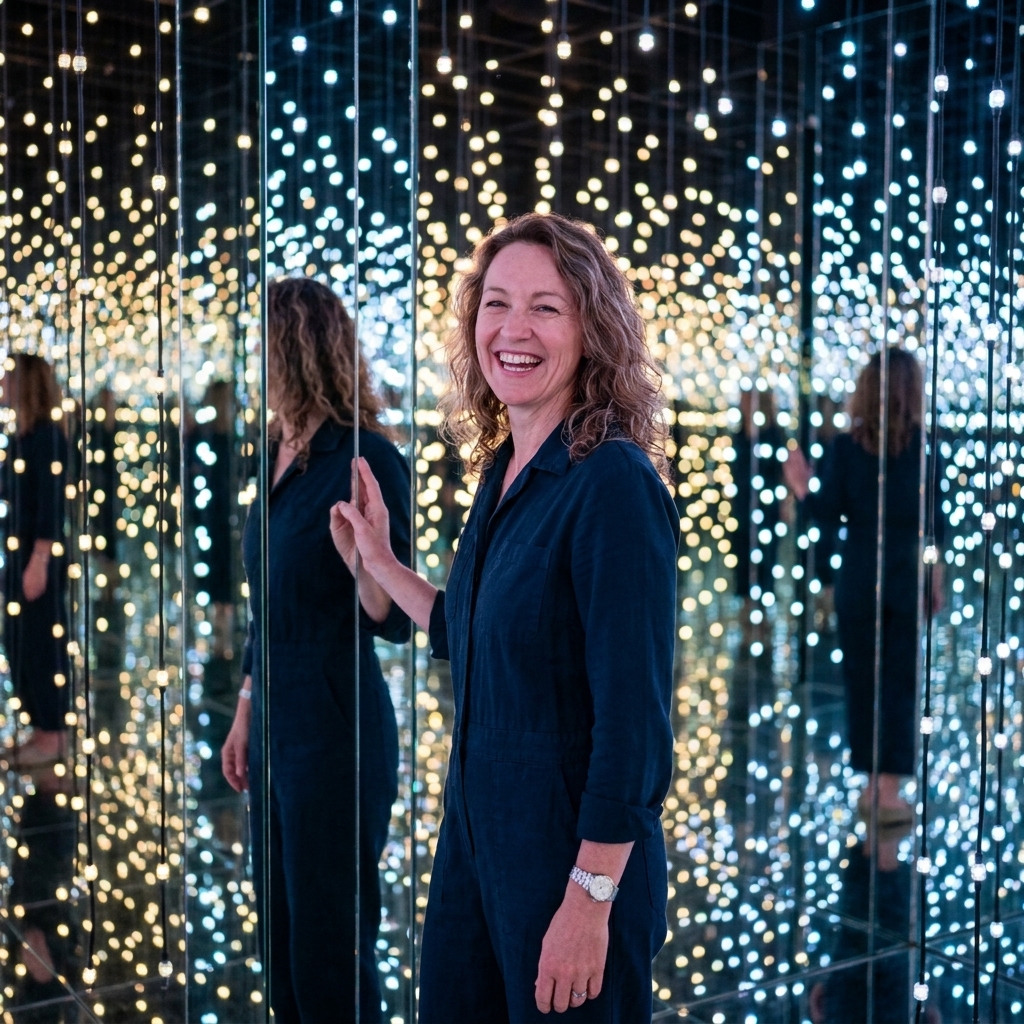
- Best photo ops: Mirror environments, light corridors, and repeating patterns that create depth and symmetry.
- Planning hack: Wear solid colors. Busy prints can look chaotic against high-frequency light patterns. For fewer strangers in the background, pause at the entrance to a popular room and wait 60 to 90 seconds. One group exits, the next group pushes forward, and you get a brief pocket of space.
9) Frameless (London, United Kingdom)
Why it’s worth it: Frameless is projection-forward, but with enough room variety and pacing that it does not feel like one long screensaver. It’s especially good if your group includes people who love classic art but are skeptical about “immersive” anything.
Verify before you go: Confirm the current address, entry instructions, and late-arrival policy when you book. London venues can be very specific about timed entry and what happens if your train is not feeling cooperative.
- Price value: Good, particularly if you take your time and revisit rooms as scenes change.
- Typical waits: Moderate. Popular rooms fill up fast, and the most crowded moments often happen right after a new entry wave.
- Best photo ops: Doorway frames into projection spaces, plus shots that include reflections on the floor for extra dimension.
- Planning hack: Do one full loop, then pick your favorite room and stay for a full visual cycle. Your photos will look more varied without extra walking. For a calmer visit, aim for the first entry of the day or a weekday lunch hour.
10) teamLab Phenomena (Abu Dhabi, UAE)
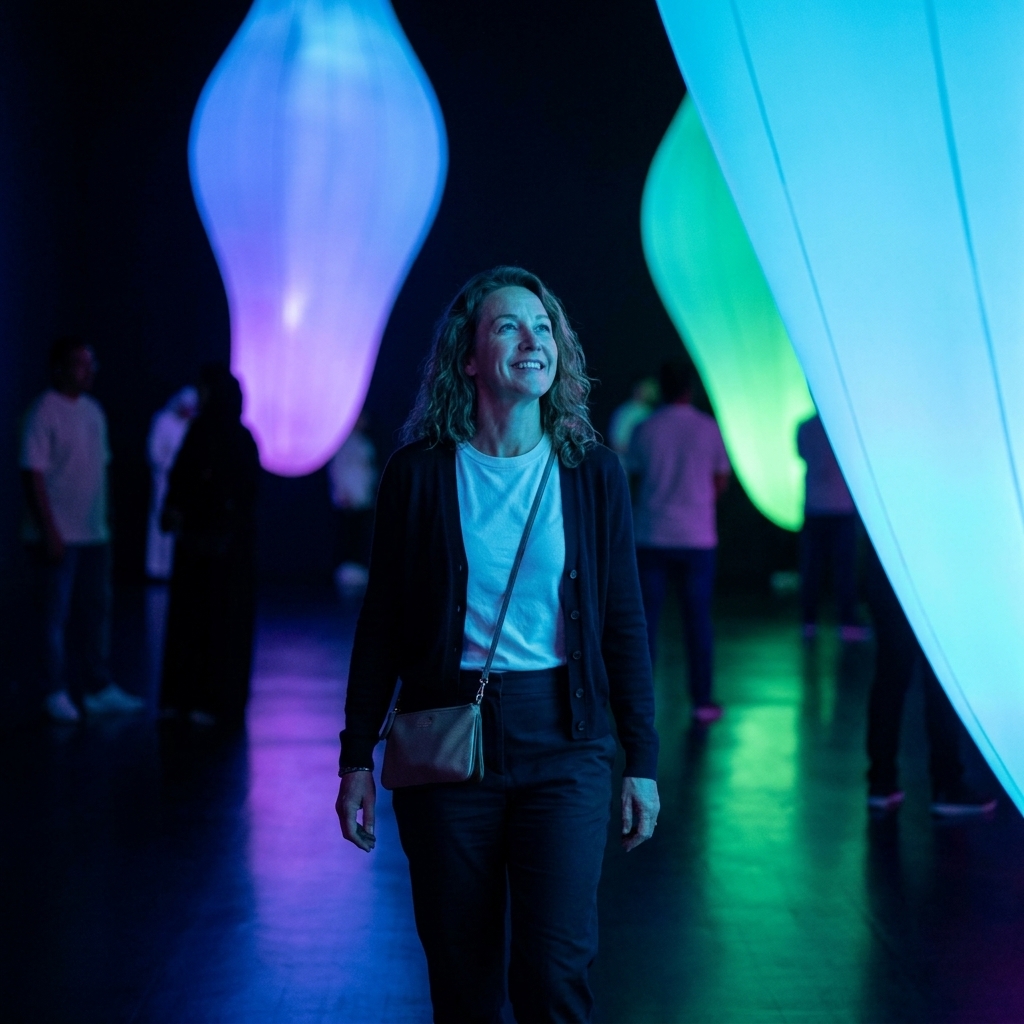
Why it’s on this list: If you are traveling through Abu Dhabi and this is open when you visit, it is a strong contender for the most “future museum” feeling here. teamLab’s newer concepts often lean harder into environmental phenomena, light, and perception, and purpose-built venues tend to amplify that sense of scale.
Status note: teamLab Phenomena in Abu Dhabi has been announced as a major attraction, and timelines reported publicly have shifted. Treat this as a check-the-status pick. Confirm whether it is currently open, whether ticketing is live, and what the entry rules are before you plan your day around it.
- Price value: Likely high if you love sensory design and architecture, but only once operating details are confirmed.
- Planning hack: If it is newly open, expect demand swings. Weekdays and the earliest entry windows tend to be the calmest, while later slots skew more crowded and more dramatic.
Make it worth it
Pick the right time
If there’s a choice, go first entry of the day for cleaner photos and fewer waits. If you care more about vibe than empty rooms, pick a late afternoon slot when light-based installations tend to feel extra cinematic.
Shoot smarter
- Turn on grid lines on your phone camera for straighter horizon lines in mirrored spaces.
- Use 0.5x only when needed. Ultra-wide lenses can warp rooms and people.
- Take one step back and shoot through doorways. Door frames hide crowds and add depth.
- Let a scene cycle before you decide it is “not photogenic.” Many rooms change every 30 to 90 seconds.
Know your sensory triggers
Low light, mirror reflections, booming sound, and occasional flashing effects are common. If anyone in your group is prone to migraines, panic in tight spaces, or sensory overload, ask staff which rooms are most intense. The best planner move is skipping one room so the rest of the visit stays fun.
Set expectations for kids
Immersive art is not always hands-on, even when it looks like it. Tell kids upfront what they can touch, what they can’t, and where the rest zones are. You’ll save yourself at least one mid-gallery meltdown.
FAQ
Are immersive art experiences good for people who do not love museums?
Often, yes. Many of these spaces are built for movement, curiosity, and short attention spans. If someone in your group thinks museums are “quiet and long,” start with something story-driven like Meow Wolf or a high-impact digital venue like teamLab.
How long should I budget for an immersive exhibit?
For most attractions, 90 minutes to 2 hours is comfortable. For Meow Wolf and teamLab Borderless, budget 2 to 4 hours if you want to explore without rushing.
What should I wear for mirrored and light-based rooms?
Solid colors photograph best. Avoid tiny stripes and high-gloss fabrics if you hate glare. Comfortable shoes are non-negotiable, because you will stand and wander more than you think. For water or barefoot venues, check the current policy and dress accordingly.
My final planner’s note: The “worth it” equation changes depending on your goal. If you’re going for mind-blown wonder, prioritize world-building and interactivity. If you’re going for photos, prioritize timed entry, lighting, and space design. Either way, pick one of the experiences above and commit to slowing down inside. That’s when the magic shows up.