I love a city that shows off a little. Give me a skyline, a riverfront, a neighborhood with quirky facades, and a guide who can point at a building and casually explain why that cornice is a big deal. If you are deciding between a guided architecture river cruise and a walking tour, you are already doing something right. Both options can be incredible. They just shine in different ways, depending on your energy level, budget, and what you want to bring home: a deeper story, a stronger set of photos, or a calm, comfortable hour with a great view.
Below is the honest breakdown I use when I plan trips for friends and family: comfort, cost, photos, timing, and the kind of architectural access you will actually get.
The quick decision
- Pick a river cruise if you want the most comfortable overview, iconic skyline perspectives, and minimal walking.
- Pick a walking tour if you want details up close, possible interior stops, neighborhood stories, and more control over your pace.
- Do both if you can: cruise first for the big picture, walk later for the craftsmanship.
What it feels like
River cruise strengths
A cruise is the ultimate zoom-out button. You get a curated highlight reel of waterfront landmarks with clean sightlines and a guide who can connect the dots between eras, styles, and city planning choices. In river cities, the water often acts like a natural architectural corridor, which makes the story feel surprisingly cohesive.
- Best for: first-time visitors, skyline lovers, families with mixed interests, anyone who wants a relaxed pace.
- Vibe: seated, breezy, and social. You listen, look, snack, and take photos without thinking about crosswalk timers.
Walking tour strengths
Walking tours are where buildings stop being “pretty” and start being personal. You notice the carved stonework you would never catch from the water, the way a lobby smells like polished marble, the hidden courtyard that somehow stays quiet two blocks from the busiest avenue. Great walking guides also weave in street-level history: who lived here, who protested here, who built this, who was excluded from it, and why that matters now.
- Best for: detail-oriented travelers, architecture nerds, neighborhood explorers, people who want to ask lots of questions.
- Vibe: interactive and immersive. You are part of the city’s rhythm.
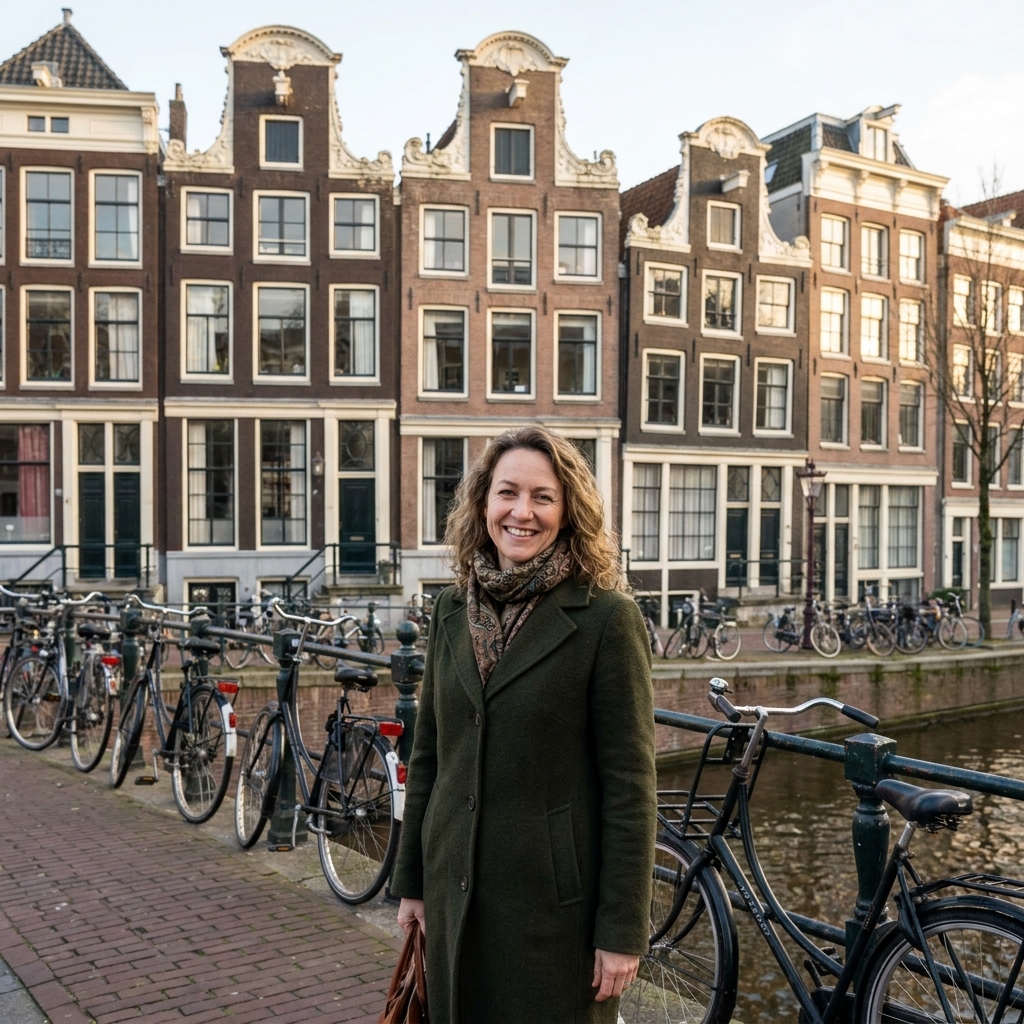
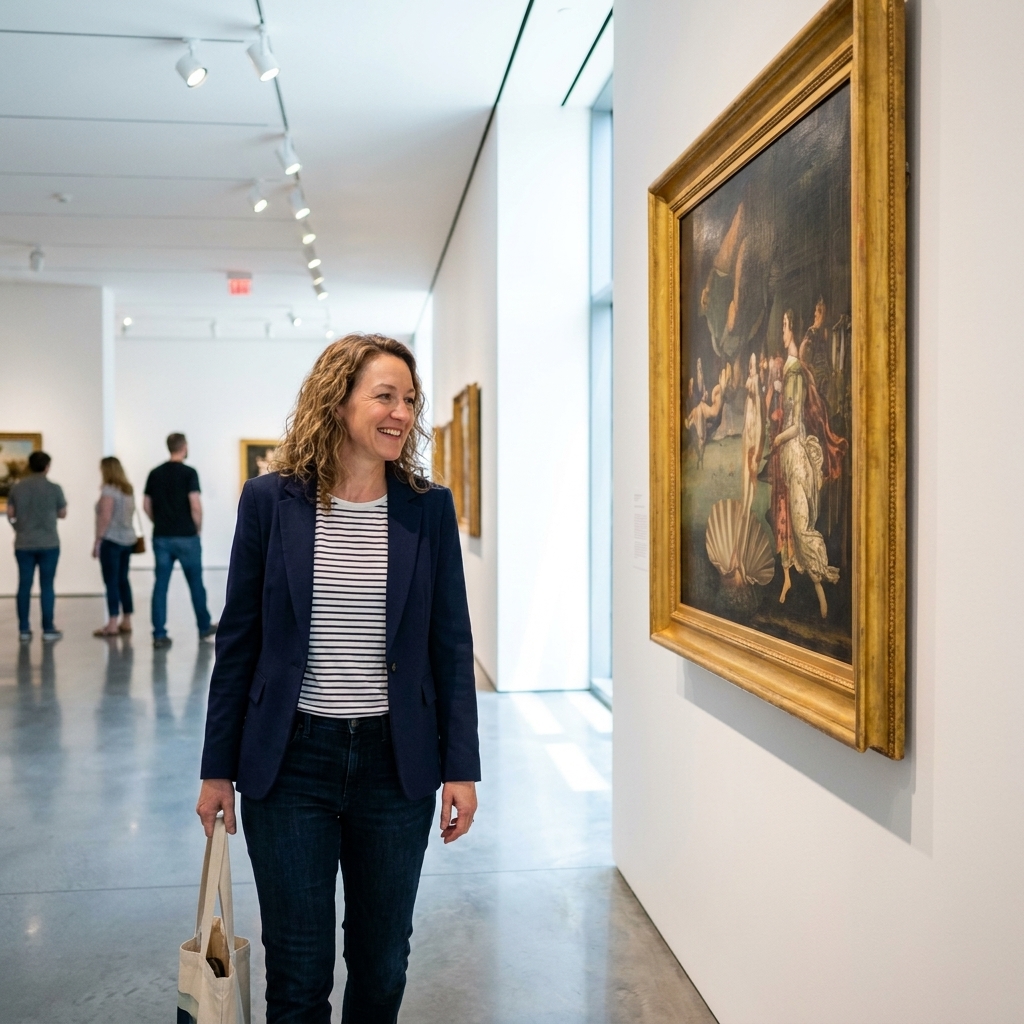
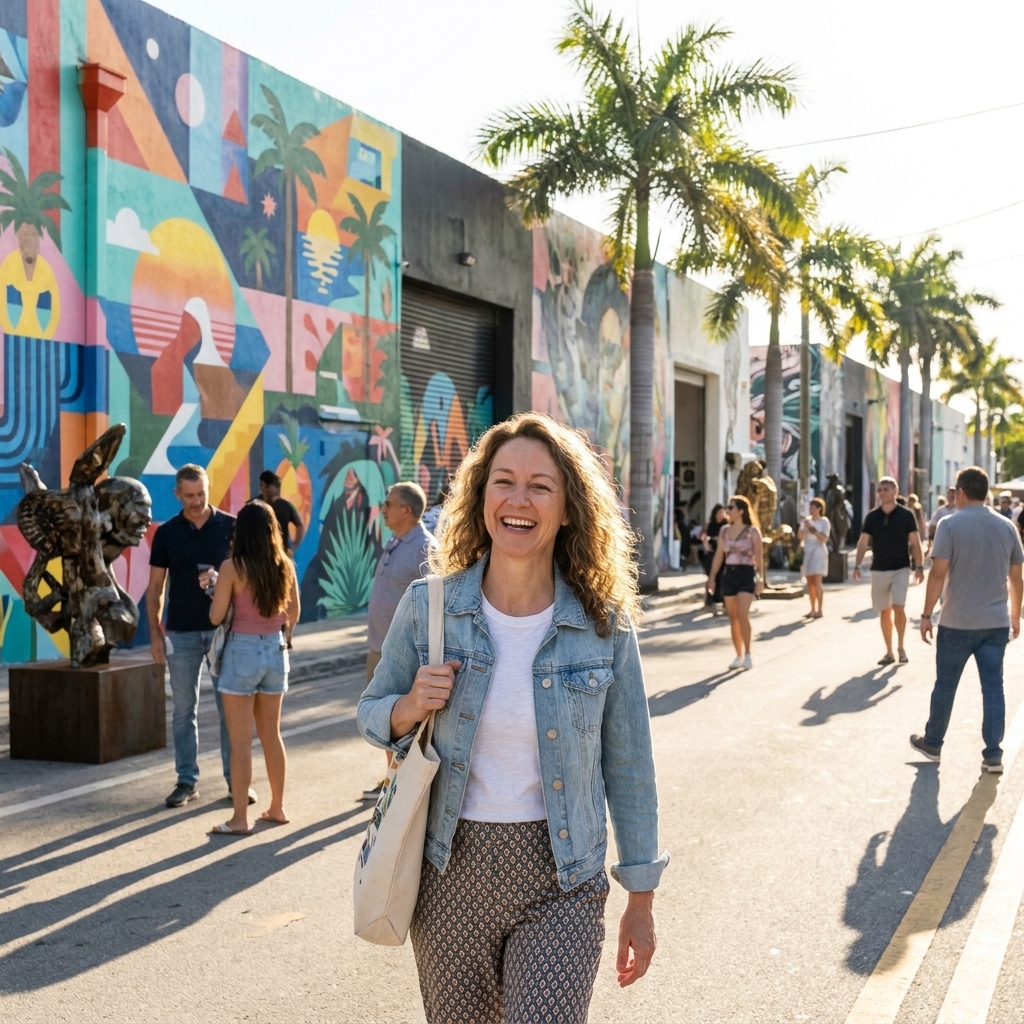
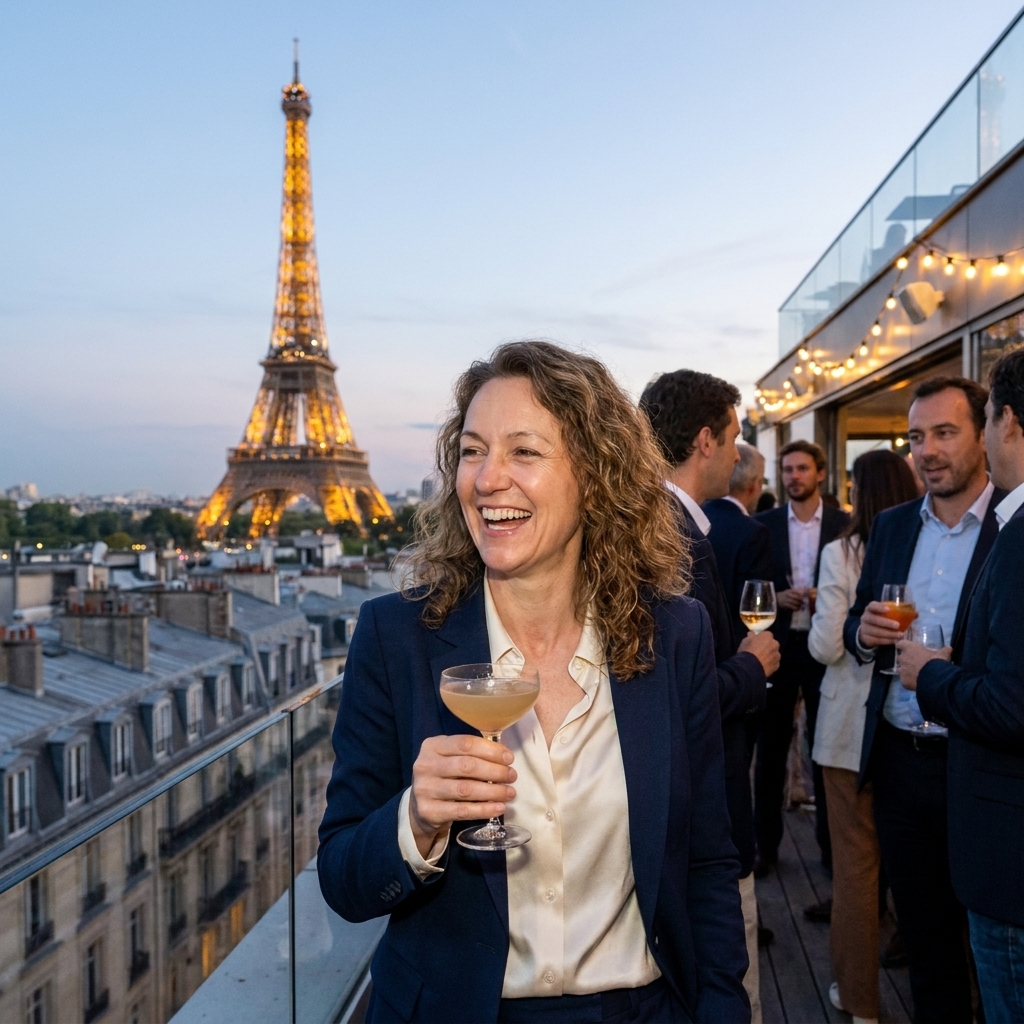
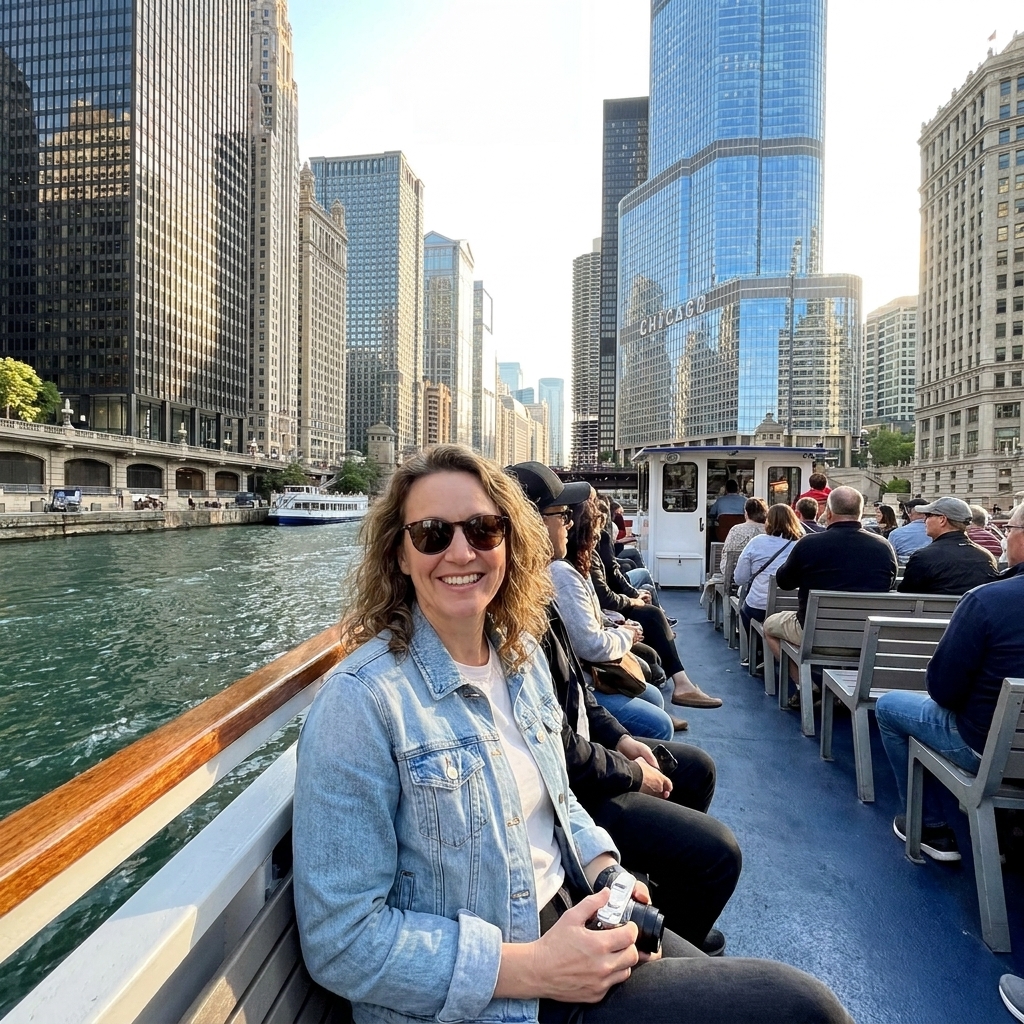
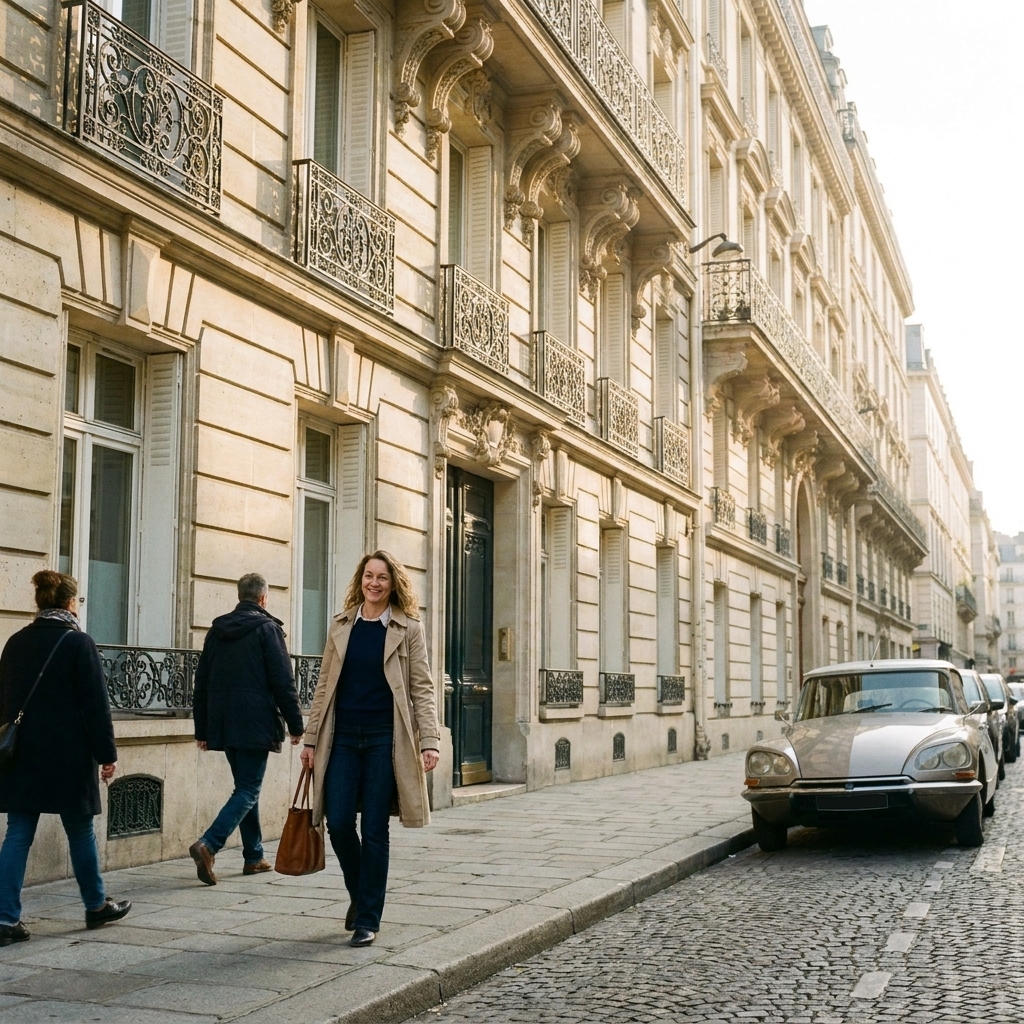
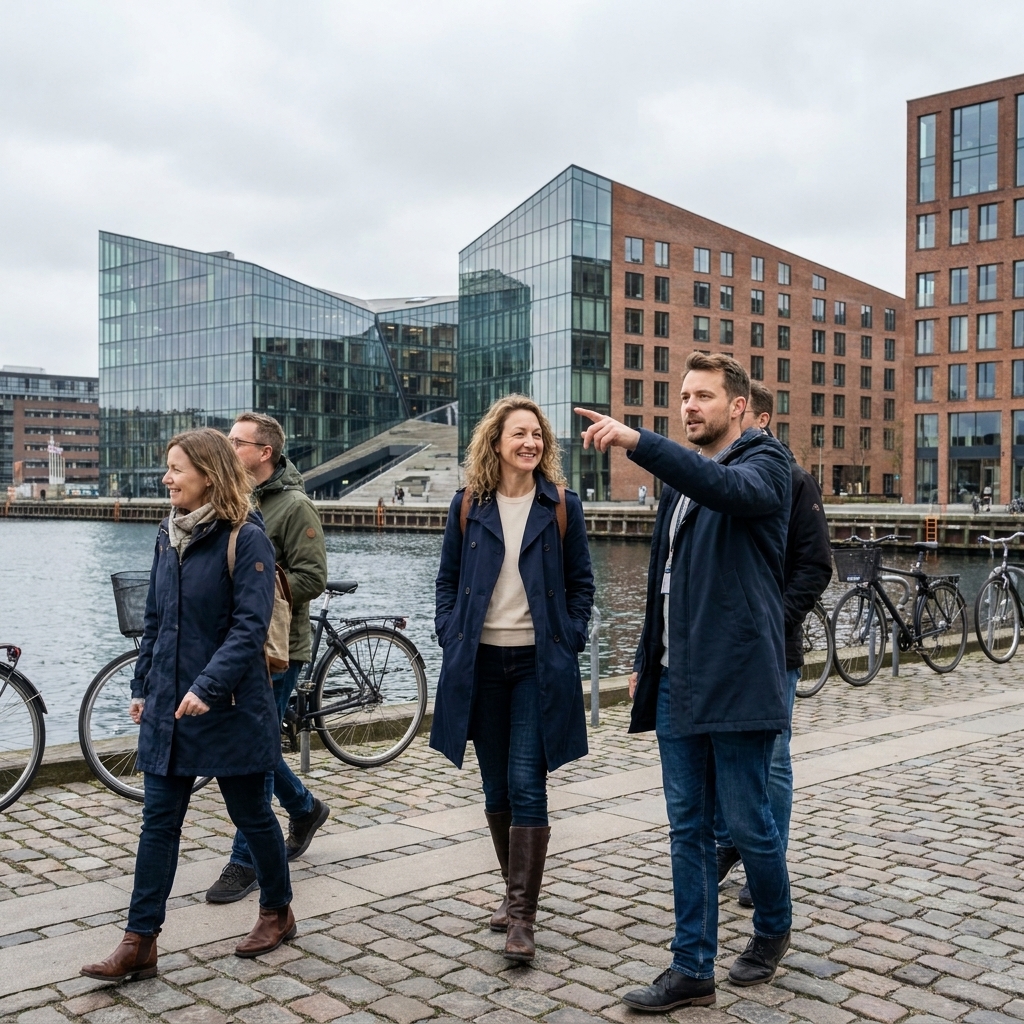
Note on examples: This guide applies to any architecture-forward city. The photo examples jump between places on purpose, because the tradeoffs tend to be the same whether you are in Chicago, Amsterdam, Paris, or Copenhagen.
Time and pacing
If you want one practical category that prevents travel-day grumpiness, this is it.
- Typical river cruise: often 60 to 90 minutes, plus check-in and boarding time. Plan to arrive 15 to 30 minutes early, especially in high season.
- Typical walking tour: often 90 to 120 minutes. The distance might be only 1 to 3 miles, but stops add up, and standing time is real.
Planner tip: If you are stacking activities, do the cruise when you want a built-in sit down (midday is ideal), and save the walk for when your feet and attention span are freshest.
Mobility and comfort
This category decides it for a lot of travelers, and that is completely valid. Architecture should be enjoyable, not a test of endurance.
River cruise comfort notes
- Low walking, higher comfort: You usually walk only to the dock, then sit most of the tour.
- Weather protection varies: Many (but not all) larger operators offer indoor cabins and restrooms. If the boat is open-air, wind and rain can feel harsher than on land, so check what you are booking.
- Motion and sun: If you are motion-sensitive, choose calmer water routes and sit mid-boat when possible. Bring sunscreen and a hat for upper decks, because reflection off water is sneaky.
- Accessibility varies: Some docks involve ramps, stairs, or uneven surfaces. If you use a wheelchair or have limited mobility, confirm accessible boarding, seating, and restrooms before you book.
Walking tour comfort notes
- Expect 1 to 3 miles depending on the tour and the city. Cobblestones and hills can sneak up on you.
- Standing time matters: Even “short” routes can include long stops while the guide explains details.
- Restrooms are not guaranteed: Ask where the nearest option is at the start, and carry water if it is hot.
- More flexible pacing: Some operators offer slower-paced options or private tours that can be tailored to your needs.
My planner tip: If your group has mixed mobility levels, a river cruise is the easiest way to keep everyone included. Pair it with a short, highly focused walking tour in a flat neighborhood, or do a self-guided stroll near your hotel.
Cost and value
Prices vary by city, season, and operator, but here is how the math tends to shake out in many major cities.
River cruise value
- Often costs more than a standard group walk, since boats, crews, and docking logistics add up. In some cities, pricing can be closer than you would expect, so it is worth comparing.
- Value comes from comfort and coverage: You can see a lot in a short time without extra transit planning.
- Look for what is included: Some tours bundle a drink, a strong sound system, or a climate-controlled cabin.
Walking tour value
- Usually the budget winner for guided experiences.
- Higher depth per dollar: You tend to get more time on fewer buildings, with richer storytelling.
- Potential add-ons: Interior tickets, museum entry, or transit passes can increase cost, but also boost what you get.
Tipping note: Gratuity customs vary a lot by country and operator. If it is not clearly stated, a quick check of local norms (or the operator’s FAQ) saves awkwardness at the end.
Budget hack: If you want a cruise but balk at peak pricing, check for weekday departures, morning slots, or shoulder-season dates. For walking tours, keep an eye out for small-group caps. A slightly higher ticket can feel worth it when you can actually hear the guide and ask questions.
Photography
Photography is where these two options diverge in the most surprising ways.
Best photo wins on a river cruise
- Clean lines and dramatic scale: You can frame entire facades and skyline clusters with fewer street-level obstructions.
- Reflections: Water reflections can turn a good photo into a great one.
- Golden hour potential: Late-day cruises can be magic. If your river runs roughly east to west, sunset can backlight towers and punch up silhouettes.
Tradeoffs: The boat is moving. You need faster shutter speeds, and you will not always get a second chance at a composition. Railings and other passengers can creep into your shot.
Best photo wins on a walking tour
- Detail shots: Door hardware, mosaics, gargoyles, signage, stained glass, and stone textures.
- Control: You can wait for a bus to pass, step to the side, or come back after the tour.
- Interior opportunities: If the tour includes lobbies or courtyards, you can capture spaces most visitors skip (when photos are allowed).
Tradeoffs: You fight street clutter: parked cars, construction fencing, street poles, and crowds. Wide shots can be tricky in narrow streets.
My quick camera notes
- On boats: Use a faster shutter speed if you can, and stabilize your elbows against your body. A lens hood helps with glare.
- On foot: A wide lens or a phone’s ultra-wide mode is useful in tight streets. A small power bank is a lifesaver if you shoot a lot.
- For both: Polarizing filters can help manage reflections, but they can also darken parts of the sky unevenly on ultra-wide shots.
Access and depth
What you learn on a cruise
Cruises are excellent at connecting big themes: zoning decisions, building booms, engineering feats, and how the river or harbor shaped commerce and design. Depending on the route length and geography, you may also glide past multiple districts in one session, which is great when time is tight.
What you learn on a walk
Walking tours win on nuance: why one architect was controversial, how a certain material changed construction in that decade, what happened on this block during a specific moment in history. Strong guides also add cultural context beyond architecture, like immigration patterns, arts movements, and local politics that influenced the built environment.
Access note: Interior access is far more likely on walking tours, but it is never guaranteed. Many buildings are active offices, residences, or government spaces with security. Read the tour description closely and treat interior stops as a bonus, not a promise.
Crowds, audio, and logistics
When a cruise feels best
- Midday heat: Let the river breeze do the work, especially on shaded or enclosed boats.
- First day in town: A perfect orientation session before you commit to neighborhoods.
- Multi-generational trips: Everyone gets a seat and a view.
When a walk feels best
- Morning: Better light, fewer crowds, and cooler temperatures.
- After a cruise: You already have the context, so details pop more.
- Food pairing: Walking tours naturally pass cafes, markets, and bakeries. Built-in snack strategy.
- Audio reality check: On open decks, wind can compete with narration. Look for amplified guides, headsets, or indoor options. On walking tours, ask if the group uses whisper sets if you care about hearing every detail.
- Late arrival policies: Boats often run on strict departure times. Walking tours may have a little more flexibility, but it depends on the operator.
Match your style
Choose a river cruise if you are
- Traveling with kids, older relatives, or anyone who needs a lower-impact option
- Short on time and want maximum landmark coverage
- Chasing skyline photos and clean, unobstructed building views
- Visiting during weather extremes and want the option of an enclosed cabin
Choose a walking tour if you are
- Most interested in details, neighborhoods, and street-level history
- Hoping for interior stops like lobbies, courtyards, or historic halls
- A photographer who wants control over framing and timing
- On a tighter budget, especially for multi-person trips
Choose both for the dream combo
If you can fit two tours into your itinerary, this is my favorite approach:
- Day 1: Do the cruise to get oriented and identify the buildings you want to revisit.
- Day 2: Do a neighborhood walking tour that focuses on a specific era, architect, or district.
It is the difference between seeing a city and understanding it.
Booking checklist
Before you book a cruise
- Confirm boarding accessibility and whether there is an accessible restroom.
- Check whether seating is open-air, indoor, or mixed.
- Ask about audio: live narration, headset, or speaker system.
- Look at the route map and confirm it includes the landmarks you care about.
- If you get seasick easily, ask about route conditions and where to sit for the smoothest ride.
Before you book a walking tour
- Verify distance, pace, and whether there are stairs or hills.
- Ask about interior access, photo rules, and any security requirements.
- Check group size. Smaller groups usually mean better Q&A.
- Wear shoes you would happily stand in for 90 minutes.
Planner truth: the best architecture tour is the one you can comfortably finish while still feeling excited for dinner.
FAQ
Are architecture river cruises worth it if I already plan to walk around?
Often, yes, especially in cities where the riverfront has the greatest concentration of landmark buildings. A cruise can give you context and perspective you cannot fully replicate at street level, even if you are an avid walker.
Do walking tours usually go inside buildings?
Some do, many do not. If interior access is a priority, look for tours that explicitly list interior stops or include tickets. Otherwise, assume it will be exterior-focused with occasional lobby access when possible.
Which is better for kids?
Many kids do better on a boat because it feels like an activity, not a lecture, and they can sit when their attention dips. Before you book, double-check stroller policies, railing and seating layouts, and whether there is a restroom onboard. For walking tours, choose shorter routes, interactive guides, and neighborhoods with frequent snack stops.
Which is better for wheelchair users or travelers with limited mobility?
It depends on the operator and the route, but cruises often require less physical effort once you are onboard. Always confirm accessible boarding, accessible restrooms, and seating arrangements. For walking tours, look for accessibility-specific routes on flat terrain and ask about curb cuts, surface conditions, and planned restroom breaks.