Cave tours are one of my favorite “wow” attractions because they feel like a real adventure without requiring you to be a hardcore outdoors person. That said, caves and caverns are their own kind of outing. Temperatures can be chilly even in summer, the ground can be slick, and the difference between a 30-minute walkthrough and a two-hour guided tour is bigger than most people expect.
Use this guide to choose the right tour, pack smart, and ask the right questions before you hit “book.”
First: Know the tour type
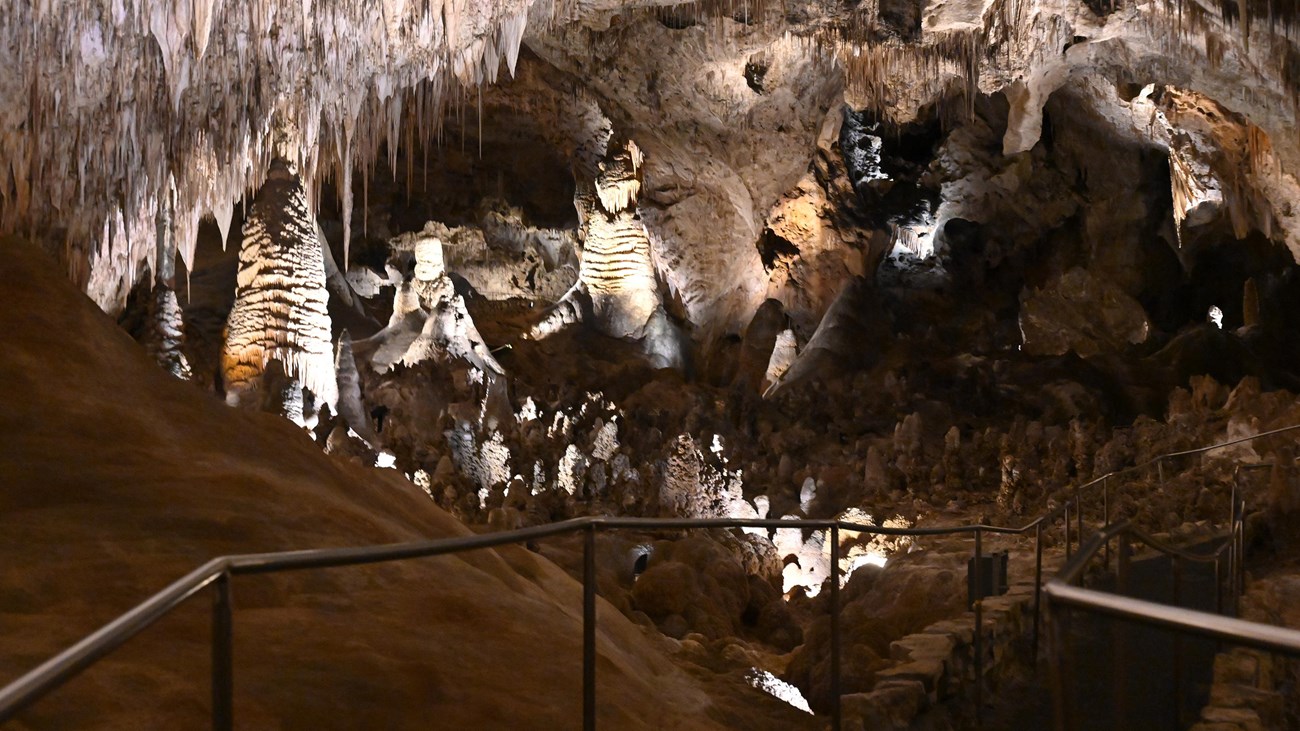
Not all “cave tours” mean squeezing through tight passageways. Many commercial caverns are set up for visitors, with defined routes that are sometimes guided. Still, there are a few common styles, and the right choice depends on your group, comfort level, and timing.
Walkthrough or self-paced routes
- Best for: families with mixed ages, anyone with limited time, and travelers who want an easy add-on to a day trip.
- Typical features: paved or compacted paths, railings in many areas, interpretive signage, and consistent lighting.
- What to watch for: stairs. Even “easy” caves can include long stairways in and out.
Standard guided tours
- Best for: first-timers who want the history, geology, and fun stories, plus a clear pace.
- Typical features: group timing, a set route, and a guide who controls the flow so you do not feel rushed or lost.
- What to watch for: group size. Large groups can mean waiting at bottlenecks or feeling crowded in narrow sections.
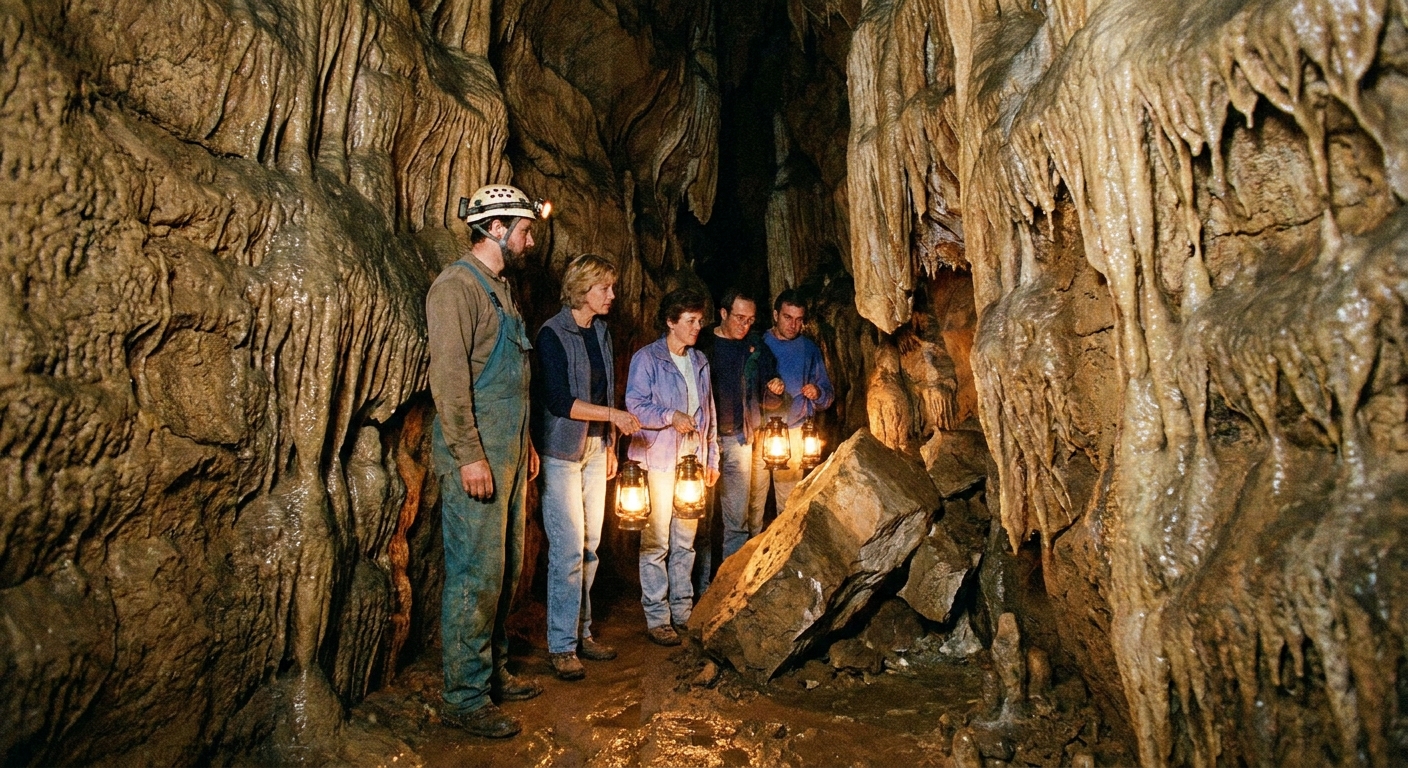
Adventure, lantern, or wild cave tours
- Best for: confident, reasonably fit visitors who want mud, crawling, uneven footing, and a more rugged experience.
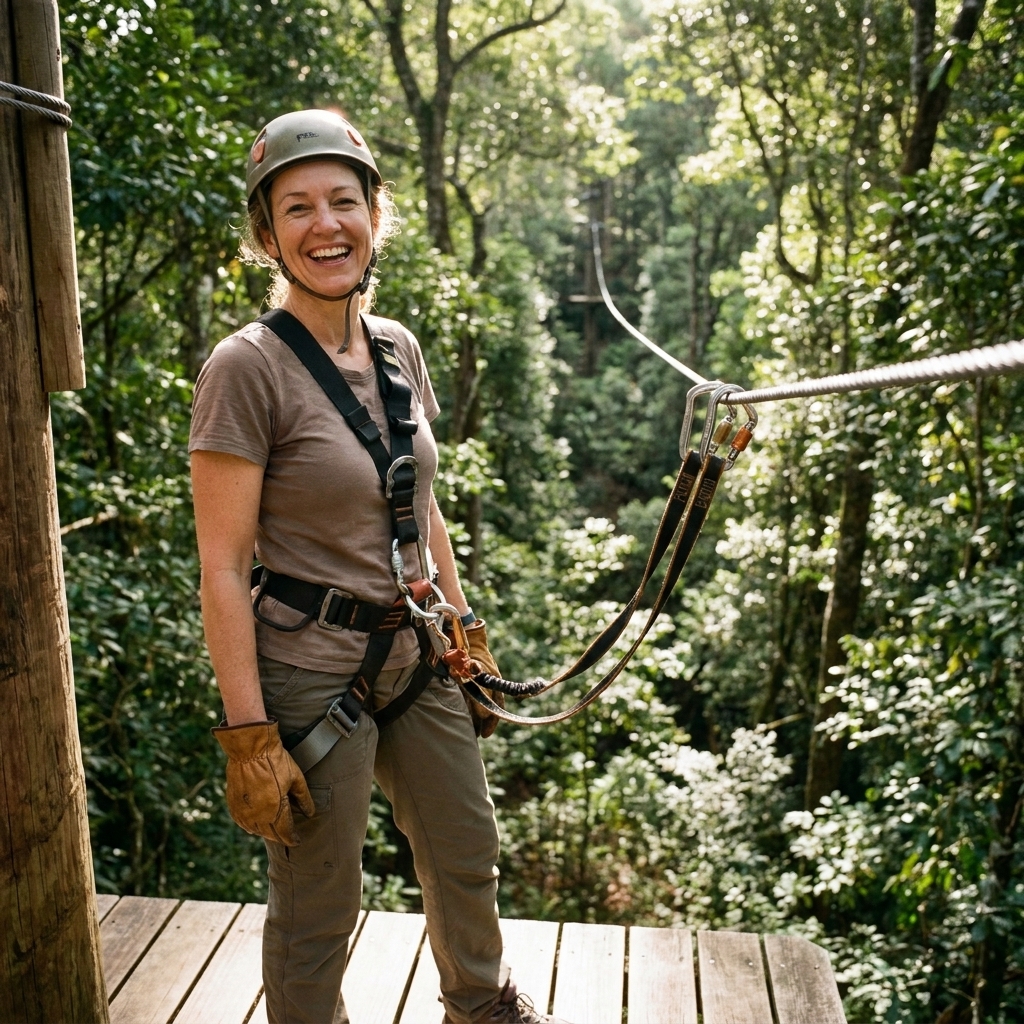
- Typical features: helmets, headlamps, gloves, kneepads, minimal installed lighting, and routes that may include climbing, stooping, or crawling.
- What to watch for: strict age and health requirements, and no refunds if you show up unprepared.
What to wear
If you remember one thing: dress for cool, damp, and slippery, even if it is blazing hot outside.
Footwear: the most important choice
- Do wear: closed-toe shoes with solid tread. Trail runners and light hikers are perfect for most standard tours.
- Avoid: sandals, slides, smooth-soled fashion sneakers, and anything you would be upset to scuff or muddy.
- For adventure tours: ask if boots are required and whether rentals are offered.
Clothing: layers and mobility
- Base: a breathable shirt you can move in.
- Layer: a light jacket or fleece. Many show caves stay cool year-round, often around 50 to 60°F, but conditions can run colder or warmer depending on the cave.
- Bottoms: pants or leggings are usually more comfortable than shorts, especially on damp rails, benches, or low ceilings.
- For muddy tours: quick-dry fabrics beat cotton-heavy clothing that stays cold when wet.
What to bring (and what to leave)
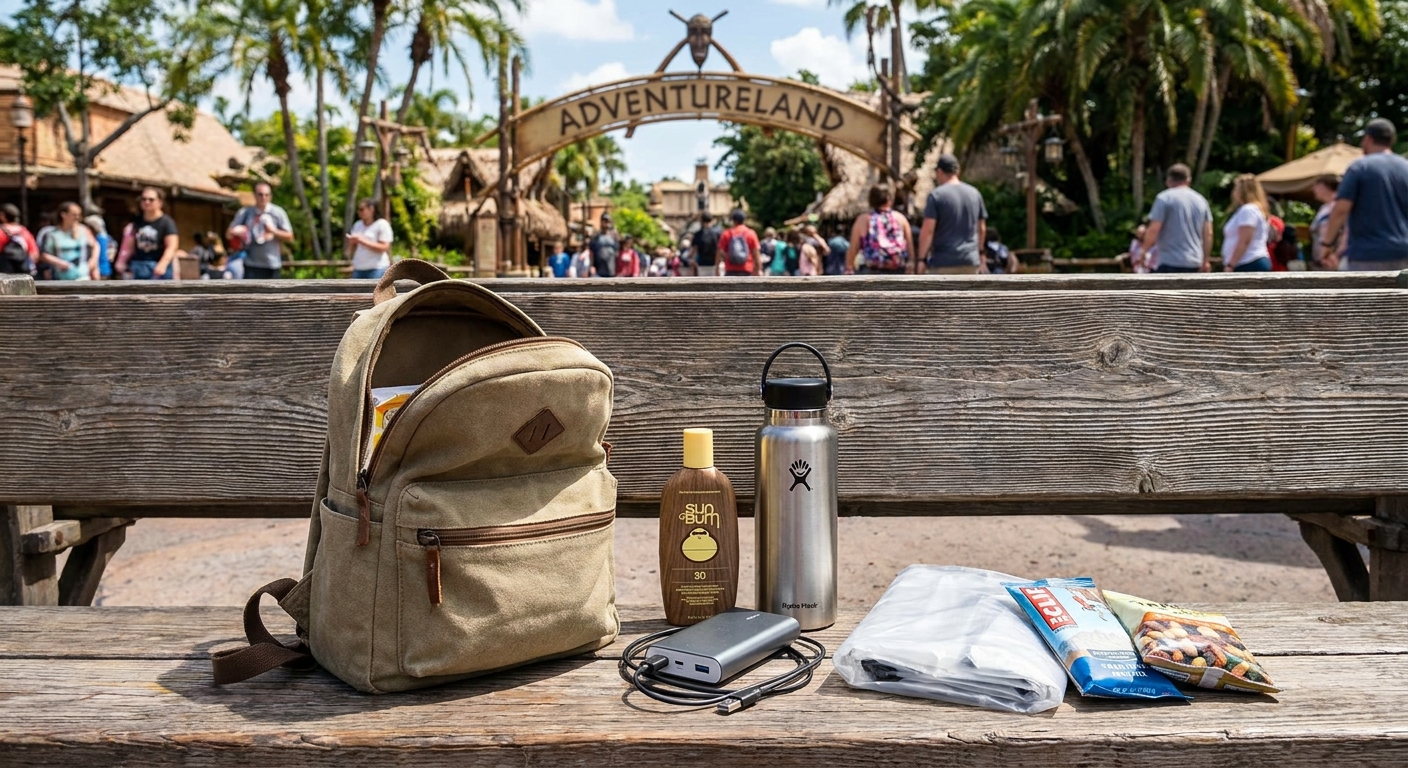
- Bring: a small bottle of water if allowed, tissues, any required meds (inhaler, EpiPen), and a simple hair tie if you have long hair.
- Leave behind: large backpacks, dangling jewelry, and anything you would hate to drop. Many caves have narrow passages and railings.
- Nice to have: a phone strap or wrist lanyard if you are prone to butterfingers.
Pro planner tip: If your tour starts in a visitor center and ends far from it, ask where you can stash extra layers or purchases. Some sites have lockers, others do not.
Quick reminder: Avoid brushing against walls and formations. Even casual contact can leave dirt and skin oils behind, and that can permanently discolor surfaces or interfere with ongoing mineral deposition.
How hard is it?
This is the part that surprises people. Caves feel calm and slow, but they can be a sneaky workout because of stairs, uneven footing, and constant balance adjustments on damp surfaces.
How to judge difficulty
- Distance: anything over 0.5 to 1 mile underground can feel longer than the same distance on a sidewalk.
- Elevation: ask about the number of stairs, especially on the exit. Some caves are downhill in, uphill out.
- Ceiling height: frequent stooping is tiring and can trigger back or neck discomfort.
- Time: a 90-minute tour is not 90 minutes of standing still. It is walking, waiting, and climbing.
Comfort factors to plan for
- Humidity: can make you feel warmer during movement, then chilly when you stop.
- Slippery spots: water drips, algae near lights, and smooth rock can slow your pace.
- Respiratory sensitivity: some caves feel humid or musty, and some routes can kick up dust on busy days. If you have asthma or similar issues, bring your inhaler and consider a shorter, well-ventilated tour.
- Claustrophobia: even big caverns can have narrow connectors. If you are unsure, start with a short, well-lit tour.
Lighting
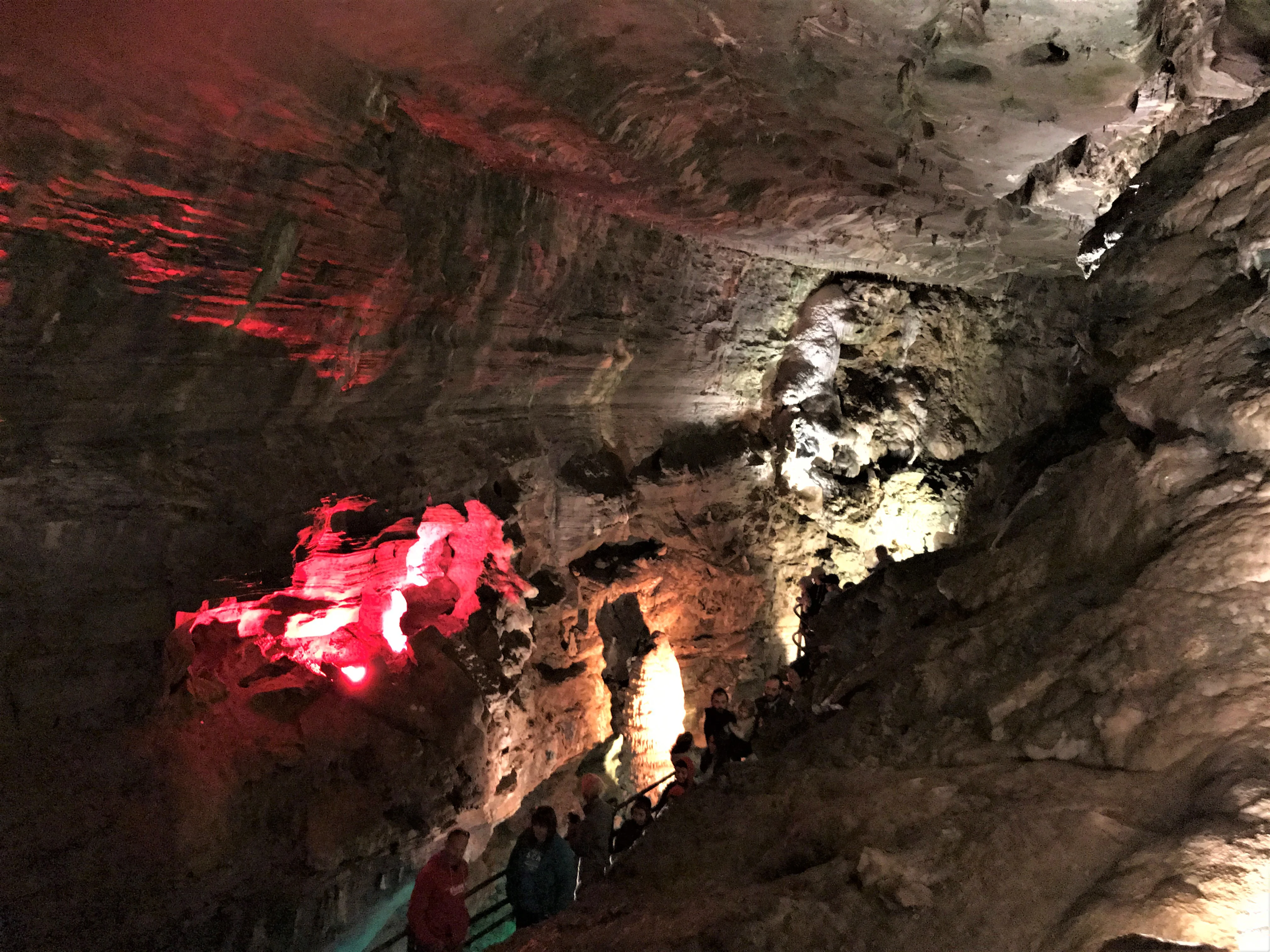
Lighting is a comfort issue and a safety issue. Most family-friendly caverns have installed lighting, but it is often dimmer than a museum. Many operators also manage lighting to reduce impacts like algae growth near lights (sometimes called lampenflora) and to preserve the atmosphere.
On standard tours
- Low, warm lighting that highlights formations while keeping the rest of the space darker.
- Dark pockets on stairs or in corners. Watch your step and keep kids close.
- Photography varies: some caves allow photos, while others restrict flash, tripods, or certain equipment for conservation, safety, or visitor-experience reasons.
On lantern or adventure tours
- It will be dark. Your eyes adjust, but not instantly.
- Headlamps help, but ask if they are provided and whether you may bring your own.
- Depth perception changes in uneven light, so people who are nervous on stairs may prefer standard lighting.
My go-to move: Turn your phone brightness down before you enter. In dark spaces, a bright screen can wreck your night vision and annoy people behind you.
Safety and access checks
Every cave has different rules because geology, wildlife, and emergency access vary. A two-minute call (or a careful read of the tour page) can save you a frustrating surprise at check-in.
Questions to ask
- How many stairs are on the route? Ask for a range if they do not have an exact count.
- Is the path paved, grated, or natural rock? This affects traction and mobility device feasibility.
- How narrow is the tightest section? Helpful for claustrophobia concerns and some mobility aids.
- Are there rest areas or benches? Especially important for grandparents and kids.
- What is the temperature and humidity? Ask for typical year-round conditions.
- Is there an elevator option? Some sites have elevators down, but still include stairs within the cave.
- Do you allow canes or trekking poles? Some tours do, some do not due to narrow paths.
- What is your policy for service animals? Many caves restrict animals to protect wildlife and prevent contamination. Policies can differ from other attractions.
- Is the tour suitable for people with heart, respiratory, or balance issues? If your group has concerns, ask directly.
Accessibility reality check
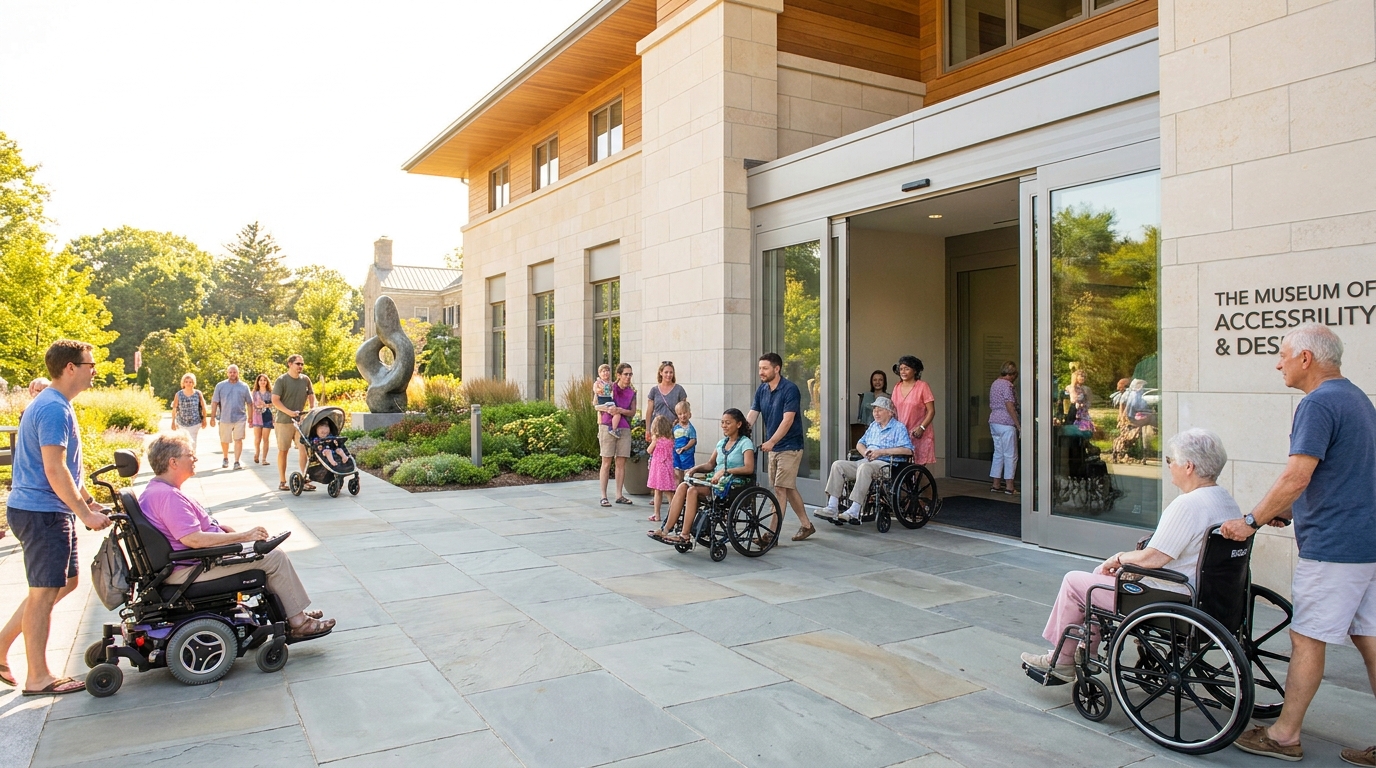
Many caves are not wheelchair-accessible because of stairs, steep grades, and pinch points. Some attractions do offer accessible sections, paved routes, or elevator access, so it is worth checking the site’s accessibility page and asking what is realistically doable on the specific tour you want.
Decontamination rules
Many caves have strict rules to prevent the spread of white-nose syndrome, a disease that has devastated bat populations. Protocols vary by region, season, and cave system. You may be asked not to bring footwear or clothing that has been in other caves, or to use disinfectant mats. Take these rules seriously. They help keep tours available long-term.
Comfort basics
- Restrooms: often only at the visitor center, not underground.
- Cell service: usually nonexistent inside the cave.
- Early exit: if someone in your party might need to leave sooner, pick a shorter tour with easier access back to the entrance.
Tips for visiting with kids
Caves can be magical for kids, but the experience goes smoother when you plan around comfort and attention span.
Pick the right length
- Ages 3 to 6: aim for 30 to 60 minutes, minimal stairs if possible, and strong lighting.
- Ages 7 to 12: 60 to 90 minutes can be great if there are wow moments like big rooms, underground waterfalls, or dramatic formations.
- Teens: this is the sweet spot for lantern or adventure tours if they are interested and meet the requirements.
Keep it fun (and calm)
- Play the drip game: listen for water drops and see who can spot where they land.
- Spot-a-shape: look for formations that resemble animals or faces, but remind kids not to touch.
- Give them one job: holding the map, carrying the water, or being the step spotter on stairs.
Stroller reality check
Most caves are not stroller-friendly. Even with paved paths, stairs are common. If you have a toddler, plan on a carrier and choose a shorter route.
Short vs long tours
If you are torn, here is my planner-friendly way to decide.
Pick a short tour if you want
- a low-commitment activity for a travel day
- an easy win for mixed-age groups
- to test comfort with darkness and enclosed spaces
- to pair the cave with a second attraction nearby
Pick a longer tour if you want
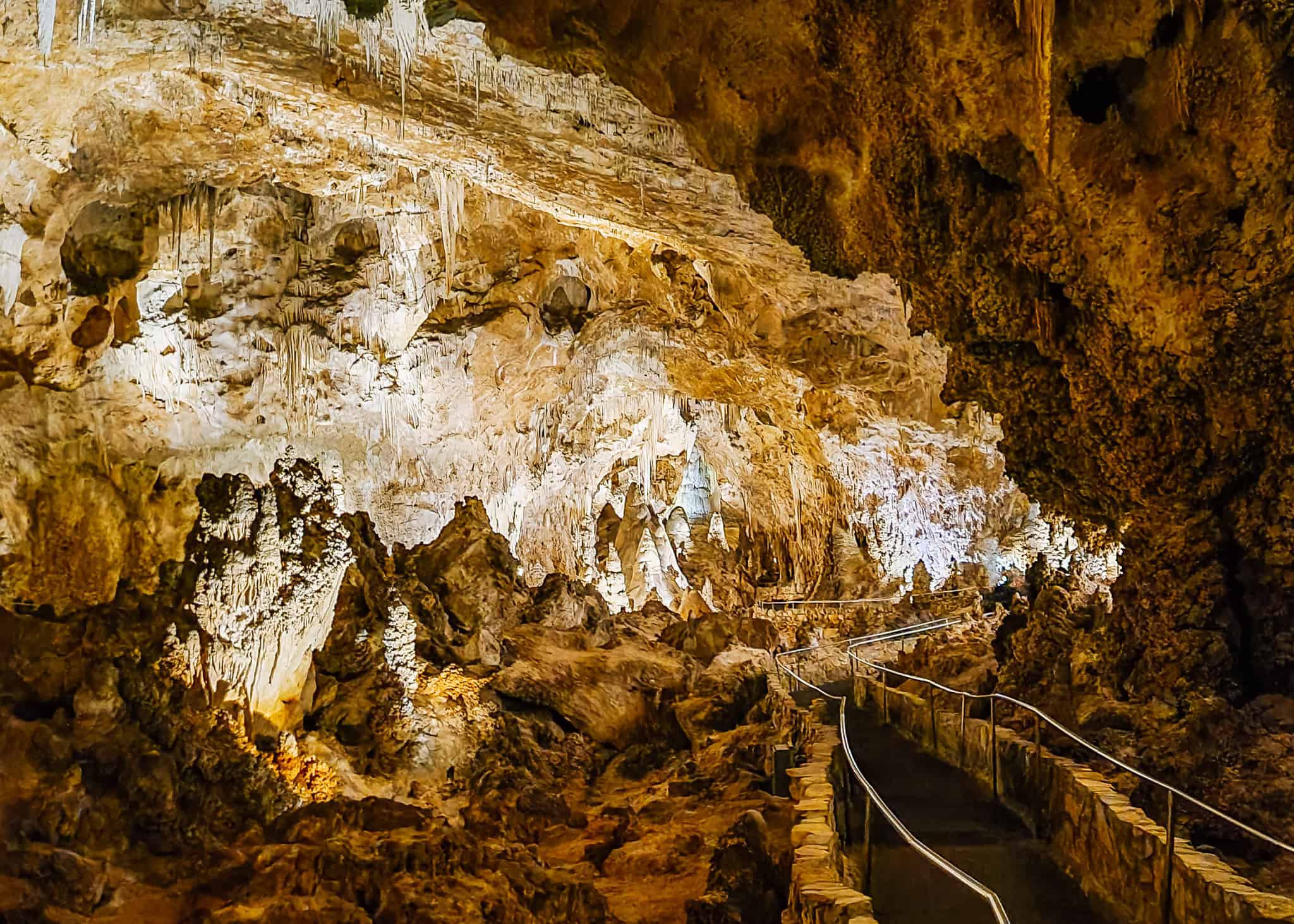
- the best formations and big-room moments (often deeper in)
- the stories behind the geology and history
- more wildlife talk and conservation context
- a truly memorable, trip-defining experience
My favorite compromise: Book a standard tour first, then decide on-site if you want to add a second, more adventurous option. Many cave attractions offer multiple departures per day, but availability can be limited in peak season.
Booking and arrival
When to go
- Any season: many caves are consistent in temperature, which makes them great year-round.
- Hot afternoons: a cave can be the perfect midday break in summer.
- Rainy days: check policies. Some caves remain open, but flooding can affect routes.
Reserve ahead
- Weekends and holidays often sell out for guided tours.
- Smaller group tours and lantern tours are frequently limited by design.
- School breaks can spike demand, even for less touristy areas.
Arrive early
Most tours run on a tight schedule. Plan to arrive 30 to 45 minutes early for parking, ticket pickup, restroom stops, and the walk to the entrance. Some caves have a shuttle or a hike from the visitor center.
Cave etiquette
- Do not touch walls or formations. Oils and dirt can stain surfaces and cause long-lasting damage.
- Stay on the path. It protects delicate cave life and keeps you safe from sudden drops.
- Keep voices low. Sound carries in caverns and can stress wildlife.
- Follow all decontamination rules. They are there for a reason.
If you want one memorable photo, take it early, then put the phone away and let your eyes adjust. Caves are a rare chance to be fully present in a place that feels like another planet.
Quick checklist
- Closed-toe shoes with traction
- Light layer for cool conditions
- Hair tie and minimal jewelry
- Water if allowed
- Any essential medications
- Arrive 30 to 45 minutes early
- Confirm photo and flash rules
- Listen to the safety briefing, even if you are a repeat visitor
FAQ
Are cave tours safe?
Commercial cave and cavern tours are generally very safe when you follow the guide’s instructions and wear proper footwear. Common issues tend to be slips on wet spots and missteps on stairs, especially if people rush.
What if I am claustrophobic?
Start with a well-lit cavern that advertises wide walkways and big chambers. Avoid tours described as tight, crawl, squeeze, or wild cave. If you are unsure, call and ask what the narrowest point is like.
Can I bring my own flashlight or headlamp?
Sometimes yes, sometimes no. Many standard tours discourage extra lights to preserve the experience and protect cave life. Adventure tours may require headlamps, and some provide them. Check the tour rules before you pack gear.
Is a cave tour good for older adults?
Often, yes, especially shorter guided tours with railings and frequent stopping points. The deciding factor is usually stairs. Ask for the stair count and whether there is an alternate route or elevator.
Can I do a cave tour if it is raining?
It depends on the cave. Some remain open, but heavy rain can increase dripping, make paths slicker, or lead to flooding in certain systems. Check the attraction’s weather policy and call if conditions look dicey.