If you have ever stared at two tabs on your phone, one for a classic zoo and one for a drive-through safari, and thought, “Why is this decision weirdly complicated?” welcome. Both are fantastic ways to spend a day with animals. They just shine in different ways.
As an obsessive planner (and a former hospitality coordinator who has watched schedules fall apart in real time), I look at this choice like any other outing: comfort, logistics, budget, and the kind of memories you want to make. Let’s break it down so you can pick the best fit for your crew.
The quick difference
Walking zoos
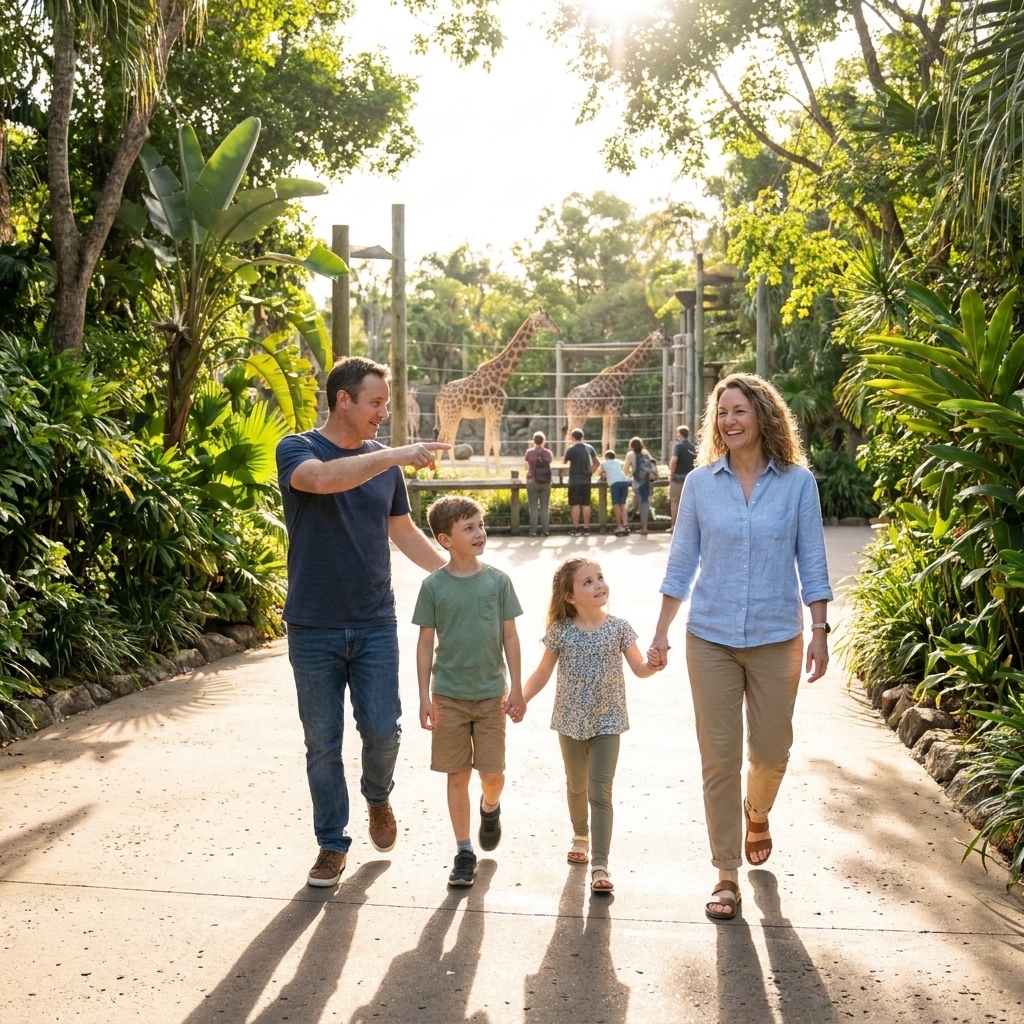
Think: you park once, then explore on foot through themed trails and exhibits. Many modern zoos add interactive elements like keeper talks, feeding stations, touch pools, behind-the-scenes tours, playgrounds, and splash pads.
Drive-through safaris
Think: you stay in your car and drive a set route while animals typically roam in large open areas or wide paddocks. Layouts vary a lot by park, and some also include a walk-around section with smaller exhibits, petting areas, or a cafe.
Animal viewing
Walking zoos are best for variety and up-close details
Traditional zoos usually offer a broader species mix, including reptiles, amphibians, birds, insects, and nocturnal animals you rarely see in drive-through parks. You also get better viewing of smaller animals because exhibits are designed for visibility.
- Best for: animal lovers who want to see “everything,” kids who are into bugs and snakes, and anyone who likes reading signs and learning as they go.
- Expect: clearer educational storytelling, scheduled talks, and “I did not know that!” facts at every turn.
Drive-through safaris are best for big, cinematic sightings
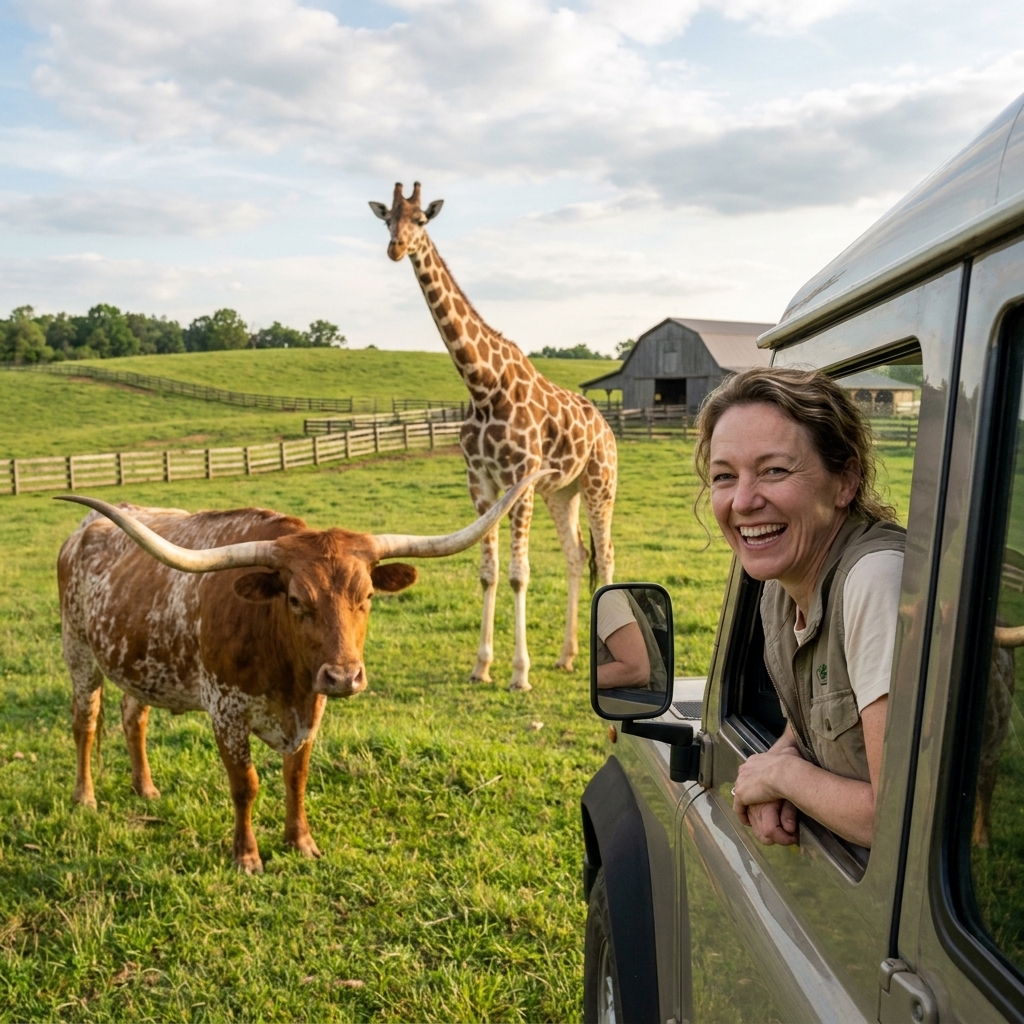
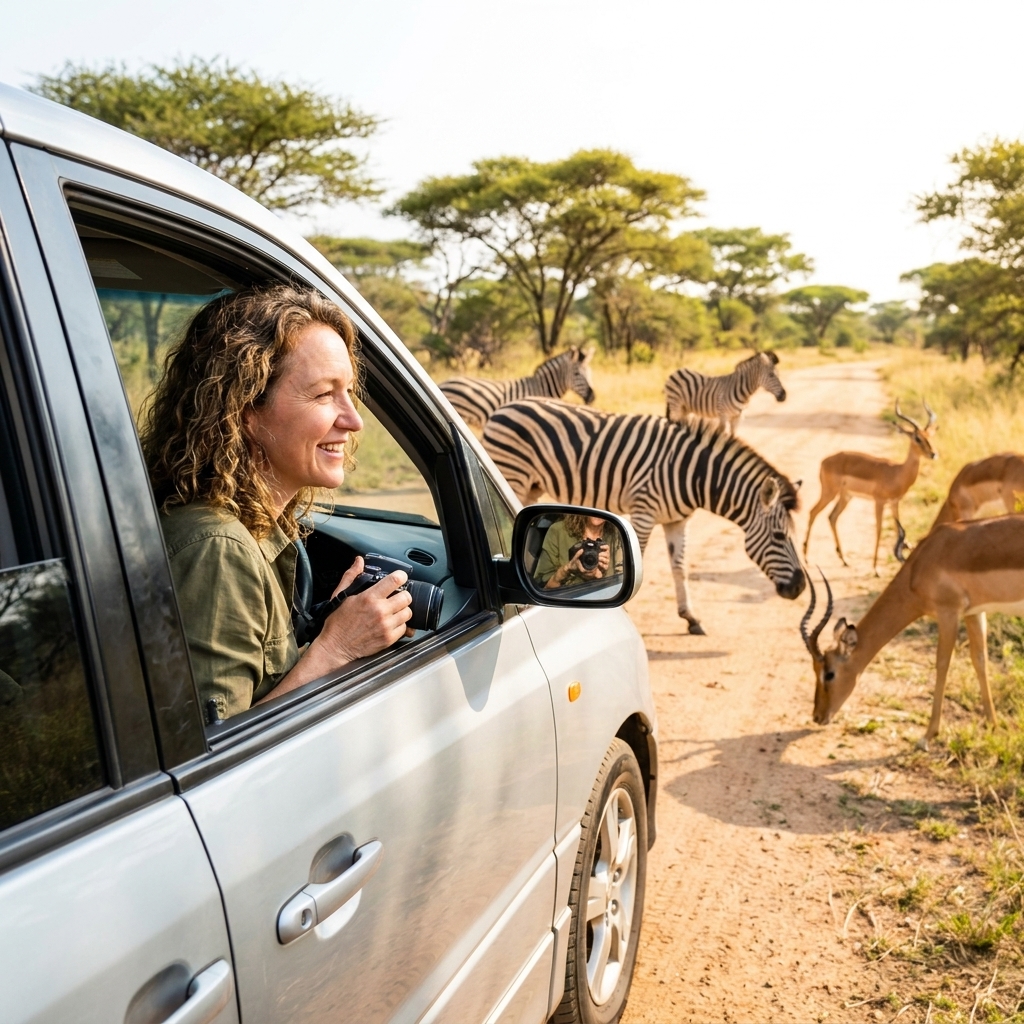
Safaris tend to deliver those heart-thumping moments: a giraffe crossing in front of your hood, zebras clustered near the road, a curious antelope staring you down. If your family loves the feeling of being in an animal documentary, this is your lane.
- Best for: families with kids who melt down in crowds, photographers with long lenses, and anyone who wants a one-of-a-kind drive.
- Expect: fewer total species, but bigger habitats in many parks and group dynamics for hoofstock that can feel more natural, especially in large mixed-species areas.
Interactivity
Walking zoos win for structured experiences
If your idea of a great day includes scheduled feedings, animal chats, and kid zones, walking zoos typically offer more of that. Many also have add-ons like giraffe feed platforms, lorikeet aviaries, stingray touch pools, or behind-the-scenes encounters (often with limited daily slots).
My planner tip: if a zoo offers timed animal encounters, book them for early in your visit. It anchors your schedule, and animals are often more active earlier in the day.
Drive-through safaris win for “everyone participates” moments
In a car, nobody is stuck behind a stroller or lagging in the heat. Little kids, grandparents, and the friend who forgot comfortable shoes are all having the same experience at the same time. The interactivity is more spontaneous: windows down (when allowed), cameras ready, and a lot of “Did you see that?”
Safety note: follow park rules about windows, feeding, and stopping. Safari animals can be gentle and still be very large, very fast, and very curious.
Comfort and access
Choose a drive-through safari if you want low walking
For families traveling with toddlers, seniors, or anyone with limited mobility, the drive-through format can be a relief. Your car becomes your shade, your snack station, and your calm-down corner.
- Pros: minimal walking, easier for nap schedules, great in light rain, fewer crowds.
- Cons: limited bathrooms along the route, you are “committed” once you enter, and hot days can mean lots of idling with AC.
Choose a zoo if you want built-in breaks
Zoos usually have more frequent restrooms, more seating, and more places to cool down, especially if they are in a major city. You can also choose your own pace: do one loop, stop for lunch, and head out without feeling like you missed the main route.
- Pros: bathrooms everywhere, food options, playgrounds, indoor exhibits, stroller rentals, and first aid stations.
- Cons: more walking, more lines on busy days, and weather can make or break your comfort.
Time and pacing
Walking zoo time
As a rule of thumb, plan 3 to 6 hours for a typical zoo, depending on size, crowd levels, and how many shows or talks you watch. Big destination zoos can easily fill a full day.
Drive-through safari time
Many drive routes run 45 to 90 minutes, but it can stretch to 2 to 3 hours if traffic is slow, animals are near the road, weather slows things down, or the park limits passing. Add extra time if there is a walk-around section, petting area, or rides.
My timing hack: arrive at opening for either option. For zoos, you beat the crowds and heat. For safaris, you reduce the chance of a long line of cars that turns your wildlife day into a parking lot parade.
Cost and value
Zoos can be a better deal for repeat visits
Many zoos offer annual memberships that pay for themselves quickly, plus perks like free parking, discounts, and early entry days. If you live nearby or you are visiting a city for several days, a zoo membership can be one of the best entertainment values around.
Drive-through safaris can cost more, but feel special
Safaris often price by vehicle or by person at a higher base rate, and some charge extra for feed buckets. The value is in the format: large habitats (in many parks), unique photo ops, and the novelty of animals approaching your car.
Budget tip: if feeding is allowed and you want to do it, buy the official feed sold by the park. It is safer for the animals, and it prevents you from wasting money on snacks you cannot use.
Food and breaks
Zoos usually have more dining choices
Between cafes, snack carts, and picnic areas, a zoo makes it easier to feed a picky group without turning into the family short-order cook. Many also allow outside food, which is huge for budget-conscious families and allergy-friendly planning, but policies vary so check the rules.
Safaris are easy for bring-your-own snacks
Because you are in your vehicle, it is simple to stash a cooler, refill water, and keep everyone happy between sightings. Just remember: in parks where animals can approach cars and windows are permitted, strong food smells can attract curious visitors. Follow the rules and keep food sealed.
Kid factor
Toddlers and preschoolers
- Often best: drive-through safari for low walking and easy naps.
- Zoo advantage: playgrounds, splash pads, and sensory-friendly indoor buildings.
Elementary age
- Often best: either, depending on attention span.
- Zoo advantage: interactive learning, junior keeper programs, and scavenger hunts.
- Safari advantage: nonstop excitement and “animals are right there” storytelling fuel.
Teens
- Often best: the one with the coolest add-ons.
- Zoo win: behind-the-scenes tours and conservation programs.
- Safari win: photogenic moments and the road-trip vibe.
Welfare and conservation
This is where your choice can be more than “what sounds fun.” A high-quality zoo or safari should clearly communicate animal care standards and conservation work.
Good signs anywhere
- Clear info about habitats, diets, and enrichment (toys, puzzles, training, foraging activities).
- Staff talks that focus on behavior and welfare, not just entertainment.
- Transparent veterinary care and animal management practices.
- Conservation partnerships, fundraising, or participation in accredited breeding programs.
- Rules that protect animals, like no honking, no chasing, and controlled feeding.
My rule of thumb: if the messaging is all selfies and no substance, keep looking. The best places make it easy to learn how your ticket supports animal care and conservation.
Red flags to avoid
- Direct contact with dangerous wildlife (or “cuddles” that ignore basic safety and stress signals).
- Cub petting or constant handling for photo ops.
- Performances that rely on intimidation or coercive control instead of natural behaviors and positive training.
Which should you pick?
Pick a walking zoo if you want:
- More species variety, especially small animals, reptiles, and birds
- Keeper talks, shows, and structured educational moments
- Easy access to bathrooms, dining, and shade stops
- A full-day itinerary with lots of “mini adventures”
Pick a drive-through safari if you want:
- Minimal walking and maximum comfort for mixed-age groups
- Big animals in wide-open habitats and dramatic sightings
- A calmer, more controlled environment for kids who dislike crowds
- A unique experience that feels like a special outing
Smart planning tips
- Go early: animals are often more active in the morning, and you avoid peak crowds.
- Pack layers: indoor reptile houses can be chilly, and safaris can feel cooler once windows are down.
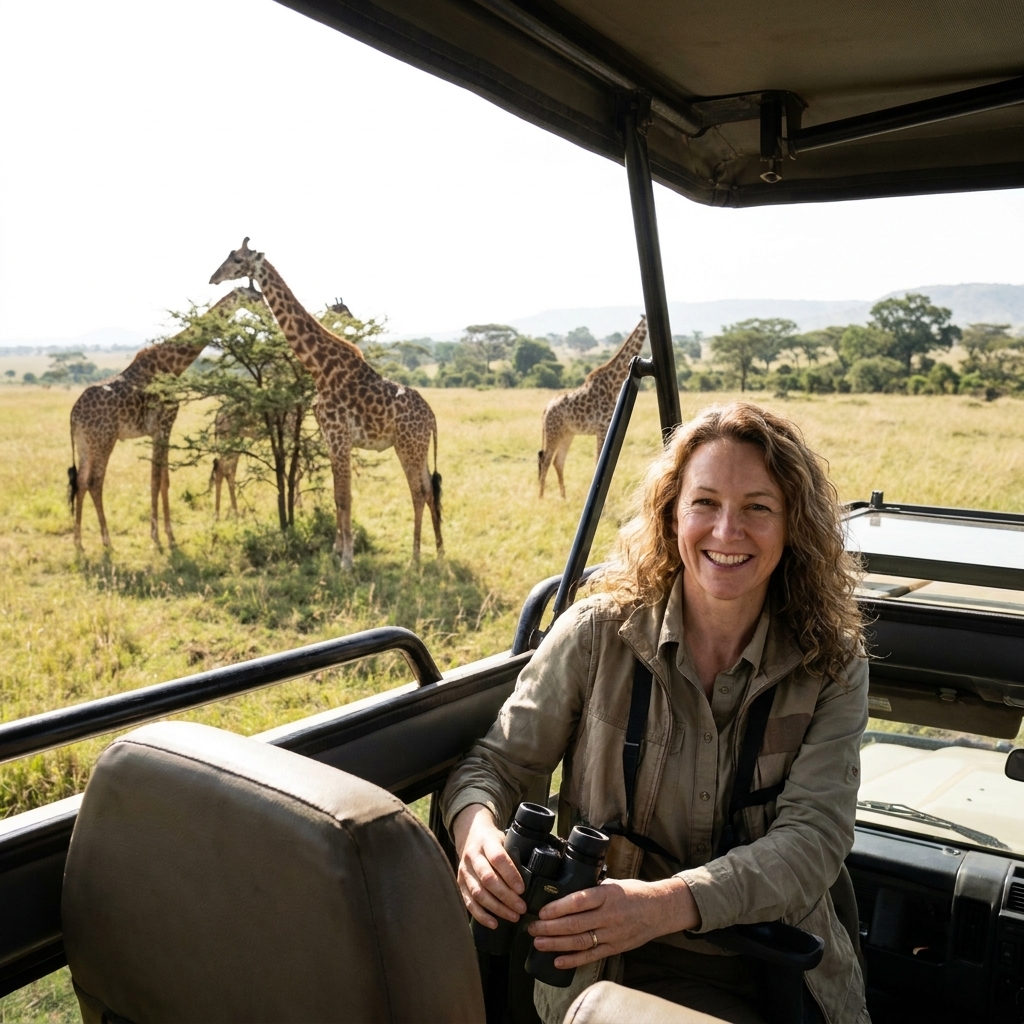
- Bring binoculars: they are not just for birds. They make distant habitats more exciting for kids.
- Charge your phone: maps, encounter reservations, and photos eat battery fast.
- Set expectations: animals are not performers. Some days they are playful. Some days they nap. That is normal.
- Photo tip for safaris: wipe your windshield before you enter, and consider a polarizing filter to cut glare if you are shooting through glass.
FAQ
Are drive-through safaris safe for kids?
Yes, when you follow park rules. Keep hands inside, do not feed animals unless the park allows it, and do not stop or get out on the route. If a safari park does allow windows down in certain zones, follow those guidelines closely.
Are there vehicle restrictions for drive-through safaris?
Often, yes. Many safari parks prohibit motorcycles, open-top or soft-top vehicles (including some convertibles and Jeeps), and riding in truck beds. Some parks also restrict oversized vehicles. If you are in a rental car, scan your agreement too, since some contracts prohibit driving through animal enclosures. My planner move: check the park’s “Vehicle Requirements” page before you buy tickets.
Which is better in hot weather?
A drive-through safari can be easier if your car AC is strong and the route is not stop-and-go. A zoo can be great if it has indoor exhibits and lots of shade. If you hate heat, look for attractions with early entry, misting fans, and indoor buildings.
Do drive-through safaris damage your car?
Usually no, but there is risk in parks where animals approach vehicles, especially if feeding is involved. Follow the rules, keep a safe distance, and do not bring a vehicle you would be devastated to see scratched.
Can you do both in one trip?
Absolutely, and it is a fun one-two punch. If you are visiting for a long weekend, do the safari in the morning (quick, exciting) and a zoo on another day when you can take your time with exhibits and talks.