Street art is my favorite kind of “museum” because it is alive, it changes overnight, and it makes you look at a city like a local. One block is a gallery, the next block is a snack stop, and suddenly you have accidentally built the perfect afternoon.
Below are 10 urban destinations where murals are not just a side quest; they are the main event. For each city, I am flagging the best neighborhood(s) to start in, what makes the scene special, and the easiest way to explore: guided walking tour (for stories, artist context, and hidden pieces) or bike ride (for covering more ground fast).
Guided tour or bike rental
- Book a guided walking tour if: you want artist backstories, meaning and context, alleyway finds, or a curated route when time is tight.
- Rent a bike if: the art is spread across districts, you want to cover more walls quickly, or you are building food stops into the ride.
- Best of both worlds: do a 90-minute guided walk on day one, then return on your own the next morning to re-photograph favorites in better light.
My planning rule: if the district is compact and dense, walk it. If it is a chain of neighborhoods, bike it.
Quick reality check: what is sanctioned vs. unsanctioned varies by city and even by block. Tours tend to focus on legal walls and public spaces, which is helpful if you want great art without accidentally wandering onto private property.
1) Miami, Florida, USA
Where to go
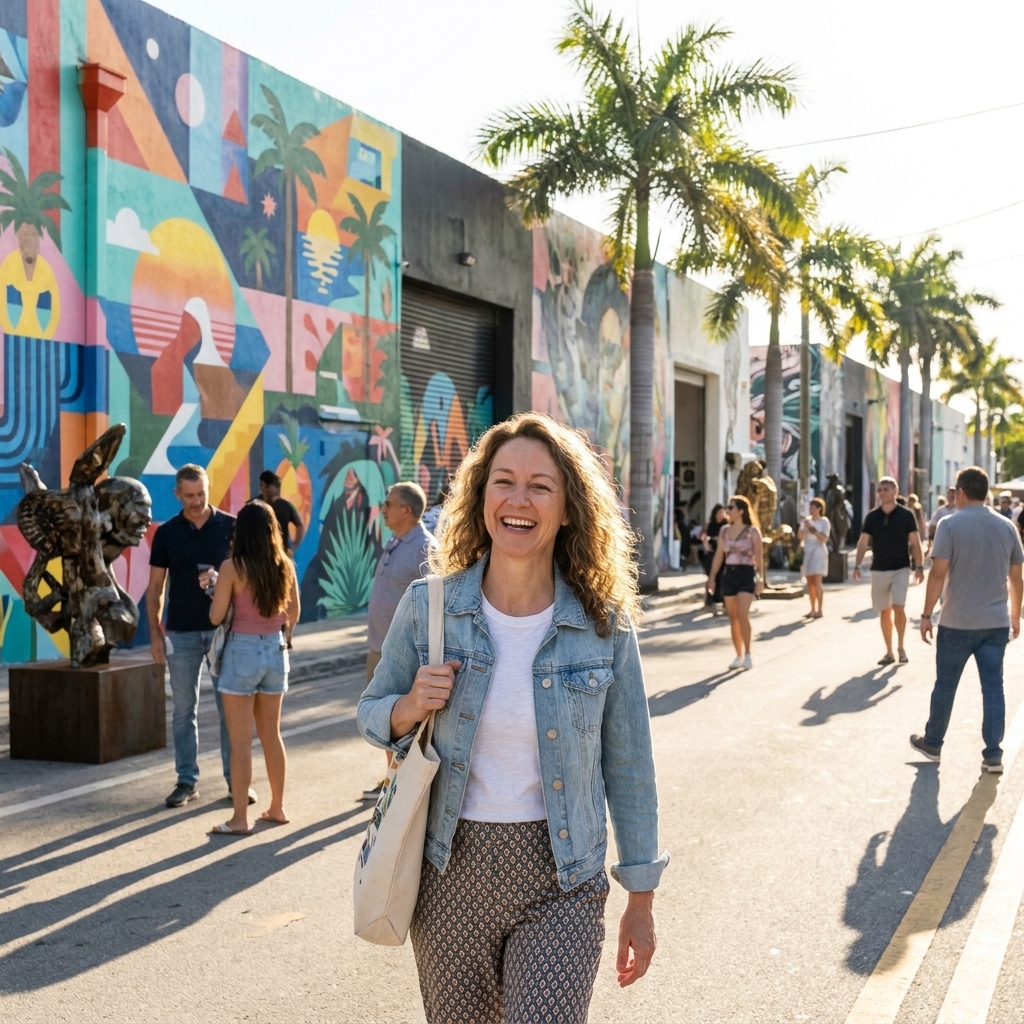
Wynwood is the headliner, especially around Wynwood Walls and the surrounding warehouse blocks. You can also dip into the Design District for a more polished, architecture-forward vibe.
Why it is spectacular
Color, scale, and density. You can turn one corner and get hit with a full-building portrait that changes the mood of an entire block.
Best way to explore
Guided walking tour if you want context and the “who painted what” stories. Bike if you want to pair Wynwood with the Design District in one outing.
- What to expect: it can get busy in the middle of the day, especially near the most famous walls. Early morning feels calmer and more local.
- Timing tip: go early for fewer crowds and cleaner photos, then come back at golden hour for the glow.
- Snack break: Wynwood is built for grazing , so plan one sit-down and one grab-and-go stop.
2) Los Angeles, California, USA
Where to go
Start in the Arts District (DTLA), especially around the Traction Avenue area for walkable blocks with a lot of walls per step. Then consider hopping to Venice if you want beach energy with your street art.
Why it is spectacular
LA murals tend to go big. Expect glossy portraits, graphic lettering, and plenty of walls that feel like they were made to be seen from a moving car.
Best way to explore
Bike works well for Venice. Guided walk is perfect for the Arts District because guides can stitch together the area’s creative history with what is on the walls right now.
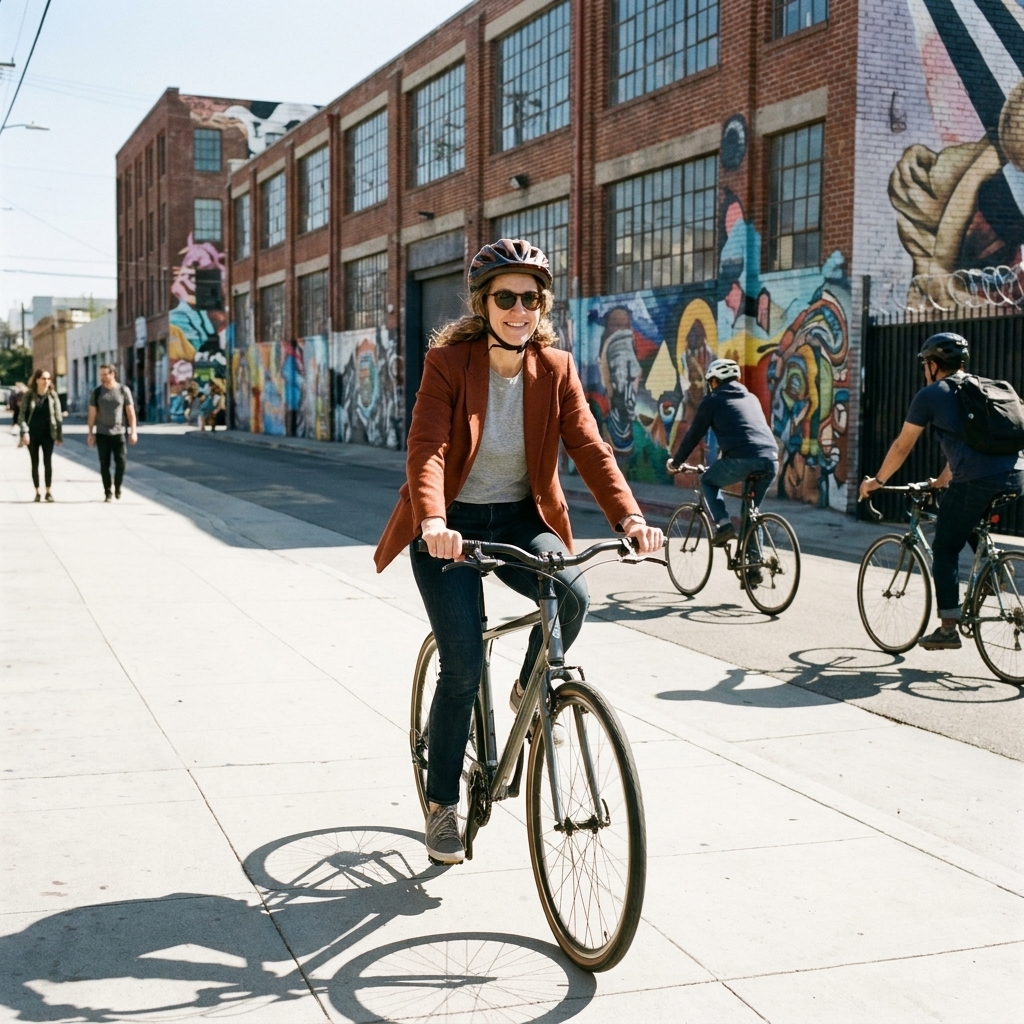
- What to expect: this is a spread-out city, so think in clusters. Pick one neighborhood per session, then reset with a meal.
- Getting around: if your itinerary spans neighborhoods, treat murals like mini-stops between plans, not one continuous walk.
3) New York City, New York, USA
Where to go
Bushwick in Brooklyn is the mural magnet. Current hotspots often include the area around Wyckoff Avenue with side streets like Troutman Street and Jefferson Street, where you can build an easy loop. Also keep an eye out in the Lower East Side and Harlem for powerful community-focused pieces.
Why it is spectacular
NYC street art has attitude and range. The turnover is fast, so you are always chasing something new.
Best way to explore
Guided walking tour. Bushwick is best with someone who knows the current walls and can help you spot smaller works tucked between warehouses.
- What to expect: some of the best pieces are not on big avenues. You will be ducking into side streets, so having a route helps.
- Photo tip: bring a wide-angle lens option if you have one. Some walls are massive and streets are narrow.
4) Philadelphia, Pennsylvania, USA
Where to go
Philadelphia is famous for its Mural Arts program, so murals are spread across many neighborhoods. Start around Center City and South Philly, then branch out based on what you want to see.
Why it is spectacular
This is one of the strongest places in the US to see large-scale public art that is intentionally commissioned, cared for over time, and, when possible, restored or retouched as needed. A lot of it is rooted in community storytelling, which makes the walls feel like neighborhood history you can stand in front of.
Best way to explore
Guided tour if you want the deeper “why this wall exists” narratives. Bike is great if you are trying to connect multiple neighborhoods in one day.
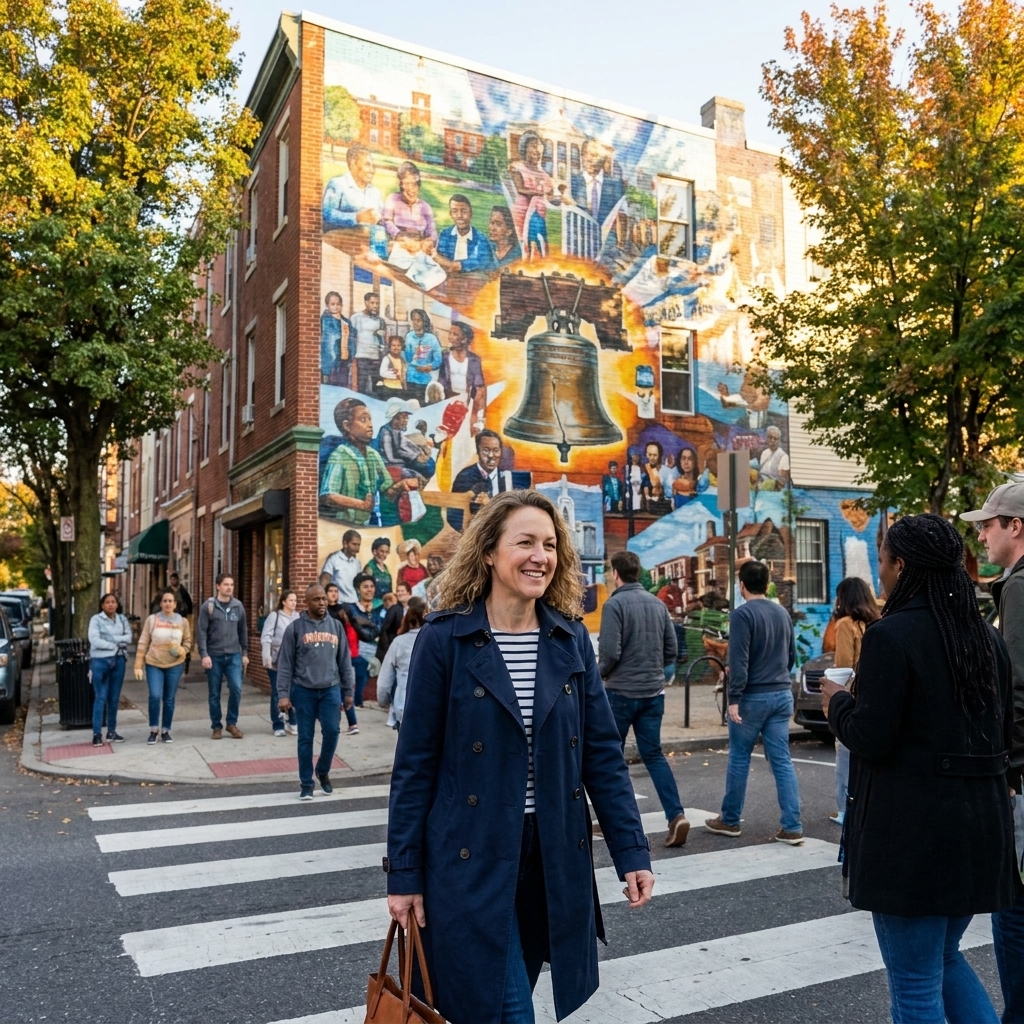
- What to expect: the vibe is more citywide treasure hunt than single-district takeover, which makes it feel earned in a satisfying way.
5) Montréal, Québec, Canada
Where to go
Head to the Plateau-Mont-Royal and along Boulevard Saint-Laurent, where you can bounce between major walls and smaller surprises tucked into side streets. A solid, simple spine is Saint-Laurent between the Plateau and Mile End, with detours when something catches your eye.
Why it is spectacular
Montréal’s mural scene blends European arts energy with North American scale. You will find bold typography, graphic designs, and portrait work that stops you mid-step.
Best way to explore
Bike. The city is bike-friendly in many areas, and murals are spaced out in a way that rewards cruising.
- What to expect: lots of “oh wow” walls appear between cafés and boutiques, so keep your head up even on the quieter blocks.
- Planning note: if your trip overlaps with the city’s mural festival season, you can catch new work going up in real time.
- Comfort tip: pack a light layer. Even in warmer months, evenings can cool off fast.
6) Mexico City, Mexico
Where to go
Explore Roma and Condesa for contemporary street art along leafy avenues, then consider Centro Histórico for classic architecture backdrops and big cultural visuals. If you want a muralism detour that is not street art but absolutely worth your time, add a quick stop inside a landmark like the Palacio de Bellas Artes.
Why it is spectacular
Mexico City is layered. You can go from playful modern pieces to art that pulls from deep cultural and political roots in just a few blocks.
Best way to explore
Guided walking tour in Roma and Condesa is my pick for local context and smooth navigation, especially on a first visit. Bike can be fantastic on calm routes or on a structured bike tour.
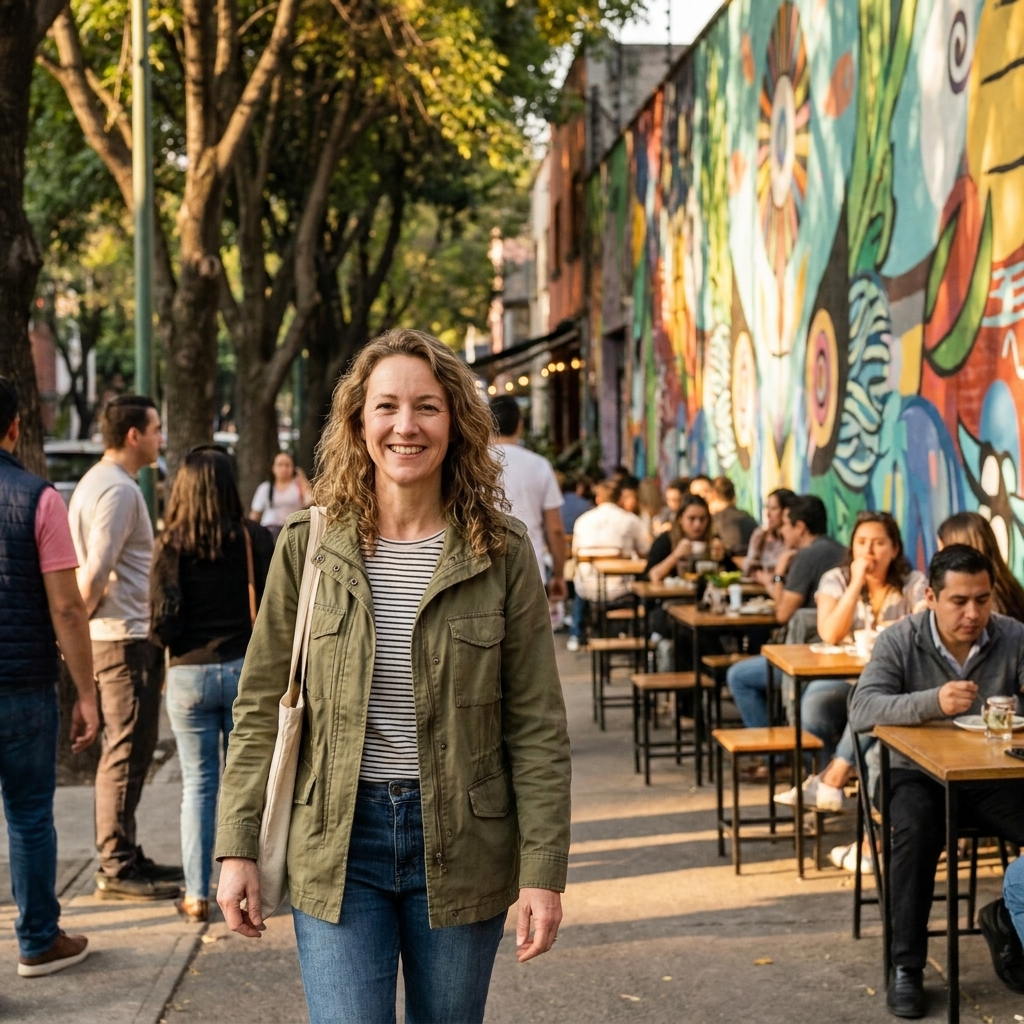
- What to expect: the best days feel like a choose-your-own-adventure between walls and food. Stick to well-trafficked streets, use standard big-city precautions, and consider a guide at night or for a first visit if you want extra ease.
- Planner note: schedule mural time around meals. These neighborhoods are built for snack breaks.
7) Berlin, Germany
Where to go
The East Side Gallery is the iconic open-air stretch, but do not stop there. Neighborhoods like Kreuzberg and Friedrichshain are packed with political art, experimental pieces, and ever-changing walls. If you want a straightforward starting corridor, begin around the Schlesisches Tor area and wander outward from there.
Why it is spectacular
Berlin’s street art feels like a conversation with the city’s history. It is raw, thoughtful, and often challenging in the best way.
Best way to explore
Guided walking tour if you want historical framing and artist perspective. Bike is also excellent because the top districts connect well, and the city rewards movement.
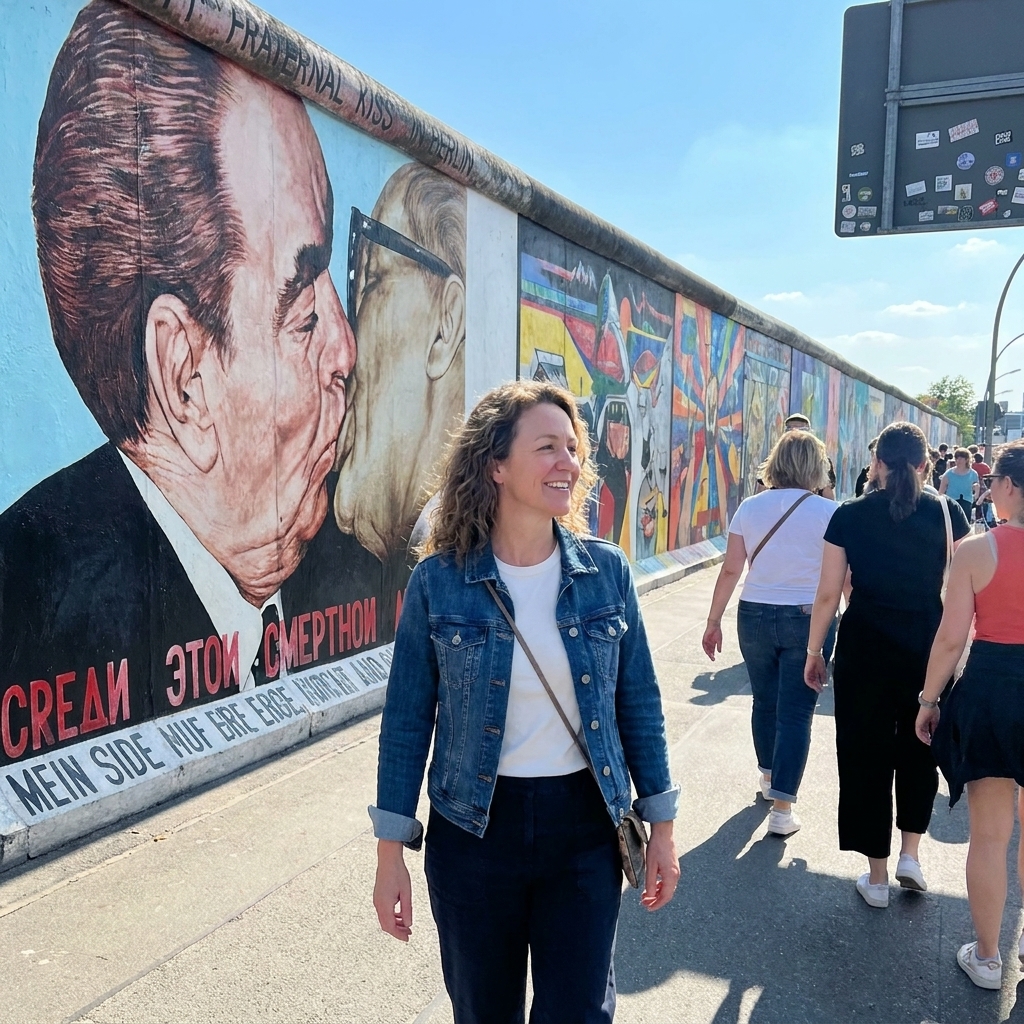
- What to expect: some walls are stable icons, while others rotate fast. You get both the classics and the surprise factor in one trip.
8) London, England, UK
Where to go
Shoreditch is the easiest win for first-timers, especially around Brick Lane and nearby side streets like Redchurch Street where new work pops up constantly. Also consider Brixton for powerful community murals and a different pace.
Why it is spectacular
London’s scene is quick, clever, and always in motion. You will see paste-ups, stencils, and full-scale walls layered into everyday streets.
Best way to explore
Guided walk in Shoreditch is worth it to understand what you are seeing and to catch pieces that disappear quickly. Bike works if you are linking neighborhoods, but traffic can be intense for casual riders.
- What to expect: a lot of the best stuff is here today, gone tomorrow. Treat your favorite finds like temporary exhibits.
- Weather hack: carry a compact umbrella and plan a cozy café stop so rain does not derail you.
9) Melbourne, Australia
Where to go
Start with the famous laneways like Hosier Lane and nearby CBD spots like ACDC Lane, then branch out to neighborhoods where larger murals live on the sides of buildings.
Why it is spectacular
Melbourne is a street art scavenger hunt. The laneway culture makes it feel like you are stepping into a hidden, constantly evolving gallery.
Best way to explore
Guided walking tour for the laneways. You will learn what is commissioned, what is ephemeral, and what details most visitors miss. Bike if you are pushing beyond the CBD to hunt bigger walls.
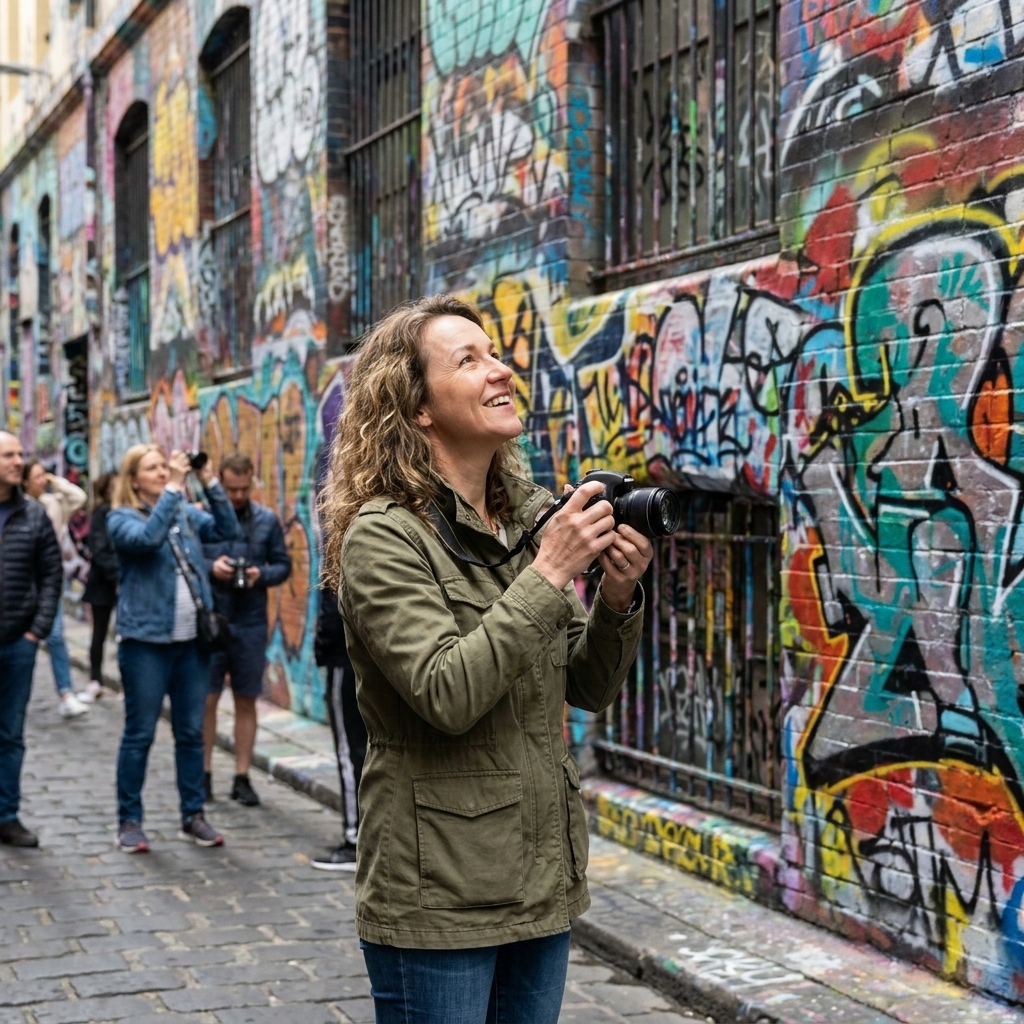
- What to expect: the laneways are busy and photo-heavy, but step one street over and it gets quieter fast.
10) São Paulo, Brazil
Where to go
Start in Vila Madalena, especially Beco do Batman, for an easy, high-reward mural loop. For big-city scale, look along major arteries like Avenida Paulista and into parts of Centro, where you can find striking large-format works mixed into the daily rush.
Why it is spectacular
Scale and boldness. Many of the most memorable pieces feel dramatic and expressive, sometimes stretching across huge building surfaces. To me, São Paulo’s street art culture reads as deep and confident, and it shows once you start paying attention to the walls.
Best way to explore
Guided tour is the smart move for first-time visitors because distances, traffic, and neighborhood logistics can be tricky. Consider a bike tour only if it is structured and local-led. Otherwise, mix metro rides with short walks between clusters.
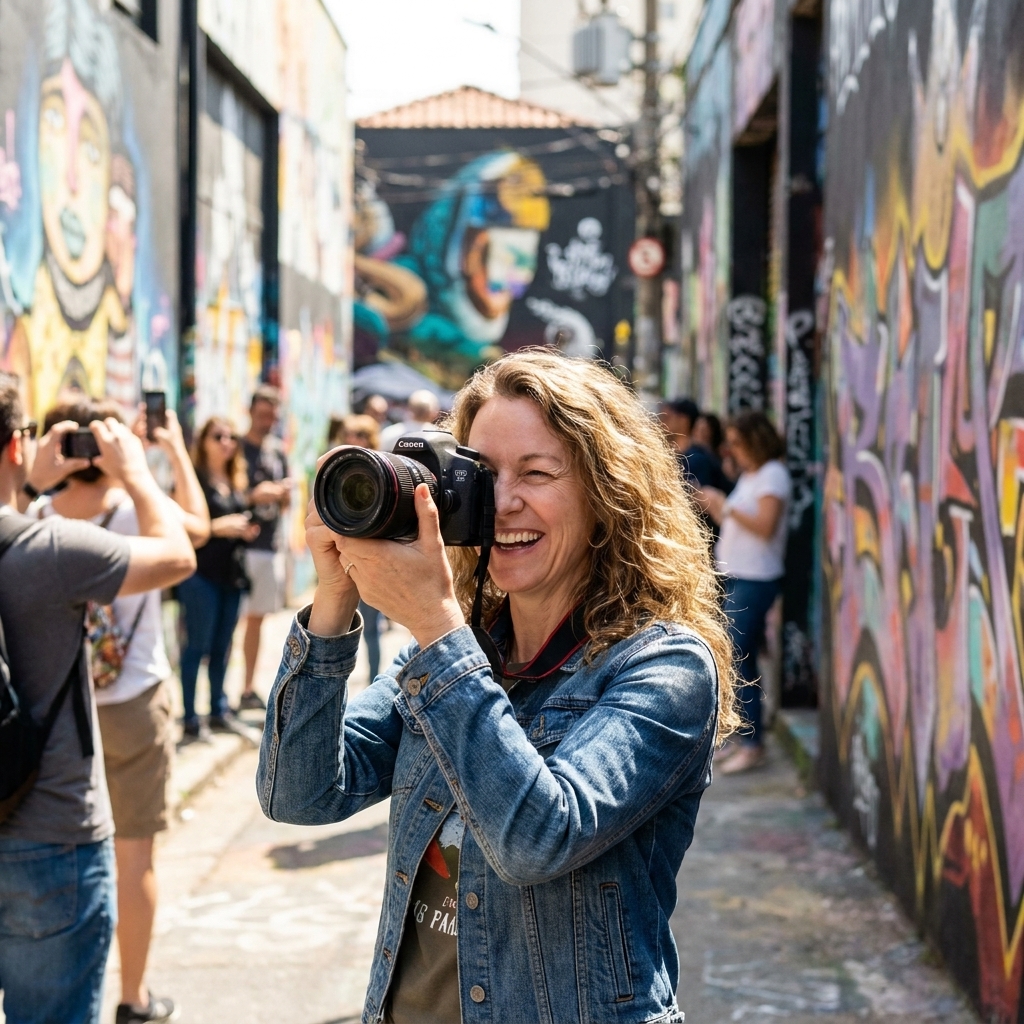
- What to expect: it is huge and high-energy. Planning pays off here more than almost anywhere on this list.
Quick itinerary hacks
- Go early, return late: do a morning pass for crisp photos and a golden-hour pass for the vibe. Midday is best for shaded alleys, not wide streets.
- Build a three-stop route: 1) mural cluster, 2) coffee or street food, 3) second mural cluster. Anything more and you risk burnout.
- Respect the space: murals live in real neighborhoods. Watch driveways, do not block doorways, and keep volume down near residences.
- Ask before you frame people: photographing a wall is one thing. Photographing someone up close while they are trying to live their life is another. A quick ask goes a long way.
- Do not enter active work areas: if an artist is painting, give them room and do not cross tape, cones, or ladders. Think of it like a studio in progress.
- Know the basics: treat doors, gates, and private courtyards as off-limits unless clearly public. If you are unsure, keep moving. The best wall is never worth being intrusive.
- Comfort matters: wear shoes you can walk in for hours, and bring water. Street art days are sneakily athletic.
FAQ
Do murals change a lot?
Yes, especially in fast-moving districts like Bushwick, Shoreditch, and Melbourne’s laneways. If you are traveling for a specific wall, treat it like a bonus, not a guarantee.
Are guided tours worth it?
If you like stories, history, and artist context, absolutely. A good guide also saves you time by taking you straight to current highlights and explaining what you are seeing beyond the photo.
What should I bring?
Comfortable shoes, water, sunscreen, and a portable battery. If you are biking, add a small crossbody bag and a light layer for changing weather.