I grew up in the shadow of Orlando attractions, so I am very comfortable with crowds, lines, and kids who suddenly decide their shoes are optional. But the first time I took a toddler into a major art museum, I learned a new truth: a museum visit with little ones is not about seeing everything. It is about seeing the right things, at the right pace, with the right snacks.
This guide is my go-to playbook for turning a “please do not touch” building into a calm, surprisingly fun outing for families, couples babysitting nieces and nephews, and solo parents who just want culture without chaos.
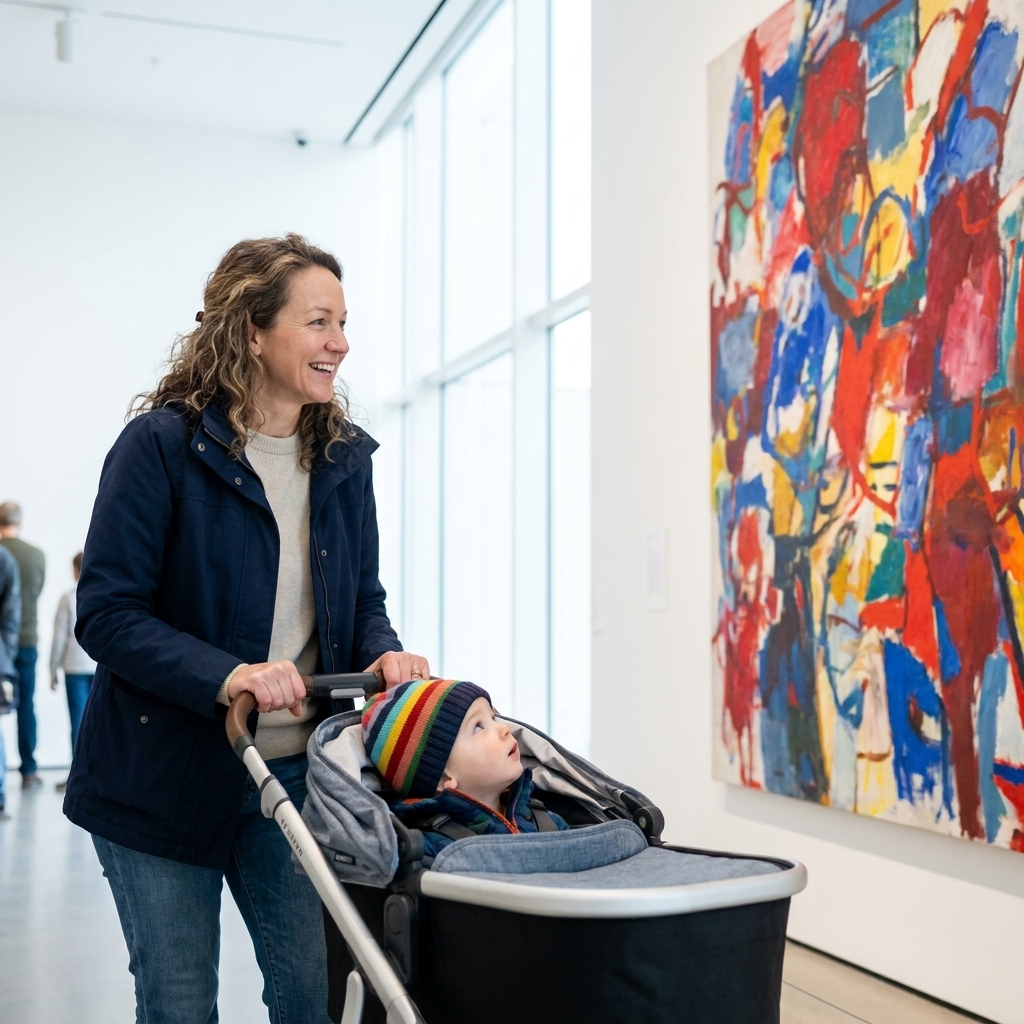
Set expectations: aim for 60 to 90 minutes
As a starting point, many toddlers do best with about 60 to 90 minutes in a big museum before attention and patience fall off a cliff. Plan for a short, high-quality loop instead of an all-day marathon.
- Toddler starting point: often 45 to 90 minutes in galleries, plus time for a snack and a restroom stop.
- Pre-K starting point: often 90 to 120 minutes with one longer break.
- Best mindset shift: You are building familiarity, not completing the collection.
If you leave while everyone is still mostly happy, your child will remember museums as a positive place. That is the long game.
Best times to go
Aim for fresh energy
My favorite arrival time is right at opening. Galleries are quieter, security lines are shorter, and your toddler is more likely to follow basic instructions like “feet on the floor.”
- Best: Weekday mornings, right at opening.
- Also good: Early afternoon on weekdays after lunch, if your child naps well in a stroller.
- Usually toughest: Weekend midday, free admission windows, and late afternoons when everyone is tired.
Check the calendar
If the museum has a big member event, school tour day, or special exhibit opening, that can mean packed lobbies and less patience for little voices. A quick look at the events page can save your whole mood.
Tickets and entry
A little logistics up front can save you from starting the day already frazzled.
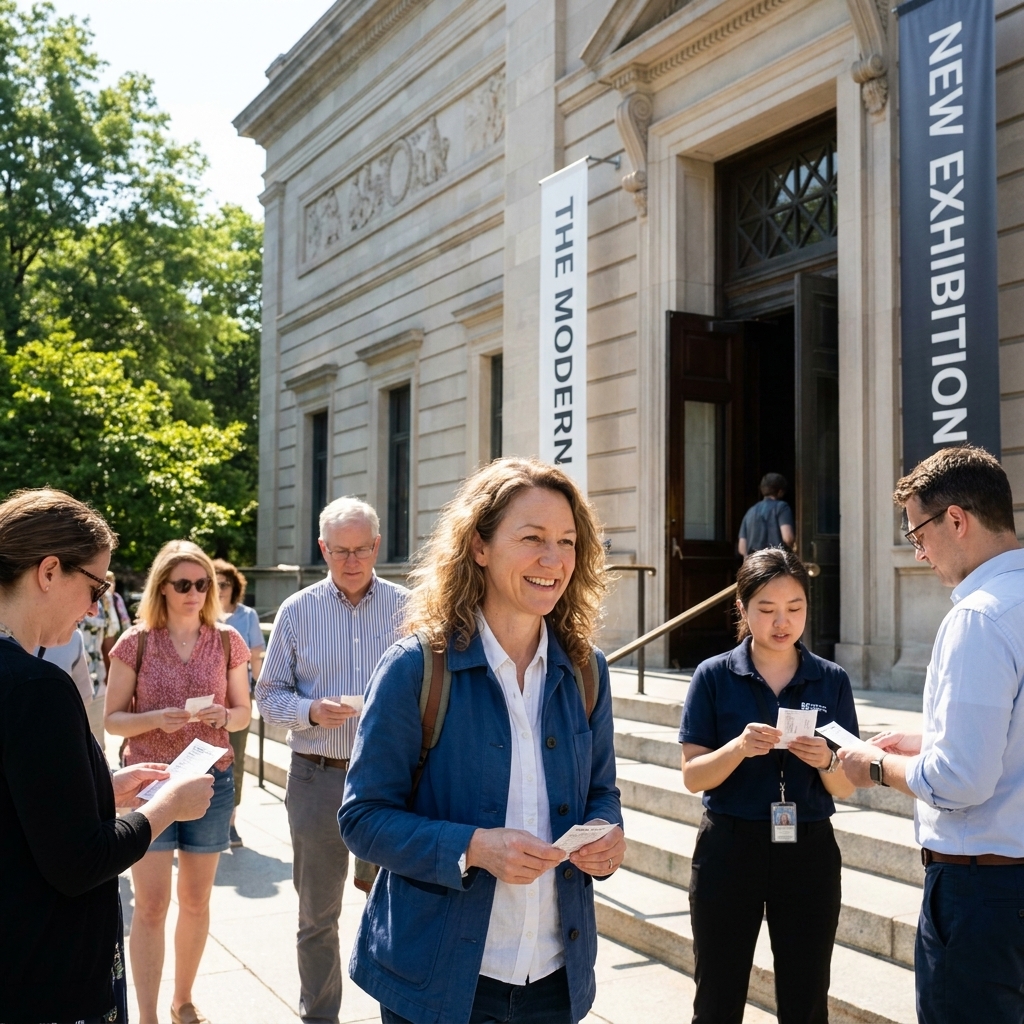
- Timed-entry tickets: If your museum uses time slots, book the earliest one you can realistically make. If you miss it, check the website or call ahead to see what their grace period is.
- Lines: Member and ticket-holder lines can be different. If you have a stroller, ask staff which entrance is easiest.
- Security and bag checks: Assume every bag gets checked. Pack so you can open and close quickly.
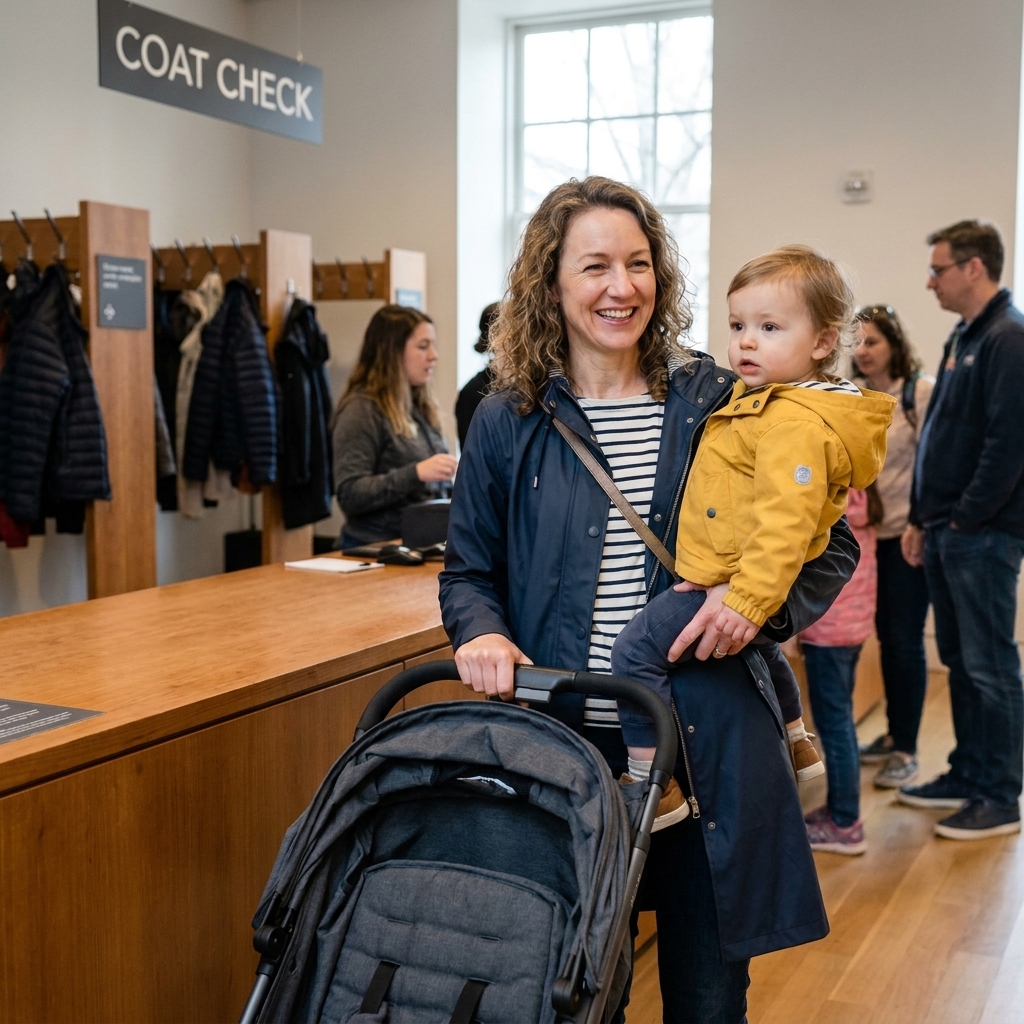
- Coat check: If there is coat check, use it. Less stuff in your hands is more peace in your brain.
What to bring
This is the packing list that has saved me more times than I can count. The goal is to avoid leaving the building in a panic because someone is hungry, sticky, or suddenly terrified of hand dryers.
- Snacks that do not crumble: pouch, string cheese, yogurt melts, soft granola bar. Avoid crackers if you want to avoid crumbs everywhere.
- Water bottle: ideally leak-resistant. (Some museums only allow sealed bottles or water only, so check policies.)
- Wipes: for hands, faces, and the occasional mystery smudge.
- Small “quiet” toy: one tiny car, a finger puppet, or a sticker book for breaks. Keep it small enough to not become a gallery hazard.
- Light layer: museums can feel chilly compared to outside.
- Stroller plan: stroller rules vary by museum and by exhibit. Many allow strollers in most galleries, but some special exhibitions do not.
Pro tip: If your toddler is a runner, bring a baby carrier as a backup. Strollers are great until the moment they are not.
Plan your route
Major art museums are designed for wandering. Toddlers are designed for sprinting. A simple route keeps you in control without feeling rigid.
The 3-2-1 route
- 3 galleries you truly want to see
- 2 kid-friendly stops (sculpture court, big colorful modern room, fountain atrium, any hands-on family space)
- 1 guaranteed break (snack, restroom, or outdoor courtyard)
Start with the crowd-pleasers
Do the “wow” stuff first, not last. Think: huge paintings, shiny sculptures, rooms with dramatic lighting, anything with animals, boats, dancers, or bold color. Save quieter, text-heavy galleries for another day.
Pick exhibits kids actually like
These tend to land well with ages 1 to 3:
- Sculpture gardens and courtyards: 3D art feels more real and gives built-in “walk around it” movement.
- Modern and contemporary galleries: big shapes and bright color hold attention longer than subtle details.
- Arms and armor rooms: if your museum has one, it is toddler catnip.
- Impressionists: lots of light, outdoor scenes, people, and movement.
- Any gallery with animals: horses, dogs, birds, mythical creatures, you name it.
Keep toddlers engaged
Your toddler does not need an art history lecture. They need a simple game and permission to be curious in a respectful way.
Use simple rules
- Hands behind back when we get close to art
- Walking feet in the galleries
- Inside voice like a library
I say it once before we enter, and then I reinforce it with quick reminders. Long speeches backfire.
Try these quick games
- Color hunt: “Can you find something red in this room?”
- Shape hunt: circles, triangles, stripes.
- Animal spotting: “Who can find a bird?”
- Feelings faces: “Is that person happy, sleepy, or grumpy?”
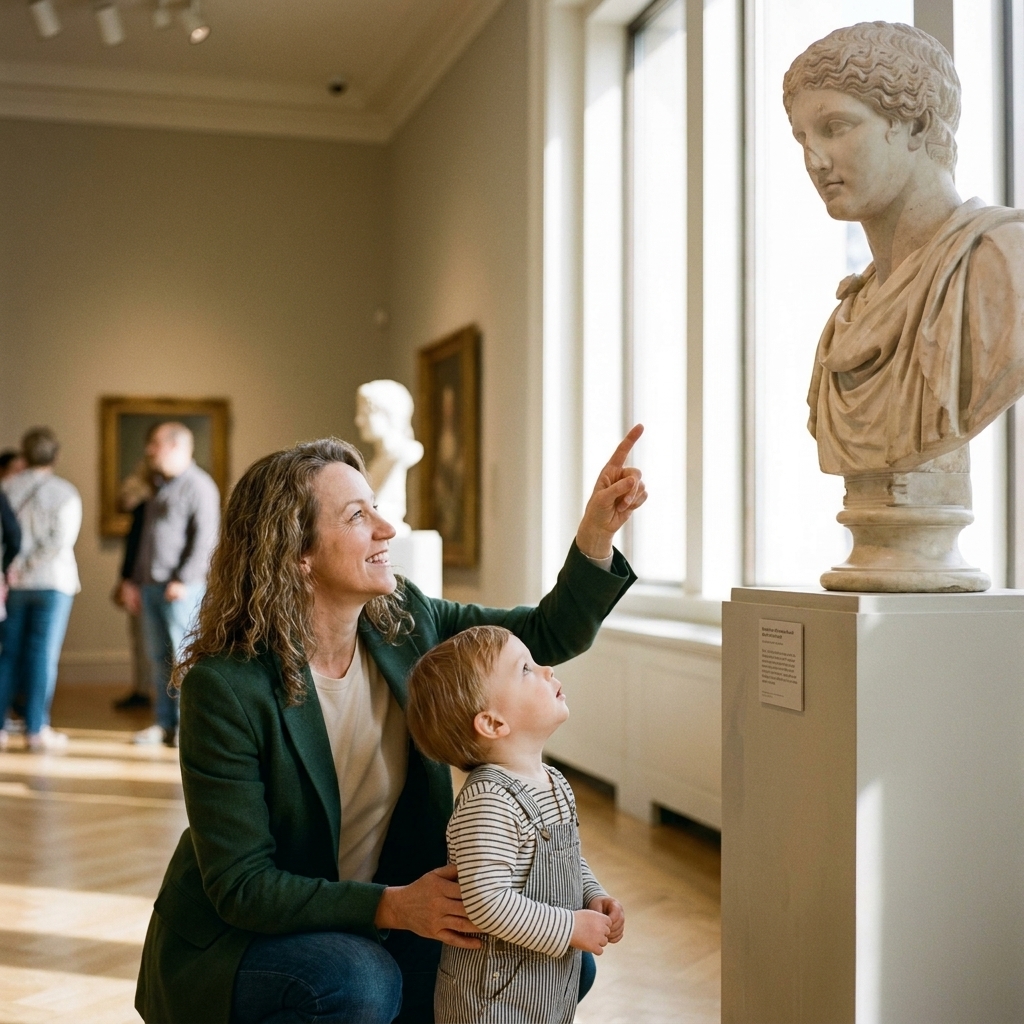
- Copy the pose: in an open space, copy a statue pose for five seconds.
Keep label-reading minimal
If you love the labels, pick one piece per room to read fully. For everything else, scan the first line and tell a one-sentence story: “This is a painting of a stormy sea,” or “That statue is made of marble.”
Snack breaks
Snack timing is everything. The best snack break is before your toddler melts down, not after.
My reliable schedule
- 10 minutes in: quick water check
- 30 to 40 minutes in: snack break if attention is fading
- 60 to 75 minutes in: decide whether you are doing one last gallery or wrapping up
Where to snack
Food rules vary, but many museums do not allow food in galleries, and for good reason. Check the museum website and look for:
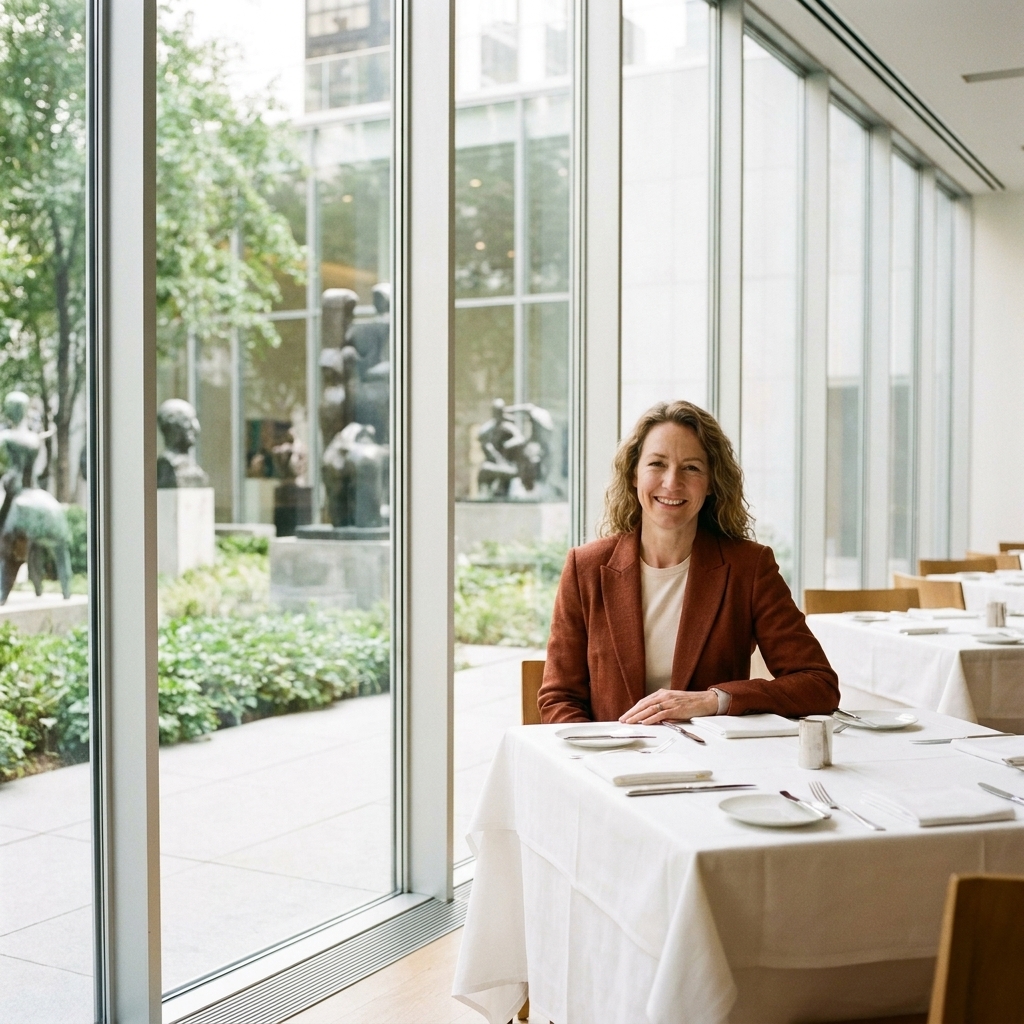
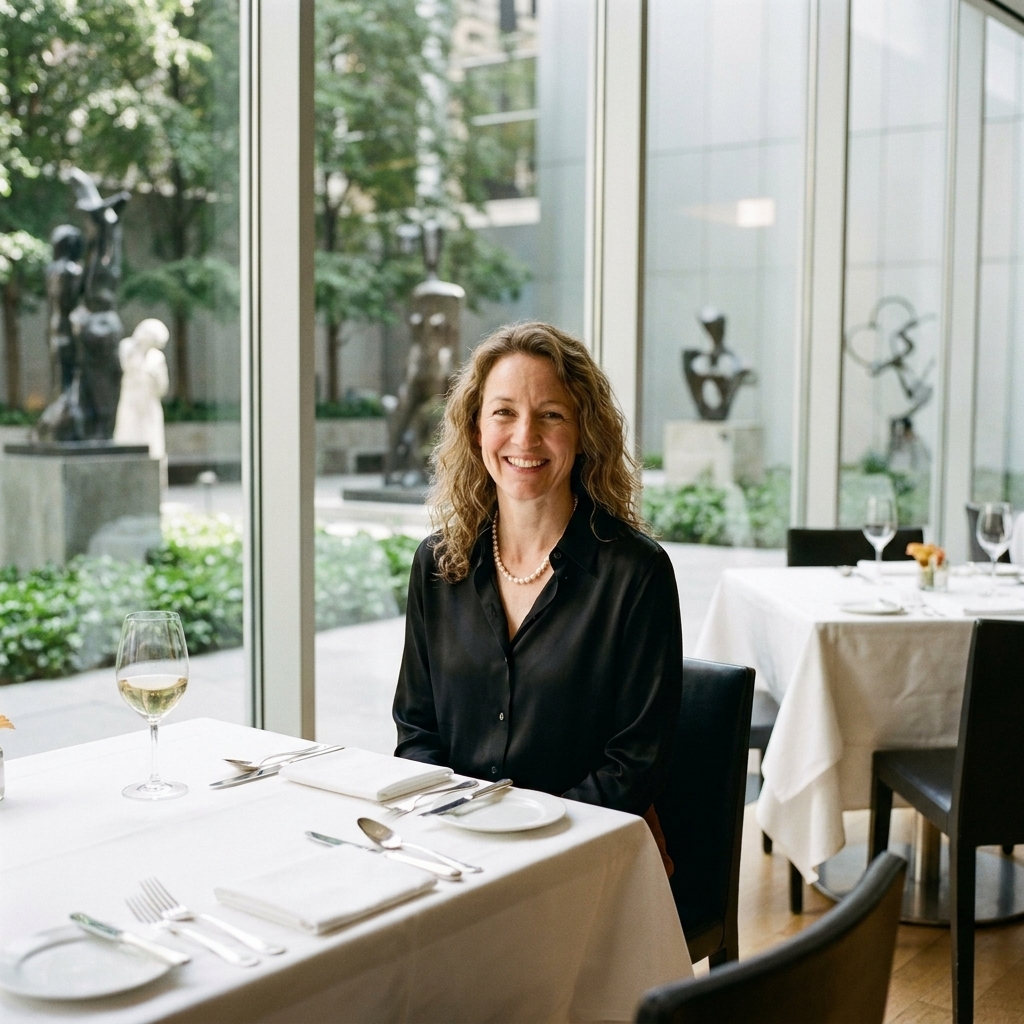
- Cafe seating (some allow outside food in designated spots, some do not)
- Lobby benches near restrooms
- Outdoor courtyards if the museum has them
- Family rooms or education areas, when available
Obsessive planner note: I like to pin the cafe and the nearest restroom on the museum map as soon as we arrive. That way, when the snack emergency hits, I am not wandering.
Restrooms and sensory needs
Restroom strategy
- Go early: do a restroom stop within the first 20 minutes, even if no one “has to.”
- Pick your restroom: some are tiny, some have bigger changing stations. Use the larger one when you find it.
- Hand dryer fear is real: pack a small hand towel or be ready to use paper towels if available.
Stroller or carrier?
Both are great. Choose based on your child and your museum.
- Stroller wins for: nap potential, carrying snacks and layers, longer visits.
- Carrier wins for: tight galleries, stairs, special exhibits with stroller restrictions, and runner phases.
Sensory-friendly moves
Major museums can be echo-y, bright, and crowded. If your child is sensitive to sound or stimulation, consider:
- Arriving at opening for lower noise
- Taking movement breaks in an atrium or courtyard
- Bringing child-sized headphones if loud spaces are a challenge
- Choosing quieter wings like photography or small decorative arts rooms, if they are not too crowded or close-quarters
Family amenities
If your museum offers these, they can make the day dramatically easier:
- Nursing or family room: a calm reset space (and a lifesaver if you need privacy).
- Diaper-changing stations: figure out which restrooms have the best setup.
- Elevators: locate them early so you are not hunting mid-meltdown.
- Stroller parking: some museums require it in certain areas.
When they need to move
Toddlers need motion. The trick is giving it to them in places where it will not stress you out.
- Look for big transitional spaces: atriums, wide hallways, sculpture courts.
- Play “slow walk”: you lead with exaggerated slow steps for 30 seconds. Kids love copying.
- Take the stairs once: if allowed and safe, stairs feel like an activity.
- Make a loop: do one gallery, then one open space, then another gallery.
Etiquette basics
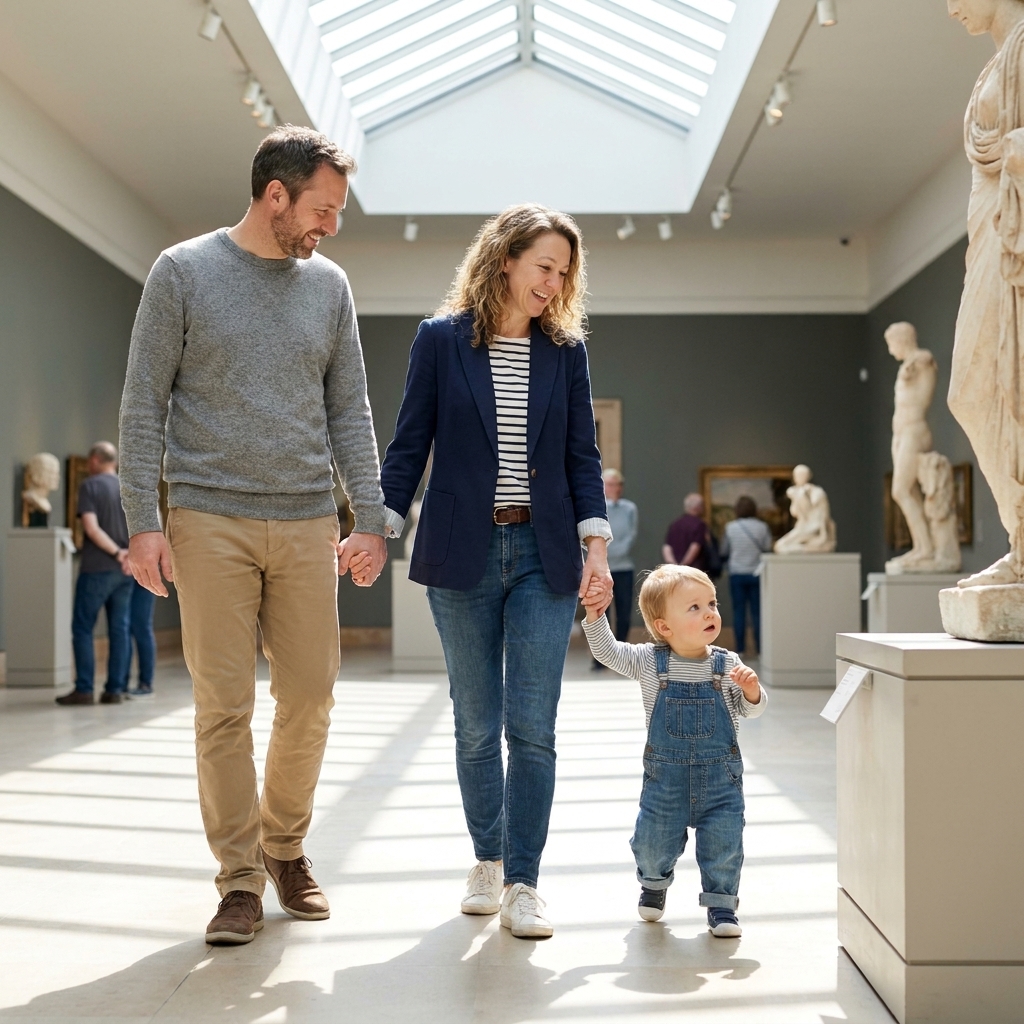
You do not need perfection. You just need the basics that keep everyone safe and comfortable.
- No touching art or cases: teach “hands behind back” near displays.
- Keep a buffer: avoid getting too close to pedestals and corners.
- Indoor voices: whisper practice works, but also, toddlers are toddlers. Step into a hallway if you need to reset.
- Photos: follow posted rules about flash, and remember some special exhibitions do not allow photos at all.
If your child has a loud moment, do not spiral. In my experience, museum staff have seen it all. Calmly relocate, reset, and keep going.
A sample 90-minute plan
Use this as a plug-and-play outline and swap in your museum’s best galleries.
0:00 to 0:10 Arrival and setup
- Restroom stop
- Stroller check or carrier adjustment
- Show your toddler the “hands behind back” move
0:10 to 0:35 Big impact gallery
- Modern color room, giant canvases, or a signature masterpiece
- Play color hunt
0:35 to 0:45 Break
- Cafe or lobby bench
- Water and one snack (if allowed in that area)
0:45 to 1:10 Sculpture court or arms and armor
- Movement-friendly space
- Copy-the-pose game (briefly)
1:10 to 1:25 One calm gallery
- Impressionists, landscapes, or animals
- Pick one label to read
1:25 to 1:30 Leave while you are winning
Gift shop temptations are real. If your toddler melts down in shops, skip it and celebrate your victory outside.
If it goes sideways
Sometimes the best plan is still no match for a missed nap.
- Reset in a hallway: step out of the gallery, breathe, offer water.
- Switch modes: stroller time or carrier time can be a full reset.
- Change the environment: go to an open atrium, windowed corridor, or outdoor space.
- Call it early: leaving is not failing. It is smart parenting.
Quick FAQs
Are art museums worth it with toddlers?
Yes, if you keep it short, pick the right galleries, and build in movement and break time. The goal is exposure and curiosity, not completion.
What age is best for a first visit?
There is no perfect age, but 18 months to 3 years can be a sweet spot for color hunts, sculpture courts, and simple stories. Start small and repeat visits when you can.
How long should we stay?
Aim for a visit length that ends on a good note. For many toddlers, 60 to 90 minutes is a solid starting point, and then you adjust based on your kid.
What should we prioritize?
Go for big visual impact: modern art, sculpture, arms and armor, animals in paintings, and bright, open spaces. Save quiet, delicate, text-heavy rooms for another day.
My final tip
Before you walk in, choose your “must-see” piece and your “must-do” break spot. If you get those two things, the trip was a success. Anything else is a bonus.
And when your toddler points at a masterpiece and says, “BIG!” like it is the greatest observation in the world, agree enthusiastically. Because honestly, they are not wrong.