I grew up near Orlando, which basically means I was raised on two types of culture: the quiet kind (air-conditioned galleries where you can hear your own thoughts) and the high-energy kind (immersive rooms, timed entries, and a gift shop that knows exactly how to tempt you). If you are deciding between a classic art museum and an interactive pop-up , you are not alone. Both can be magical. They just shine in different ways depending on your budget, your group, and how long your crew can happily stay engaged.
The quick vibe check
Before we get tactical, here is the simplest way I explain it to friends:
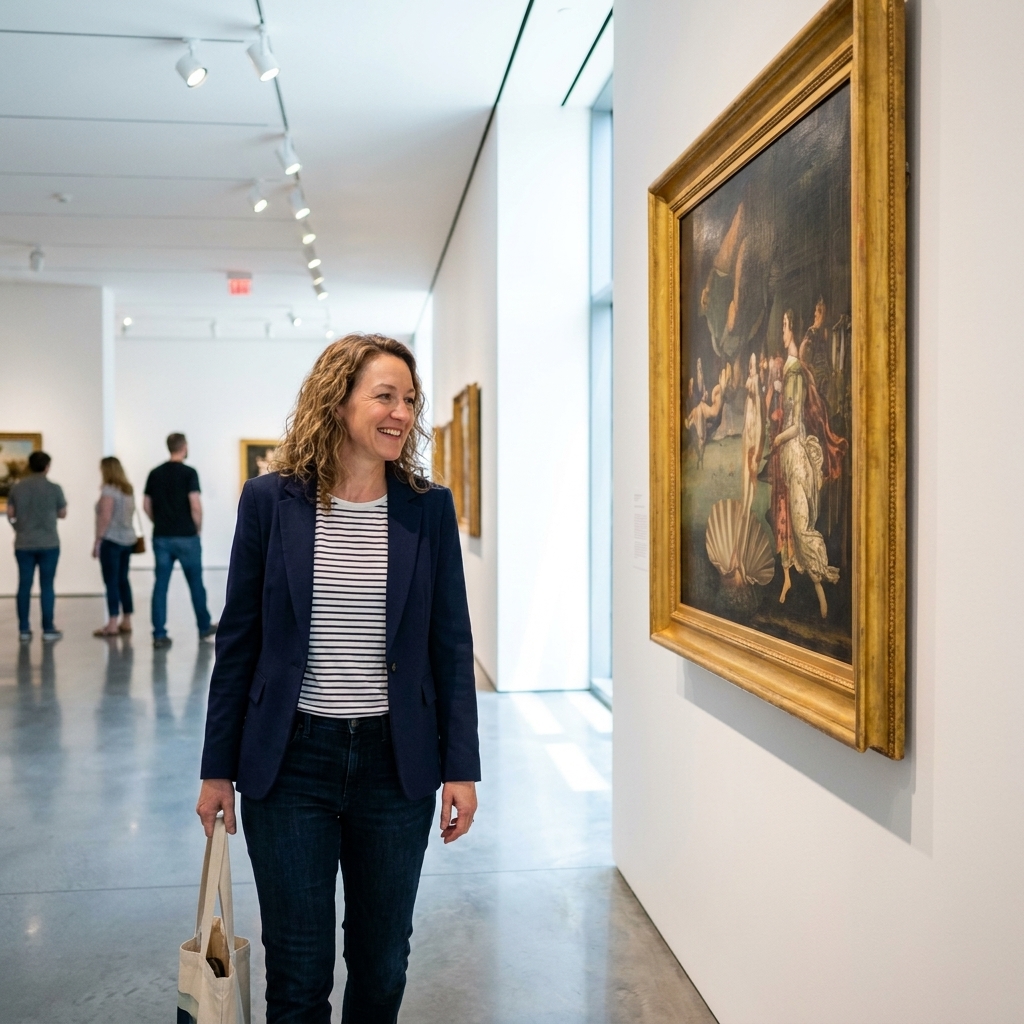
- Classic art museums are built for depth. You go for masterpieces, context, and that slow-burn feeling of being transported.
- Interactive pop-ups are built for momentum. You go to touch, pose, react, and move through curated scenes that keep your brain busy.
Neither is “better.” The right choice is the one that fits today’s mood, budget, and focus level.
What your ticket gets you
One quick note before we compare: “interactive pop-up” can mean anything from a small selfie-forward installation in a storefront to a larger immersive venue that feels closer to a museum (and sometimes is semi-permanent). So when I say “pop-up,” read it as “structured immersive experience,” and check your specific venue’s details.
Classic art museum
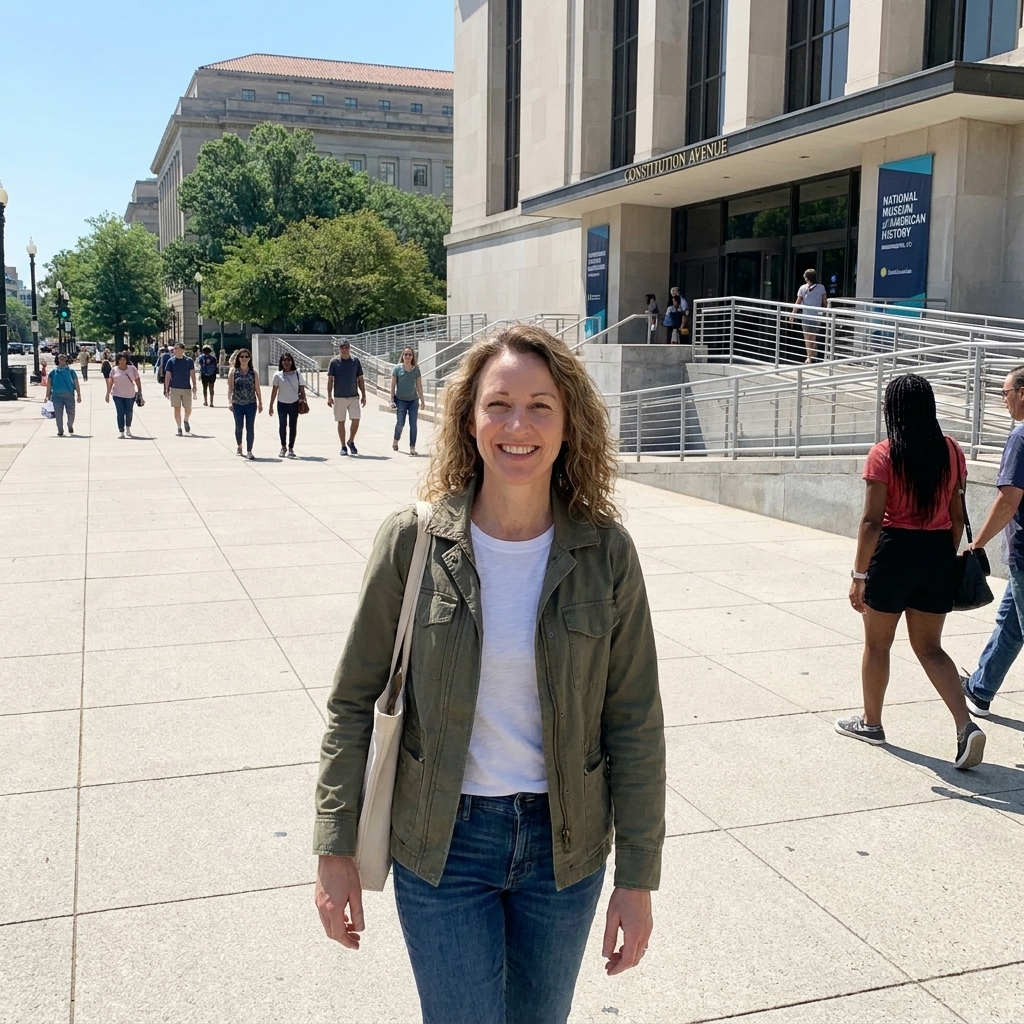
A traditional museum ticket often buys you time and variety: multiple wings, periods, and mediums. In many museums, you can stay two hours or five, skip what is not clicking, and linger when something grabs you. That said, some museums do use timed entry, limit re-entry, or close galleries intermittently, especially during special exhibitions or peak seasons.
Many museums also have extras that are easy to overlook, like docent talks (sometimes free, sometimes ticketed), audio guides, family trails, sculpture gardens or courtyards, and yes, occasionally a cafe that is better than it has any right to be.
- Best for: curious wanderers, history lovers, quiet dates, rainy days, multi-generational groups
- Main payoff: seeing original works and getting the story behind them
Interactive pop-up
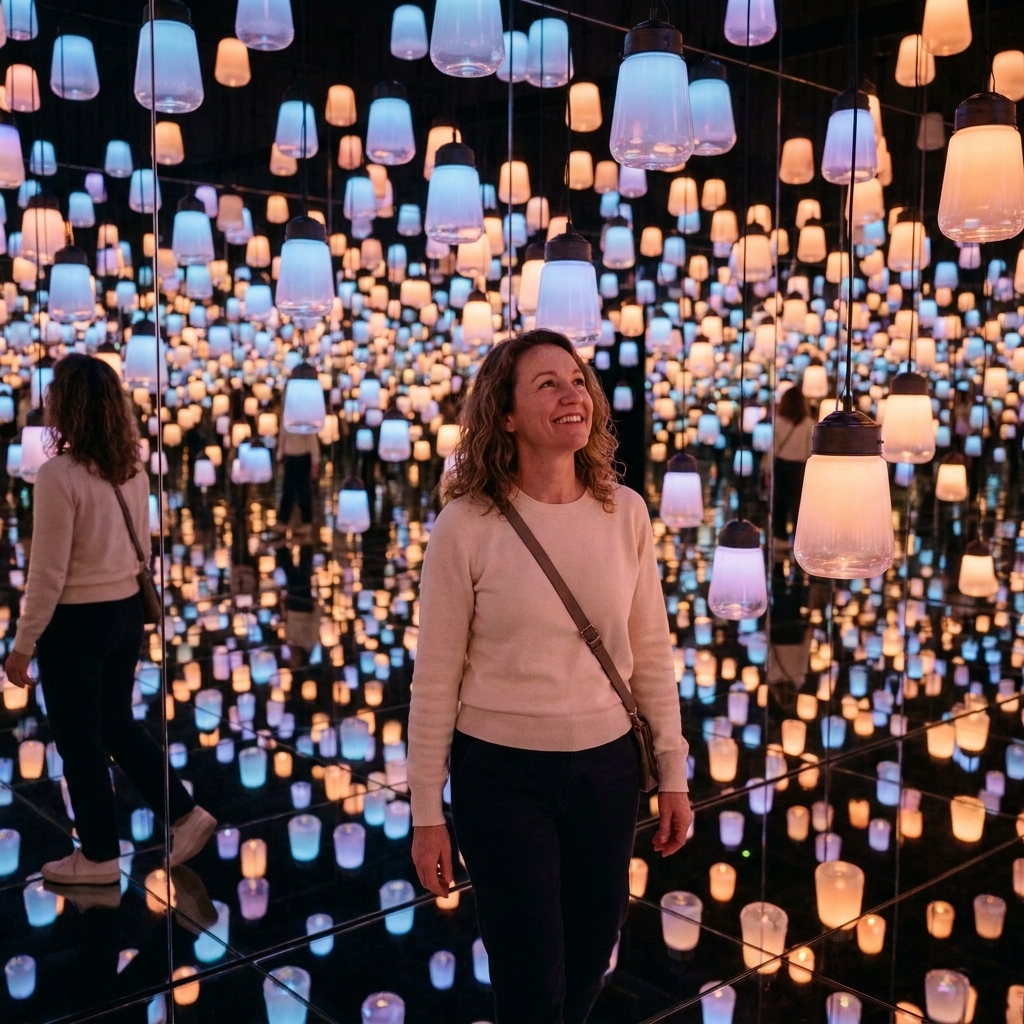
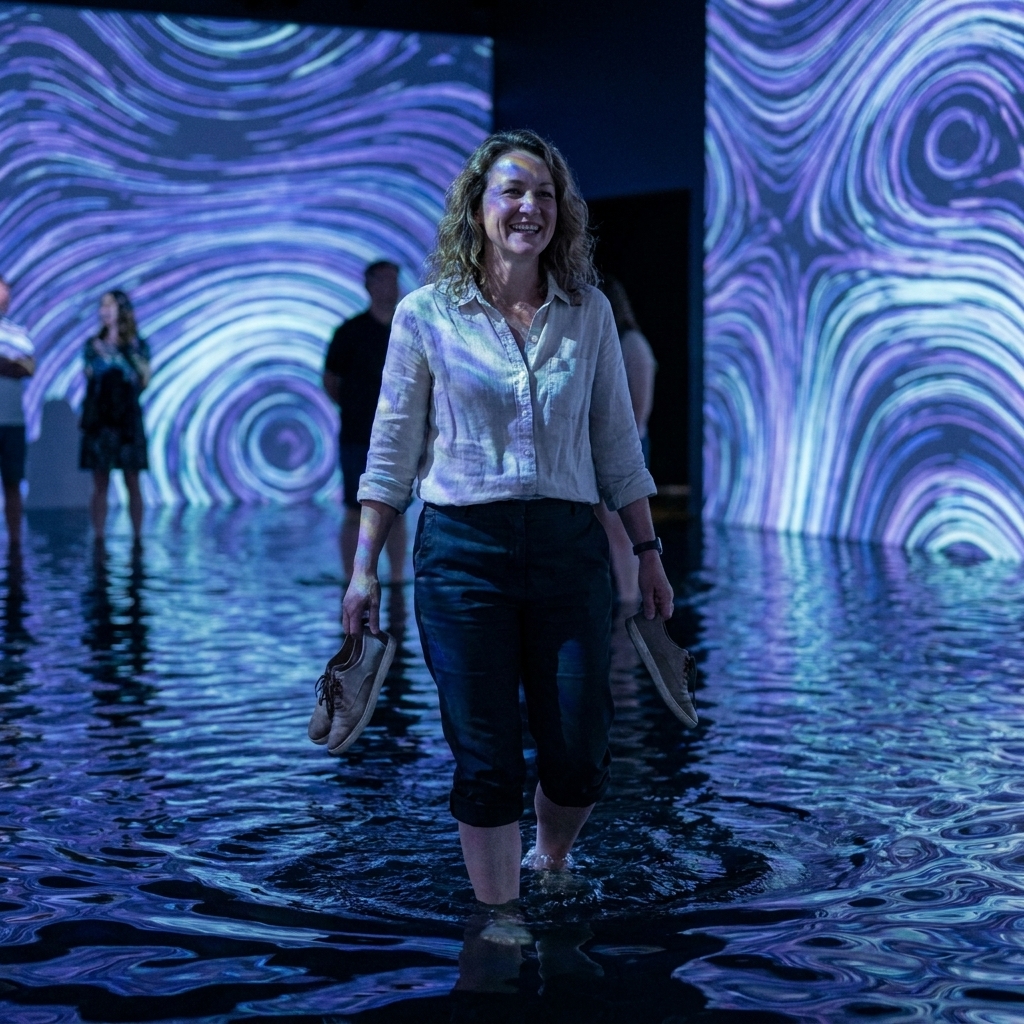
Pop-ups and immersive venues usually deliver a tightly designed set of rooms or zones. Think projection mapping, themed installations, mirrors, lights, sound, and prompts that gently push you to participate. In my experience, the win is clarity: you know what the outing is, you follow the flow, and it typically does not require prior knowledge to have fun. Many, though not all, run on timed entry, which can make the experience feel efficient and structured.
- Best for: friend groups, teens, content creators, visitors who want low-effort fun
- Main payoff: instant immersion and playful interaction, plus photo opportunities
If you want a simple mental picture: a big encyclopedic museum is a choose-your-own-adventure. A single-theme immersive show is more like a guided ride through a story.
Budget: where the money goes
Prices vary by city, but the spending pattern is pretty consistent.
Museums: often better value per hour
- Look for discounts: local-resident days, free evenings, student pricing, library passes, reciprocal memberships, and city tourist cards.
- Family math: museums often have family tickets, kids rates, and free admission under a certain age.
- Hidden savings: you can often bring a water bottle, and you are not required to buy an “experience add-on” to enjoy the space.
Pop-ups: pay for production, sometimes pay for peak times
- Timed entry can affect costs: some venues price evenings and weekends higher, while others keep it flat. It depends on the operator.
- It is easier to overspend: photos lead to prints, merch is tempting, and add-ons are common.
- Pro tip: book the first slot of the day for the calmest rooms and the best photos, usually with fewer people in the background.
If you are watching your wallet, I generally recommend: museum for a longer outing, pop-up for a special treat when you want the “wow” without committing to a full day.
Groups: kids, dates, big crews
Families with young kids
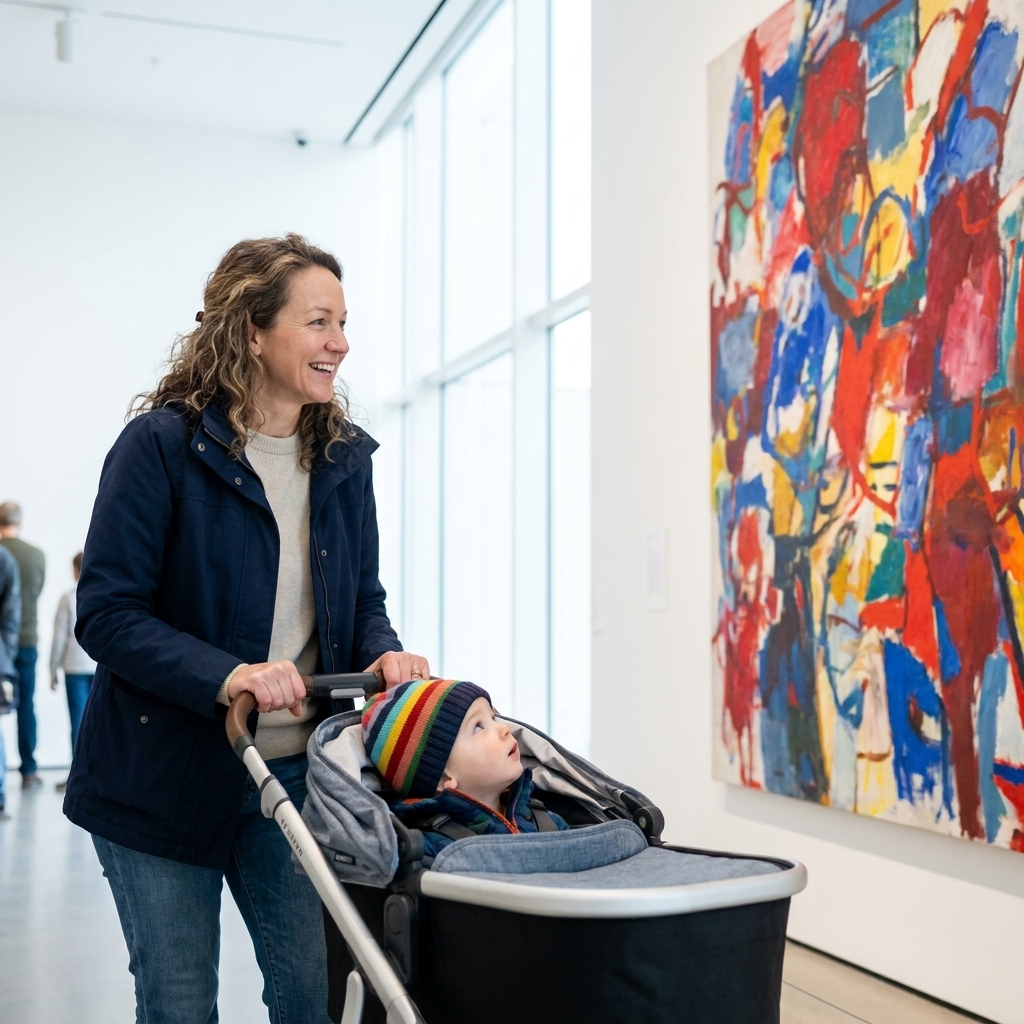
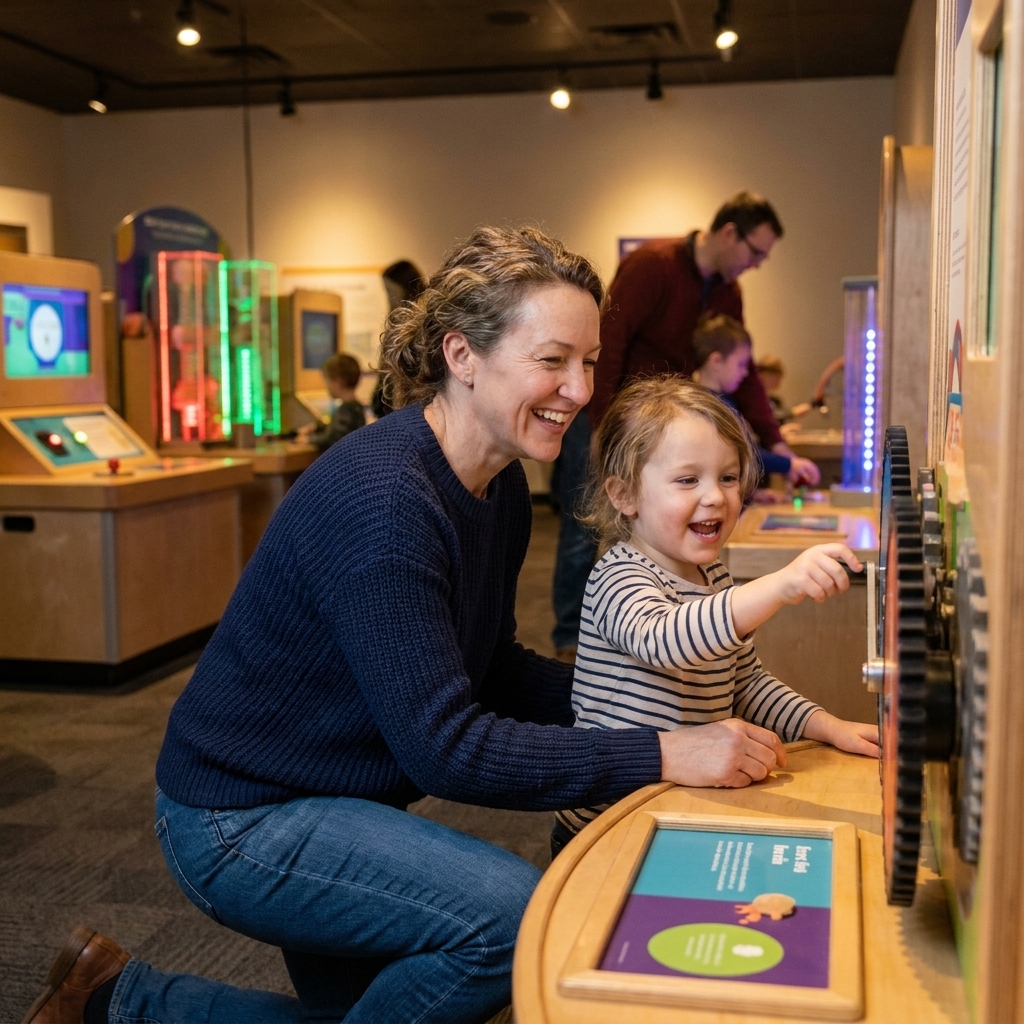
If your child loves buttons, movement, and instant feedback, a pop-up can be a lifesaver. But if your kid is easily overstimulated, the sound and lighting can backfire fast. The same goes for adults, honestly.
- Choose a museum when: there is a children’s wing, a scavenger hunt, hands-on stations, or outdoor space for breaks.
- Choose a pop-up when: the experience is clearly kid-friendly and you can complete it in 60 to 90 minutes.
Couples
For a date, classic museums are an underrated romantic pick. You get built-in conversation starters, quiet corners, and the option to extend the day with a cafe stop. Pop-ups are more like a playful mini-adventure where you laugh, pose, and keep moving.
- Museum date vibe: slow, intimate, talk-and-wander
- Pop-up date vibe: energetic, silly, photo-first
Big groups
Pop-ups tend to be easier for groups because everyone moves through the same flow and no one gets stuck reading a wall label for ten minutes while the rest of the group wonders where to stand.
- For museums: pick 10 to 15 “must-see” works ahead of time so the group has a shared route.
- For pop-ups: split into pairs for photos, then regroup at agreed-upon checkpoints.
Engagement: how long is “fun”?
This is the deciding factor more often than people admit.
If focus is short
- Pick a pop-up if your group needs constant novelty, likes taking photos, or gets restless when the pace slows.
- Or do a museum micro-visit: choose one wing only (Impressionism, Ancient Egypt, Modern), set a 75-minute timer, then leave while everyone is still having fun.
If focus is deep
- Pick a classic museum if someone in your group loves reading, context, or being surprised by a piece they did not expect to love.
- Go midweek or early so you can actually stand and look without feeling rushed by a crowd.
Planner trick: if you have a mixed group, do the museum first (quiet focus while energy is high) and save the pop-up-style experience for later in the day when you want a second wind.
Photos and crowds
Photography rules
- Museums: many allow photos without flash in permanent collections, but special exhibitions often ban photography. Enforcement varies by venue and may come from security, gallery staff, or signage.
- Pop-ups: usually designed for phones. Expect people lining up for a specific room or angle.
Crowd flow
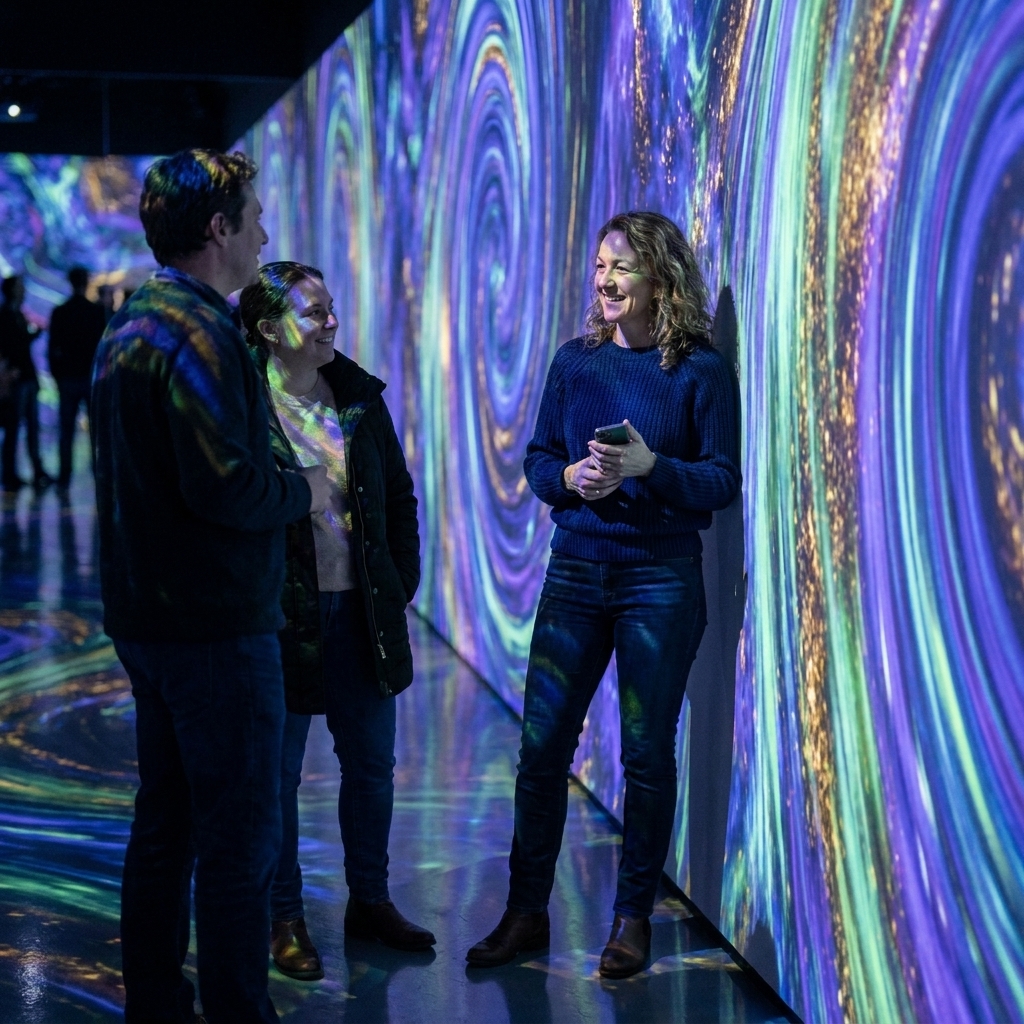
Museums often spread people out across multiple galleries, but small museums and blockbuster exhibitions can bottleneck fast. Pop-ups tend to funnel everyone through the same sequence, which can feel busy even when the room count is small, simply because everyone wants the same signature moment.
If you want fewer people around
- Museums: arrive at opening or go the last 90 minutes before closing, and consider skipping the headline exhibition if it is packed.
- Pop-ups: book the first entry slot of the day, or choose a weekday afternoon.
Accessibility and logistics
This part is unglamorous, but it is what makes the day feel easy.
- Mobility: museums often have elevators, ramps, and loaner wheelchairs, but older buildings can still have quirks. Pop-ups can include uneven floors, tight corridors, stairs, or dark transitions. Check the venue’s accessibility page before you buy tickets.
- Sensory needs: pop-ups can be loud, bright, and high-contrast. Museums tend to be calmer, but crowded galleries can still be overstimulating. If you need a reset, look for quiet rooms, courtyards, or seating areas.
- Seating: many museums have benches sprinkled throughout. Some immersive shows keep you standing and moving most of the time.
- Strollers and bags: both types of venues may restrict stroller size, backpacks, or outside food. Coat checks and lockers are common, but not guaranteed.
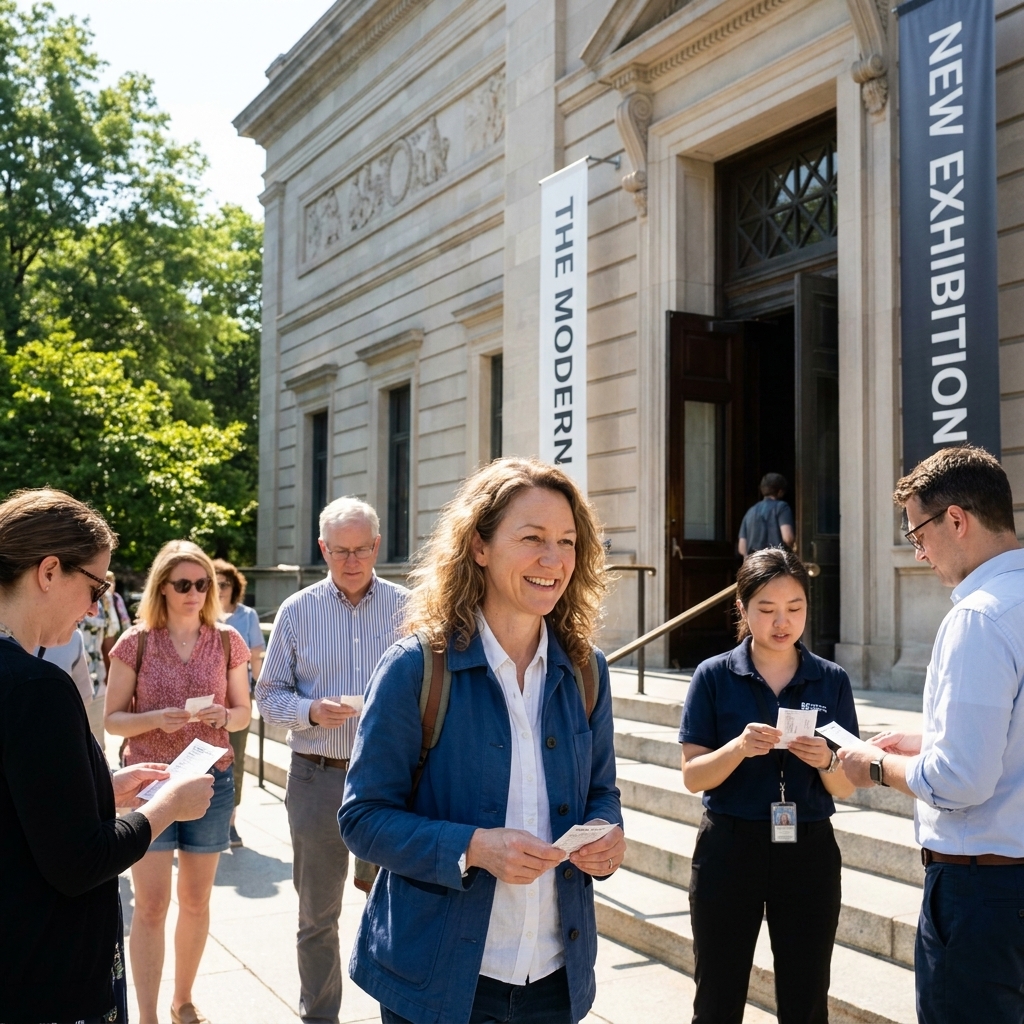
- Re-entry and timing: some museums allow re-entry, some do not. Many pop-ups are strict about entry windows. If you are the friend who always runs late, plan accordingly.
Decision guide
Choose a classic museum if you want
- More hours of entertainment for the price (in many cities)
- Quiet, flexible pacing and the freedom to roam
- Original works and richer context
- An outing that works across ages and interests
Choose a pop-up if you want
- A high-energy, guided experience with a clear start and finish
- Hands-on or immersive moments that keep attention locked
- A social outing that is easy for groups
- Photos and shareable memories without needing art history homework
Best of both plans
Culture then dessert (2.5 to 4 hours)
- Do a museum highlight loop (60 to 90 minutes).
- Walk to a nearby bakery or coffee bar.
- Optional: add a small immersive show afterward if you want a second act.
Pop-up plus neighborhood (2 to 3 hours)
- Book a pop-up slot.
- Build in 30 minutes before or after to explore the surrounding arts district.
- End at a casual dinner spot so the outing does not feel too short.
Family-friendly win (90 minutes to 3 hours)
- Start with the kid-centered area (museum children’s gallery or the most interactive pop-up rooms).
- Take a snack break before meltdowns, not after.
- Leave on a high note and save the gift shop for last with a pre-set spending limit.
FAQ
Are interactive pop-ups worth it?
They are worth it when you want a contained, high-impact experience and you will actually participate. If you hate crowds, waiting for photo spots, or loud rooms, your money may go further at a museum.
What if someone in my group is not into art?
Pick based on how they like to engage. If they like doing, moving, and laughing, a pop-up is a gentle entry point. If they like stories, movies, history, or architecture, a museum with a focused theme (Ancient Egypt, Modern, Fashion, Photography) can hook them fast.
Which is better for toddlers?
It depends on sensory tolerance. Many toddlers do great in museums with open space, calmer lighting, and quick exits. Pop-ups can be fun but can also be overwhelming due to loud audio and intense projections. If you choose a pop-up, aim for the earliest time slot and a shorter runtime.
How long should I plan for each?
- Museum: 2 to 4 hours is a comfortable first visit, or 60 to 90 minutes for a highlights-only approach.
- Pop-up: 60 to 90 minutes is typical, plus buffer time for lines, photos, and coat checks.
My final take
If you want a day that feels timeless, go classic museum. If you want a night that feels like a playful little adrenaline hit, go pop-up. And if you are like me, an Orlando-raised planner who wants the best of everything, do the museum first and reward yourself with an immersive experience afterward. That combo delivers both the slow awe and the instant wow, which is pretty much my favorite way to spend an afternoon anywhere.