When I need a reset but my calendar says “absolutely not,” I go hunting for the easiest kind of adventure: the kind that starts five minutes from a museum, a coffee shop, or a hotel lobby. The best urban parks pull off a little magic trick. One turn off a busy avenue and suddenly you are in piney shade, on a lakeside path, or listening to birds instead of traffic.
Below are standout metropolitan parks that genuinely feel like a nature escape within city limits. I picked places with real trail mileage, water, woods, and that satisfying “wait, we are still downtown?” feeling. I also sprinkled in the practical stuff I wish someone told me the first time, like where to start, what to do nearby, and how to plan around crowds.
Quick tips for doing an urban park right
- Go early for wildlife and calm. In many cities, 8 to 10 a.m. is often the sweet spot for quieter trails and easier parking. In hot or humid seasons, earlier is usually better.
- Pick one anchor activity. A loop walk, a paddle, a garden, or a museum inside the park keeps the day simple and satisfying.
- Bring layers. Lakes, shade, and coastal fog can make parks feel noticeably cooler than downtown, especially near water.
- Use transit when you can. Many of these parks connect to trains, buses, and bike share. It saves time and sanity.
- Plan your post-park stop. Having a nearby food hall or landmark queued up turns a nature break into a full mini itinerary.
- Stick to marked trails and basic city smarts. Stay on signed routes, keep valuables tucked away, and give wildlife space. You can relax without going on autopilot.
Best urban parks for a nature escape
Central Park (New York City, New York)
If you think Central Park is only for carriage rides and movie scenes, I’m here to gently push you toward its wilder side. The Ramble and North Woods are the closest thing to a forest drop-in you can get in Manhattan, with winding paths, rocky outcrops, and a hush that shows up the moment you duck into the trees.
- Nature escape vibe: Woodsy trails and birdwatching corners that feel far from Fifth Avenue.
- Where to start: Enter near 79th Street for the Ramble, or 103rd Street for the Harlem Meer and North Woods.
- Easy route: Reservoir loop (about 1.6 miles) for a smooth, scenic walk.
- Don’t miss: The Ramble, Jacqueline Kennedy Onassis Reservoir loop, and the Harlem Meer area.
- Logistics note: If you’re driving, plan for garage parking nearby instead of hunting curbside. Transit and walking are usually easier.
- Nearby pairing: Museums along the edges like The Met and the American Museum of Natural History.
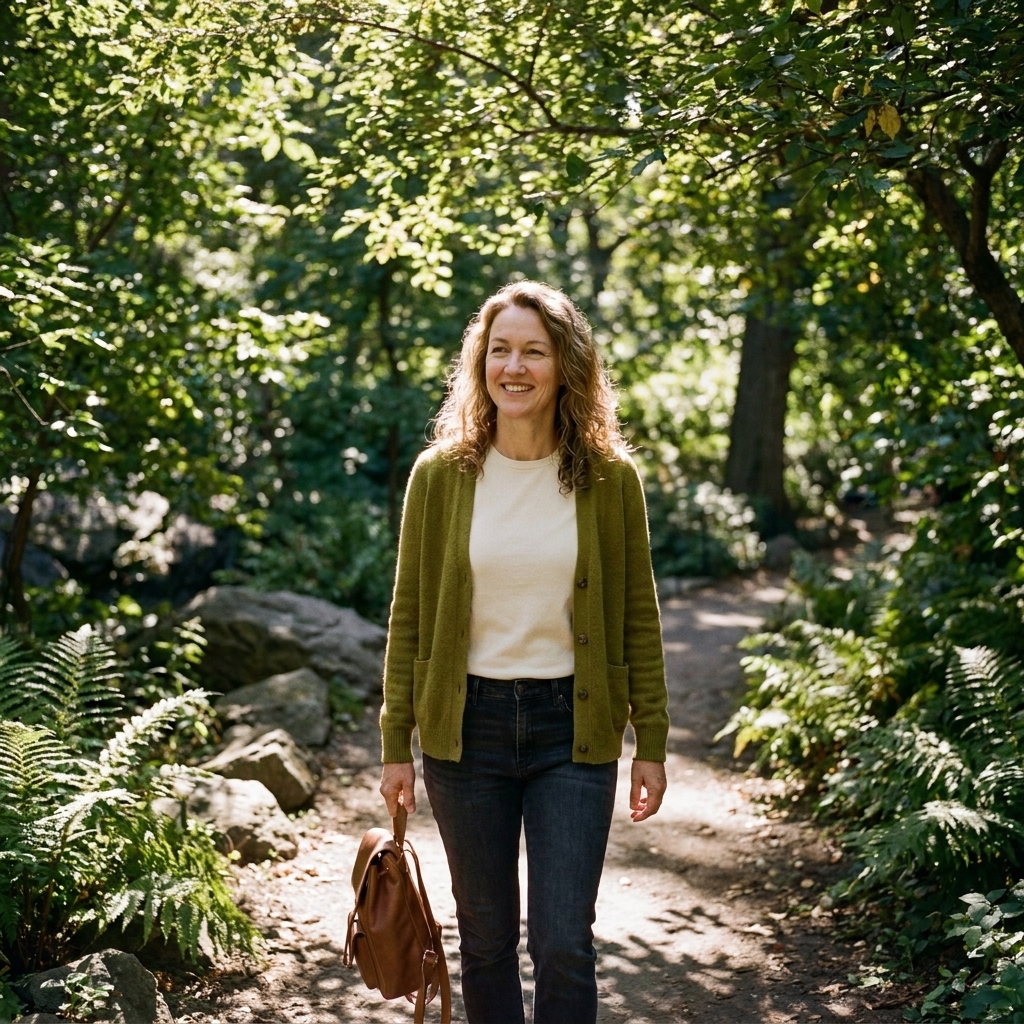
Golden Gate Park (San Francisco, California)
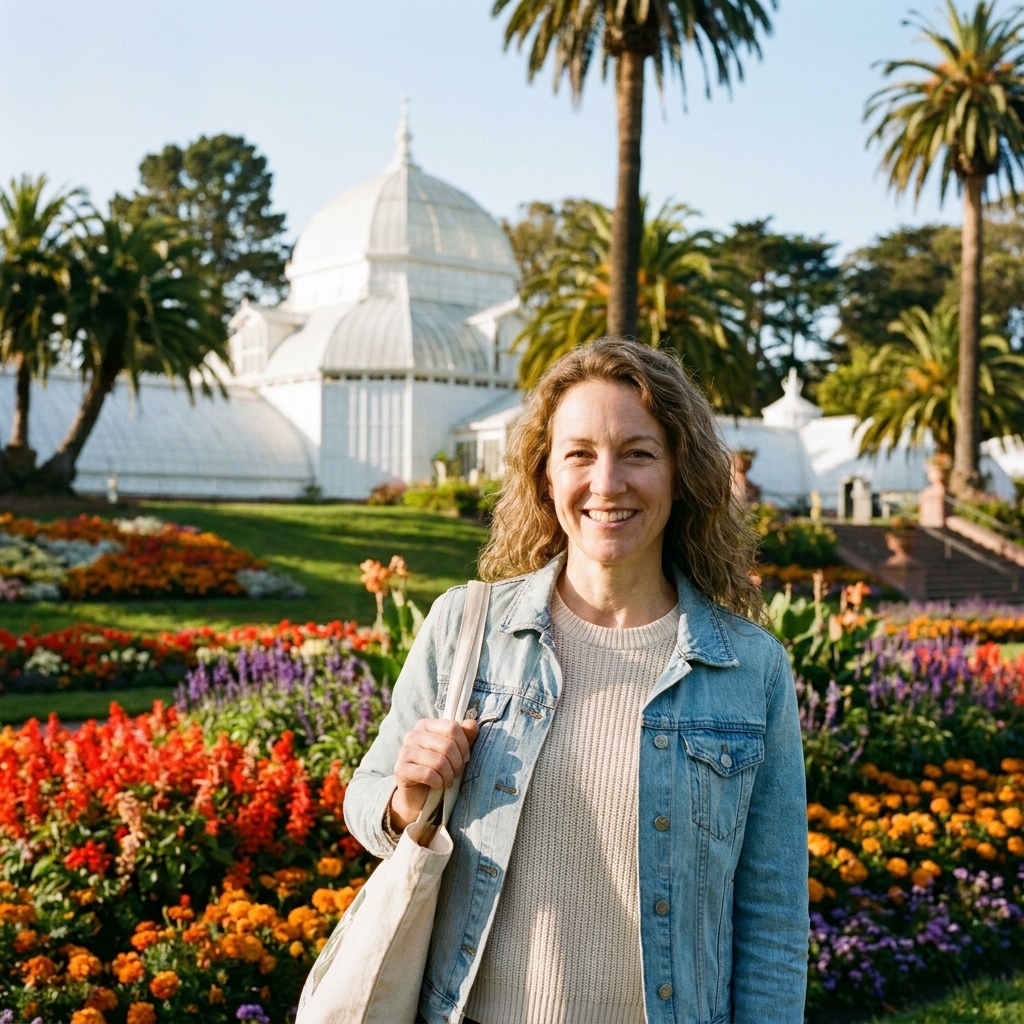
Golden Gate Park is huge, layered, and wonderfully choose-your-own-adventure. You can sink into tree-lined trails and quiet lawns, then pivot to world-class attractions without ever leaving park boundaries.
- Nature escape vibe: Coastal air, tall trees, lakes, and gardens that invite slow wandering.
- Where to start: Begin around Stow Lake for an instant “nature day” feel, or enter near 9th Avenue and Lincoln Way for easy access to major gardens and museums.
- Easy route: Stow Lake loop (roughly 1 to 2 miles depending on your exact path) with optional detours up to Strawberry Hill.
- Don’t miss: Stow Lake area, Strawberry Hill views, the Japanese Tea Garden, and the Conservatory of Flowers.
- Seasonal note: Fog and wind can roll in fast, especially closer to Ocean Beach. Bring a light layer even when downtown feels warm.
- Nearby pairing: Ocean Beach at the west end for a sunset walk.

Griffith Park (Los Angeles, California)
Griffith Park is the answer when you want actual elevation gain without leaving the city. The trails feel rugged in a very “we are hiking” way. The skyline and Hollywood Sign views are the kind of payoff that makes everyone in your group suddenly very enthusiastic about steps.
- Nature escape vibe: Chaparral trails, canyon views, and that sun-warmed Southern California hillside feel.
- Where to start: For classic views, start at the Griffith Observatory area. For a slightly calmer launch point, try the Fern Dell entrance.
- Easy route: A shorter out-and-back near the Observatory viewpoints, or a longer push toward Mount Hollywood if your legs are feeling brave.
- Don’t miss: Griffith Observatory views, plus hike routes toward Mount Hollywood.
- Logistics note: Parking near the Observatory is famously competitive. Consider the DASH Observatory bus, a rideshare drop-off, or going early.
- Conditions note: Some routes have limited shade and can get hot. Bring more water than you think you need.
- Nearby pairing: Sunset at the Observatory, then dinner in Los Feliz.

Forest Park (Portland, Oregon)
Forest Park is one of those places that makes you forget you’re in a city at all. It’s a true forest with a serious trail network. You can go for a gentle stroll or stack miles without repeating scenery, which is the dream when you want to walk your brain into a calmer place.
- Nature escape vibe: Mossy evergreen quiet with creeks, ferns, and that soft PNW light under the canopy.
- Quick fact: Forest Park spans more than 5,000 acres and has 80+ miles of trails, depending on how you count connectors and spurs.
- Where to start: Lower Macleay Trailhead is a favorite for a classic first visit.
- Easy route: Lower Macleay to Pittock Mansion for a satisfying climb and a city-view payoff.
- Don’t miss: Longer options on the Wildwood Trail when you want to disappear for a while.
- Nearby pairing: Washington Park spots like the International Rose Test Garden.
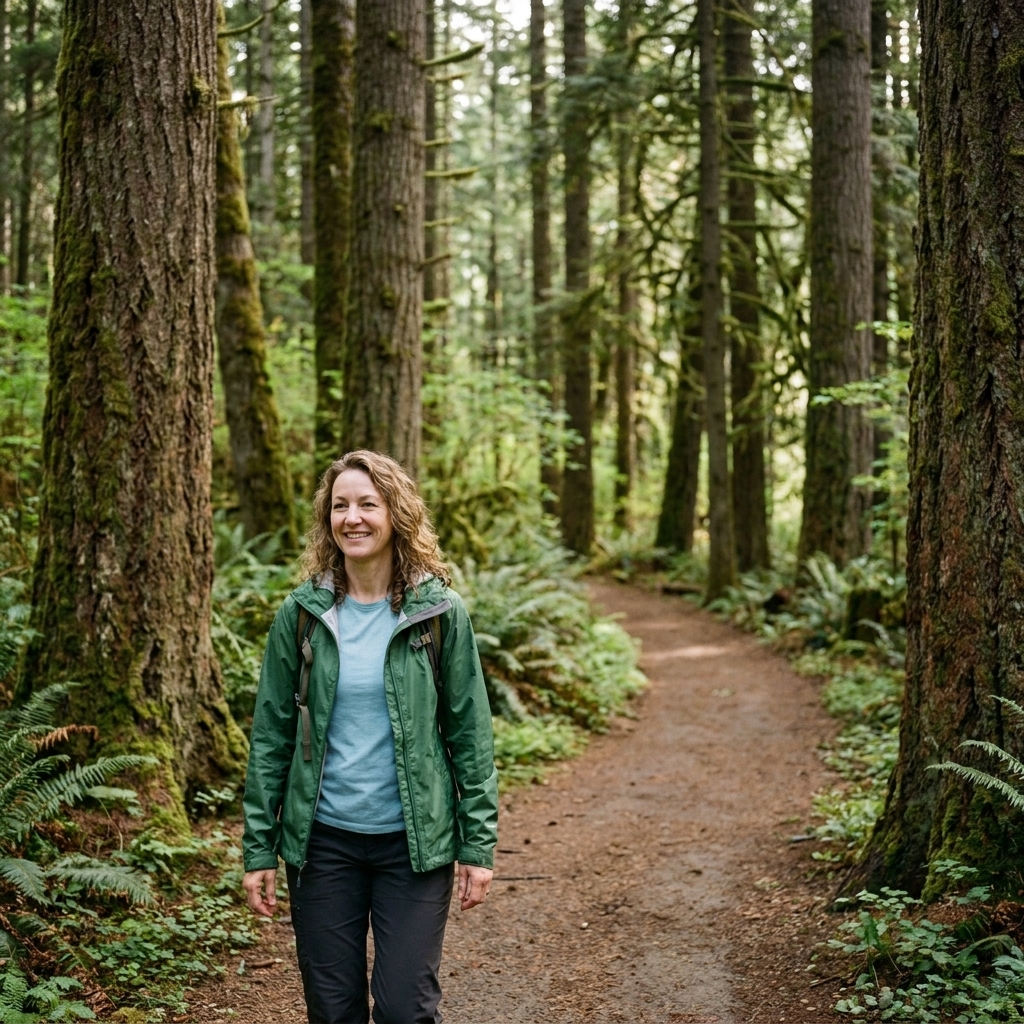
Discovery Park (Seattle, Washington)
For a city that loves water views, Discovery Park delivers in a big way. You get coastal bluff trails, beach access, and enough open space that even on a busy weekend, you can usually find a calm patch for a picnic or a “let’s just sit and breathe” moment.
- Nature escape vibe: Bluff-top paths, meadow stretches, and shoreline scenery with Olympic Mountain views on clear days.
- Where to start: Park or get dropped near the Visitor Center to connect easily to the Loop Trail.
- Easy route: The Loop Trail is the signature move here. Add the beach and lighthouse detour if you want the full coastal feeling.
- Don’t miss: The lighthouse area and the beach at low tide.
- Nearby pairing: Ballard for coffee, breweries, and a post-walk bite.

Balboa Park (San Diego, California)
Balboa Park is famous for culture, but it also has quieter pockets once you step away from the main promenades. The canyon trails and garden paths are a perfect half-day outdoors, half-day attractions kind of plan, especially if you’re traveling with different energy levels.
- Nature escape vibe: Garden-to-canyon transitions that let you find quiet without leaving the city core.
- Where to start: Start at the El Prado main promenade if you want a greatest-hits walk, then peel off into the canyons when you’re ready for a breather.
- Easy route: A casual garden loop plus one canyon trail segment (choose-your-own distance based on time and shade).
- Don’t miss: Desert Garden and the Botanical Building area.
- Evergreen note: The Botanical Building has had renovation closures at times, so check current hours and access before you build your whole plan around it.
- Nearby pairing: San Diego Zoo, right inside the park.
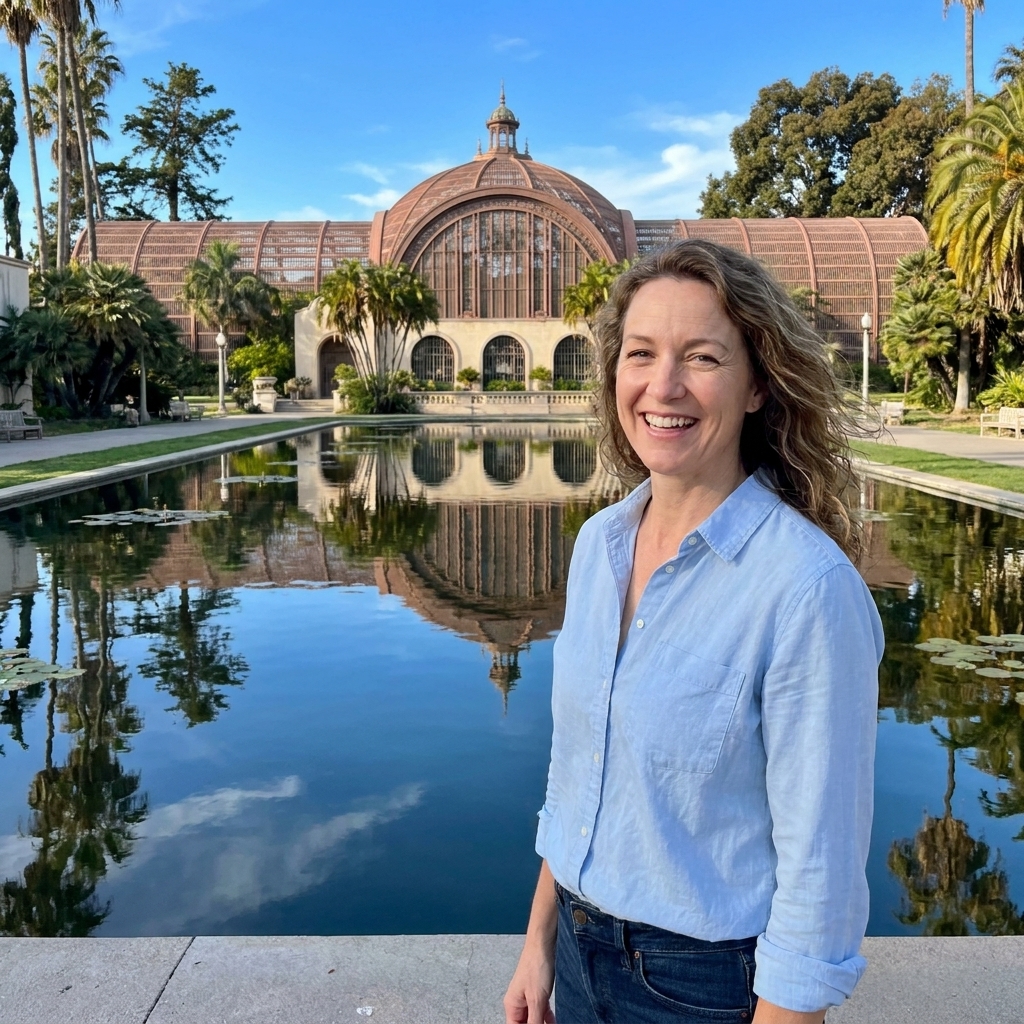
Zilker Metropolitan Park and the Barton Creek Greenbelt (Austin, Texas)
If you want a park day that can flex from laid-back to adventurous, Austin’s Zilker plus the Barton Creek Greenbelt is a dream combo. You can picnic with skyline views, then hop onto trails that feel rugged, shaded, and surprisingly wild for being so close to downtown.
- Nature escape vibe: Creekside paths, limestone, and swimming spots when conditions cooperate.
- Where to start: Begin at Zilker Park for open space and skyline peeks, then head to a Greenbelt access point like the Barton Springs area when you’re ready for trail time.
- Easy route: A short Greenbelt out-and-back plus a reset stop at Barton Springs Pool.
- Don’t miss: Barton Springs Pool for a cold plunge that will wake up your soul.
- Conditions note: Creek flow and swim spots vary with weather and season. After heavy rain, some areas can be muddy or higher flow, so adjust plans accordingly.
- Nearby pairing: South Congress for shopping and snacks after you dry off.
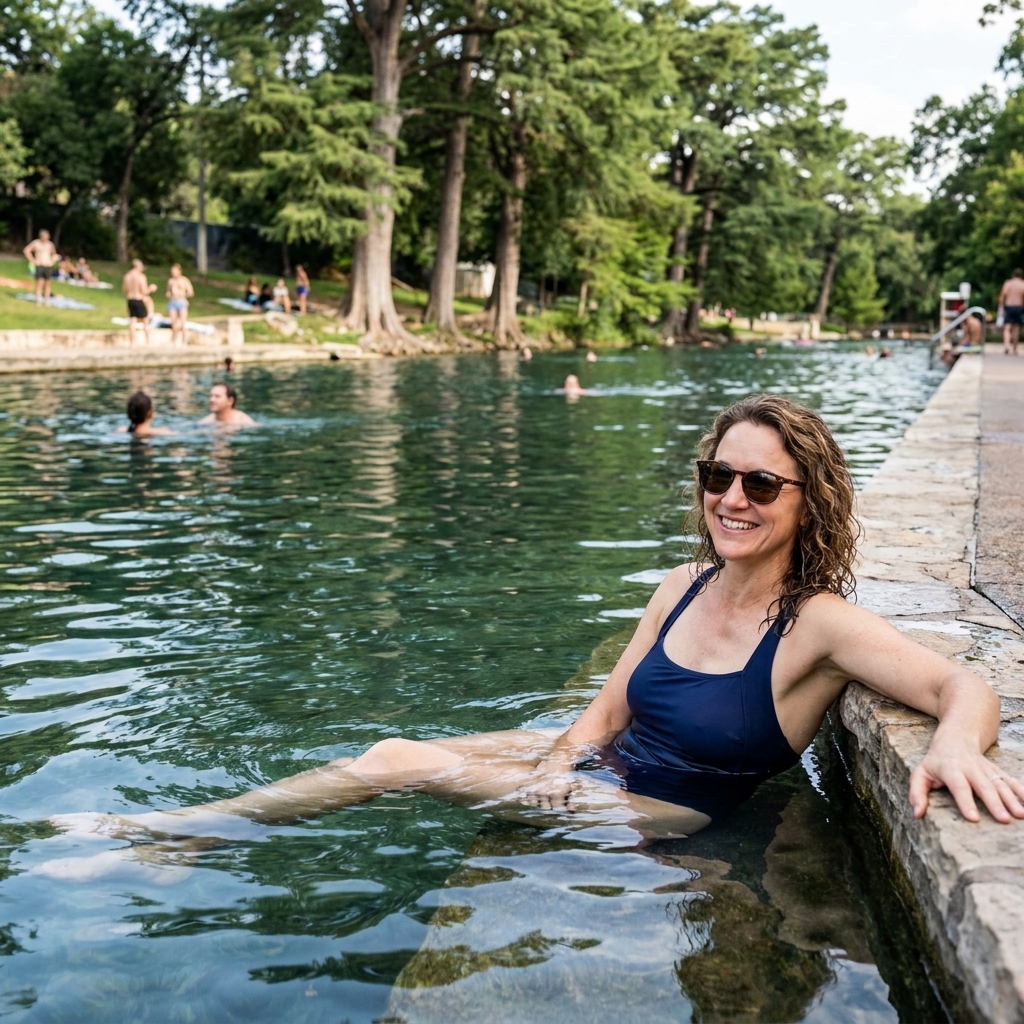
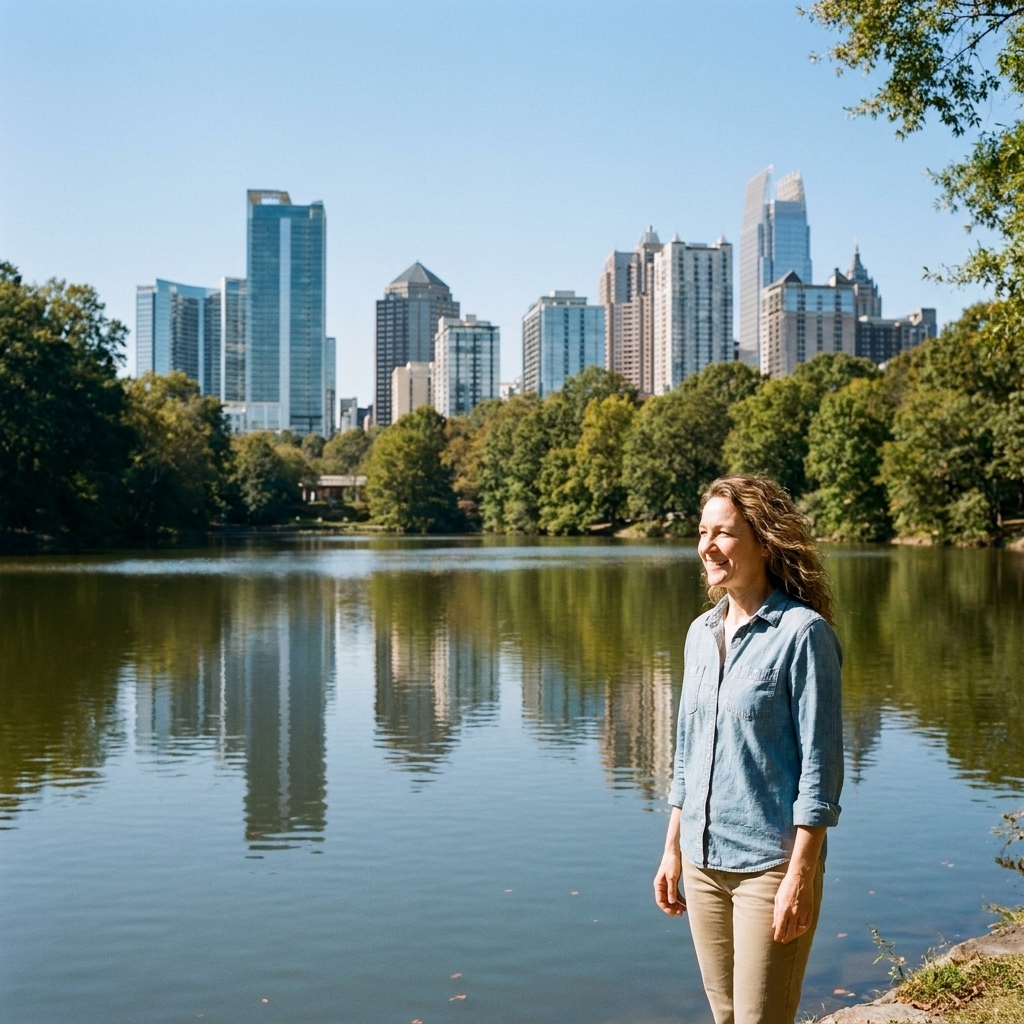
Piedmont Park (Atlanta, Georgia)
Piedmont Park is the kind of place that makes an ordinary afternoon feel like a mini vacation. The skyline views are iconic, the lake paths are easy and pretty, and it’s a great option for a low-stress walk that still scratches the outdoors itch.
- Nature escape vibe: Lake loops, shady lawns, and skyline-meets-greenery photo moments.
- Where to start: Enter near the 14th Street side for quick access to the main paths and lake loop.
- Easy route: A relaxed loop around Lake Clara Meer, then wander toward a picnic spot.
- Don’t miss: Golden-hour light around the lake.
- Nearby pairing: Atlanta Botanical Garden next door for a lush add-on.
Fairmount Park (Philadelphia, Pennsylvania)
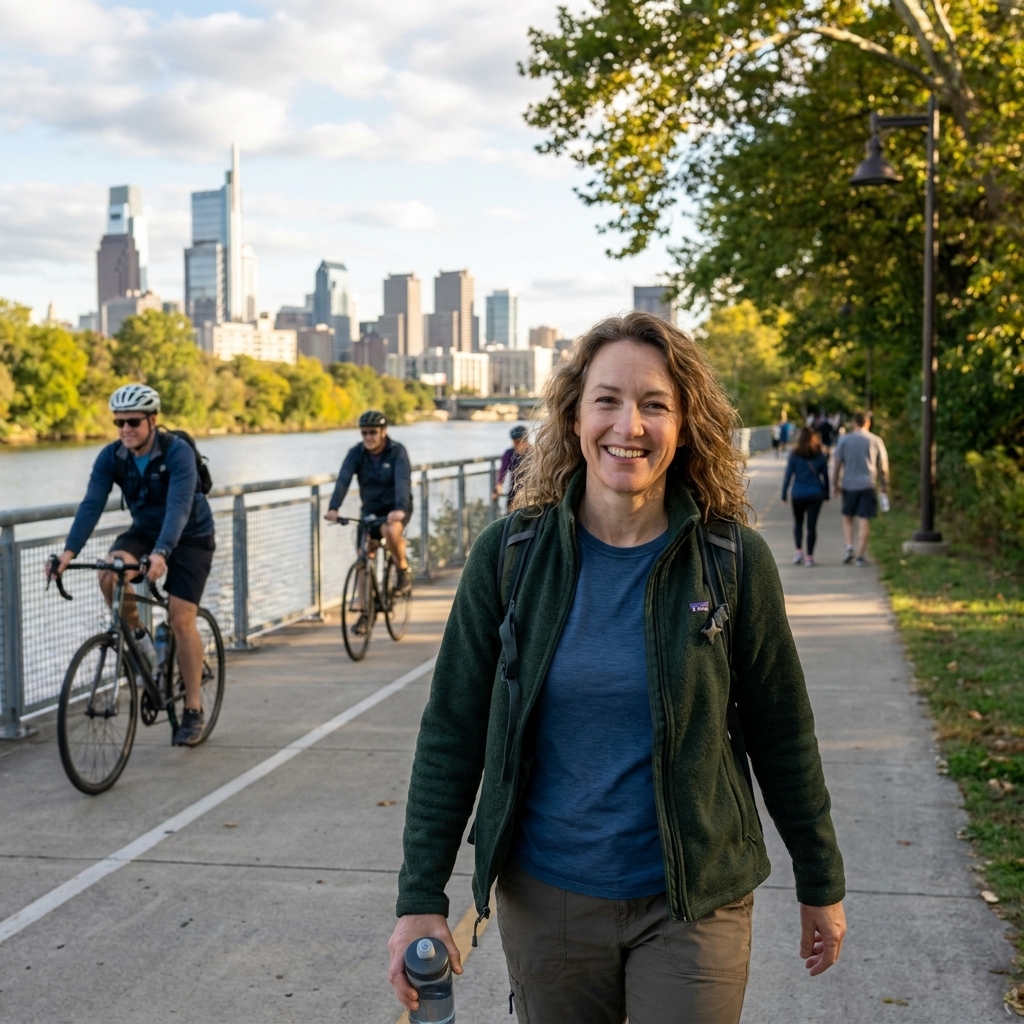
Fairmount Park is massive, and that scale matters. It’s not just a lawn with a fountain. It’s riverfront paths, wooded stretches, and enough room to plan a full day that still feels like a breather from the city, even though you’re minutes from major museums.
- Nature escape vibe: River scenery, shady trails, and big-park breathing room.
- Quick fact: Fairmount Park is often cited at 2,000+ acres, depending on which sections you include.
- Where to start: Hop onto the Schuylkill River Trail near the Philadelphia Museum of Art area for easy navigation and great views.
- Easy route: An out-and-back along the river trail, then detour to a garden or historic mansion area if you want variety.
- Don’t miss: Schuylkill River Trail segments and the park’s historic mansions and gardens.
- Nearby pairing: Philadelphia Museum of Art and the iconic steps.
Rock Creek Park (Washington, DC)
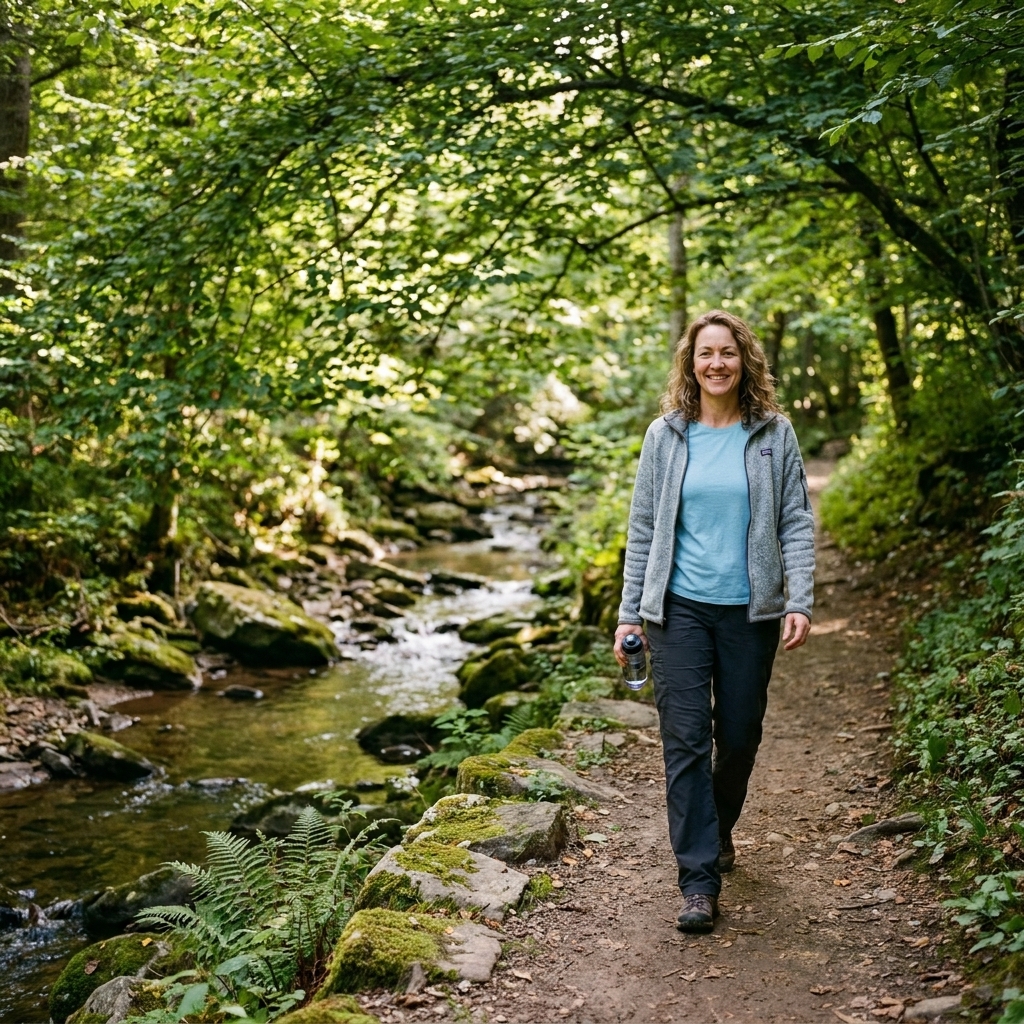
Rock Creek Park is a true “how is this here?” kind of escape. One minute you’re in DC traffic, the next you’re following creekside trails under dense tree cover. It’s especially satisfying if you want to balance monuments and museums with a quieter nature intermission.
- Nature escape vibe: Creek sounds, forested paths, and a cooler-feeling pocket in summer once you’re under the trees.
- Where to start: Start near the National Zoo area for easy access and lots of route options.
- Easy route: A creekside out-and-back, choosing your distance based on time and energy.
- Don’t miss: The network of paths that let you customize distance without complicated navigation.
- Nearby pairing: Smithsonian museums, then decompress in the woods.
How to pick the right park for your trip style
For families
Choose parks with built-in attractions or easy reset stops like gardens, zoos, or kid-friendly museums. Golden Gate Park, Balboa Park, and Central Park are especially good for this because you can mix playground time with something educational without adding transit stress.
For couples
Prioritize scenic loops and sunset potential. Piedmont Park, Discovery Park, and Central Park deliver that sweet mix of romantic views and easy pacing. Pack one small treat like pastries or a charcuterie box and make it a proper date.
For solo adventurers
Go for parks with a deep trail network where you can choose your own distance and still feel safe and supported by steady foot traffic. Forest Park, Griffith Park, and Rock Creek Park are great picks for a headphones-off, brain-quiet kind of outing.
Simple half-day itineraries
City break: 3 hours
- 60 to 90 minutes: A loop walk or short hike
- 30 minutes: Sit-down snack or picnic
- 60 minutes: One add-on nearby (garden, observatory, museum, or beach walk)
Full reset: 5 to 6 hours
- 2 to 3 hours: Longer trail segment or bike ride
- 60 minutes: Lunch close to the park edge for easy re-entry
- 1 to 2 hours: Water time (paddle, beach, reservoir loop, or pool) plus a golden-hour viewpoint
FAQ
Are these parks doable without a car?
Many are. Central Park, Golden Gate Park, Balboa Park, Rock Creek Park, and Piedmont Park all have strong transit options and are also friendly to rideshare drop-offs. For larger, more trail-forward parks like Forest Park and Griffith Park, transit is still possible, but you’ll want to pick a specific trailhead and plan your route so you don’t end up far from your exit point.
What should I pack for an urban nature escape?
Comfortable walking shoes, a refillable water bottle, sunscreen, and a light layer. I also love bringing a small picnic blanket, a portable phone charger, and bug spray for creekside or wooded trails.
When is the best time to avoid crowds?
Weekday mornings are usually the calmest. If you’re visiting on a weekend, aim for early morning, or go later in the afternoon when families with little kids start heading home.