I grew up close enough to Orlando that “outing” could mean anything from a big-ticket theme park day to a quick walk in the woods between soccer practice and dinner. As an adult, I still plan trips the same way: what experience do we want, and what logistics can we live with? That is the lens I use when choosing between a national park and a state park. Both can deliver jaw-dropping nature and core-memory hikes. The best choice depends on your time, budget, tolerance for crowds, and the kind of adventure you actually want.
Quick note: This guide is focused on U.S. parks (National Park Service sites and U.S. state park systems).
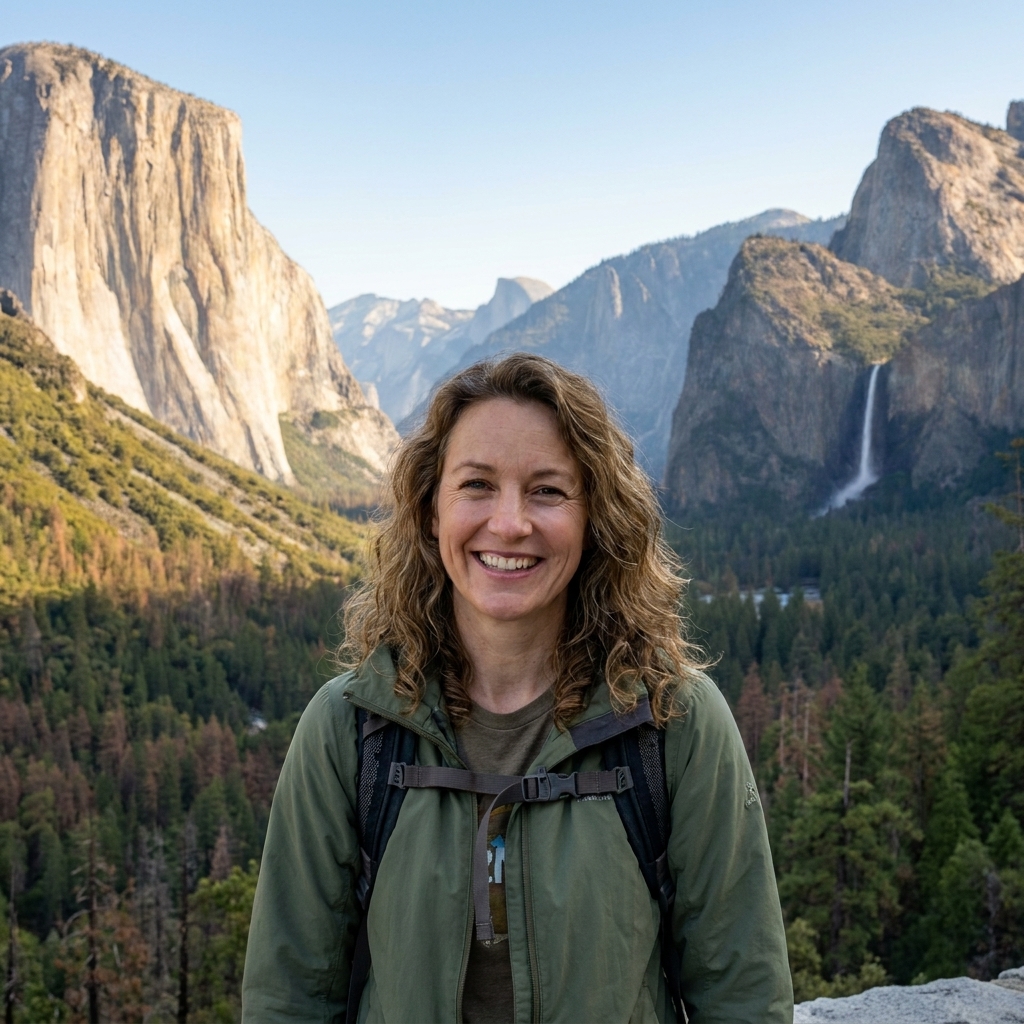
Below is a traveler-friendly breakdown of what you can expect at each type of park, plus a few itinerary hacks I have learned from years of planning trips for groups that include kids, couples, and the friend who always wants to add “just one more stop.”
Quick answer
National parks (the U.S. designation) are managed by the National Park Service and protect nationally significant landscapes, ecosystems, and cultural sites. They often have iconic viewpoints, major visitor centers, and lots of interpretation (ranger programs, exhibits, and sometimes museums). They also tend to attract more visitors competing for the same highlights.
State parks are managed by individual states. They can be just as beautiful, but they are often more locally oriented, easier to access for weekend trips, and frequently set up for everyday recreation like swimming, paddling, fishing, and camping, depending on the park.
- Choose a national park if you want bucket-list scenery, signature hikes, and big “wow” moments.
- Choose a state park if you want a simpler trip, lower stress, and a strong chance of finding space to breathe.
Crowds and vibe
National parks: peak season is real
National parks draw visitors from everywhere, which means crowd patterns are more extreme. In many popular parks, you will feel the difference between 8 a.m. and 11 a.m. like it is a different planet. Parking lots fill, shuttle lines grow, and “quick scenic stop” turns into a slow-moving procession.
Chloe tip: If your dream is a famous overlook or a headline trail, commit to an early start. I aim to be at the first major viewpoint at sunrise, or at least as early as I can manage.
State parks: easier to be spontaneous
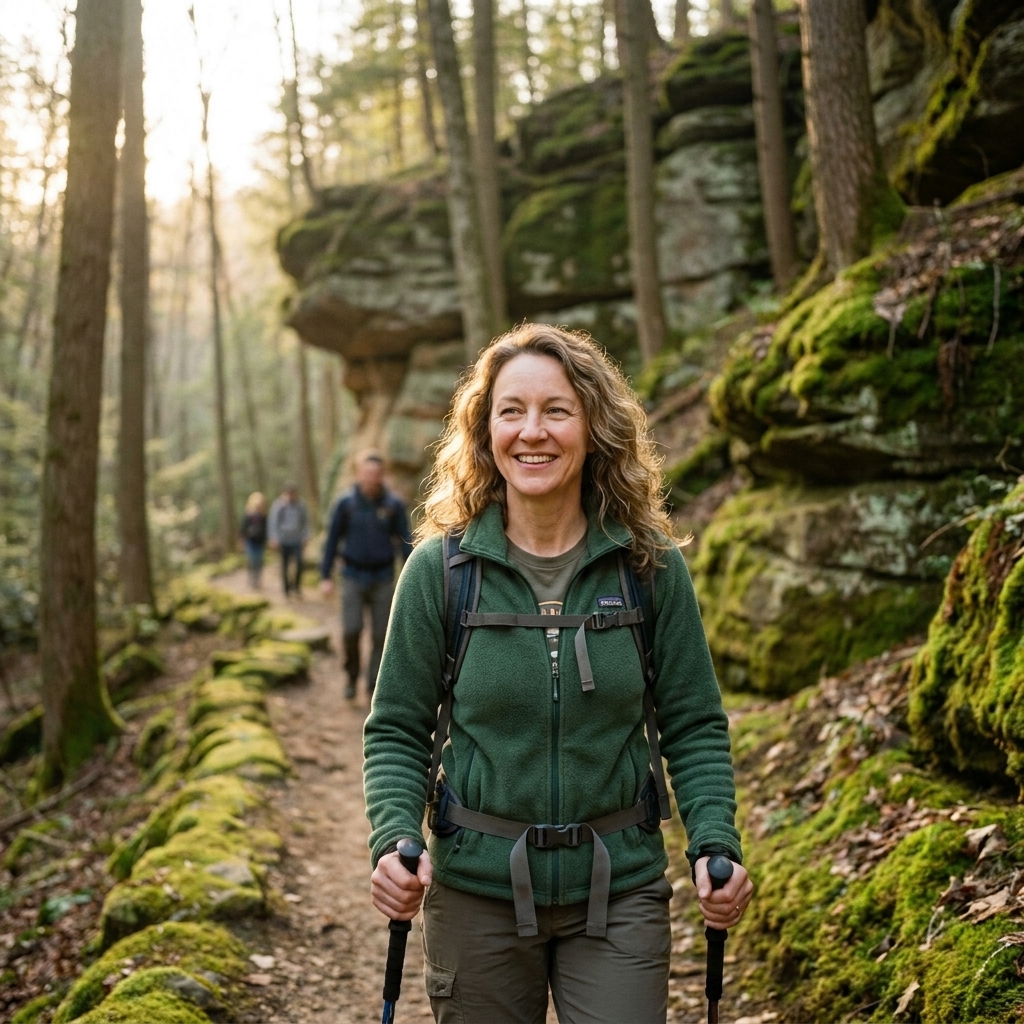
State parks can absolutely get busy, especially on sunny weekends, but the vibe is often more local. You will see families grilling, paddlers launching at the ramp, and hikers doing a quick loop before lunch. It tends to feel less like a “once in a lifetime pilgrimage” and more like a place people actually use, which can be a huge plus if you want a relaxed day.
Cost and value
National parks: fees are common, but vary
Many national parks charge an entrance fee per vehicle or per person, and the amounts are generally consistent and clearly posted. A few national parks are free, and some areas within parks have separate fees or permits. If you plan to visit multiple national parks or other federal recreation sites in a year, an annual federal pass can be a smart buy, especially for couples and families traveling by car.
State parks: often cheaper, sometimes free
State park pricing varies a lot. Some states charge nothing for day use, others charge a modest day-use fee, and a few have higher fees for non-residents. Camping can also range from “great deal” to “booked and pricey,” depending on the park’s popularity and amenities.
- Budget win: If you are planning a quick weekend trip, a state park can deliver a full outdoor reset without the national-park price tag.
- Watch for add-ons: Parking, boat launches, and special recreation areas can carry separate fees at both state and federal sites.
Amenities and comfort
National parks: visitor centers and ranger programs
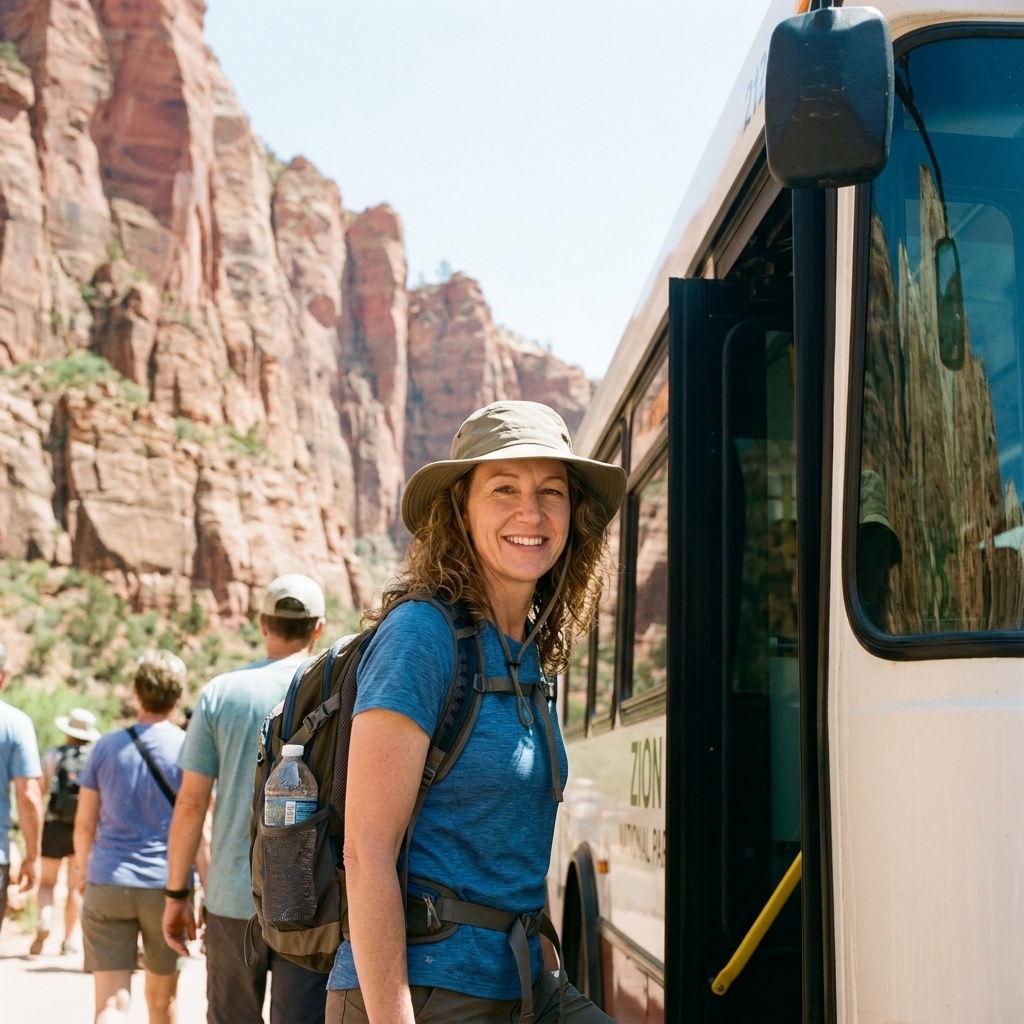
National parks tend to have more robust visitor services in the busiest areas: larger visitor centers, more interpretive signage, and a deeper bench of ranger-led programs. Lodges and in-park dining exist in some parks, but availability is limited and prices can reflect the convenience.
If you are traveling with kids, first-time hikers, or a mixed group, the structure can help. A visitor center stop can turn “Are we there yet?” into “Wait, bears live here?” in about five minutes.
Chloe tip: If you get overwhelmed by crowds, do a quick visitor center stop early, then immediately pivot to a lesser-known trail or a picnic area away from the main corridor.
State parks: built for day use and camping
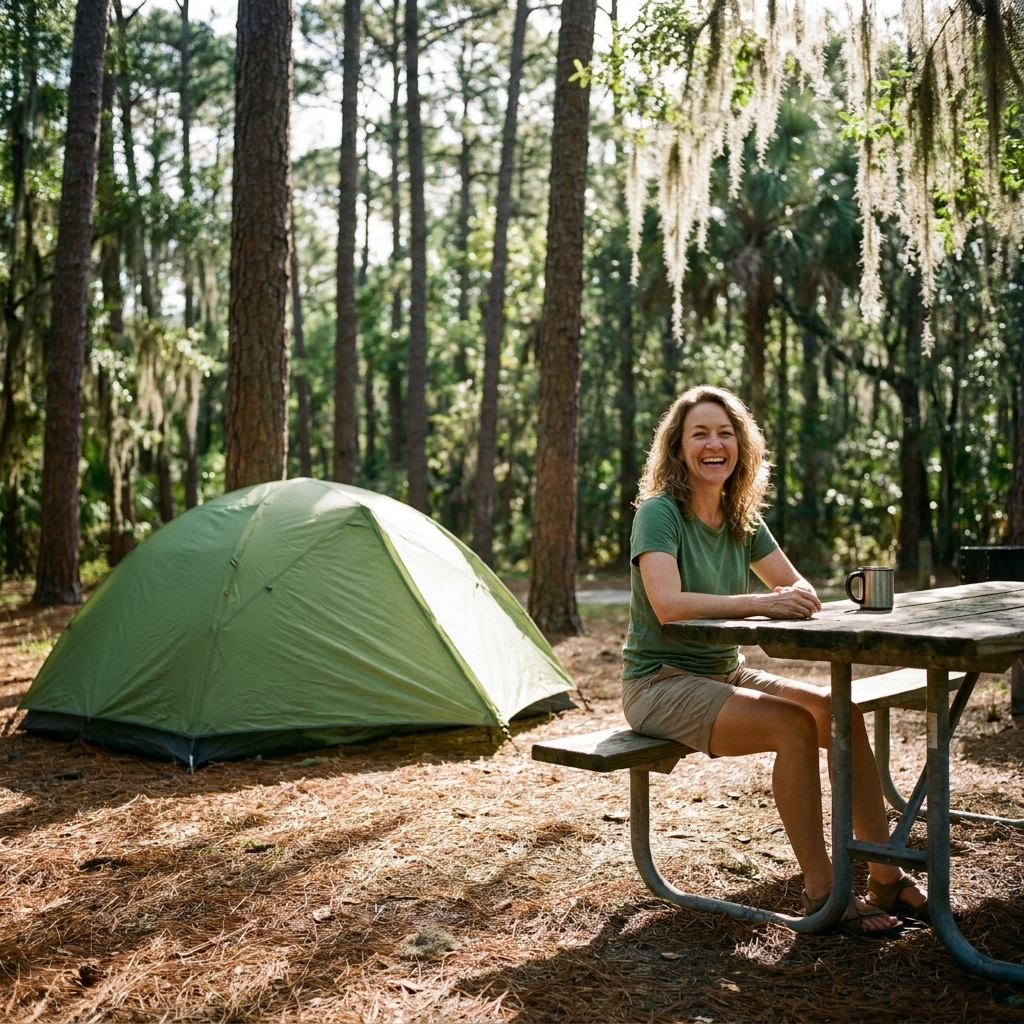
Many state parks shine when it comes to campgrounds, picnic areas, beaches, boat rentals, and swim-friendly day-use zones. The facilities are often designed for regular recreation, not just sightseeing. You might find excellent bathhouses, big picnic shelters, and more approachable lakeside access than you will in a rugged national park setting.
Activities
National parks: iconic hikes and big views
If your travel playlist includes “big views,” national parks are your spot. They are built around landscapes that feel legendary: dramatic geology, famous waterfalls, wildlife corridors, and historic sites.
- Best for: bucket-list hikes, scenic drives, photography, ranger walks, stargazing (and in some parks, official dark-sky programs)
- Good to know: Some parks require reservations for certain roads, timed entry, shuttles, or popular hikes. Planning matters.
State parks: hands-on, choose-your-own-adventure days
Want to start with a swim, rent a kayak, hike a moderate trail, then grill lunch? State parks often make that kind of day easy. They can also be fantastic for beginners because trails may be shorter, better marked, and closer to facilities.
- Best for: swimming, paddling, fishing, picnics, easy-to-moderate hikes, family-friendly nature centers, casual biking
- Good to know: Activity quality varies by park. One state park might be a paddling paradise, while another is all about cliffside trails.
How to choose
If you have one day
Pick a state park when you want maximum fun with minimal logistics. You can show up, do a loop hike, eat lunch, and still be home (or back at the hotel) without feeling rushed.
Pick a national park if it is close and you are willing to start early. With just one day, your success depends on smart timing and a short, realistic itinerary.
If you have a weekend
A weekend is the sweet spot for many state parks, especially if you can snag a campsite or nearby cabin. For national parks, a weekend works best if you focus on one area of the park and do not try to “see it all.”
If you are staying longer
National park trips shine when you can stack experiences: sunrise viewpoint, longer hike, wildlife drive, ranger program, then a second zone the next day. Consider pairing a national park with a nearby state park as a pressure-release valve when the main park feels packed.
State park road trips can be shockingly satisfying: two or three different parks in one week gives you variety, lower costs, and more flexibility if weather changes.
Sample itineraries
National park day
- Sunrise: hit a top overlook early for parking and quiet
- Morning: one “anchor” hike (your must-do trail)
- Midday: visitor center, exhibits, and a picnic lunch
- Afternoon: scenic drive or shuttle corridor stops
- Evening: short walk for golden hour, then stargazing if skies are clear
State park day
- Morning: swim beach or kayak rental while it is cooler and less crowded
- Late morning: loop hike (easy-to-moderate)
- Lunch: picnic table or grill area
- Afternoon: fishing pier, nature center, or a second short trail
- Wrap-up: quick scenic stop, ice cream on the drive out, and you are done
Planning tips
For national parks
- Go early or go late: The middle of the day is when popular viewpoints feel like a line at a brunch spot.
- Check reservations: Look for timed entry, road reservations, shuttle systems, and hike permits. Some sell out months ahead, so set reminders.
- Pack a real day bag: Water, snacks, sun protection, layers, and a portable phone charger. Cell service can be spotty and photos are power-hungry.
- Have a Plan B trail: If parking is full at the famous trailhead, you will be thrilled you saved a second option.
For state parks
- Arrive before lunch on weekends: Day-use parking and swim areas can fill quickly.
- Look for rentals and programs: Many parks offer kayak rentals, guided paddles, or nature center activities that turn a simple visit into a full day.
- Bring cash or a card: Some fee stations are self-pay.
- Check local conditions: Swimming areas can close due to weather or water quality. A quick check before you leave saves disappointment.
Related lands
If you are planning a trip and the map is making your head spin, you are not alone. National forests and BLM land (Bureau of Land Management) can offer incredible scenery and more freedom for dispersed camping, but services can be limited and rules vary by area. National monuments are managed by different agencies depending on the site and can feel like a “mini national park” or something totally different. If you are unsure, check which agency manages the land and what permits or fees apply before you drive out.
Best fit by traveler
Families
State parks are often the easiest win for families: swimming beaches, short trails, picnic shelters, and campgrounds designed for comfort. National parks are incredible for kids who love animals, rocks, and ranger programs, but you will want to plan around naps, parking, and shuttles.
Couples
If you want romance with a side of adventure, a national park delivers epic views and sunrise magic. If you prefer a quieter vibe, a state park can feel like your own little corner of the world, especially on a weekday.
Solo travelers
Solo adventurers can thrive in both. National parks offer lots of structure and well-trafficked trails, which can feel reassuring. State parks can be easier for low-pressure days where you hike, read by the water, and call it perfect.
Accessible and low-mobility travelers
Both systems can offer accessible trails, scenic overlooks, and paved paths, but national parks often have more formal accessibility resources and visitor center staff to help you plan. State parks vary widely, so it is worth checking each park’s accessibility page before you go.
Decision checklist
If you are torn, use this quick gut-check:
- Pick a national park if you want iconic scenery, do not mind planning ahead, and are okay with crowds in peak season.
- Pick a state park if you want a flexible, budget-friendly outing with recreation built in (swimming, paddling, picnics, easy trails).
- Pick both if you want the best of both worlds: do the national park for the big sights, then decompress at a nearby state park for a quieter day.
FAQ
Are national parks always better?
No. National parks are often more famous, but state parks can be just as memorable and sometimes more enjoyable if you prefer fewer crowds and more spontaneous recreation.
Do state parks have better camping?
They can. Many state parks are designed with camping comfort in mind and may have more campsites, hookups, and family-friendly layouts. National park camping can be stunning, but it often books out early and may be more rustic.
Can I bring my dog?
Policies vary, but many state parks are more dog-friendly on trails than national parks. In a lot of national parks, dogs are mainly allowed in developed areas and on some paved paths, not on most backcountry trails. Always check the specific park rules before you go.
What if I hate planning?
Choose a state park for an easy win, or visit a less-busy national park unit in the off-season. If you do pick a major national park, plan just two anchors for the day: one “must-see” viewpoint and one hike, then keep the rest flexible.
My favorite move
When friends ask me for the most satisfying outdoor weekend, I often recommend this: Day 1 at a national park early for the iconic sights, then Day 2 at a nearby state park for swimming, a mellow hike, or a picnic under the trees. You get the brag-worthy photos and the relaxed exhale. And honestly, that balance is where the best memories live.