
Some of my favorite travel days start the same way: comfy shoes, a water bottle, and a plan that leaves plenty of room for wandering. Outdoor sculpture gardens hit that sweet spot between museum and park. You get the wow factor of big art, the reset of fresh air, and the freedom to explore at your own pace.
Below are the outdoor sculpture gardens and parks I recommend again and again for families, couples, and solo travelers. I’m also sharing the kind of practical stuff I wish every website led with: what the paths are like, how to plan for weather, where audio tours actually help, and how to build a low-stress walking route that still feels adventurous.
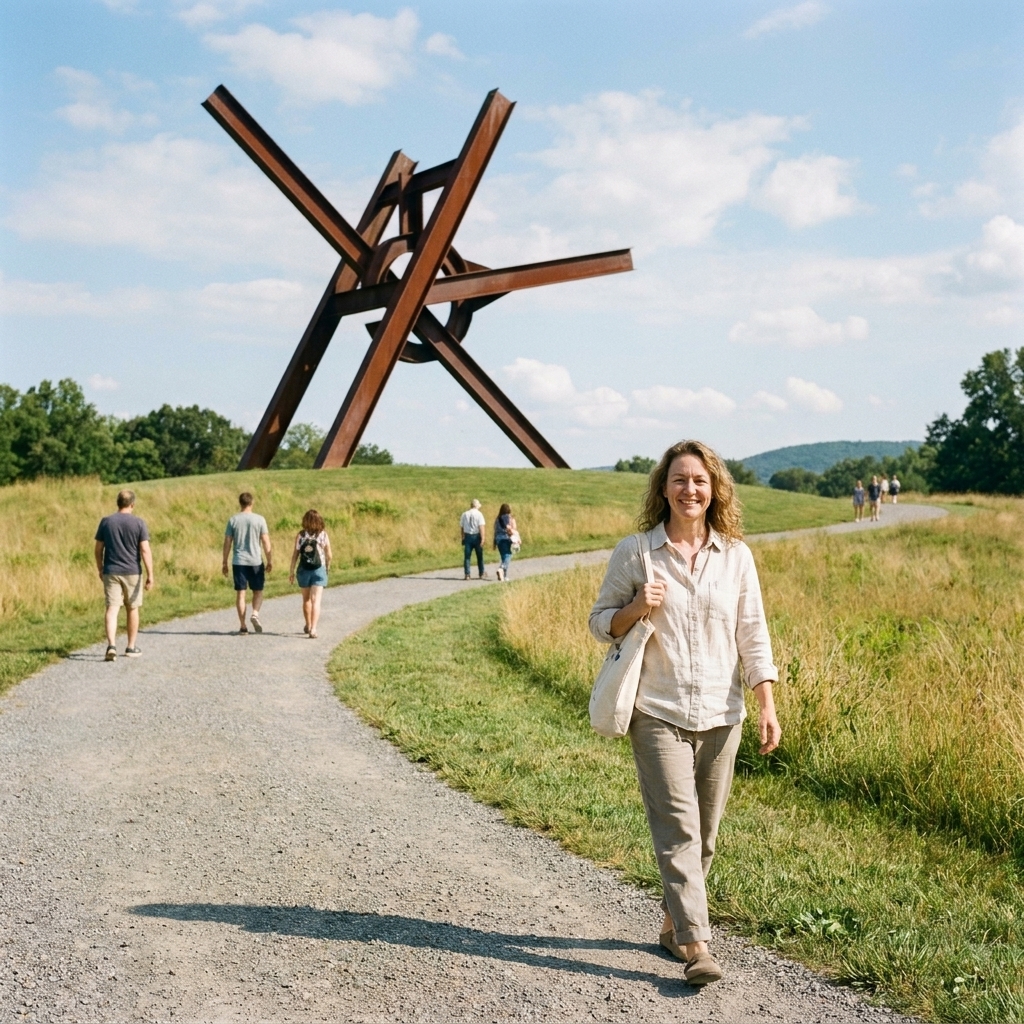
Before you go: the outdoor art game plan
Weather planning that saves the day
Outdoor art is magical until the weather turns it into an endurance sport. A few quick rules that keep your day fun:
- Check wind, not just temperature. Coastal parks and open fields can feel 10 degrees colder with wind, especially near sunset.
- Pack for sun even on cloudy days. Many gardens have minimal shade. Bring sunscreen, a hat, and sunglasses.
- After rain, expect slick surfaces. Gravel, boardwalks, and stone paths can get slippery. If you’ve got mobility concerns, call ahead about surface conditions.
- Plan your “golden hour loop.” Late afternoon light is flattering for photos and easier on the eyes than midday glare. Start with shaded areas earlier, then do your big open vistas later.
What to wear and carry
- Shoes: supportive sneakers or light hikers. Avoid brand-new shoes unless you like blisters as souvenirs.
- Water: bring more than you think. Refill stations vary widely.
- Battery: audio tours and photos drain phones fast. A small power bank is worth it.
- Layers: even warm destinations can cool quickly at dusk.
Know before you commit
- Tickets and hours vary. Some gardens are free, others are ticketed, and many have seasonal hours or closed days. I always check hours and pricing the morning I go, especially in shoulder season.
- Parking and transit can make or break your mood. City gardens may be easiest by public transit. Destination-scale parks often have on-site parking, but entry timing and peak weekends matter.
- Accessibility is real, but it’s not one-size-fits-all. Paved paths are the smoothest. Grass and gravel can get tough after rain. Some large parks offer shuttles or limited-access routes, so it’s worth a quick call if you’re planning around wheels, strollers, or stamina.
How to pick a walking route
If you only do one thing, do this: decide your must-see anchors (2 to 4 artworks) and build a loop around them. Most sculpture parks have a few headline pieces that naturally guide you through different landscapes. Starting with anchors keeps you from zigzagging and turning a relaxing stroll into a step-count competition.
My default route style:
- 60-minute loop: greatest hits, minimal backtracking.
- 2-hour loop: add a scenic detour and one “quiet corner.”
- Half-day: take the audio tour, stop for a café break, and leave time for a second pass of your favorites.
Best outdoor sculpture gardens and parks in the U.S.
I’m grouping these by region so you can match the destination to your trip style. Every pick below is a genuine “plan your day around it” kind of place.
Northeast
Storm King Art Center (Hudson Valley, New York)
If you’ve never seen what happens when massive contemporary sculpture meets rolling Hudson Valley landscapes, Storm King will do it. This is one of those places where you start saying things like, “Okay, one more hill,” because every rise reveals another unexpected piece.
Quick note: You’ll see Storm King described with nearby towns (like New Windsor or Cornwall) depending on the source. For planning, use the address on the official site so you end up at the right entrance.
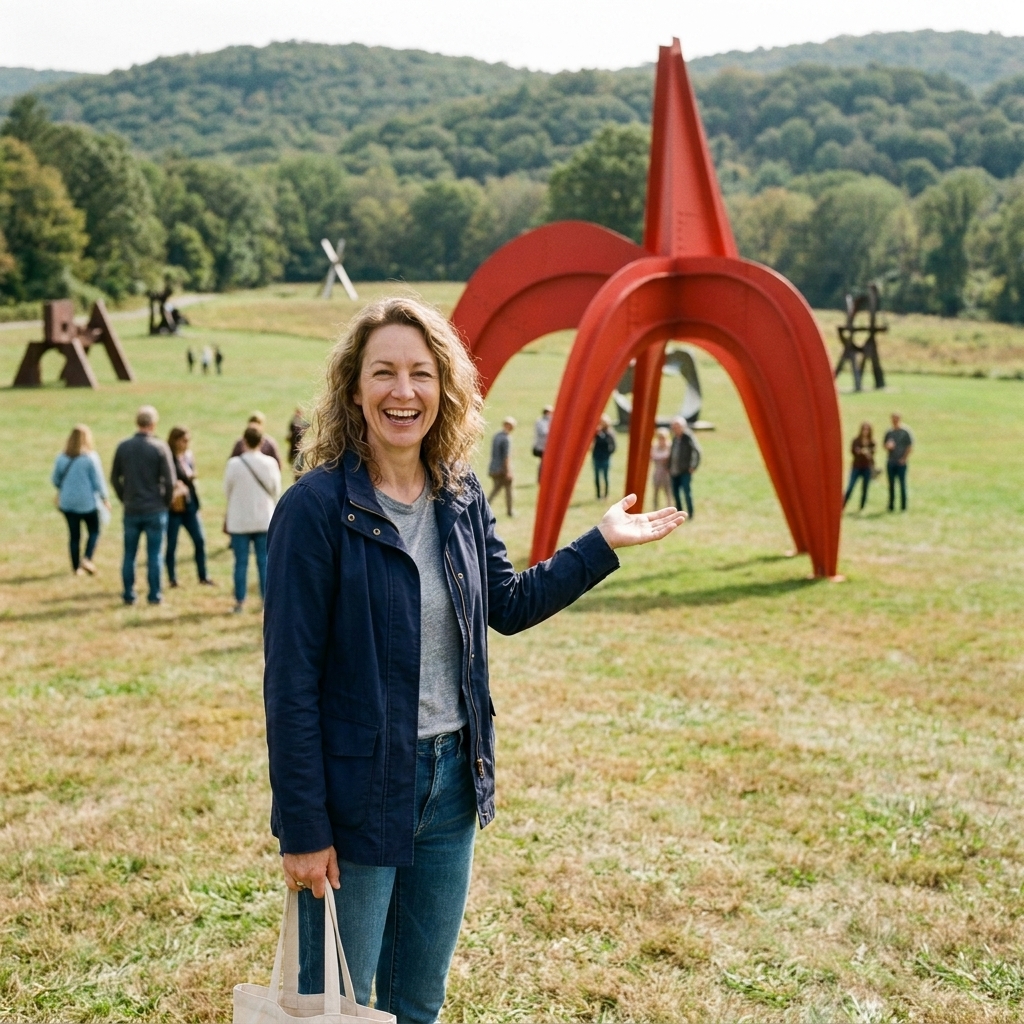
- Best for: couples, photographers, art lovers who want big scale
- Route tip: Start with a short walking loop near the main area, then commit to one longer loop. This is a big property, so pick a direction and stick with it.
- Don’t miss: One high point view where you can see multiple works at once. It’s the “oh wow” moment that makes the hills worth it.
- Good to know: I usually plan 3 to 5 hours so there’s time for stops, photos, and a snack break. Sun exposure is real, too, so a hat helps even on breezy days.
Grounds For Sculpture (Hamilton, New Jersey)
This place feels like a treasure hunt. You’ll round a bend and suddenly there’s a scene that makes you laugh, a piece tucked into greenery, or a pond-side view that looks like it belongs on a postcard.
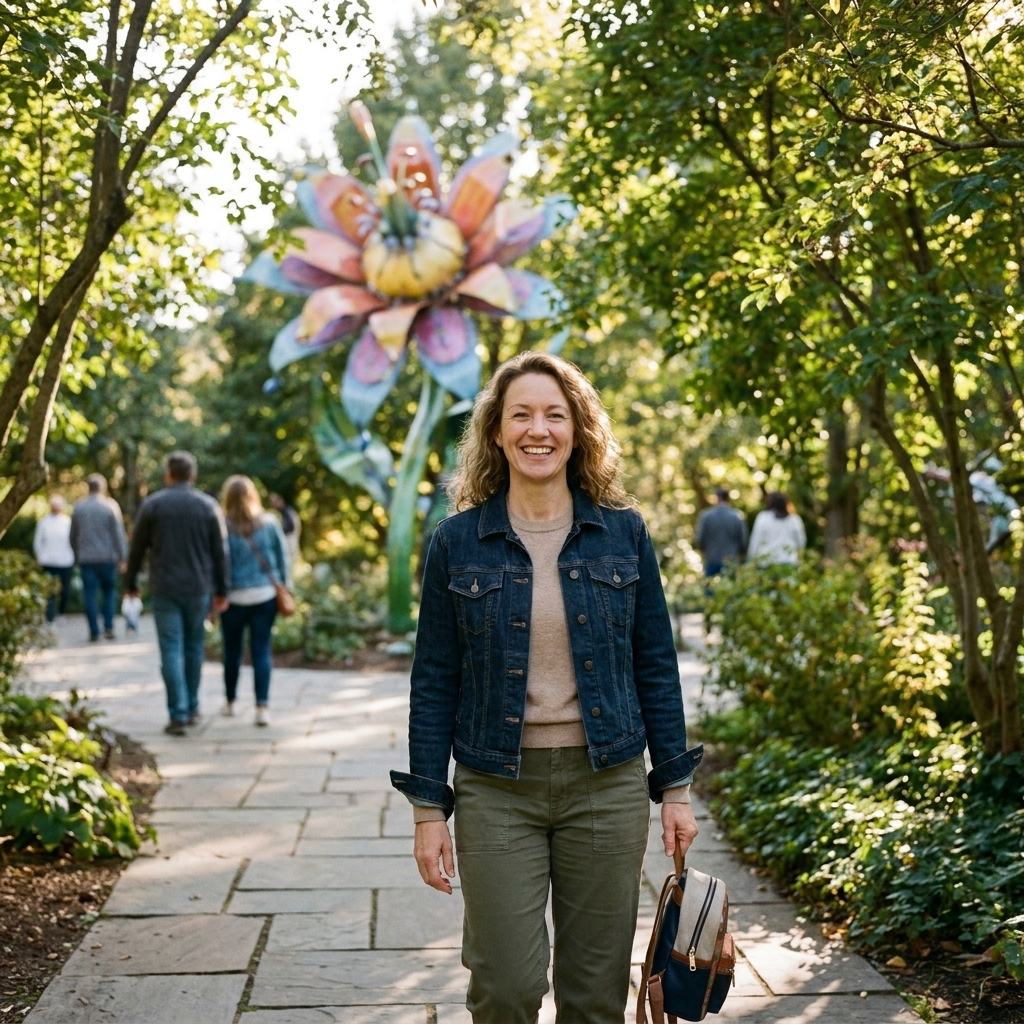
- Best for: date days, friend trips, anyone who loves playful art
- Route tip: Go in a loose loop and allow time for backtracking. You’ll want a second look at a few pieces.
- Good to know: After rain, some garden paths can be damp. Waterproof shoes help. I usually plan 3 to 5 hours here, too, because it’s easy to get happily distracted.
- Audio tour tip: Helpful for context, but the surprise factor is the star. Don’t over-structure it.
The Noguchi Museum Garden (Long Island City, New York)
For a calmer, more contemplative outdoor art moment, the garden at The Noguchi Museum is a beautiful reset. It’s not about scale. It’s about texture, stone, light, and quiet.

- Best for: solo travelers, design lovers, anyone craving a quiet hour
- Route tip: Slow down. Sit. Look at how the light changes on stone surfaces.
- Weather note: Shoulder seasons are ideal. Summer sun can be strong with limited shade.
- Audio tour tip: Excellent here, especially if you enjoy process and materials.
deCordova Sculpture Park and Museum (Lincoln, Massachusetts)
Wooded trails and open lawns make this feel like a nature walk that happens to be sprinkled with contemporary art. It’s a great pick when you want a little more green and a little less “city day.”
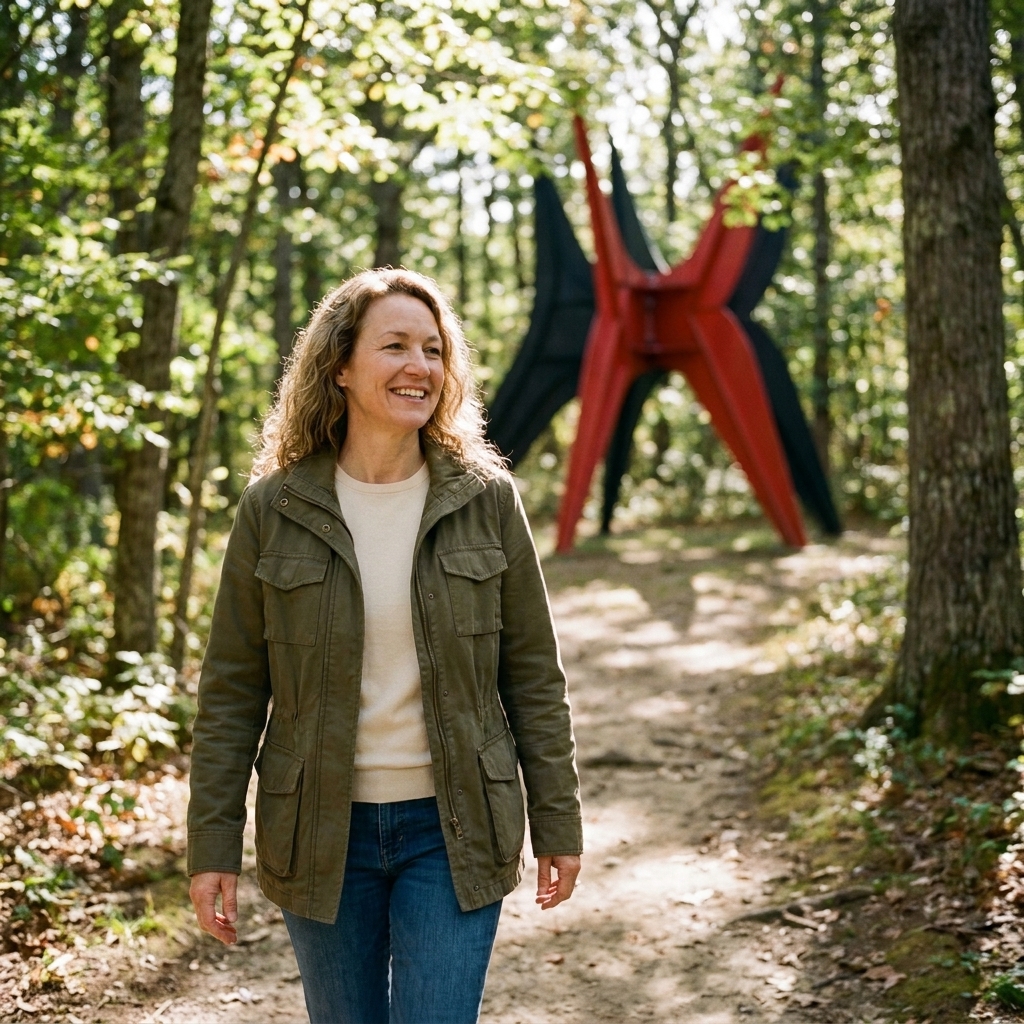
- Best for: casual hikers, families who want space to roam
- Route tip: Do a short woodland segment first, then finish with open lawns for a relaxed picnic vibe.
- Good to know: Bug spray is a smart add-on in warmer months, especially if you’re lingering near the woods.
- Audio tour tip: Use it as an anchor for a themed walk, especially if you like contemporary interpretations.
Midwest
Frederik Meijer Gardens & Sculpture Park (Grand Rapids, Michigan)
This is the rare place that nails both sides of the experience: beautiful gardens and a serious sculpture collection. It’s a crowd-pleaser across ages, with paths that feel welcoming rather than daunting.

- Best for: families, multi-generational groups, travelers who like variety
- Route tip: Do outdoor sculpture first while you’re fresh, then cool down in the indoor conservatory spaces if the weather swings.
- Weather note: Spring and early fall are especially comfortable for long walks.
- Audio tour tip: Great for first-timers. It adds context without feeling like homework.
Minneapolis Sculpture Garden (Minneapolis, Minnesota)
Iconic, approachable, and easy to combine with a city day. Even if you’ve only got an hour, you can get a satisfying hit of outdoor art without needing a full-day commitment.
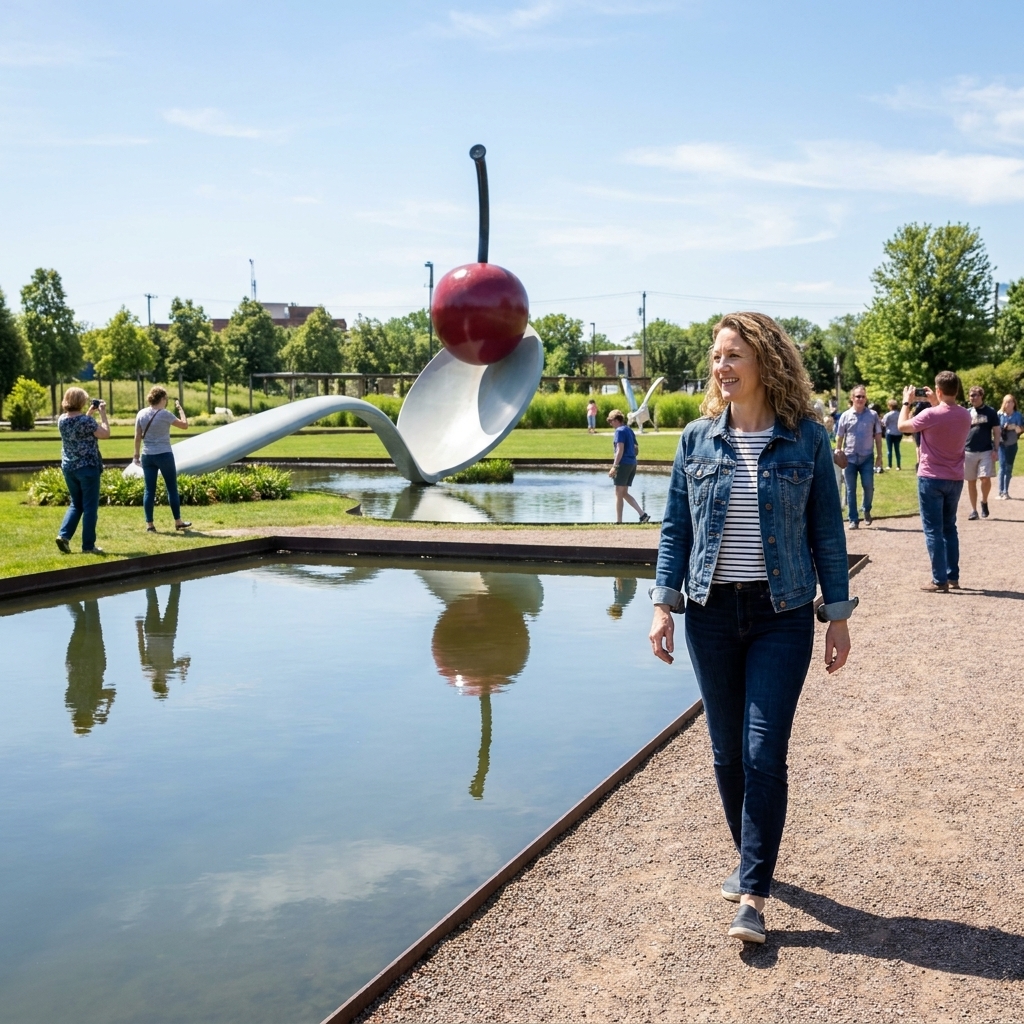
- Best for: quick visits, weekend city trips, families with limited attention spans
- Route tip: Make a simple loop that starts and ends at the most famous pieces, then detour to quieter corners if energy is high.
- Weather note: Winters are beautiful but brisk. Dress for wind if you plan to linger.
- Guide tip: If there’s an audio or mobile guide during your visit, use it for highlights. If not, the labels and the website are enough to make a great mini tour.
Mid-Atlantic
Hirshhorn Museum Sculpture Garden (Washington, DC)
DC has no shortage of mostly free cultural stops, and this outdoor garden can be a smart one to tuck between bigger museum plans. You can absorb a lot in a small footprint, which is my favorite kind of efficient.
Heads up: Access has varied due to renovation plans and periodic closures. Check current status on the official site before you build your day around it.

- Best for: budget travelers, museum hoppers, anyone building a National Mall itinerary
- Route tip: Treat this as a palate cleanser between indoor museums. It resets your brain.
- Weather note: Summer humidity is no joke. Go early or late and plan a cool-down stop afterward.
- Audio tour tip: Perfect in short bursts. Pick 3 works and listen deeply rather than trying to cover everything.
South
Cullen Sculpture Garden at the Museum of Fine Arts, Houston (Houston, Texas)
When the heat is high, I love sculpture stops that are easy to pair with indoor time. This garden is an elegant outdoor break with a strong collection, perfect for a “dip in and out” kind of day.

- Best for: art-focused travelers, warm-weather trips, quick cultural breaks
- Route tip: Start outdoors, then head inside the museum during the hottest hours.
- Weather note: Summer afternoons can be intense. Aim for morning or early evening.
- Audio tour tip: Check for museum audio options that include the garden. If not, a self-guided approach works beautifully.
Nasher Sculpture Center Garden (Dallas, Texas)
The Nasher’s outdoor garden is polished, walkable, and thoughtfully designed. Even if you’re not a “modern art person,” the setting makes it easy to connect with the work.
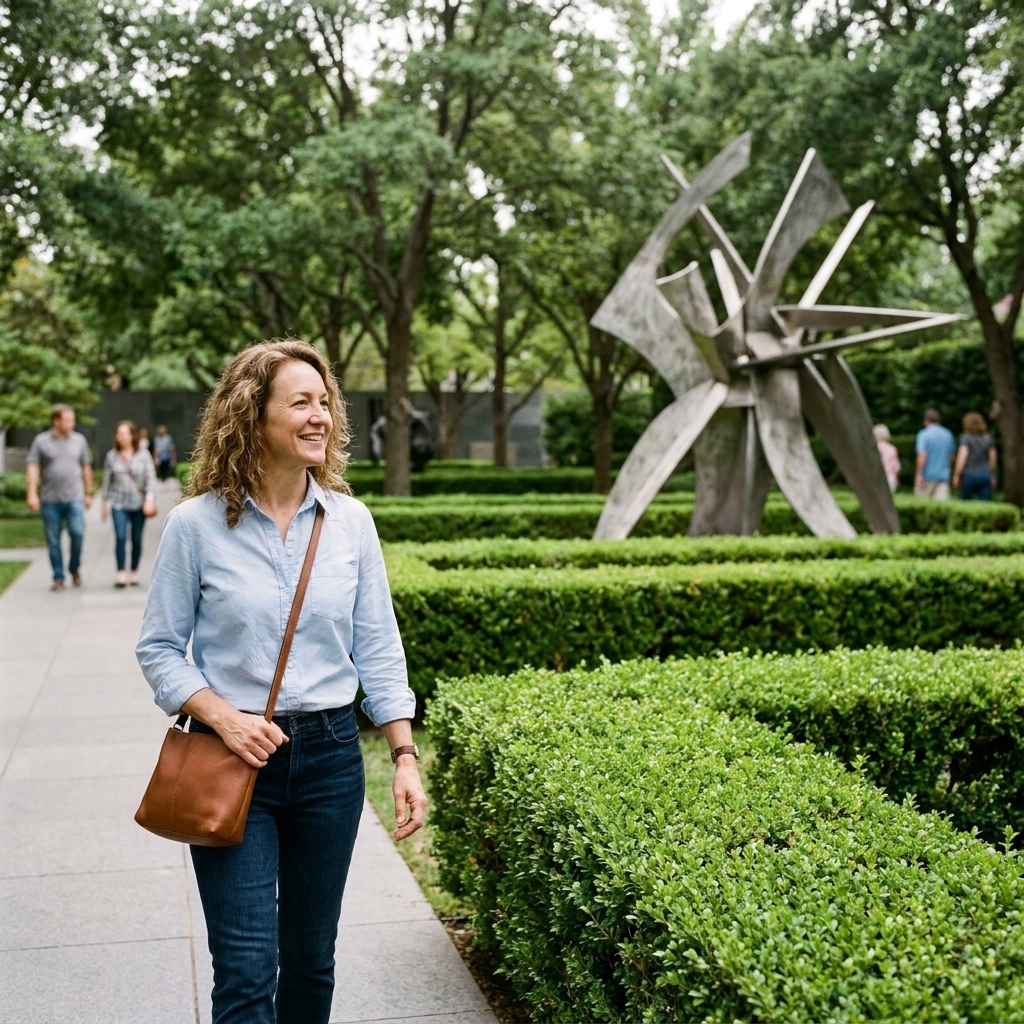
- Best for: couples, solo explorers, travelers who love clean design
- Route tip: Do a slow perimeter loop first, then weave through the center for closer views.
- Good to know: There’s shade, but it’s not everywhere. The lawn-and-tree mix can feel cooler than the street, but you’ll still want a mid-visit water break.
- Audio tour tip: Great for sculpture newcomers. It demystifies materials and intent.
Atlanta Botanical Garden (Atlanta, Georgia)
If you want a Southern stop that mixes outdoor wandering with occasional art moments, Atlanta Botanical Garden is a strong bet. It’s botanical-first, but sculptural elements and periodic installations pop up throughout the year, and the garden “rooms” make it easy to pace your day.
Note: Because exhibits change, check the current calendar if you’re specifically coming for an art installation.
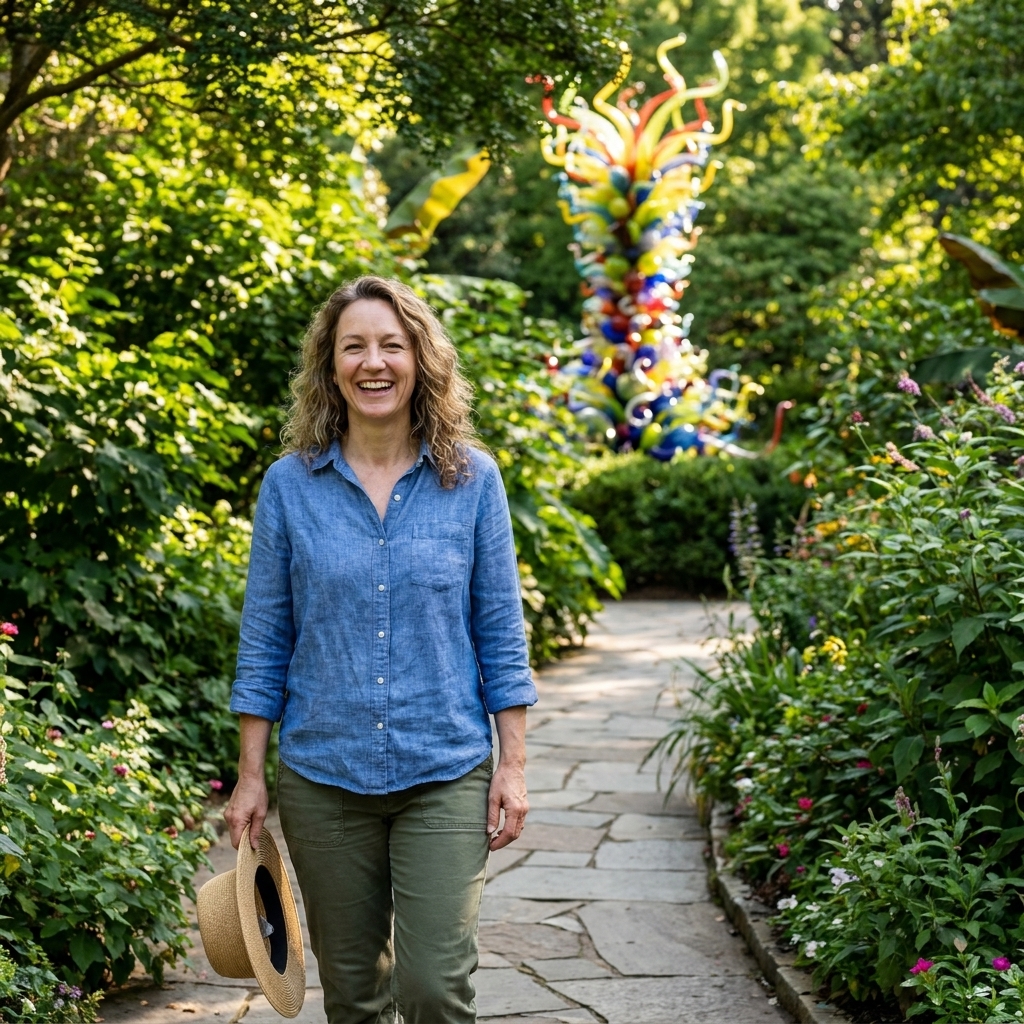
- Best for: families, plant lovers, travelers who want an easy half-day plan
- Route tip: Pick two anchors (like a conservatory and an outdoor trail) and build a loop between them.
- Weather note: Humidity can spike in summer. Morning visits feel calmer and cooler.
- Guide tip: Garden maps and exhibit signage do a lot of the heavy lifting here.
West and Southwest
Desert Botanical Garden (Phoenix, Arizona)
If you want outdoor art in a landscape that already feels wildly sculptural, this is it. It’s primarily a botanical garden, but it sometimes hosts art installations and seasonal exhibits that look especially striking against cactus silhouettes and big desert sky.
Note: Art programming varies by season, so check what’s on during your dates if installations are a priority.
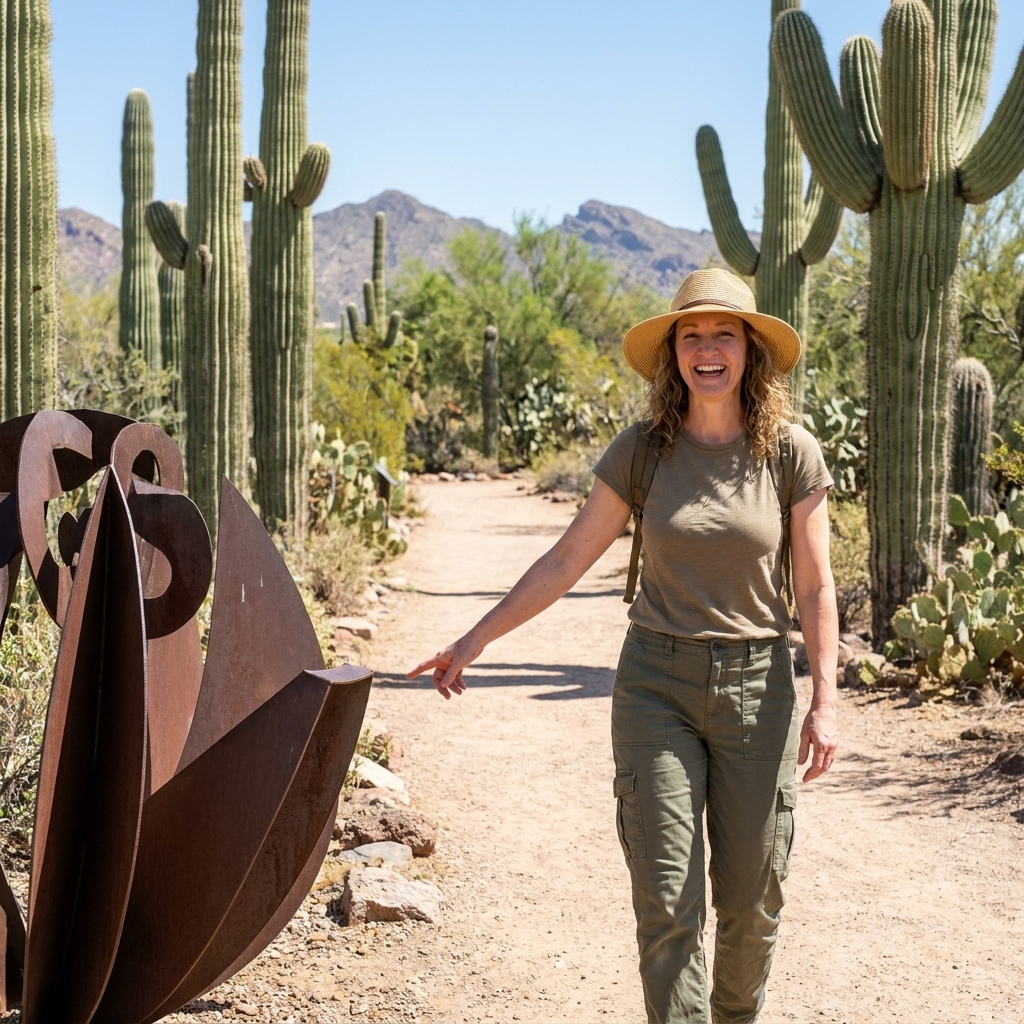
- Best for: nature lovers, Southwest trips, families who like sensory experiences
- Route tip: Go early, pick a loop with shade breaks, and save the most open sections for the coolest part of your visit.
- Weather note: Summer requires serious heat planning. Morning and evening are your friends.
- Audio tour tip: If offered, audio is excellent here because it connects the landscape to the art and ecology.
Olympic Sculpture Park (Seattle, Washington)
Waterfront views plus big contemporary sculpture is a combo that doesn’t get old, especially when you can hear gulls, catch the ferry horns, and feel that salt-air chill even on a sunny day. Seattle’s Olympic Sculpture Park is built for a scenic stroll, and it pairs nicely with seafood, a ferry ride, or a full day exploring the city.

- Best for: walkers, photographers, travelers building a waterfront itinerary
- Route tip: Start at the top and stroll down toward the water for an easy, satisfying finish.
- Weather note: Pack a light rain jacket year-round. Drizzle happens.
- Audio tour tip: Worth it for the backstory, especially if you’re curious about how the park was designed around the shoreline.
UCLA Franklin D. Murphy Sculpture Garden (Los Angeles, California)
LA has plenty of flashy attractions, but this one is a calmer, leafy pocket that feels surprisingly serene. It’s ideal when you want culture without a big time commitment.
Heads up: Campus access and public visiting policies can change, and hours can be limited. Check current entry rules and hours on UCLA’s official pages before you go, especially if you’re visiting from out of town.

- Best for: budget-friendly LA days, solo walkers, quiet dates
- Route tip: Make a gentle loop around the water features and pause at pieces that catch your eye.
- Weather note: Midday sun can be bright. Morning light is softer and cooler.
- Guide tip: If there isn’t an audio option, do your own mini tour by reading a few labels deeply instead of skimming all of them.
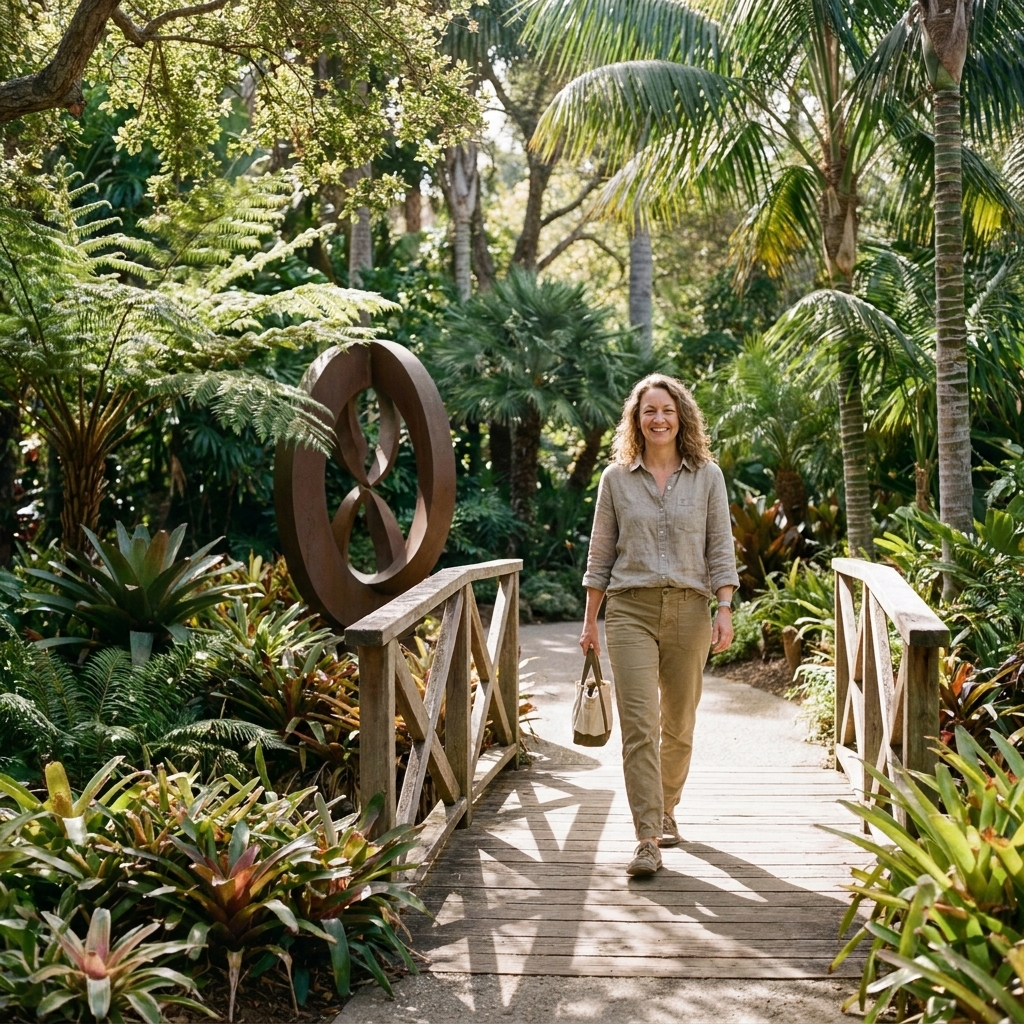
San Diego Botanic Garden (Encinitas, California)
This is another botanical-first destination with occasional art elements and garden “rooms” that feel like stepping into different worlds. It’s a great choice for travelers who want an outdoor cultural day that’s also genuinely restful.
Note: Art programming and installations can be seasonal. If you want a guaranteed sculpture-focused visit, check the current exhibits before you go.
- Best for: families, plant lovers, travelers who want a slower pace
- Route tip: Choose one full loop and one themed area to explore in depth, like bamboo or desert gardens.
- Weather note: Coastal weather is generally kind, but mornings can be cool and misty.
- Guide tip: If the garden offers a mobile guide, it helps connect the spaces into a story.
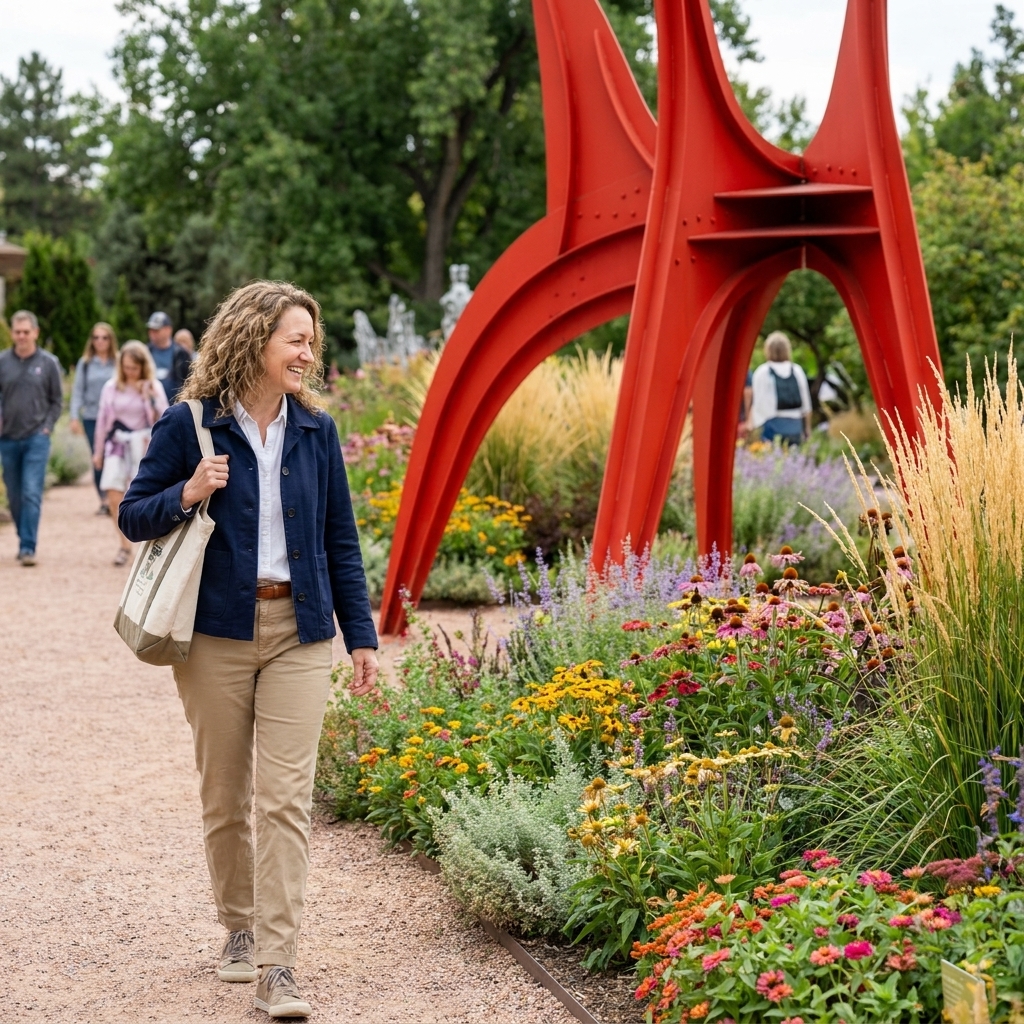
Denver Botanic Gardens (Denver, Colorado)
For a Mountain West pick that’s easy to love, Denver Botanic Gardens delivers: art can feel woven into the experience, and the mix of cultivated spaces and quieter corners makes it perfect for an unhurried walk.
Note: Like most gardens, the exhibit lineup changes. If you’re coming specifically for sculpture or installations, check what’s featured during your visit.
- Best for: travelers who want a flexible plan, friends trips, families who like variety
- Route tip: Do one structured loop, then give yourself permission to wander for 20 minutes with no goal.
- Weather note: Sun at elevation can be sneaky. Sunscreen matters even on cooler days.
- Guide tip: Maps and garden labels are usually enough to build your own highlights walk.
Audio tours: keep the vibe
I love an audio tour, but only when it serves the day. Here’s my strategy for keeping it fun:
- Download before you arrive. Sculpture parks can have spotty service and you don’t want your phone stuck buffering while you’re standing in full sun.
- Listen at anchors. Pick your 3 to 6 must-see works and use the audio there. Free-roam between them.
- Use one earbud. You stay aware of bikes, kids, and other visitors, and it feels less isolating if you’re with someone.
- Pause for photo moments. Listen first, then shoot. Otherwise you end up with a camera roll of “I swear it looked amazing” shots.
Make it a full outing
For families
- Start with a scavenger hunt. Ask kids to find “a shiny sculpture,” “an animal shape,” and “something taller than a tree.”
- Plan a snack stop early. Hungry kids turn art appreciation into speed-walking.
- Pick one loop only. One great loop beats two rushed ones.
For couples
- Do golden hour. Start late afternoon, then finish with dinner nearby.
- Split the tour. Each person picks two works to learn about and “present” to the other. It’s nerdy in the best way.
For solo adventurers
- Bring a notebook or notes app. Jot down titles you want to look up later. It deepens the experience.
- Choose a café finish. Ending with a treat makes the day feel like a mini vacation.
FAQ
How long do you need at an outdoor sculpture park?
For a city garden, 60 to 90 minutes is often perfect. For large destination parks like Storm King or Grounds For Sculpture, I usually plan 3 to 5 hours so there’s time for breaks and a little wandering.
Are these places accessible for strollers and wheelchairs?
Many are, but surfaces vary. Paved paths are easiest, while gravel and grass can be challenging after rain. If accessibility is a priority, call ahead and ask about path surfaces, grades, and shuttle options.
What is the best season for outdoor sculpture gardens?
Spring and fall are the sweet spots in most regions. Summer can be wonderful if you go early or late, and winter can be stunning in northern parks if you dress for wind and plan shorter loops.
Can you bring food?
Policies vary. Some parks welcome picnics in designated areas, while others limit outside food. I recommend checking rules before you pack a full spread, and always plan to pack out all trash.
Are these free?
Some city sculpture gardens are free, many destination parks and botanical gardens are ticketed, and special exhibitions can add a layer. I treat admission as “varies by venue,” and I always check pricing and timed-entry rules before I go.
My last tip: plan less, notice more
Outdoor sculpture is one of the easiest ways to feel like you traveled without needing a plane ticket. Pick a park, choose a simple loop, and let yourself be surprised. The best moments are usually the ones you didn’t schedule, like turning a corner and finding a piece that stops you mid-step.
If you try one of these gardens soon, go a little earlier than you think you should. A calm start is the secret ingredient for a day that feels expansive.