There is something downright magical about a historic theater in the daytime. The velvet is a little faded in the best way. The chandeliers glow even when the stage is dark. And if you are lucky enough to snag a backstage tour, you get the real story: dressing rooms, fly systems, orchestra pits, and the tiny design choices that made audiences gasp a century ago.
I spent years coordinating events and have a deep appreciation for what it takes to move crowds, manage acoustics, and keep the show running smoothly. These venues are masters at all of it, plus they offer tours that feel like you are stepping into a living museum that still throws parties at night.
Below are seven iconic performing arts venues in the U.S. with standout tours. Most are historic movie-palace era theaters, with one modern landmark included for its excellent behind-the-scenes access.
How to plan a great backstage tour
- Book early, especially on weekends. Many tours cap group size to protect historic areas and keep it intimate.
- Wear closed-toe shoes. Backstage often means stairs, narrow corridors, and sometimes steep steps.
- Arrive 15 minutes early. Late arrivals often cannot be admitted once the group moves into restricted areas.
- Ask about photo rules. Some theaters allow photos in public spaces but restrict backstage shots.
- Do not assume backstage is guaranteed. Routes can change day to day depending on rehearsals, maintenance, and load-ins.
- Pair it with a show if you can. Seeing the space by day makes the performance feel even more cinematic.
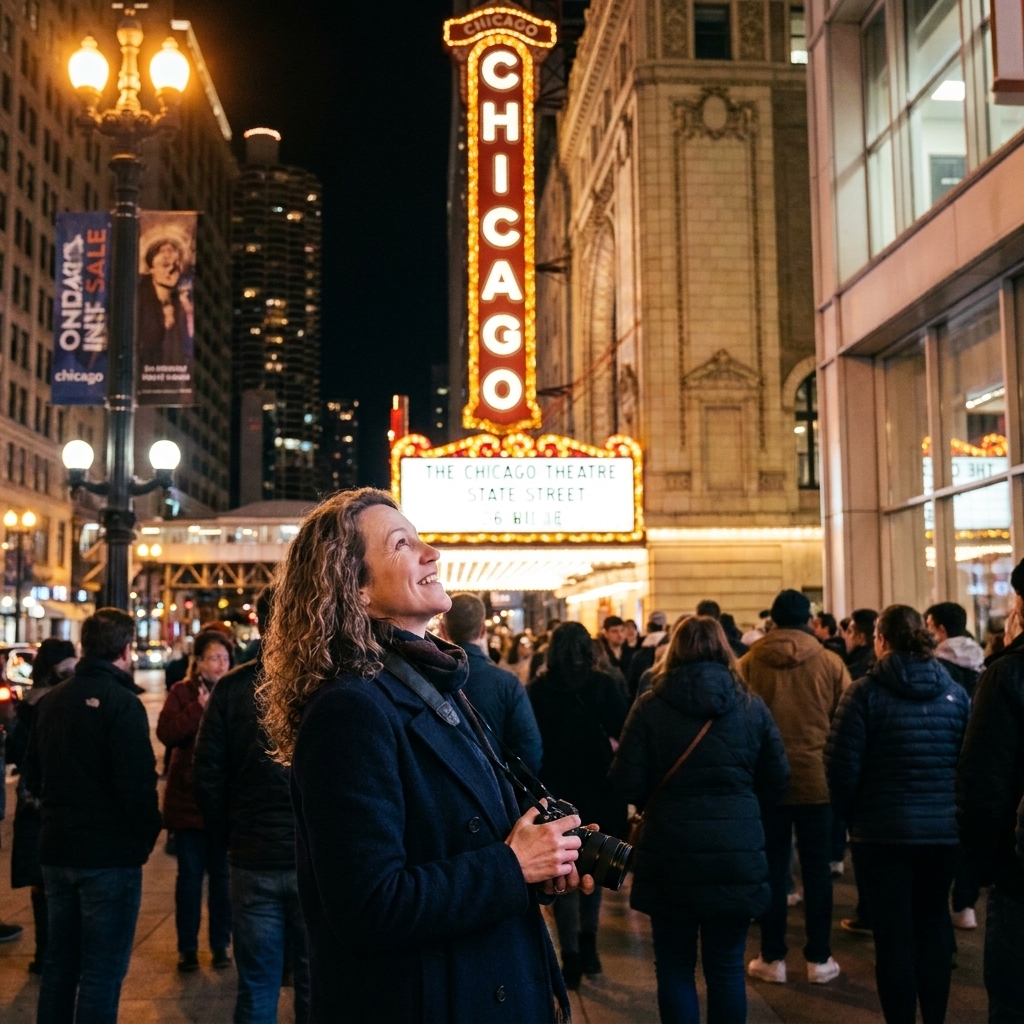
1) The Chicago Theatre (Chicago, Illinois)
If you have ever seen that iconic marquee in a movie, you already know the vibe: grand, glamorous, and unapologetically dramatic. Opened in 1921, The Chicago Theatre is French Baroque-inspired, with a lobby that feels like it belongs to royalty.

Why the tour is worth it
- Architecture deep dive: You will hear how it was built as a “palace for the people,” plus what it took to restore and maintain all that gold-and-glow grandeur.
- Signature interior moment: The grand staircase and ornate lobby details are even better without a pre-show crowd.
- Best moment: Standing in the empty auditorium and realizing how carefully the sightlines were engineered.
At a glance
Typical tour: About 45 to 60 minutes. Good time to go: Weekday late morning. Access note: Expect stairs and standing; accessible routes can vary.
Planner tip
Build in time to wander State Street afterward. It is one of those classic city walks that feels extra fun when you are riding the post-tour high.
2) The Fox Theatre (Atlanta, Georgia)
The Fox is pure escapism. Opened in 1929 and styled with Moorish and Egyptian revival flair, it is the kind of place where you look up and instantly lose track of time. The “sky” ceiling alone is worth the visit.

Why the tour is worth it
- Atmospheric design: Learn how the theater creates that outdoor courtyard illusion indoors, including the signature starry ceiling.
- Historic survival story: The Fox has one of those dramatic save-the-theater histories that makes you love it more.
- Working-venue perspective: You will get a clearer picture of how a landmark hosts Broadway tours, concerts, and special events without losing its vintage soul.
At a glance
Typical tour: About 60 minutes. Good time to go: Non-show days when available. Access note: Some areas involve stairs; ask about mobility accommodations when booking.
Planner tip
If you are traveling with kids or first-time theatergoers, this is a great “gateway” tour. The visuals are so bold that everyone stays engaged.
3) The Majestic Theatre (San Antonio, Texas)
San Antonio does “historic charm” like few places, and the Majestic fits right in. Opened in 1929, it is an atmospheric theater designed to feel like you are sitting in a Mediterranean courtyard at night.

Why the tour is worth it
- Details you miss at night: Daytime tours let you actually see the ceiling work, murals, and carvings clearly.
- How the old meets the new: Guides often share how a historic theater integrates modern sound, lighting, and touring schedules.
- Perfect add-on: It pairs beautifully with a River Walk day.
At a glance
Typical tour: About 45 to 60 minutes. Good time to go: Earlier in the day, especially in warmer months. Access note: Expect stairs in parts of the route; confirm accessibility options in advance.
Planner tip
Schedule your tour earlier, then cool off with lunch nearby. San Antonio afternoons can be a little intense in the best Texas way.
4) The Fabulous Fox Theatre (St. Louis, Missouri)
St. Louis has a Fox too, and it is a stunner. Opened in 1929, this one leans hard into opulence, with a lavish interior that makes you feel like you should be arriving in a vintage limo.

Why the tour is worth it
- Restoration and preservation: You will hear how the venue maintains historic finishes while still hosting big modern productions.
- Ornament overload: This is a theatre-nerd dream if you love gilding, chandeliers, and richly layered design.
- Stagecraft talk: Great for anyone who wants to know what happens behind the curtain when the touring trucks roll in.
At a glance
Typical tour: About 60 minutes. Good time to go: Weekday afternoons when offered. Access note: Standing and stairs are common; ask about elevator access for select areas.
Planner tip
If you are making a weekend of it, check what else is happening in the Grand Center Arts District. You can turn one tour into a full culture day.
5) Radio City Music Hall (New York City, New York)
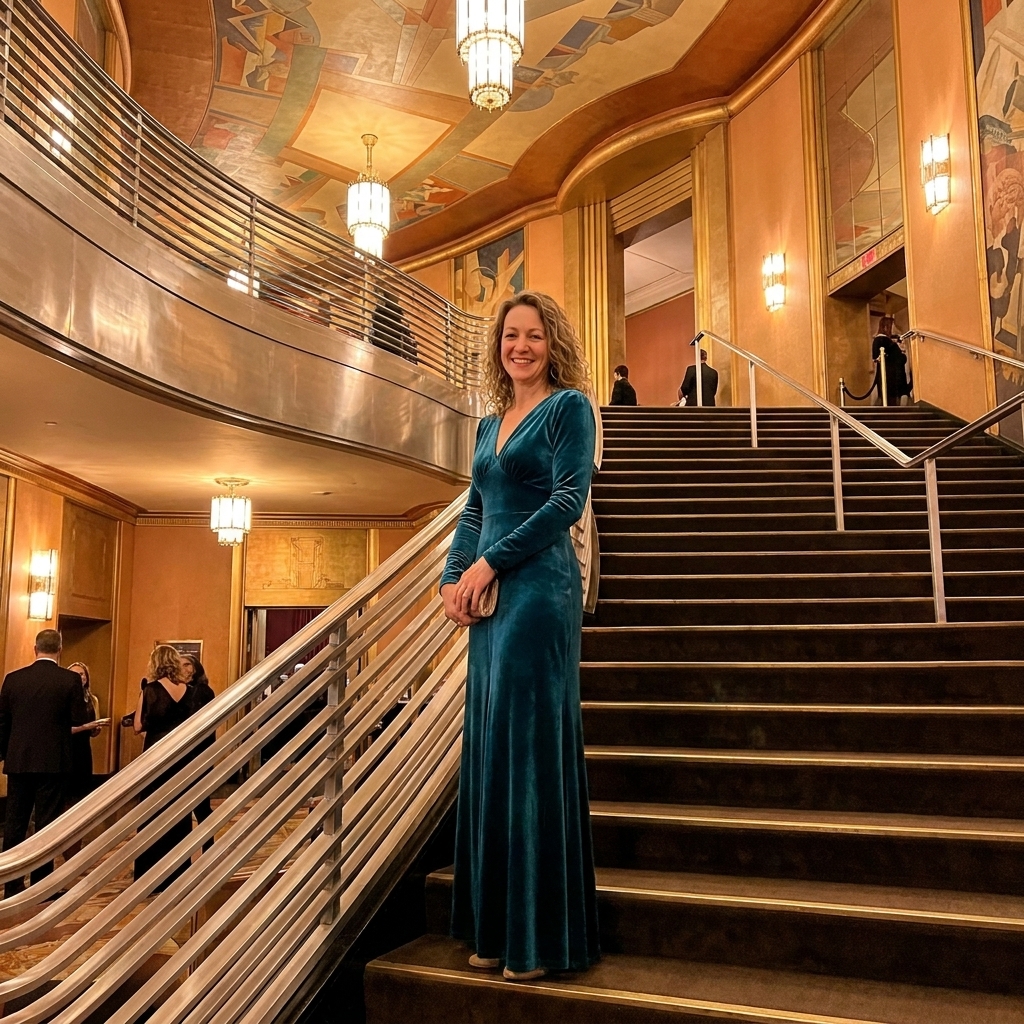
Radio City is not just a theater, it is an American icon. Opened in 1932, it is a defining Art Deco landmark with a scale that makes your brain do a little recalibration.
Why the tour is worth it
- Art Deco immersion: From the sweeping lines to the warm glow of the interiors, it is one of the best places in the country to see the style in a still-working venue.
- How a giant venue runs: You will get behind-the-scenes context for what it takes to operate at this size, even when Midtown is doing its Midtown thing outside.
- Signature highlight: Seeing the main auditorium in the quiet of the day is its own kind of spectacle.
At a glance
Typical tour: About 60 minutes. Good time to go: Weekday late morning. Access note: Some backstage access varies; confirm what is included when you book.
Planner tip
Time your tour when Midtown is less chaotic if you can, like late morning on a weekday. You will enjoy the experience so much more without rushing.
6) The Kennedy Center (Washington, DC)
The Kennedy Center is a different kind of landmark. Opened in 1971, it is not a 1920s movie palace, but it is one of the most important performing arts venues in the United States, and its tours are an insider-friendly way to understand how a major cultural institution runs. It also sits in a gorgeous spot along the Potomac.

Why the tour is worth it
- How the machine works: You will get a clearer picture of what it takes to operate multiple theaters and host everything from ballet to jazz.
- Architecture and public art: The building is full of design choices and gifted art pieces that are easy to miss without a guide.
- Bonus views: Plan time on the terrace for one of my favorite low-key scenic moments in DC.
At a glance
Typical tour: About 45 to 60 minutes. Good time to go: Morning, then linger by the river. Access note: Generally accessibility-friendly, but specific backstage access depends on the day.
Planner tip
Make it a double feature day: tour first, then visit nearby monuments or Georgetown. Your steps will add up fast, so comfortable shoes are non-negotiable.
7) The Orpheum Theatre (Memphis, Tennessee)
If you love theaters with personality, the Orpheum delivers. Opened as the Orpheum in 1928, it is a beloved Memphis landmark with a deep bench of stories and plenty of backstage lore.

Why the tour is worth it
- Local history meets showbiz: Tours shine when they connect the building to the city’s cultural heartbeat.
- Backstage intrigue: If you like theatrical legends, this one is a fun pick.
- Great for families: Memphis is an easy city to do with kids, and this is a memorable indoor stop.
At a glance
Typical tour: About 60 minutes. Good time to go: Earlier in the day, then explore downtown. Access note: Expect stairs; ask about accessibility and photo policies ahead of time.
Planner tip
Pair your visit with a walk on Beale Street earlier in the day, then come back for a show at night if your schedule allows. Seeing both sides of Memphis is the magic combo.
Backstage etiquette
These spaces are working venues first and museums second. A little etiquette goes a long way.
- Stay with the group. Backstage areas can be active work zones even during daytime tours.
- Do not touch set pieces, curtains, or rigging. Even small adjustments can create safety issues.
- Keep your voice down on stage. Many theaters are testing sound or doing quiet maintenance.
- Ask before filming. Some venues restrict video to protect performers, staff workflows, or copyrighted production elements.
Quick picks
For jaw-dropping ornament
- The Fox Theatre (Atlanta)
- The Fabulous Fox Theatre (St. Louis)
- The Chicago Theatre (Chicago)
For big, behind-the-scenes energy
- Radio City Music Hall (New York City)
- The Kennedy Center (Washington, DC)
For an easy itinerary pairing
- Majestic Theatre (San Antonio)
- Orpheum Theatre (Memphis)
Before you go
Tour offerings, pricing, and route access can change based on rehearsal schedules, restoration work, and performance calendars. Expect most tours to run about an hour and to require a fair amount of standing. Ticket prices vary widely by venue and season, so check the official tour page the week you book and again the day before you go. If you can swing a weekday tour, do it. You will often get a calmer, more behind-the-scenes feel.
And if you are anything like me, you will walk out already plotting your next one. Once you learn how the backstage world fits together, you cannot un-know it.